
To safety proof your home as your toddler climbs, start by securing heavy furniture and installing safety gates at stairs. Keep sharp edges padded and small objects out of reach to prevent injuries or choking. Regularly check that everything is stable and supervise closely during play. Practice fire safety, like installing smoke alarms and having an escape plan. Continue exploring these essential tips to keep your little one safe as they explore more confidently.
Key Takeaways
- Install safety gates at stairways and ensure they are securely latched.
- Anchor heavy furniture and televisions to walls to prevent tipping.
- Use corner protectors and padding on sharp edges of furniture and surfaces.
- Supervise children closely during climbing activities and in elevated areas.
- Keep small objects and choking hazards out of reach to prevent accidental ingestion.
As toddlers become more mobile and curious, they naturally start to climb on furniture, stairs, and other household objects. Their desire to explore can lead to dangerous situations if you’re not proactive about safety. The first step is to ensure your home is as safe as possible to prevent accidents. Fire prevention plays a critical role here. Keep matches, lighters, and any flammable materials out of your child’s reach. Install smoke alarms on every level of your home and test them monthly to ensure they work properly. Consider a fire extinguisher in accessible areas, and teach your family a simple fire escape plan. Practicing emergency preparedness helps everyone know what to do if a fire occurs, reducing panic and injury during an actual emergency.
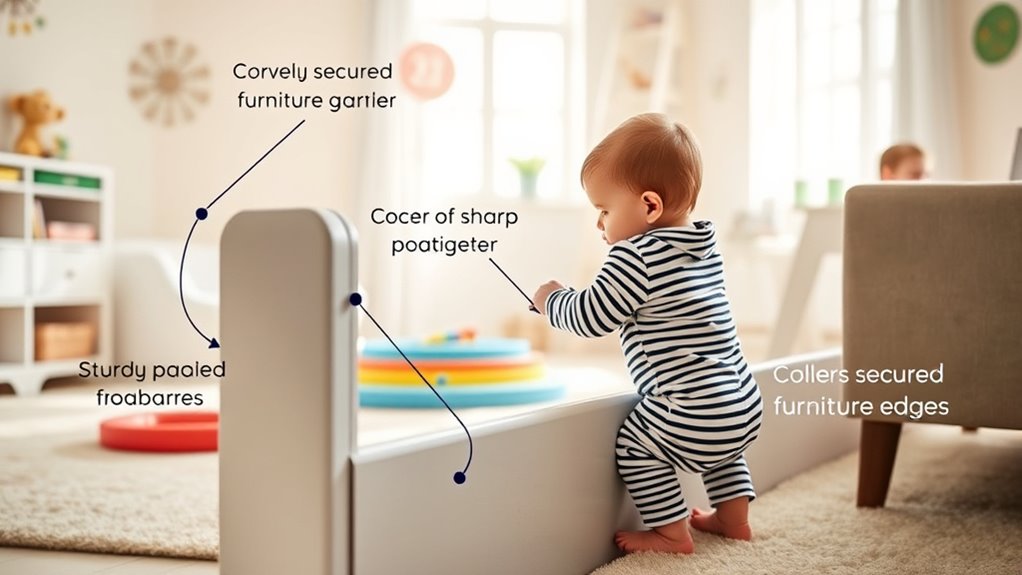
Climbing increases the risk of falls, so securing furniture and household objects is essential. Anchor heavy furniture like bookshelves, dressers, and TVs to the wall to prevent tipping if your toddler pulls or climbs on them. Use corner protectors and padding on sharp edges of tables and counters to minimize injury if falls happen. When it comes to stairs, install safety gates at the top and bottom, and ensure they are securely latched. Never leave your child unattended near stairs or on elevated surfaces, even for a moment. Keep small objects and choking hazards off the floor and out of reach, reducing the temptation to climb or explore dangerous items.
Creating a safe environment also involves constant supervision. As your toddler explores, stay engaged and attentive, recognizing their curiosity but guiding them away from risky activities. When you’re not actively watching, consider setting up designated play areas free of hazards where they can safely climb and explore. Regularly inspect your home to identify new hazards as your child grows and becomes more mobile. Additionally, understanding wood stove safety standards and proper installation can help prevent fire hazards if your home has such appliances. Keeping emergency preparedness in mind, teach your child simple safety rules as they develop, like not touching hot surfaces or playing near outlets. Practicing these safety measures regularly helps reinforce good habits.
Constant supervision and safe play areas protect your toddler as they explore and grow.
Incorporate safety-proofing into your routine, and stay alert to your toddler’s changing abilities. Making your home safer isn’t a one-time task—it’s ongoing. By focusing on fire prevention, securing furniture, and practicing emergency preparedness, you help create a safer environment where your curious little climber can explore without unnecessary risks. The peace of mind that comes from knowing you’ve taken these precautions allows both you and your child to enjoy their natural curiosity while minimizing danger. After all, safety is about anticipating risks and acting proactively to prevent accidents before they happen.
As an affiliate, we earn on qualifying purchases.
Frequently Asked Questions
When Should I Start Safety Proofing for Climbing?
You should start safety proofing for climbing as soon as your toddler begins exploring, typically around age 12 months. Use baby proofing tips like securing furniture and installing safety gates, and always supervise climbing activities closely. Climbing supervision is essential to prevent falls and injuries. Regularly check your home for hazards, and stay vigilant as your little one gains confidence and independence in their climbing skills.
Are There Specific Safety Gates Best for Toddlers?
Yes, there are specific safety gates perfect for toddlers. Look for gates with adjustable features, secure latches, and no sharp edges. When baby proofing tips, choose pressure-mounted or hardware-mounted gates based on the area, and guarantee they meet safety standards. Incorporate toddler safety accessories like corner protectors and outlet covers alongside gates to create a thorough safety setup, preventing falls and keeping your little one safe as they explore.
How Can I Teach My Toddler Safe Climbing Habits?
You can teach your toddler safe climbing habits by modeling proper behavior and setting clear boundaries. Childproof furniture by securing heavy items and removing sharp edges. Encourage safe outdoor climbing by providing age-appropriate equipment and supervising closely. Praise your toddler when they climb carefully, and gently correct risky behavior. Consistency helps them understand what’s safe, and guiding them early fosters healthy, secure climbing habits that keep them safe and confident.
What Are Common Injuries From Toddler Climbing?
Did you know climbing accidents are a leading cause of injuries in toddlers? Common injuries include cuts, bruises, sprains, and sometimes fractures. To prevent these, you should supervise closely, set clear boundaries, and create safe climbing environments. By understanding injury prevention, you can minimize risks and help your child enjoy climbing safely, reducing the chance of painful falls and ensuring their adventures stay fun and injury-free.
How Often Should Safety Checks Be Performed?
You should perform safety checks weekly to guarantee age-appropriate equipment remains secure and hazard identification is up-to-date. Regular inspections help catch loose bolts, sharp edges, or damaged surfaces before accidents occur. By consistently monitoring, you create a safer environment where toddlers can climb confidently, reducing injury risks. Staying vigilant and performing frequent safety checks is key to maintaining a secure play area and promoting safe exploration for your little ones.
Conclusion
As you safety proof your home, imagine your toddler as a brave explorer venturing into a jungle of furniture and corners. With every lock, cushion, and gate, you’re building a fortress of safety around their curiosity. Remember, your vigilance is the lighthouse guiding their adventurous spirit safely back to shore. By creating this secure environment, you turn everyday spaces into safe playgrounds, where your little one can discover and grow with confidence, knowing you’re their steadfast protector.