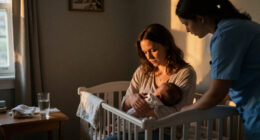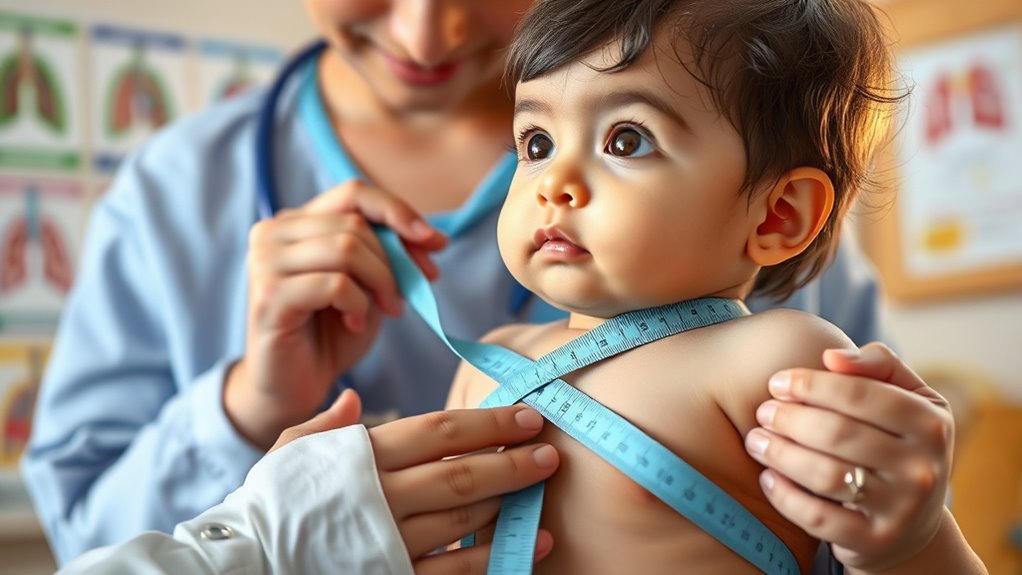

To perform TB risk assessments in children, focus on identifying those exposed to TB or at risk of developing active disease. Use tests like the tuberculin skin test (TST) or IGRA to detect immune responses. Remember, positive results require further evaluation, such as a chest X-ray, to rule out active TB. Early detection helps prevent disease progression and transmission. Keep exploring to find out more about how to effectively evaluate and manage TB risks in children.

Turn the school run and nap time into listening time
- Thousands of audiobooks, podcasts and originals
- Listen on your phone, tablet or Echo — also offline
- Cancel anytime
Key Takeaways
- TB risk assessments identify children exposed to TB or at risk of developing active disease for timely intervention.
- Screening involves TST or IGRA to detect immune responses indicating TB infection.
- Positive screening results require further evaluation, such as chest X-ray, to exclude active TB before treatment.
- Factors like immune suppression and exposure history influence interpretation and management decisions.
- Early detection through risk assessments helps prevent disease progression and reduces TB transmission in children.

Tuberculosis (TB) risk assessments in children are essential for early detection and prevention of the disease. When you perform these assessments, you’re actively identifying children who may have been exposed to TB or are at risk of developing active TB. One key aspect of this process involves understanding latent TB, which is a state where the child carries the bacteria but shows no symptoms and isn’t contagious. Latent TB can stay dormant for years, but it has the potential to become active if left untreated. Consequently, TB screening becomes critical in determining whether a child has latent TB or active infection.
You should start by taking a detailed history of the child’s exposure to TB, especially if they’ve been in contact with someone diagnosed with active TB. This helps you gauge the likelihood of latent TB infection. Screening typically involves a tuberculin skin test (TST) or an interferon-gamma release assay (IGRA). These tests are indispensable tools in your assessment because they help detect immune responses to TB bacteria, indicating possible latent TB. If the test results are positive, it doesn’t necessarily mean the child has active TB; instead, it suggests latent TB infection, which requires further evaluation to rule out active disease.
Performing TB screening in children isn’t just about testing; it also involves interpreting results in context. Factors such as the child’s age, immune status, and history of exposure influence your decision-making. A positive screening result warrants a chest X-ray to exclude active TB, especially if symptoms are present or if the child’s immune system might mask symptoms. If active TB is ruled out, you can proceed with treatment for latent TB to prevent progression to active disease later on. Early detection through TB screening can markedly reduce the risk of transmission and severe health outcomes. You should also educate parents and caregivers about the importance of follow-up testing and treatment adherence. In some cases, the child’s immune response may be suppressed, making TB screening more complex, but it’s still essential to identify those at risk. Overall, integrating thorough risk assessments, appropriate TB screening, and timely intervention ensures you’re taking proactive steps to protect children from the potentially devastating effects of TB.
tuberculin skin test kit for children
As an affiliate, we earn on qualifying purchases.
As an affiliate, we earn on qualifying purchases.
Frequently Asked Questions
How Often Should Children Undergo TB Risk Assessments?
You should conduct TB risk assessments for children based on their exposure risk and testing guidelines. Typically, screening frequency depends on factors like contact with TB-infected individuals or travel to high-risk areas. Children with ongoing risk factors may need regular reevaluations, maybe annually or more frequently. Always stay updated with current public health recommendations to guarantee timely testing and prevent TB transmission.
Are There Any Risks Associated With TB Skin Testing in Children?
Yes, there are some risks with TB skin testing in children. You might notice false positives, which can lead to unnecessary worry or further testing. Additionally, skin irritation at the injection site is common, causing redness or swelling. While these reactions are usually mild, it’s important to monitor your child and consult your healthcare provider if you notice any severe or persistent issues.
How Do Socioeconomic Factors Influence TB Risk in Children?
Socioeconomic factors substantially influence TB risk in children. Poverty-related barriers, like limited access to healthcare, make it harder for you to get timely diagnosis and treatment. Children in impoverished communities often face crowded living conditions, increasing exposure, and may lack resources for proper prevention. These challenges heighten their vulnerability to TB, emphasizing the need for targeted interventions to improve healthcare access and reduce TB transmission among at-risk children.
Can TB Risk Assessments Predict Future TB Development?
Think of TB risk assessments as crystal balls that sometimes see into the future, but not always clearly. You can’t rely solely on genetic markers or environmental exposure to predict future TB development. While they help highlight risk factors, they don’t guarantee outcomes. So, don’t get your hopes up for perfect foresight—these assessments guide you, but don’t replace vigilant monitoring and preventative care for children at risk.
What Are the Best Practices for Follow-Up After a Positive TB Test?
After a positive TB test, you should prioritize patient education to guarantee understanding of the next steps. Schedule timely follow-up appointments to monitor for symptoms and discuss further testing or treatment options. Keep clear communication, emphasizing the importance of adherence to medication if prescribed. Regular follow-up helps detect any development of active TB early, reducing transmission risk and ensuring effective management.
Conclusion
By understanding how to assess TB risk in children, you’re like a detective uncovering hidden clues that can save lives. Your careful evaluation helps you spot children who might be silently affected, preventing potential outbreaks. Just as a lighthouse guides ships safely through stormy seas, your knowledge guides children toward healthier futures. Stay vigilant, ask the right questions, and remember, your attention can be the shining light that keeps TB at bay.
Evergreen bestsellers Picks
bestsellers
As an affiliate, we earn on qualifying purchases.