
To safely use comfort items, regularly check for tears or wear that could pose safety risks. Keep them clean and free from dirt or bacteria, and avoid sharing with others to prevent germs. Avoid letting comfort items interfere with daily activities or independence. When used correctly, they can provide reassurance and emotional stability during stressful moments. To learn more about ensuring their safe use and benefits, continue exploring helpful tips and strategies.

Turn the school run and nap time into listening time
- Thousands of audiobooks, podcasts and originals
- Listen on your phone, tablet or Echo — also offline
- Cancel anytime
Key Takeaways
- Regularly inspect comfort items for wear and tears to prevent safety hazards.
- Keep items clean and free from dirt or bacteria through regular washing.
- Avoid sharing comfort objects between children to minimize germ transmission.
- Choose age-appropriate, non-toxic, and safe materials for comfort items.
- Discourage dependence if objects interfere with daily activities or emotional regulation.
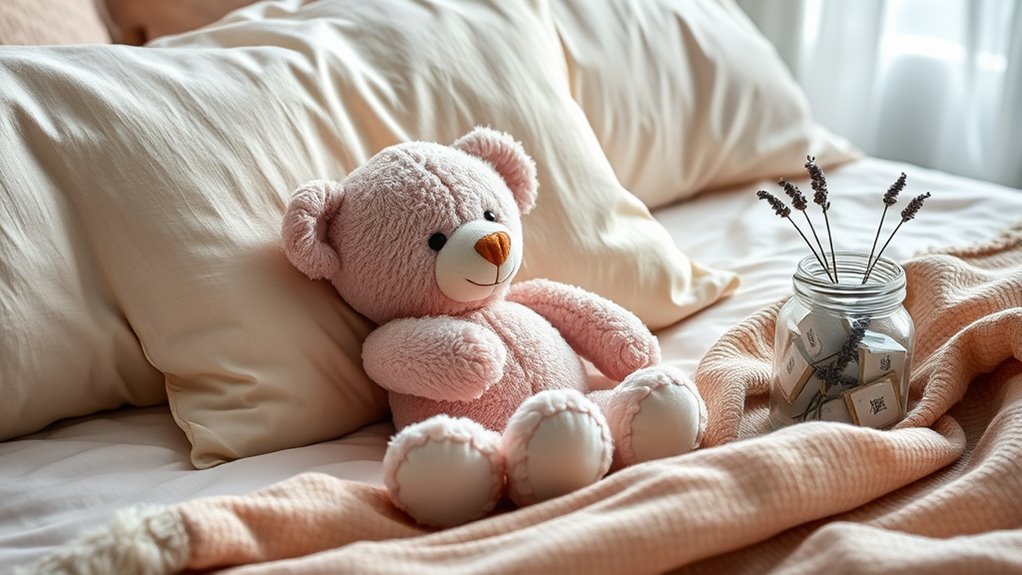
Have you ever noticed how small objects can provide a big sense of comfort during stressful times? That’s the power of comfort items—simple objects that can bring emotional reassurance when you need it most. These items often serve as a tangible connection to safety, familiarity, or loved ones, helping you feel grounded even in uncertain moments. Whether it’s a soft blanket, a stuffed animal, or a special piece of jewelry, comfort items can quickly soothe feelings of anxiety or loneliness. They become a source of stability, especially during challenging periods like illness, travel, or emotional upheaval.
When you use comfort items thoughtfully, they can also offer developmental benefits, particularly for children. For young kids, these objects help establish a sense of security that supports healthy emotional growth. They encourage independence by allowing children to manage their feelings more effectively and build resilience over time. For example, a child clutching a favorite stuffed animal might feel more confident facing a new environment or social situation. Over time, this repeated reassurance can bolster their self-esteem and help them develop coping skills that serve them throughout life.
However, it’s important to use comfort items safely. Keep an eye on their condition—if a toy or blanket becomes worn or torn, replace it to prevent choking hazards or other safety issues. Make sure these objects are clean and free from dirt or bacteria, especially if they’re frequently handled. Avoid sharing comfort items between children to reduce the risk of spreading germs, and discourage dependence on a single object if it starts to interfere with daily activities or social interactions. Additionally, choosing safe and appropriate comfort items can enhance their benefits and reduce potential risks.
Comfort items should complement, not replace, healthy coping strategies. They’re most effective when used alongside other techniques like talking about your feelings, practicing mindfulness, or seeking support from friends and family. When you feel overwhelmed, holding onto a familiar object can provide immediate emotional reassurance, helping you regain focus and calmness. Over time, this can contribute to better emotional regulation and a sense of control during stressful situations.
Ultimately, comfort items are valuable tools for nurturing emotional well-being and fostering development, especially in young people. When used safely and intentionally, they serve as gentle reminders that you’re not alone, even during difficult moments. Their simplicity makes them accessible, yet their impact can be profound—offering peace, stability, and confidence when you need it most.
As an affiliate, we earn on qualifying purchases.
Frequently Asked Questions
Are There Age Restrictions for Using Comfort Items Safely?
Yes, there are age restrictions for using comfort items safely. You should follow safety guidelines based on the child’s age to prevent potential hazards. For younger children, avoid items with small parts or choking risks, and supervise their use. As they grow older, verify the comfort items are appropriate and safe for their age. Always check manufacturer recommendations and regularly inspect items for wear and tear to maintain safety.
How Often Should Comfort Items Be Cleaned or Replaced?
You should clean comfort items weekly to maintain hygiene and prevent germs from accumulating. Follow the replacement guidelines provided by the manufacturer, which usually recommend replacing items every few months or sooner if they show signs of wear or damage. Regular cleaning and timely replacement help ensure comfort items remain safe, clean, and effective for your use. Always check for any specific instructions to maximize their safety and longevity.
Can Comfort Items Cause Allergies or Skin Irritation?
Imagine holding a soft, familiar blanket, but beneath its gentle touch, allergens might hide. Comfort items can indeed cause allergies or skin irritation if they’re made from materials with poor safety standards. Always check the material safety, especially for allergy risk, and choose items made from hypoallergenic fabrics. Regular cleaning and replacement help minimize irritation, ensuring your comfort doesn’t come with unwanted health concerns.
What Materials Are Safest for Comfort Items?
You should choose comfort items made from natural, hypoallergenic materials like organic cotton, bamboo, or silk for the safest material safety. These materials are less likely to cause allergies or skin irritation and often offer better comfort and durability. Avoid synthetic fabrics such as polyester or nylon, which can cause skin issues and may not last as long. Prioritizing high-quality, safe materials guarantees your comfort item remains durable and safe for regular use.
Are There Any Safety Concerns With Shared Comfort Items?
Sharing comfort items can pose hygiene concerns, increasing the risk of germs and infections. You should avoid sharing these items, especially during illness or if someone has skin conditions. Practice good hygiene practices by cleaning comfort items regularly and encouraging personal use. If sharing is unavoidable, sanitize items thoroughly between uses. This helps minimize health risks and keeps everyone safer while still providing comfort.
Conclusion
Remember, comfort items can be your trusty sidekick in tough times, but always use them safely—like a well-trained knight with their sword. Don’t turn into a modern-day Marie Antoinette, ignoring the risks. Keep your comfort items in good shape and use common sense, whether you’re binge-watching your favorite show or channeling your inner Sherlock. With the right approach, your comfort items will remain a safe, reliable part of your daily adventure.
Cold & flu season Picks
humidifiers
As an affiliate, we earn on qualifying purchases.