
Crafting a Breastfeeding Elimination Diet Menu is like navigating a complex culinary puzzle to guarantee our little ones receive the best nutrition. As we explore the intricacies of selecting the right foods, we uncover a world of possibilities that can benefit both mother and child.
Through careful planning and consideration, we can discover the secrets to crafting a menu that supports breastfeeding and promotes a healthy lifestyle. Let's set out on this journey together and reveal the transformative power of a well-designed elimination diet.
Key Takeaways
- Document meals and baby's reactions to pinpoint allergens.
- Eliminate suspected allergens, monitor symptoms, then reintroduce foods.
- Include nutrient-dense foods for a balanced breastfeeding diet.
- Prepare meals ahead, stay consistent, and seek professional guidance for success.
Amazon Product B08C6XT7WH
As an affiliate, we earn on qualifying purchases.
Identifying Common Allergens
When initiating a breastfeeding elimination diet, it's important to first pinpoint the common allergens that could potentially impact your baby's health.
Common allergens like cow's milk, eggs, peanuts, tree nuts, soy, wheat, and fish can trigger allergic reactions in sensitive infants. These allergenic proteins can pass through breast milk, leading to symptoms such as hives, eczema, colic, or gastrointestinal issues.
To identify these allergens, maintaining a detailed food diary is essential. By tracking what you eat and noting any allergic reactions in your baby, you can start connecting the dots to uncover the specific culprits.
For instance, cow's milk protein can show up in breast milk within hours of consumption, affecting some babies more than others. By being diligent in documenting your meals and your baby's reactions, you'll be better equipped to create an effective elimination diet menu tailored to your baby's needs.
Amazon Product B0CSKCB3JX
As an affiliate, we earn on qualifying purchases.
Eliminating One Food at a Time

To effectively identify specific allergens causing reactions in your baby, we recommend eliminating one food at a time from your diet for a period to observe any changes. This systematic approach allows for a focused examination of potential trigger foods and helps pinpoint allergens affecting your baby. By following this method, you can better track improvements or worsening of symptoms, aiding in the process of elimination.
- Remove Suspected Food: Start by eliminating the suspected allergen from your diet for at least two weeks to see if there are any noticeable changes in your baby's reactions.
- Monitor Symptoms: During the elimination phase, carefully track and monitor your baby's symptoms to assess if there's any improvement once the food is removed.
- Reintroduce Foods: After the elimination period, reintroduce the eliminated food back into your diet one at a time. This step-by-step process can help confirm the specific trigger food causing allergic responses in your baby.
Amazon Product B0D9XGKY2Z
As an affiliate, we earn on qualifying purchases.
Creating a Balanced Meal Plan
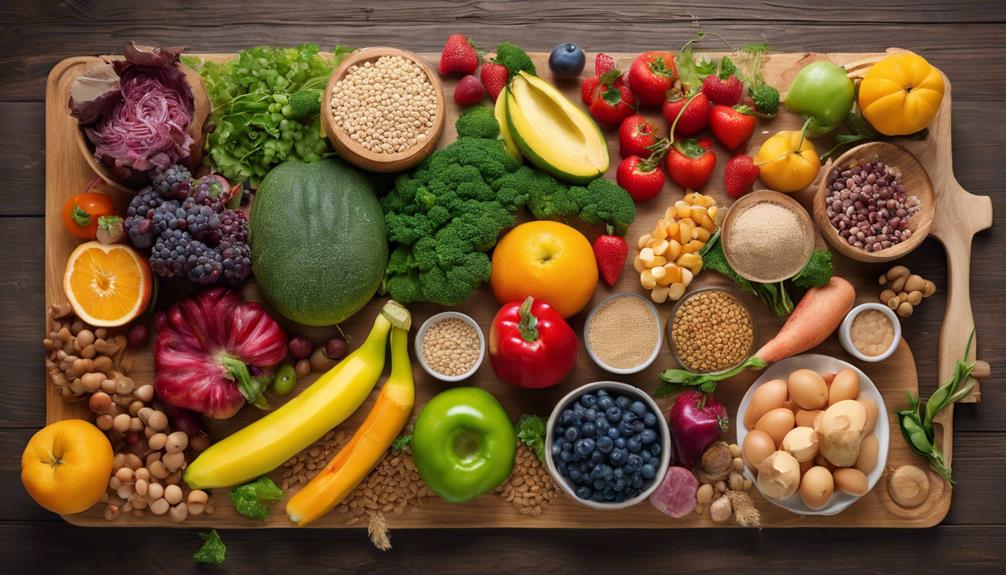
Let's start crafting a balanced meal plan that nourishes both you and your baby during the breastfeeding period by incorporating nutrient-dense foods and essential nutrients. When planning your meals, aim to include a variety of nutrient-dense foods such as lean proteins, colorful vegetables, healthy fats, and whole grains. These foods will provide you with the necessary energy and nutrients for breastfeeding. Make sure to incorporate foods rich in essential nutrients like iron, calcium, omega-3 fatty acids, and vitamin D to support both your health and your baby's development.
Considering the demands of caring for a newborn while following an elimination diet, opt for meals that are easy to prepare and consume. Stay hydrated by drinking plenty of water and including hydrating foods like fruits and vegetables in your meal plan. Consulting with a dietitian or healthcare provider to tailor your meal plan to meet your individual dietary needs and address any potential nutrient deficiencies that may arise from eliminating specific allergenic foods is crucial. Your well-being and your baby's health are a top priority, so nourish yourself with care.
Amazon Product B09VS3C74Y
As an affiliate, we earn on qualifying purchases.
Practical Tips for Success
For those starting on an elimination diet while breastfeeding, maintaining a detailed food diary can be an important tool for tracking your baby's reactions and pinpointing potential allergens accurately. Consulting a pediatrician or a dietitian before starting the elimination diet is critical to guarantee a balanced and safe approach. Reading food labels meticulously is essential to avoid hidden allergens and unexpected sources of allergenic foods.
When starting on an elimination diet while breastfeeding, here are three practical tips for success:
- Prepare Meals Ahead: Planning and preparing meals in advance can help you stick to your allergen-free diet and avoid last-minute temptations.
- Stay Patient and Consistent: The elimination diet process can take time, so staying patient and consistent is key. Remember, it's a journey towards better health for you and your baby.
- Seek Support: Don't hesitate to seek support from professionals or support groups. They can provide guidance, motivation, and reassurance as you navigate this new dietary path.
Delicious Recipe Ideas
Starting an elimination diet while breastfeeding can open up a world of delicious recipe ideas that can nourish both you and your little one.
Incorporating nutrient-dense foods is key to supporting your health and your baby's well-being. Consider making a salmon salad with avocado to get essential omega-3 fatty acids and protein into your diet.
For a fiber-rich option, try a colorful quinoa salad with roasted vegetables, providing plant-based protein.
A hearty sweet potato and black bean chili can be a comforting and nutrient-packed meal full of vitamins and minerals.
When it's time for dessert, indulge in a dairy-free coconut chia pudding topped with fresh berries for a delicious treat.
If you're craving something sweet, a gluten-free almond flour banana bread is a wholesome option that aligns with your elimination diet.
These foods not only taste great but also support your immune system and help maintain the quality of your breast milk.
Frequently Asked Questions
How Do I Start an Elimination Diet While Breastfeeding?
We begin by tracking our diet and baby's reactions. Consulting with a healthcare provider is important before making major dietary changes while breastfeeding. Start by eliminating common allergens. Watch for hidden allergens and gradually reintroduce foods to identify triggers.
What Is the Menu for a Breastfeeding Mother?
When crafting a menu for a breastfeeding mother, we prioritize nutrient-dense foods. Lean proteins like chicken, turkey, veggies, fruits, gluten-free grains such as quinoa, rice, and healthy fats like avocado and olive oil are essential for peak health.
How to Do a Process of Elimination Diet?
When doing an elimination diet, we identify allergens by tracking baby's reactions, consult a professional, remove suspected foods for 2-4 weeks, gradually reintroduce, monitor baby's response, and seek dietitian guidance for a balanced diet.
What Is a Homemade Elimination Diet?
We create a custom elimination diet by removing allergenic foods while breastfeeding. It helps find and remove triggers causing baby reactions. Elimination diets exclude common allergens like dairy and eggs. Keeping a food diary and consulting experts for balance is important.
Conclusion
As we navigate the intricate world of breastfeeding and elimination diets, remember that knowledge is power. By following this step-by-step guide, we can create a menu that supports both our baby's health and our own well-being.
Let's begin on this journey with confidence, armed with the tools and understanding needed to make informed choices for our families. Together, we can nourish our little ones and ourselves, one meal at a time.