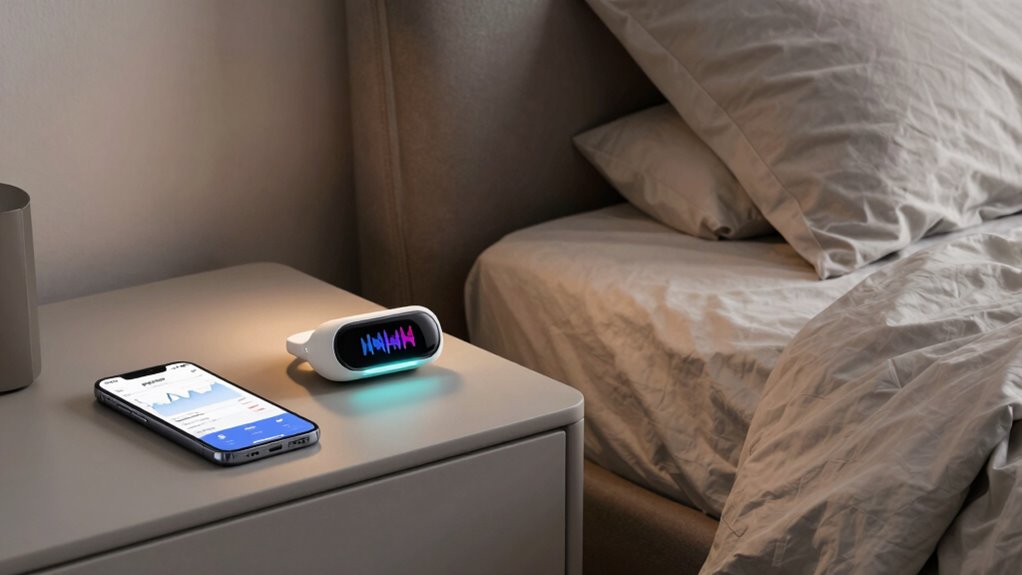
Smart sleep trackers can offer helpful insights into your sleep patterns and help identify issues to improve rest. However, they can also cause anxiety if you obsess over minor fluctuations or misinterpret the data. To get the benefits without stress, use them wisely and recognize when they’re causing more harm than good. If you want to learn how to find a healthy balance, keep exploring these tips and strategies.

Turn the school run and nap time into listening time
- Thousands of audiobooks, podcasts and originals
- Listen on your phone, tablet or Echo — also offline
- Cancel anytime
Key Takeaways
- Sleep trackers provide valuable insights into sleep patterns, helping improve sleep quality when used appropriately.
- Over-monitoring or misinterpreting data can increase sleep-related anxiety and stress.
- Device accuracy varies; reliance without professional guidance may lead to false perceptions of sleep health.
- Using trackers as a general guide rather than a strict measure reduces potential anxiety.
- Recognizing when to stop tracking helps prevent obsessive behaviors and maintains healthy sleep habits.
Products Worth Considering

Nanit Smart Baby Video Monitor with Camera and Wall Mount, 1080p Wi-Fi

Owlet Dream Sock Smart Baby Monitor

Owlet Dream Duo Gen 1 Smart Baby Monitor with Dream Sock Plus and Cam 2
As an affiliate, we earn on qualifying purchases.
What Are Sleep Trackers and How Do They Work?
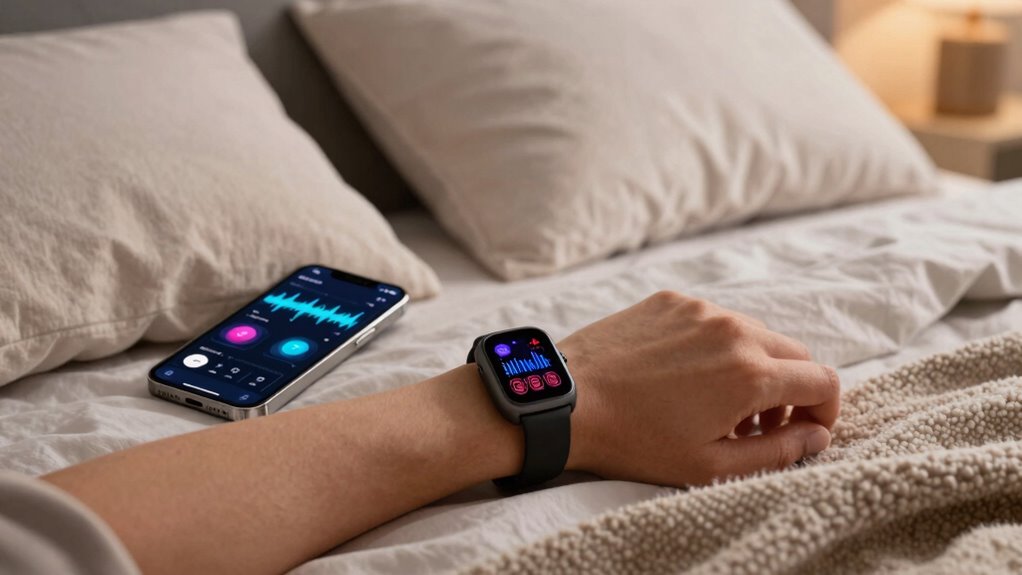
Have you ever wondered how sleep trackers monitor your sleep patterns? These devices use sensors to gather data about your nightly rest. Most trackers employ accelerometers to detect movement, helping to analyze your sleep duration and stages. Some also incorporate heart rate monitors to assess sleep quality more accurately. By tracking your movements and physiological signals, sleep trackers identify periods of deep sleep, light sleep, and REM sleep. Additionally, the algorithms they utilize can be compared to performance enhancement techniques, providing a more nuanced understanding of your sleep cycles. The data they collect is then processed through algorithms that interpret your sleep patterns over time. This information can offer insights into your overall sleep quality, revealing patterns or disruptions. Regular use of sleep trackers can also help you recognize sleep disturbances and make targeted lifestyle changes. While they don’t diagnose sleep disorders, these trackers provide a helpful overview of your sleep habits, encouraging you to make informed adjustments for better rest. Understanding the role of contrast ratio in visual clarity can further enhance your experience when reviewing sleep data visuals or home viewing environments.
Furthermore, the accuracy of the collected data can be influenced by factors such as sensor placement, which impacts how well the device can detect subtle movements and physiological signals.
Should You Use a Sleep Tracker? Factors to Consider
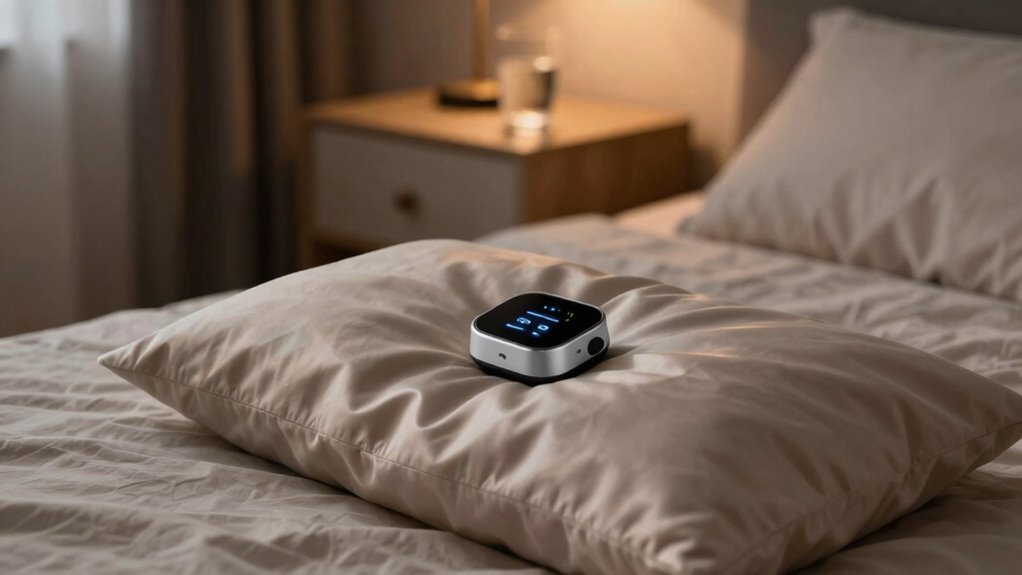
Deciding whether to use a sleep tracker depends on your personal goals and your understanding of sleep health. If you’re seeking to improve sleep quality or identify patterns, a tracker can provide useful insights. However, consider the data accuracy; not all devices are equally reliable, and some may overestimate or underestimate sleep stages. Think about how you’ll interpret the data—if you’re prone to anxiety, constant monitoring might cause stress rather than help. Also, assess if you’re ready to act on the information provided. Sleep trackers can be helpful tools, but they aren’t perfect. Weigh your motivation, comfort level with the data, and the device’s accuracy before making a decision. This way, you’ll choose a method that genuinely supports your sleep goals. Additionally, understanding the role of sleep tracking technology can help you make more informed choices about its use. Recognizing the limitations of sleep data can prevent misinterpretations that may lead to unnecessary worry. Being aware of personal sleep patterns can also help determine whether tracking will be beneficial or counterproductive. Moreover, staying informed about how Glycolic Acid benefits for skin work can enhance your skincare routine to support overall well-being. Incorporating knowledge about sleep hygiene practices can further improve your sleep quality beyond just tracking.
Benefits of Using Sleep Trackers for Better Rest
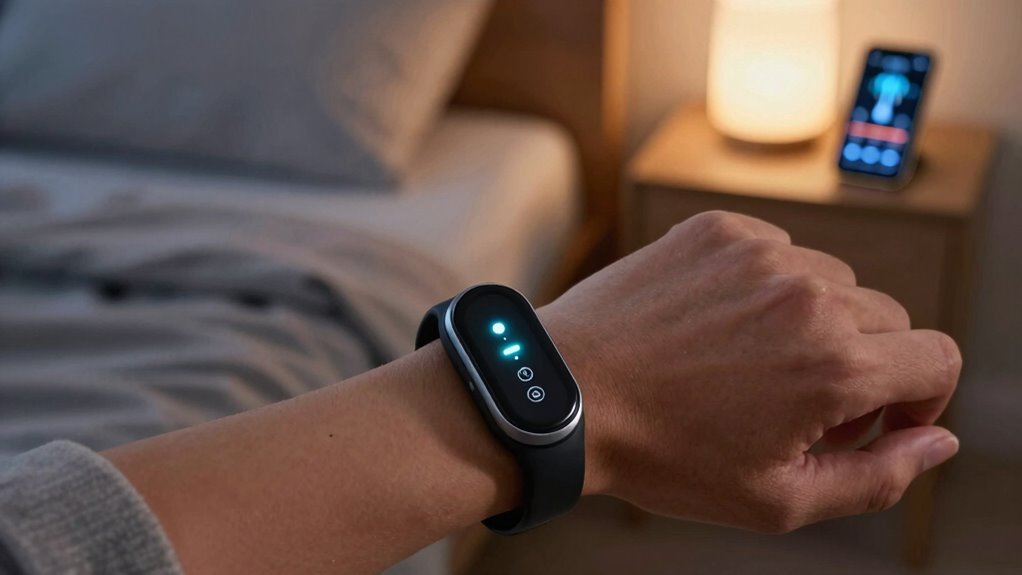
Using sleep trackers gives you accurate data on your sleep patterns, helping you identify areas for improvement. They provide personalized insights that make it easier to develop healthier habits. Plus, seeing your progress can motivate you to prioritize better rest every night. Incorporating effective soundproofing techniques can further enhance your sleep environment by reducing noise disruptions. Additionally, selecting the right hot rollers can help you achieve natural-looking curls for a more relaxed morning routine. Understanding the benefits of sleep tracking can empower you to make informed adjustments for optimal rest.
Accurate Sleep Monitoring
Accurate sleep monitoring allows you to understand exactly how well you’re resting each night, providing valuable insights that can lead to better sleep habits. With reliable device accuracy, you can track key aspects like sleep quality, helping you identify patterns and issues. Here are three ways precise monitoring benefits you:
- Pinpoint disruptions that affect your rest.
- Adjust routines based on reliable data.
- Recognize improvements over time with consistent tracking.
Additionally, properly understanding your sleep patterns can help you implement essential DIY tools safely and effectively to enhance your sleep environment, and being aware of local laws and regulations can ensure your sleep monitoring practices remain compliant with privacy standards. Incorporating accurate sleep data can also assist in identifying underlying health concerns early, enabling timely intervention and better overall well-being.
Personalized Sleep Insights
Personalized sleep insights empower you to understand your unique sleep patterns and make targeted improvements. By analyzing your data, sleep trackers reveal how factors like sleep quality fluctuate and identify patterns that affect your rest. This tailored information helps you adjust routines for better sleep hygiene and overall well-being. Additionally, understanding the importance of routine checkups can help maintain overall health, which indirectly supports better sleep patterns. Regular health assessments can uncover underlying issues affecting sleep quality. It is also crucial to consider how data privacy concerns may impact your willingness to use these devices effectively. Since many sleep trackers utilize cookies and data collection to enhance functionality, being aware of how your information is used is essential. The table below highlights key aspects of personalized insights:
| Benefit | How It Helps | Privacy Considerations |
|---|---|---|
| Improved sleep quality | Targets areas needing change | Ensure secure data storage |
| Custom recommendations | Creates effective sleep routines | Review privacy policies |
| Greater awareness | Recognizes patterns early | Control data sharing |
Motivation for Better Rest
Sleep trackers motivate you to prioritize better rest by providing clear, actionable insights into your sleep habits. They encourage you to improve sleep hygiene and explore dream analysis to enhance your overall well-being. Here are three ways they boost your motivation:
- Track progress over time, helping you see how changes impact your sleep quality.
- Identify patterns and disruptions, enabling targeted adjustments like bedtime routines.
- Encourage mindful sleep habits, inspiring you to develop consistent sleep schedules for better rest.
Are Sleep Trackers Causing Anxiety or Stress? Risks to Know
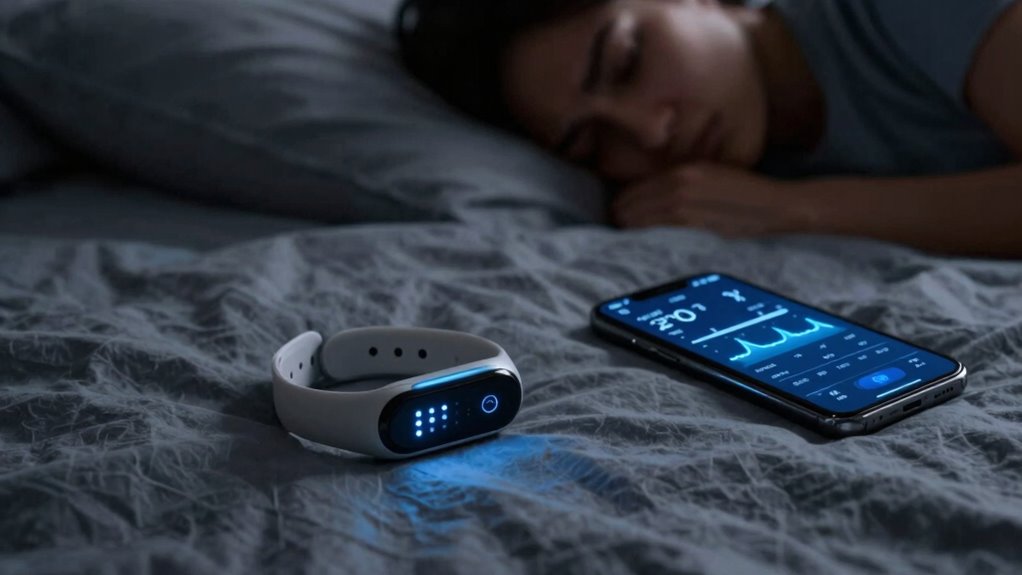
While sleep trackers can provide valuable insights, they can also inadvertently cause anxiety or stress for some users. Monitoring sleep patterns constantly might lead to increased sleep anxiety, making you overly focused on perfect sleep. This fixation can sometimes overshadow the importance of self-awareness and listening to your body’s natural cues. Additionally, the reliance on sleep data can diminish your confidence in your own perceptions of rest and recovery. The pressure to improve sleep based on tracker feedback can worsen stress, especially if results are inconsistent. To illustrate, consider this:
| Benefit of Tracking | Potential Risk |
|---|---|
| Better sleep habits | Increased sleep anxiety |
| Personalized insights | Technological dependence |
| Motivation to improve | Stress over data accuracy |
| Awareness of patterns | Feeling overwhelmed or distressed |
Furthermore, some users may experience technological dependence, trusting the device more than their own intuition about sleep quality.
How to Find the Right Sleep Tracker for Your Needs
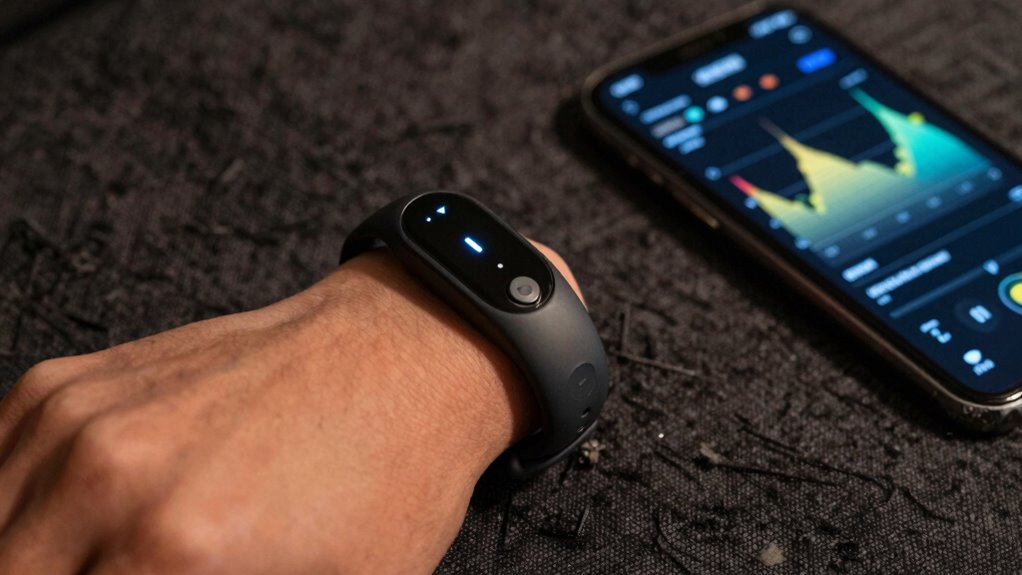
Choosing the right sleep tracker means considering how well it connects with your devices and fits into your routine. Think about the key features you need, like heart rate monitoring or sleep stage analysis, to guarantee it meets your goals. Don’t forget to balance your budget with the value the tracker offers to find the best fit for you.
Compatibility and Connectivity
To guarantee your sleep tracker integrates seamlessly into your daily routine, it is vital to evaluate its compatibility and connectivity options. First, consider device compatibility—ensure the tracker works with your smartphone or tablet’s operating system, whether iOS or Android. Second, check app connectivity; verify that the app syncs smoothly and updates in real time, providing reliable data. Third, assess whether the device supports Bluetooth or Wi-Fi connections, enabling effortless pairing and data transfer. Keep in mind, seamless compatibility reduces frustration and guarantees you get accurate insights without hassle. By focusing on these factors, you’ll find a tracker that fits effortlessly into your tech ecosystem, making sleep tracking a helpful tool rather than an inconvenience.
Key Features to Consider
What are the most important features to look for in a sleep tracker? First, consider how it supports your sleep hygiene by accurately monitoring your sleep stages, duration, and quality. Look for devices that offer insights into habits that affect your rest, helping you make better choices. Noise disturbances are also key—choose a tracker with features that detect environmental sounds or integrate with noise-masking apps if noise disrupts your sleep. A comfortable, non-intrusive design ensures you wear it comfortably all night. Additionally, check for reliable syncing capabilities and user-friendly apps that make reviewing data straightforward. By focusing on these features, you can find a sleep tracker that genuinely enhances your sleep routine without causing unnecessary stress or false alarms.
Budget and Value
Finding a sleep tracker that fits your budget doesn’t mean sacrificing quality or key features. To get the best value, start with a thorough cost comparison to identify options within your price range. Consider these steps:
- Research brand reputation—reliable brands often deliver better accuracy and customer support.
- Evaluate core features—ensure essential functions like sleep tracking and insights are included without paying for extras you don’t need.
- Read reviews and user feedback—real user experiences can reveal if a budget model performs well over time.
Balancing cost and value helps you avoid overspending on flashy features or sacrificing accuracy for savings. By focusing on reputable brands and essential features, you’ll find a sleep tracker that offers the best bang for your buck.
Is Your Sleep Data Helping or Hurting Your Sleep? Signs to Watch
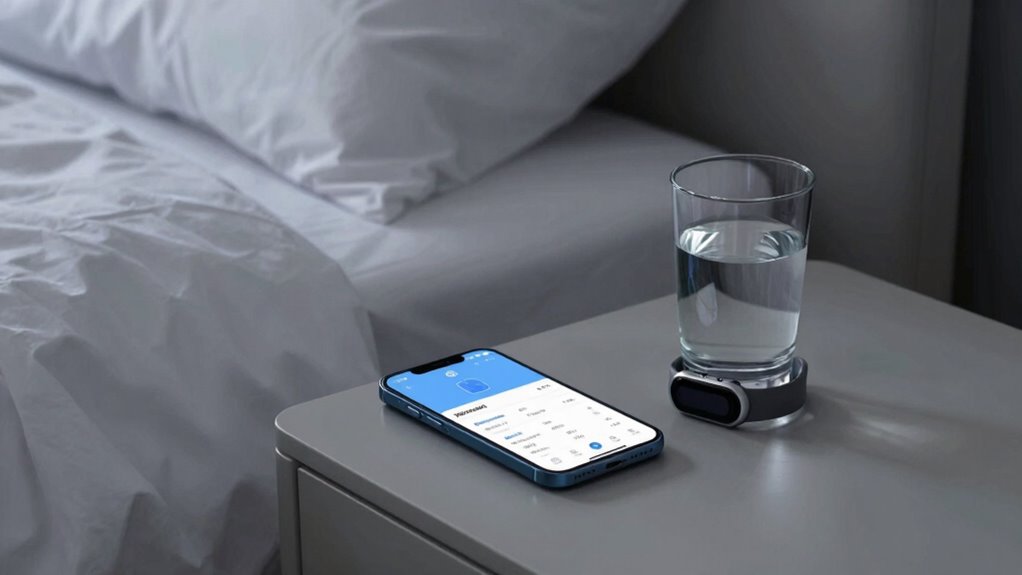
While sleep trackers can provide valuable insights into your nightly rest, they can also do more harm than good if you’re not careful. If you obsess over sleep quality or question data accuracy, you might feel anxious or frustrated. Signs to watch include feeling worse after reviewing your data, obsessing over minor fluctuations, or believing that sleep trackers are infallible. These reactions can distort your perception of sleep and increase stress, making it harder to rest. Use the data as a guide, not a diagnosis. Remember, sleep quality varies nightly. Here’s a quick look:
| Sign | Impact |
|---|---|
| Feeling anxious about data | Interferes with natural sleep patterns |
| Fixating on minor changes | Causes unnecessary worry |
| Distrust in data accuracy | Leads to false perceptions of sleep quality |
| Overanalyzing sleep patterns | Increases stress and sleep disruption |
| Ignoring overall well-being | Neglects holistic health, affecting sleep quality |
How to Use Sleep Trackers Without Increasing Stress
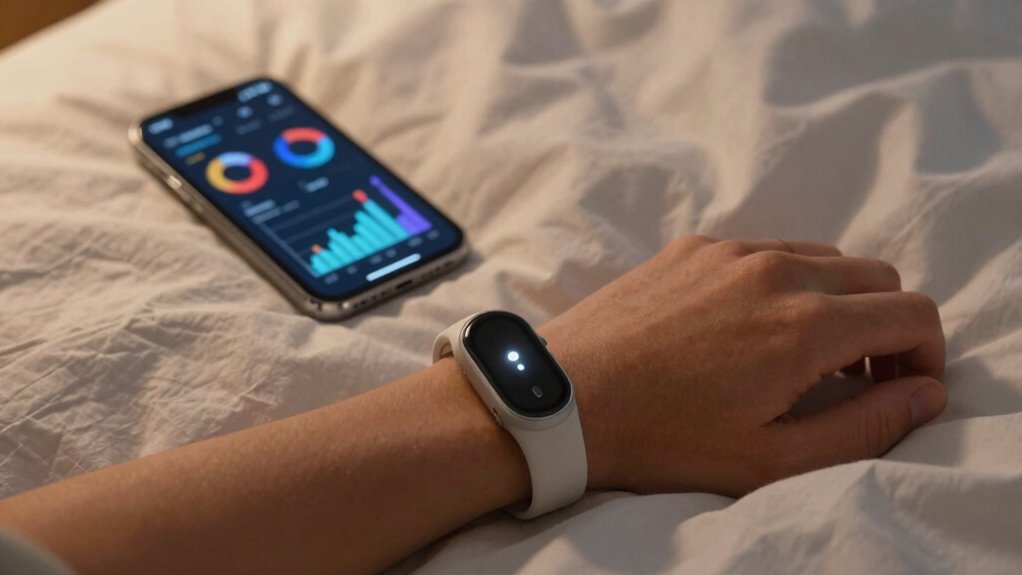
Using sleep trackers effectively means setting boundaries to prevent data from causing unnecessary stress. To do this, focus on maintaining good sleep hygiene by avoiding screens before bed, sticking to a consistent sleep schedule, and creating a calming environment. Second, limit your data review to once a week, so you don’t obsess over minor fluctuations. Third, use insights for gentle improvements rather than rigid rules—like adjusting your bedtime or practicing relaxation techniques. Remember, sleep trackers can offer valuable details, such as dream analysis or sleep patterns, but overanalyzing can increase anxiety. Keep a balanced perspective, focusing on overall trends rather than daily numbers, and prioritize restful sleep over perfect data. This way, your sleep tracker remains a helpful tool, not a source of stress.
When Should You Stop Relying on Sleep Data? Recognizing the Signs
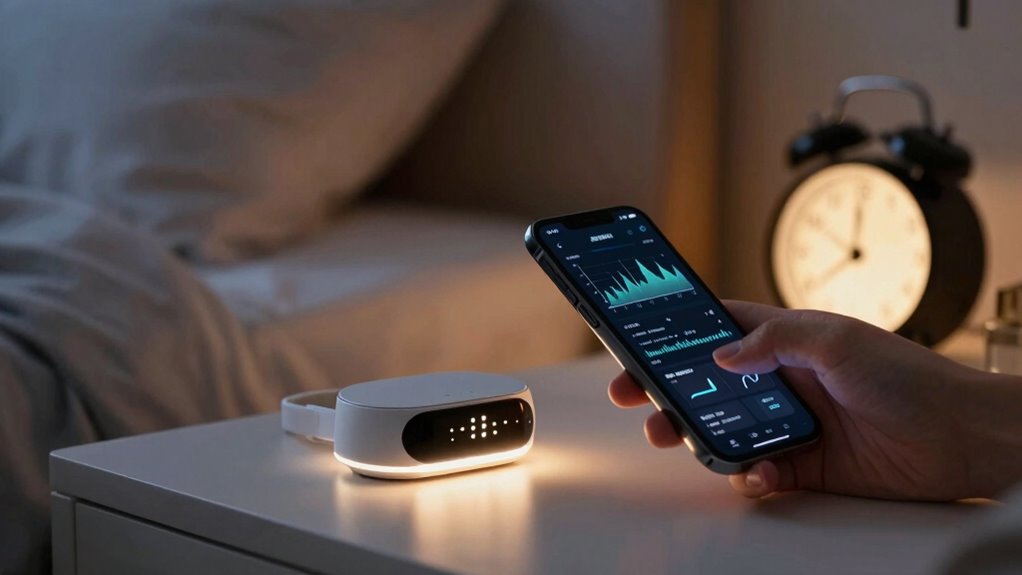
Recognizing when to stop relying on sleep data is essential for maintaining a healthy balance between awareness and anxiety. If tracking causes you to obsess over every score or worsens your sleep deprivation, it’s time to step back. Signs include feeling anxious before bed, obsessing over perfect sleep, or noticing your sleep quality worsening despite data. Here’s a visual to help:
| Data obsession signs | When to contemplate stopping |
|---|---|
| Constantly checking stats | Trust your body’s signals |
| Anxiety about sleep scores | Focus on overall well-being |
| Sleep deprivation worsening | Seek professional advice |
| Feeling stressed or overwhelmed | Limit tracker use |
| Ignoring actual sleep cues | Rely on how you feel overall |
If these signs appear, it’s time to prioritize your mental and physical health over the numbers.
Do Sleep Trackers Replace Professional Sleep Assessments?
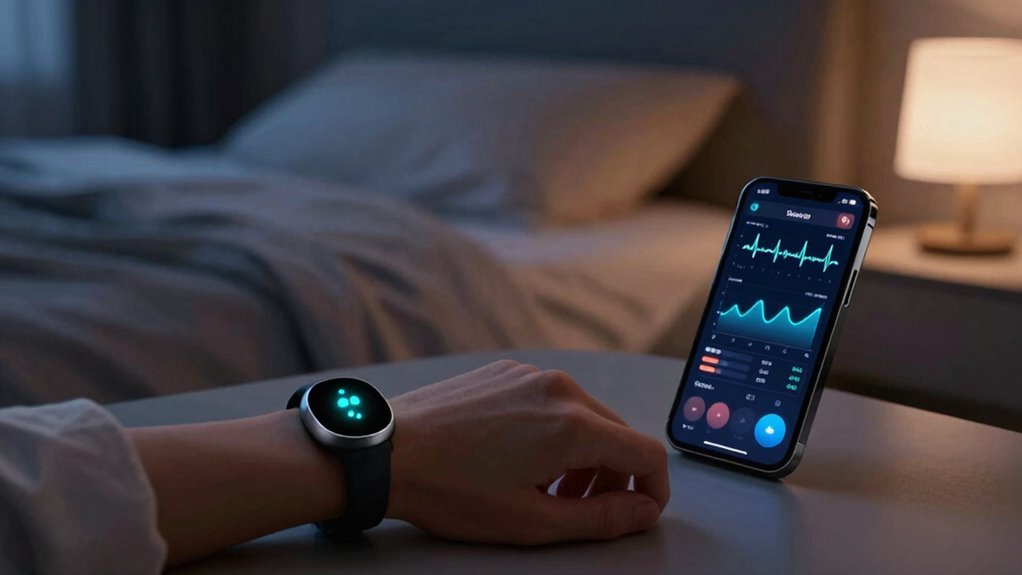
Sleep trackers can provide useful insights into your sleep habits, but they don’t replace the expertise of a healthcare professional. While they can help you monitor sleep quality and sleep duration, they can’t diagnose underlying issues or offer tailored advice. Here’s why professional assessments remain essential:
- Accurate diagnosis of sleep disorders like apnea or insomnia.
- Holistic analysis beyond basic sleep data.
- Personalized treatment plans based on medical evaluations.
Wearables offer helpful trends, but they lack the nuance and depth of clinical assessments. If you notice persistent sleep problems or suspect a disorder, consulting a sleep specialist is your best bet. Relying solely on a sleep tracker could lead to misinterpretation or overlooked health issues. Remember, these devices are tools, not substitutes for professional advice, especially when it comes to improving sleep quality and ensuring your sleep duration aligns with your health needs.
Frequently Asked Questions
Can Sleep Trackers Accurately Measure Sleep Quality for Everyone?
Sleep trackers can provide useful insights, but their sleep accuracy varies for everyone. You might find that device consistency helps improve your data’s reliability, yet individual differences in sleep patterns can impact accuracy. Keep in mind that while these devices are helpful, they might not perfectly measure your sleep quality every night. Use the data as a guide, but don’t rely solely on it for evaluating your overall sleep health.
How Do Sleep Trackers Handle Irregular Sleep Schedules?
Sleep trackers often pretend to handle irregular sleep patterns well, but in reality, they struggle with sleep consistency. They get confused by irregular patterns, giving you overly optimistic or pessimistic data. If your schedule varies wildly, these devices may misinterpret your sleep quality, leaving you anxious or misinformed. So, don’t rely on them to perfectly track inconsistent sleep—you’ll just end up more confused about your rest.
Are There Privacy Concerns With Sharing Sleep Data?
You should be aware of sleep data privacy risks when sharing your sleep data. While many devices encrypt your information, data sharing risks still exist if companies sell or share your data with third parties. Always review privacy policies and adjust your settings to control who accesses your sleep data. Protecting your sleep data privacy helps prevent misuse or unauthorized access, giving you peace of mind about your personal health information.
Do Sleep Trackers Account for Different Sleep Disorders?
Sleep trackers do consider different sleep disorders through sleep disorder detection features, but their accuracy varies. They analyze patterns to identify potential issues like sleep apnea or restless leg syndrome. While they provide personalized sleep insights, you shouldn’t rely solely on them for diagnosis. Use these insights as a starting point and consult a healthcare professional for extensive evaluation and treatment if needed.
How Reliable Are Sleep Tracker Recommendations for Improving Sleep?
Sleep tracker recommendations can be helpful, but their reliability varies. You should consider that personalized advice depends on data accuracy, which isn’t always perfect. While many trackers offer useful insights, they might not account for your unique sleep patterns or disorders. Use the suggestions as a general guide, but don’t rely solely on them. Combining tracker data with professional advice guarantees you get the most effective strategies to improve your sleep.
Conclusion
Ultimately, sleep trackers are like double-edged swords—offering valuable insights but also casting shadows of doubt. If you wield them wisely, they can guide you towards restful nights and healthier habits. But if they become your sleep thief, fueling anxiety and chaos, it’s time to step back and listen to your body’s quiet whispers. Trust your instincts—sometimes, the best sleep advice is found beyond the glowing screen, nestled in peaceful silence.