
As parents, we've all been there – the panic when our newborn just can't seem to go. The frustration mounts, and you find yourself searching for answers.

Get baby and family essentials delivered free — and shop member deals
- Fast, free delivery on millions of items
- Access to Prime Big Deal Days deals on October 6–7
- Prime Video, Amazon Music and more included
In our guide, we uncover the secrets to understanding and addressing constipation in your little one. From common causes to simple remedies, we have you covered.
But what happens when these don't work? Stay tuned to discover the important steps you need to take when your baby's bowel movements hit a roadblock.
Key Takeaways
- Monitor stool output and consistency for signs of constipation.
- Try gentle remedies like warm baths and tummy massages.
- Seek medical help if constipation persists or worsens.
- Prevent constipation by ensuring hydration and breastfeeding benefits.
baby constipation relief remedies
As an affiliate, we earn on qualifying purchases.
As an affiliate, we earn on qualifying purchases.
Common Causes of Newborn Constipation
Switching from breast milk to formula can often be a common cause of constipation in newborns. This change can sometimes disrupt the delicate balance in a baby's digestive system, leading to difficulty in passing stools. Additionally, changing formula brands or types may further contribute to constipation issues. It's important to think about other factors such as illness or medication, as they can also play a role in causing constipation in newborn babies. Genetic factors are another aspect to keep in mind when addressing infant constipation.
When faced with a constipated newborn, consulting a doctor is important for identifying the underlying cause and determining the most effective treatment plan. A healthcare provider can offer valuable guidance on managing constipation in babies, ensuring their comfort and well-being. By working closely with a doctor, parents can navigate the complexities of newborn constipation and provide the necessary support for their little one.
Signs of Newborn Constipation

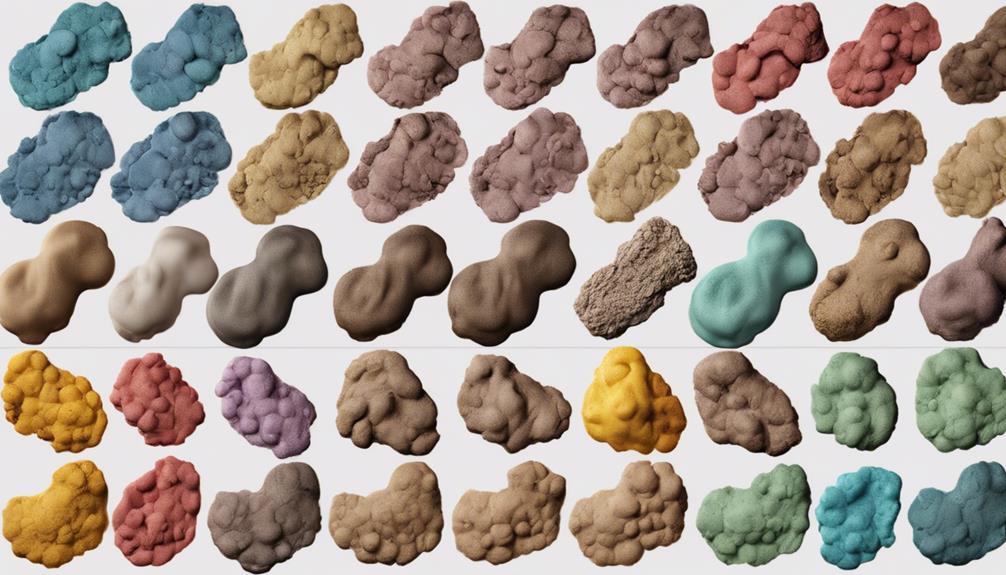
When observing a newborn for signs of constipation, it's important to pay close attention to their stool consistency and frequency. Signs of constipation in a baby may include hard, dry stool and less stool output than usual.
Watch for signs of straining during bowel movements, increased fussiness, and discomfort. Bloating and infrequent, difficult-to-pass stools are common indicators that your baby is constipated. Changes in feeding patterns, formula, or medication can also contribute to newborn constipation.
If you notice these signs, seeking advice from a doctor for guidance is vital. Additionally, gentle techniques like warm baths or leg movements can help alleviate your baby's discomfort and promote bowel movements.
Remedies for Newborn Constipation
After recognizing signs of constipation in a newborn, it's important to ponder gentle remedies that can help alleviate their discomfort and promote regular bowel movements. Here are some remedies to contemplate:
- Warm Baths: A soothing warm bath can help relax the baby's bowel muscles, making it easier for them to have a bowel movement.
- Bicycle Motion: Gently moving the baby's legs in a bicycle motion can stimulate bowel activity and provide relief from constipation.
- Clockwise Tummy Massages: Massaging the baby's tummy in a clockwise direction can aid in digestion and ease the discomfort associated with constipation.
- Avoid Laxatives: It's important to refrain from giving newborns laxatives without consulting a healthcare provider first, as they can have adverse effects.
- Monitor Fluid Intake: Ensuring the baby consumes an adequate amount of fluids, around 700 ml per day, can help soften stools and facilitate bowel movements.
These gentle remedies, when used appropriately, can assist in relieving constipation in newborns and promoting their overall well-being.
When to Seek Medical Help

Seeking prompt medical attention is vital if your newborn hasn't passed meconium within the first 48 hours after birth. Meconium is a baby's first stool, and its absence can indicate a potential issue that requires medical evaluation.
If your newborn continues to experience persistent constipation with no improvement in symptoms, it's important to seek medical help. Additionally, the presence of blood in your newborn's stool is a concerning sign that warrants immediate medical attention.
Keep an eye out for alarming symptoms such as weight loss, vomiting, or a swollen belly, as these may indicate a more serious underlying problem that requires a doctor's consultation.
When basic treatments for constipation in newborns prove ineffective, consulting a healthcare provider is essential for proper evaluation and management. Remember, your newborn's health and well-being are a top priority, so never hesitate to seek medical help when needed.
Tips for Preventing Constipation
To help your newborn avoid constipation, it's important to focus on maintaining their hydration levels and understanding the role of breast milk in promoting softer stools. Here are some tips to prevent constipation in your little one:
- Keep Them Hydrated: Make sure your newborn is getting enough fluids, whether through breast milk or formula, to help soften their stools.
- Breastfeeding Benefits: Breastfed babies often have softer stools due to the natural laxative properties of breast milk, so continue nursing on demand.
- Delay Solid Foods: Avoid introducing solid foods too early, as this can sometimes lead to constipation in newborns.
- Encourage Tummy Time: Regular tummy time and gentle leg movements can help stimulate bowel movements and prevent constipation.
- Consult Your Pediatrician: Before trying any home remedies or interventions, always consult with your pediatrician to ensure the best care for your newborn's delicate tummy.
Frequently Asked Questions
How Do You Move a Baby to Help Them Poop?
We gently move our baby's legs in a bicycle motion and give a warm bath to help stimulate bowel movement. Using a clockwise tummy massage aids digestion. Avoiding laxatives without consulting a healthcare provider is essential for our baby's well-being.
How Long Can a Newborn Go Without Pooping?
I comprehend the worry, but newborns can go up to a week without pooping and still be okay. Changes in formula or diet might affect this. It's common and doesn't always indicate a problem.
What if My Newborn Is Pushing No Poop?
If our newborn is pushing but not pooping, we should gently massage or move their legs to help with digestion. If this persists, seeking advice from a healthcare provider is crucial to make sure no underlying issues exist.
How Do I Stretch My Baby to Poop?
We gently help our baby poop by doing leg exercises, like bicycling, or massaging their belly clockwise to aid digestion. A warm bath relaxes them, making it easier to pass stool. Always consult a healthcare provider before giving laxatives.
Conclusion
As parents, it's distressing when our newborns struggle with constipation. Remember, like a river flowing freely, your baby's digestive system should work smoothly.
With the right knowledge and support, you can help your little one find relief and comfort. Trust your instincts, follow the steps outlined in the guide, and don't hesitate to seek help if needed.
Your baby's health and well-being are worth every effort. Stay strong, you've got this!
Halloween Picks
halloween
As an affiliate, we earn on qualifying purchases.