
TL;DR

Turn the school run and nap time into listening time
- Thousands of audiobooks, podcasts and originals
- Listen on your phone, tablet or Echo — also offline
- Cancel anytime
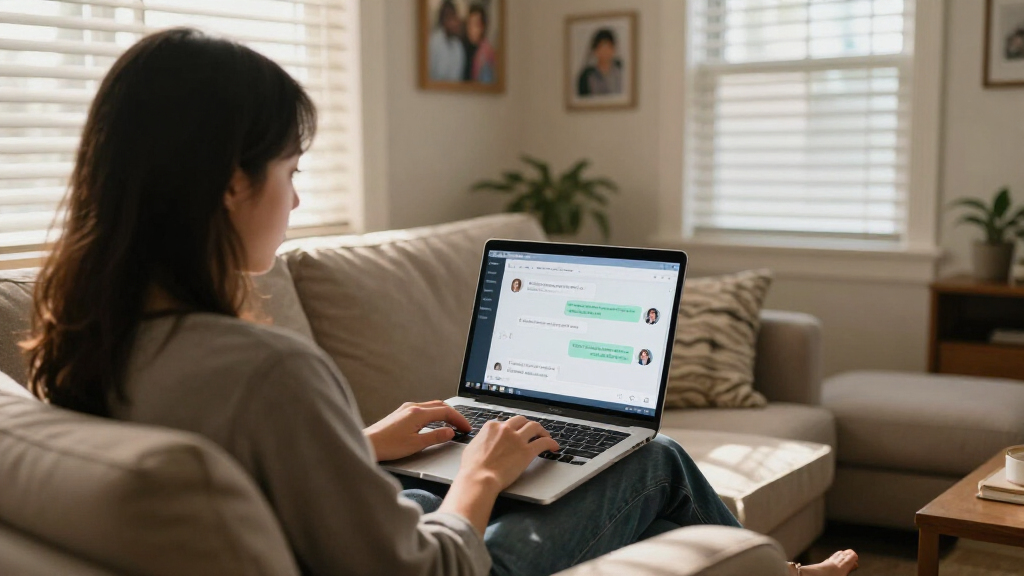
OpenAI CEO Sam Altman made a viral statement claiming ChatGPT can help parents understand their children better. The comment has generated significant online attention and debate about AI’s role in parenting. The claim remains unverified by scientific or expert consensus.
OpenAI CEO Sam Altman went viral after suggesting that ChatGPT can help parents better understand their children, sparking widespread online discussion about AI’s role in parenting. The statement, made during a recent interview, has attracted both support and skepticism from the public and experts.
During a recent public appearance, Sam Altman claimed that ChatGPT could serve as a tool for parents to gain insights into their children’s thoughts and feelings. He stated, “If used correctly, ChatGPT can help parents understand what their kids are experiencing and thinking, even when they can’t express it fully.” This comment quickly circulated on social media, with many users sharing their reactions and opinions.
There is no scientific evidence or peer-reviewed research supporting the claim that ChatGPT can accurately interpret or understand individual children’s emotions or thoughts. Experts in child psychology and AI have emphasized that while AI can process language and provide general advice, it cannot replace professional assessment or truly understand complex human emotions.
OpenAI has not issued an official statement endorsing the use of ChatGPT for parenting purposes, and the company’s guidelines recommend responsible use of AI, especially in sensitive areas like child development and mental health.
Potential Impact of AI on Parenting Practices
This statement highlights the growing interest in AI tools as potential aides in parenting, but also raises concerns about overreliance on technology for understanding human emotions. If taken at face value, it could influence how parents seek advice and interpret their children’s behavior, though experts warn against replacing professional guidance with AI.
child development books for parents
As an affiliate, we earn on qualifying purchases.
As an affiliate, we earn on qualifying purchases.
Rise of AI-Assisted Parenting Discussions
Over recent years, AI tools like ChatGPT have been integrated into various aspects of daily life, including education, mental health support, and customer service. The idea of AI assisting with parenting is emerging, with some startups developing apps aimed at helping parents communicate better with their children. However, these tools are still in early stages and lack validation from scientific research. Altman’s comment appears to be a reflection of this trend, but it is not backed by formal studies or endorsements.
“While AI can offer general advice, it cannot replace the nuanced understanding a parent develops over time. Claims that ChatGPT can truly understand a child’s inner world are misleading.”
— Child psychologist Dr. Lisa Nguyen
Extent and Limitations of AI in Parenting
It is not yet clear whether Altman’s statement reflects a serious endorsement or a rhetorical exaggeration. There is no evidence that ChatGPT can reliably interpret children’s emotions or thoughts, and experts warn that AI’s understanding of human psychology remains limited. The actual capabilities of current AI tools in this context are still unproven and unverified.
Monitoring AI’s Role in Parenting and Regulation
In the coming months, experts and regulators may scrutinize the claims surrounding AI tools in parenting. OpenAI and other companies might develop guidelines or conduct studies to evaluate AI’s effectiveness and safety in this domain. Public debate is likely to continue about the ethical and practical implications of using AI to understand children.
Key Questions
Did Sam Altman provide scientific evidence for his claim?
No, Altman’s statement was a public comment and was not supported by scientific studies or peer-reviewed research.
Can ChatGPT currently understand children’s feelings?
There is no evidence that ChatGPT can accurately interpret or understand individual children’s emotions or thoughts. It processes language based on patterns, not human psychology.
Are there any risks in using AI for parenting advice?
Yes, overreliance on AI could lead to misinterpretations, privacy concerns, and the neglect of professional mental health support. Experts advise caution and responsible use.
Will this claim influence parenting practices?
The viral nature of the statement may lead some to experiment with AI tools for parenting, but experts caution that AI should complement, not replace, professional guidance and personal judgment.
What should parents do if they want to use AI tools?
Parents should use AI tools responsibly, be aware of their limitations, and consult qualified professionals for serious concerns about their children’s well-being.
Source: rss
Fall Picks
fall essentials
As an affiliate, we earn on qualifying purchases.