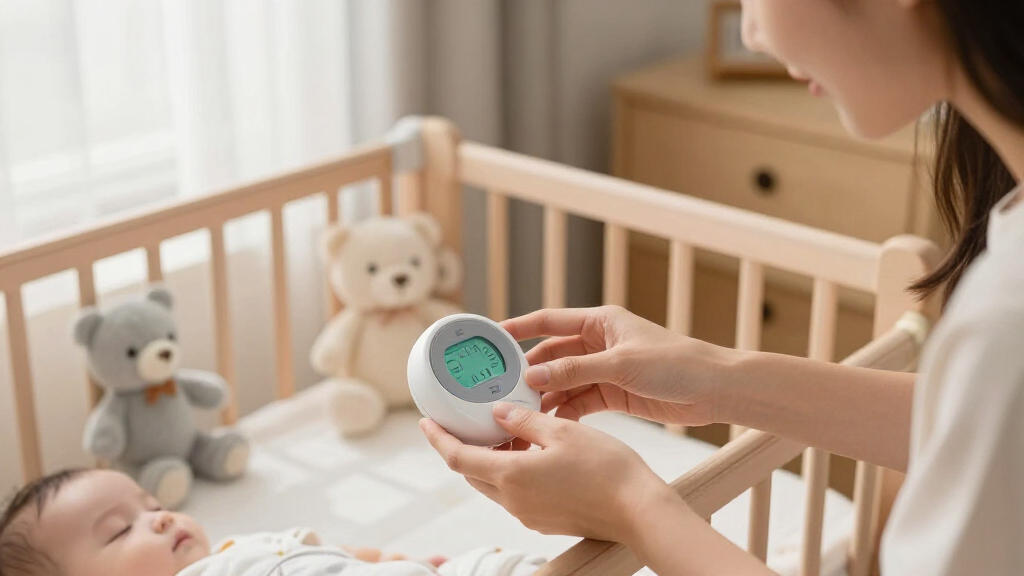

Shopping for baby sleep monitors in 2026 means choosing between three very different approaches: wearable vitals socks like the Owlet Dream Sock, smart Wi-Fi cameras like the Nanit Pro, and no-WiFi dedicated monitors like the bonoch MegaView that trade app features for hack-proof simplicity. The Owlet Dream Duo 3 stands out as my best overall pick because it’s the only option here that combines real-time heart rate tracking with a 2K camera in one system. For value, the HelloBaby HB6550 delivers reliable audio and video for a fraction of the price, while the Sense-U Pro covers movement and sleep position at a mid-range cost. The core tradeoff you’ll face is data-rich insight versus privacy and ease of use — socks and Wi-Fi cameras give you more information but demand more setup, subscriptions, and trust in the cloud. Read on for the full breakdown of all 15 monitors.
Prime for Young Adults — start your free trial
Fast free delivery, streaming and member deals for eligible 18–24 year olds.
Try it freeAs an affiliate, we earn on qualifying purchases.
Complete the kit


Key Takeaways
- The Owlet Dream Duo 3 earned the top spot because it’s the only pick that pairs medical-grade-style vitals tracking (heart rate, oxygen proxies via the Dream Sock) with a 2K camera — every other option forces you to choose one or the other.
- Dedicated no-WiFi monitors (bonoch, HelloBaby, GoodBaby, VTech) cost 60–80% less than smart systems and carry zero subscription or hacking risk, making them the smarter buy for parents who mainly want to see and hear their baby at night.
- Subscription costs are the hidden differentiator: Nanit‘s sleep analytics and Owlet‘s premium insights can add $100+ per year, meaning a $300 camera can cost more over three years than a $450 bundle with included features.
- The Sense-U options fill the budget wearables gap well, but the Sense-U Smart Sock Shoe 2 is limited to ages 1–12 months, while Sense-U Pro clips to any clothing and lasts longer — a distinction that changes the value math.
- Audio-only monitors like the VTech DECT 6.0 remain the best choice for nap-time vigilance in small homes, and none of the camera-based picks beat its 1000ft range or 8-hour battery.
| Owlet Dream Sock Smart Baby Monitor |  | Best Health Tracking Value | Tracks: Pulse rate and oxygen levels | Age Range: 1–18 months | Weight Range: 6–30 lbs | VIEW LATEST PRICE | See Our Full Breakdown |
| 1080P WiFi Baby Monitor with Camera and Audio, 4-Inch Screen, PTZ 360° |  | Best Budget Pan-and-Tilt Camera | Display: 4-inch IPS screen | Video Resolution: 1080p | Night Vision: Auto-IR, 5M range | VIEW LATEST PRICE | See Our Full Breakdown |
| Sense-U Smart Sock Shoe 2 Baby Monitor |  | Best Lightweight Sleep Tracker | Technology: Transmissive PPG sensing | Tracks: Heart rate and sleep patterns | Age Range: 1–12 months | VIEW LATEST PRICE | See Our Full Breakdown |
| Nanit Smart Baby Video Monitor – 1080p Wi-Fi Camera with Floor Stand |  | Best for Sleep Coaching | Resolution: 1080p HD | Connectivity: Wi-Fi | Setup Options: Floor stand or wall mount | VIEW LATEST PRICE | See Our Full Breakdown |
| Owlet Dream Duo 3 Smart Baby Monitor System, Dream Sock + 2K HD Camera |  | Best Premium All-in-One | Sleep Sock Tracking: Pulse oximetry for pulse and oxygen levels | Camera Resolution: 2K HD | Camera Lens: 130° wide-angle, 4x zoom | VIEW LATEST PRICE | See Our Full Breakdown |
| Sense-U Pro Baby Movement & Sleep Position Monitor |  | Best Budget Health Tracker | Monitoring Features: Abdominal movement, sleep position, temperature | Alerts: Vibration and audible alerts for movement and temperature issues | Battery Life: 7+ days | VIEW LATEST PRICE | See Our Full Breakdown |
| Owlet Dream Duo 3 Smart Baby Monitor System, Dream Sock + 2K HD Camera |  | Best Premium All-in-One | Sleep Sock Tracking: Pulse oximetry for pulse and oxygen levels | Camera Resolution: 2K HD | Camera Lens: 130-degree wide-angle with 4x zoom | VIEW LATEST PRICE | See Our Full Breakdown |
| HelloBaby No WiFi Baby Monitor Camera and Audio HB6550, 5″ Video Screen |  | Best Value Video Monitor | Display: 5-inch color screen | Pan and Tilt: 355° horizontal, 120° vertical | Zoom: 2X | VIEW LATEST PRICE | See Our Full Breakdown |
| Nanit Smart Baby Video Monitor System with Floor Stand & 8″ Display Screen |  | Best for Sleep Analytics | Display Screen: 8 inches | Video Resolution: 1080p HD | Battery Life: 3-6 hours | VIEW LATEST PRICE | See Our Full Breakdown |
| bonoch V2.0 MegaView 7″ 1080P Baby Monitor No WiFi, Hack Proof, White Noise |  | Best No-WiFi Picture Quality | Display Size: 7 inches | Resolution: 1080p HD | Night Vision: Auto night vision | VIEW LATEST PRICE | See Our Full Breakdown |
| WUUK Baby Smart Sock, Real-Time Sleep & Heart Rate Monitoring |  | Best Smart Sock for Travel | Technology: Transmissive PPG sensing | Battery Life: Up to 7 days | Size Range: 0-18 months | VIEW LATEST PRICE | See Our Full Breakdown |
| VTech Audio Baby Monitor — No Static DECT 6.0, No WiFi, Hack-Proof, 8-Hour Battery, Belt Clip, 1000ft Range, 5-Level Sound Indicator |  | Best Budget Pick | Technology: DECT 6.0 | Battery Life: 8 hours | Range: 1000 feet | VIEW LATEST PRICE | See Our Full Breakdown |
| Owlet Dream Sock Smart Baby Monitor |  | Best for Health Vitals | Compatibility: U.S. only | Battery Life: 16 hours | Connectivity: Bluetooth, 2.4 GHz Wi-Fi | VIEW LATEST PRICE | See Our Full Breakdown |
| GoodBaby 5-Inch Baby Monitor with Camera and Audio, No WiFi |  | Best No-WiFi Video Value | Display: 5-inch HD LCD | Range: 1,000 ft | Battery: 3500mAh rechargeable, up to 30 hours in VOX mode | VIEW LATEST PRICE | See Our Full Breakdown |
| Owlet Dream Sock Smart Baby Monitor |  | Best Ecosystem Pick for iOS and Android Households | Material: Nylon and Spandex | Battery Life: 16 hours | Connectivity: Bluetooth, 2.4 GHz Wi-Fi | VIEW LATEST PRICE | See Our Full Breakdown |
| baby sleep monitor | Connectivity | Battery Life |
|---|---|---|
| Owlet Dream Sock Smart Baby Mo | Bluetooth and 2.4 GHz Wi-Fi | 16 hours |
| 1080P WiFi Baby Monitor with C | 2.4 GHz Wi-Fi only | Up to 14 hours |
| Sense-U Smart Sock Shoe 2 Baby | — | — |
| Nanit Smart Baby Video Monitor | Wi-Fi | — |
| Owlet Dream Duo 3 Smart Baby M | Dual-band Wi-Fi (2.4 GHz and 5 GHz) | — |
| Sense-U Pro Baby Movement & Sl | Bluetooth Low Energy (BLE 4.0+) | 7+ days |
| Owlet Dream Duo 3 Smart Baby M | Dual-band Wi-Fi (2.4 GHz and 5 GHz) | — |
| HelloBaby No WiFi Baby Monitor | 2.4GHz FHSS, digital encryption | — |
| Nanit Smart Baby Video Monitor | WiFi, iOS/Android, Alexa, Google Home | 3-6 hours |
| bonoch V2.0 MegaView 7" 1080P | — | 12-22 hours |
| WUUK Baby Smart Sock | Offline monitoring, no Wi-Fi required | Up to 7 days |
| VTech Audio Baby Monitor | — | 8 hours |
| Owlet Dream Sock Smart Baby Mo | Bluetooth, 2.4 GHz Wi-Fi | 16 hours |
| GoodBaby 5-Inch Baby Monitor w | No WiFi, FHSS technology | — |
| Owlet Dream Sock Smart Baby Mo | Bluetooth, 2.4 GHz Wi-Fi | 16 hours |
More Details on Our Top Picks
Owlet Dream Sock Smart Baby Monitor
For parents whose main worry is vitals, not video, the Dream Sock delivers the core Owlet experience — real-time pulse rate and oxygen monitoring with instant alerts — without paying for a camera you may not want. Compared with the Owlet Dream Duo 3, you give up 2K video, environmental tracking, and dual-band Wi-Fi, but the sock’s tracking capability is essentially the same. That makes this the smarter buy if you already own a camera or prefer a dedicated video unit like the bonoch V2.0 MegaView. The tradeoffs are real: it only works on 2.4 GHz networks, it’s U.S.-only, and the 16-hour battery means the sock needs daily charging alongside your routine. Compared with the Sense-U Smart Sock Shoe 2, it covers a longer age range (1–18 months vs. 1–12) and adds oxygen tracking rather than heart rate alone.
Pros:- Real-time pulse rate and oxygen alerts straight to your phone
- Works for a long 1–18 month window
- 256-bit encryption keeps health data private
- 16-hour battery covers a full night plus naps
Cons:- U.S.-only compatibility limits resale and travel use
- 2.4 GHz Wi-Fi restriction can force router changes
- No video — you’re buying vitals alone at a premium price
Best for: Anxious first-time parents who want overnight pulse and oxygen alerts and already own or don’t need a video camera
Not ideal for: Anyone outside the U.S., or households running only 5 GHz Wi-Fi — the sock simply won’t connect
- Tracks:Pulse rate and oxygen levels
- Age Range:1–18 months
- Weight Range:6–30 lbs
- Battery Life:16 hours
- Connectivity:Bluetooth and 2.4 GHz Wi-Fi
- Data Security:256-bit encryption with elliptic curve authentication
- Availability:United States only
Our verdict“If vital-sign alerts are what keep you up at night, this is the most focused and least redundant way to get them.”
1080P WiFi Baby Monitor with Camera and Audio, 4-Inch Screen, PTZ 360°
This monitor earns its spot by solving a specific problem cheaply: full-room coverage without a premium price. The 340° pan and 68° wide view let you follow a rolling toddler from a corner placement, something fixed-lens cameras like the Nanit Smart Baby Monitor can’t match without repositioning. Unlike app-only Wi-Fi cams, the included 4-inch dedicated screen means you’re not draining your phone or fumbling with apps at 3 a.m., while the app option adds remote checking from work. Video is sharp 1080p with auto night vision out to 5 meters — perfectly adequate, though a step below the Owlet Dream Duo 3’s 2K feed. The compromises: 2.4 GHz-only Wi-Fi, a base unit tethered to power, and no included stand, so budget for mounting hardware. Compared with the HelloBaby HB6550, you trade hack-proof offline operation for app flexibility — a genuine privacy-versus-convenience decision.
Pros:- 340° pan covers the whole room from one corner
- Dedicated 4-inch screen plus smartphone app for dual control
- 1080p night vision visible up to 5 meters
- Two-way talk and temperature monitoring at a low price
Cons:- Wi-Fi dependency means potential hacking concerns versus offline monitors
- Base unit requires continuous power, limiting placement
- No stand included — mounting costs extra
Best for: Budget-conscious parents who want remote app access plus a dedicated screen and full room coverage on a modest spend
Not ideal for: Parents who want a fully portable parent unit — the base needs continuous wall power, and privacy-focused buyers may prefer a no-WiFi model
- Display:4-inch IPS screen
- Video Resolution:1080p
- Night Vision:Auto-IR, 5M range
- Pan/Tilt:340° pan, 68° wide view
- Connectivity:2.4 GHz Wi-Fi only
- Battery Life:Up to 14 hours
- Wireless Range:1000 ft
- Encryption:AES encrypted signal
Our verdict“The cheapest credible way to get pan-and-tilt coverage with both a screen and an app, as long as you accept the Wi-Fi tradeoff.”
Sense-U Smart Sock Shoe 2 Baby Monitor
The Sense-U Smart Sock Shoe 2 takes a different approach to wearable monitoring: instead of a sock that slips off kicky legs, it’s a soft fabric shoe that stays put, using transmissive PPG sensing for accurate heart rate and sleep-pattern data. Where the Owlet Dream Sock tracks oxygen as well, the Sense-U leans into sleep analytics — detailed breakdowns of rest quality that help you actually fix a bad nap schedule rather than just watch numbers. The on-device indicator lights and audible alerts are a thoughtful touch: unlike the Owlet, you get warnings even if your phone is in another room or the app hiccups. The tradeoffs are a shorter usable window (12 months vs. Owlet’s 18), full functionality only after app pairing, and no oxygen monitoring at all. Compared with the Sense-U Pro movement monitor, this model focuses on heart rate and sleep data rather than position and breathing movement alerts.
Pros:- Shoe design stays on active babies better than loose socks
- On-device lights and audible alerts work without the app
- Transmissive PPG sensing delivers reliable heart rate data
- Detailed sleep analytics help build better routines
Cons:- No oxygen tracking, unlike the Owlet Dream Sock
- Usable only from 1–12 months
- App pairing required to unlock full data
Best for: Parents focused on understanding and improving sleep patterns, who want a secure no-slip fit and alerts that don’t depend solely on their phone
Not ideal for: Parents specifically seeking oxygen-level monitoring — this tracks heart rate and sleep only — or anyone hoping to use it past 12 months
- Technology:Transmissive PPG sensing
- Tracks:Heart rate and sleep patterns
- Age Range:1–12 months
- Material:Soft, breathable fabric
- Alerts:On-device lights, audible alerts, app notifications
- Extras:Sleep analytics via app
Our verdict“Pick this over the Owlet if sleep insights matter more to you than oxygen numbers and you want a fit that won’t kick off.”
Nanit Smart Baby Video Monitor – 1080p Wi-Fi Camera with Floor Stand
Nanit is the pick that treats monitoring as a coaching tool, not just a window into the crib. Its AI-driven analytics track sleep duration, wake-ups, and even how parents respond overnight, then turn that into actionable guidance for building better routines — something no camera-and-screen pair like the bonoch V2.0 MegaView or GoodBaby 5-Inch can attempt. The included floor stand gives a clean overhead crib view without drilling holes, and multi-caregiver access with two-factor authentication makes it genuinely useful for households where grandparents or nannies share duties. The catch is the business model: the best insights and video history sit behind a subscription after the 3-month trial, which adds real cost over years of use. Compared with the Owlet Dream Duo 3, Nanit has no wearable vitals tracking — it’s purely camera-based — so it’s for sleep-training support rather than health reassurance.
Pros:- AI sleep insights turn raw footage into routine-building advice
- Floor stand and wall mount options fit any nursery layout
- Multi-user access with encryption and two-factor authentication
- Sharp 1080p HD streaming with infrared night vision
Cons:- Full functionality locked behind an ongoing subscription
- Completely Wi-Fi dependent — no offline mode
- No wearable health tracking unlike sock-based rivals
Best for: Sleep-focused parents actively sleep training, who want data-driven guidance and shared access for multiple caregivers
Not ideal for: Subscription-averse buyers — the advanced insights and video history cost extra after the trial — and anyone wanting vital-sign monitoring, since this is camera-only
- Resolution:1080p HD
- Connectivity:Wi-Fi
- Setup Options:Floor stand or wall mount
- Encryption:256-bit AES with two-factor authentication
- Features:Sleep tracking, AI insights, two-way audio, night vision
- Subscription:3 months Nanit Insights included
- Multi-User:Supported for multiple caregivers
Our verdict“If your goal is fixing sleep habits rather than monitoring vitals, Nanit’s coaching approach justifies its subscription — otherwise look elsewhere.”
Owlet Dream Duo 3 Smart Baby Monitor System, Dream Sock + 2K HD Camera
This is the ceiling of the category: wearable vitals tracking and high-end video in one system. The Dream Duo 3 pairs pulse-oximetry sock monitoring with a 2K HD camera, 130° wide-angle lens, and 4x zoom, plus room temperature and humidity sensing the standalone Dream Sock can’t offer. It also fixes one of the base Owlet’s annoyances with dual-band Wi-Fi that works on both 2.4 GHz and 5 GHz networks. Against the Nanit Smart Baby Monitor, you get actual health data rather than camera-only inference — but you give up Nanit’s coaching-style sleep guidance, and you avoid its subscription model. Compared with the 1080P WiFi monitor with 4-inch screen, the video is noticeably sharper, though you’ll rely entirely on the app with no dedicated parent screen. The honest tradeoffs: it’s the most expensive option here, U.S.-only, and needs a stable connection for the full experience to shine.
Pros:- Combines medical-grade pulse and oxygen tracking with 2K video in one system
- Dual-band Wi-Fi supports modern 5 GHz routers
- Room temperature and humidity alerts cover the nursery environment
- SGS cybersecurity certification backs the 256-bit encryption
Cons:- Highest price in the category by a wide margin
- App-only viewing — no standalone parent unit
- U.S.-only compatibility and reliant on stable Wi-Fi
Best for: Parents who want maximum reassurance — vitals plus crisp video plus environmental monitoring — and are willing to pay top dollar for it
Not ideal for: Budget-conscious families or anyone who wants a dedicated parent screen, since everything runs through the app; also unavailable outside the U.S.
- Sleep Sock Tracking:Pulse oximetry for pulse and oxygen levels
- Camera Resolution:2K HD
- Camera Lens:130° wide-angle, 4x zoom
- Connectivity:Dual-band Wi-Fi (2.4 GHz and 5 GHz)
- Security:256-bit encryption, SGS Cybersecurity Mark
- Monitoring Duration:Up to 18 months with the sock
- Environmental Tracking:Room temperature and humidity
- Availability:United States only
Our verdict“If money isn’t the constraint and you want every monitoring layer covered by one ecosystem, this is the system to buy.”
Sense-U Pro Baby Movement & Sleep Position Monitor
Parents who want physiological monitoring without the cost of an Owlet Dream Duo 3 will find the Sense-U Pro hits a sweet spot. Instead of pulse oximetry via a sock, this clip-on sensor tracks abdominal movement, sleep position, and temperature trends, then nudges with gentle vibrations and audible alerts. The 7+ day battery life easily outlasts sock-style trackers and makes it genuinely travel-friendly — no base station, no camera, no Wi-Fi. The tradeoff is scope: unlike the Owlet, there’s no video at all, and unlike the Nanit Smart Baby Monitor, no sleep analytics ecosystem beyond basic reports. It also leans on your phone’s Bluetooth connection, which can quietly drain battery overnight.
Pros:- Real-time alerts for abnormal movement, sleep position, and temperature
- Over a week of battery life per charge
- Lightweight clip-on design that travels well
- FSA/HSA eligible, softening the upfront cost
Cons:- Bluetooth dependency can drain your phone battery overnight
- Not a complete monitoring system — no video or audio
Best for: Budget-conscious parents and frequent travelers who want movement and temperature alerts without paying for video or a full smart-home system
Not ideal for: Parents who want video or vital-sign data like oxygen and heart rate — this covers movement and warmth only, and pairs with no camera
- Monitoring Features:Abdominal movement, sleep position, temperature
- Alerts:Vibration and audible alerts for movement and temperature issues
- Battery Life:7+ days
- Connectivity:Bluetooth Low Energy (BLE 4.0+)
- Design:Clip-on, lightweight, portable
- Payment:FSA/HSA eligible
Our verdict“This pick makes the most sense for families who prioritize wearable safety alerts on a budget and already own or don’t need a camera.”
Owlet Dream Duo 3 Smart Baby Monitor System, Dream Sock + 2K HD Camera
The Dream Duo 3 is the most complete package in this roundup, pairing the medical-grade Dream Sock — tracking pulse and oxygen via pulse oximetry — with a 2K HD camera that out-resolves the 1080p Nanit and the bonoch MegaView. Dual-band Wi-Fi, 256-bit encryption, and an SGS Cybersecurity Mark mean the data side is handled properly, and customizable alerts cover sound, movement, and room conditions. Compared with the Sense-U Pro, you’re paying a serious premium for vital-sign depth plus video in one ecosystem. The catch: everything routes through Wi-Fi, it’s a U.S.-only version, and the sock needs replacing as your baby grows — ongoing costs the clip-on Sense-U avoids.
Pros:- 2K HD video with 130-degree wide-angle lens and 4x zoom
- Pulse oximetry tracking for pulse and oxygen levels
- 256-bit encryption with SGS Cybersecurity certification
- Up to 18 months of usable Sleep Sock monitoring
Cons:- Full functionality depends on a stable Wi-Fi connection
- Sleep sock must be replaced or upgraded as baby grows
Best for: Parents who want vital-sign monitoring and high-resolution video in a single secure system and don’t mind paying for it
Not ideal for: International families or anyone on a tight budget — it’s U.S.-only and the sock adds replacement costs over time
- Sleep Sock Tracking:Pulse oximetry for pulse and oxygen levels
- Camera Resolution:2K HD
- Camera Lens:130-degree wide-angle with 4x zoom
- Connectivity:Dual-band Wi-Fi (2.4 GHz and 5 GHz)
- Security:256-bit encryption, SGS Cybersecurity Mark
- Monitoring Duration:Up to 18 months with Sleep Sock
- App Features:Custom notifications, room temperature and humidity tracking
Our verdict“If cost is secondary and you want the deepest health-plus-video picture of your baby’s sleep, this is the system to buy.”
HelloBaby No WiFi Baby Monitor Camera and Audio HB6550, 5″ Video Screen
For straightforward video monitoring at a low price, the HelloBaby HB6550 delivers where it counts. The 5-inch screen pairs with 355°/120° pan-tilt and infrared night vision, all over an encrypted FHSS connection that never touches the internet — a genuine privacy advantage over Wi-Fi models like the Nanit. Expandability to four cameras also makes it a strong pick for multi-child households on a budget. Compared with the bonoch MegaView, you give up screen size and resolution, but you pay noticeably less. The real limitation is range: without Wi-Fi, there’s no smartphone access, so checking on the baby means having the parent unit in hand, and there are no smart integrations or advanced sleep analytics.
Pros:- Secure non-WiFi FHSS connection with digital encryption
- Remote pan, tilt, and zoom for full room coverage
- Clear infrared night vision with invisible LEDs
- Expandable to 4 cameras for multiple rooms
Cons:- No smartphone or remote access beyond the parent unit’s range
- Basic feature set with no smart integrations or sleep tracking
Best for: First-time parents and multi-room households who want private, no-WiFi video monitoring at the lowest sensible price
Not ideal for: Parents who want to check in remotely from work or travel — the closed-circuit design means no phone access at all
- Display:5-inch color screen
- Pan and Tilt:355° horizontal, 120° vertical
- Zoom:2X
- Night Vision:Infrared, invisible LED
- Connectivity:2.4GHz FHSS, digital encryption
- Features:Two-way audio, room temperature monitor, lullabies, sound level LED, power saving mode, expandable to 4 cameras
Our verdict“This model is better suited to value-focused buyers who value privacy and simplicity over smart features.”
Nanit Smart Baby Video Monitor System with Floor Stand & 8″ Display Screen
Nanit stands out for what happens after the camera captures footage: automatic sleep tracking, milestone capture, and nightly insights that turn footage into actionable routine adjustments. The included 8-inch touchscreen display means you’re not chained to your phone, a flexibility the app-only Owlet Dream Duo 3 doesn’t offer, and the floor stand or wall mount gives flexible nursery placement. Temperature and humidity sensors round out environmental monitoring. But the costs stack up: a subscription is required even for initial camera setup, battery life sits at just 3–6 hours on the display, and the 1080p feed is a step below Owlet’s 2K camera. Setup can also frustrate less tech-comfortable parents compared with the plug-and-play HelloBaby.
Pros:- Advanced sleep insights with automatic tracking and milestone capture
- 8-inch touchscreen display plus app and smart-home access (Alexa, Google Home)
- Flexible floor stand or wall mount setup
- Built-in temperature and humidity sensors
Cons:- Subscription required even for initial camera setup
- Display battery life limited to 3–6 hours
- Setup process is more complex than non-WiFi alternatives
Best for: Data-driven parents who want deep sleep insights and milestone tracking alongside solid HD video
Not ideal for: Subscription-averse buyers or anyone wanting a simple setup — ongoing fees and multi-step configuration are real friction
- Display Screen:8 inches
- Video Resolution:1080p HD
- Battery Life:3-6 hours
- Connectivity:WiFi, iOS/Android, Alexa, Google Home
- Sensors:Temperature and humidity
- Setup Options:Floor stand or wall mount
- Subscription Required:Yes
Our verdict“Choose this if sleep science and long-term routine data matter more to you than avoiding subscription fees.”
bonoch V2.0 MegaView 7″ 1080P Baby Monitor No WiFi, Hack Proof, White Noise
The bonoch MegaView is the pick for parents who want the privacy of a closed system without sacrificing image quality. Its 7-inch 1080p display is the sharpest screen among the non-WiFi options here, clearly outclassing the HelloBaby HB6550’s smaller 5-inch panel, and 4x zoom plus 355°/115° pan-tilt covers large nurseries easily. Battery life is a standout too — up to 22 hours in VOX mode, comfortably beating the Nanit display’s 3–6 hours. The tradeoffs are quirks rather than flaws: it won’t pair with older V1.0 bonoch units, sound quality benefits from a manual firmware upgrade out of the box, and like all FHSS monitors there’s no remote phone viewing.
Pros:- 7-inch 1080p HD display with the clearest offline picture in this lineup
- No WiFi required — fully hack-proof closed connection
- Up to 22 hours of battery in VOX power-saving mode
- Built-in white noise plus 4x zoom and wide pan/tilt coverage
Cons:- Incompatible with older V1.0 bonoch monitors
- Manual firmware upgrade needed for best sound quality
- No WiFi streaming or remote phone access
Best for: Privacy-focused parents who want the biggest, sharpest offline screen and long battery life for overnight monitoring
Not ideal for: Owners of bonoch V1.0 gear hoping to add cameras, or parents who need remote smartphone check-ins
- Display Size:7 inches
- Resolution:1080p HD
- Night Vision:Auto night vision
- Battery Life:12-22 hours
- Camera Pan/Tilt:355°/115°
- Zoom:4x
- Connection:2.4GHz FHSS
- Compatibility:Units after May 15th, V2.0 only
Our verdict“This option stands out for families who prioritize screen size, battery endurance, and zero internet exposure over remote viewing.”
WUUK Baby Smart Sock, Real-Time Sleep & Heart Rate Monitoring
This option stands out for one thing the Owlet Dream Sock can’t match: offline operation with no Wi-Fi required. For families who spend weekends at grandparents’ houses or travel frequently, that means health-style monitoring without hunting for a network or worrying about connectivity drops. Compared with the Sense-U Smart Sock Shoe 2, the WUUK covers a longer window — 0 to 18 months versus 12 — and its up-to-7-day battery means charging weekly instead of daily. The tradeoff is depth: it tracks sleep and heart rate but stops short of the pulse-ox monitoring and encrypted app ecosystem Owlet built its reputation on, and spit-up or moisture resistance goes unaddressed. This pick makes the most sense for parents who want sock-based reassurance primarily away from home.
Pros:- Works fully offline with no Wi-Fi, ideal for travel and spotty connectivity
- Up to 7 days of battery life between charges
- Fits a long age range from birth through 18 months
- Soft, breathable fabric designed for delicate skin
Cons:- Requires the companion app for full functionality
- No oxygen-level monitoring despite the higher price territory of smart socks
- No stated water or spit-up resistance
Best for: Travel-heavy families who want sock-based sleep and heart rate tracking without depending on Wi-Fi
Not ideal for: Parents who want oxygen-level monitoring or a clinically established brand — this tracks fewer vitals than the Owlet Dream Sock
- Technology:Transmissive PPG sensing
- Battery Life:Up to 7 days
- Size Range:0-18 months
- Connectivity:Offline monitoring, no Wi-Fi required
Our verdict“Buy this if you’re frequently away from home and want low-maintenance sock monitoring; skip it if oxygen tracking is your priority.”
VTech Audio Baby Monitor — No Static DECT 6.0, No WiFi, Hack-Proof, 8-Hour Battery, Belt Clip, 1000ft Range, 5-Level Sound Indicator
Sometimes the right monitor is the simplest one. This VTech costs a fraction of a smart sock like the Owlet Dream Sock while doing the single job most sleep-deprived parents actually need at 3 a.m.: hearing the baby clearly. DECT 6.0 technology delivers static-free audio with zero app or Wi-Fi setup, which also makes it effectively unhackable — a genuine contrast to Wi-Fi cameras like the Nanit. The 5-level sound indicator lets you mute the speaker and still glance at lights to gauge whether the crying is escalating, and the belt clip plus 1000-foot range covers most homes. The obvious tradeoff: no video, no vitals, no sleep analytics. Compared with the GoodBaby 5-inch video monitor, you sacrifice eyes entirely in exchange for a much lower price and foolproof reliability.
Pros:- Crystal-clear DECT 6.0 audio with no static or interference
- No WiFi or app required — completely hack-proof and instantly set up
- 8-hour battery with belt clip for portability around the house
- 5-level sound indicator allows muted, visual-only monitoring
Cons:- Audio only — no video or health tracking whatsoever
- Requires AAA backup batteries
- No night vision or room temperature data
Best for: Budget-conscious parents or grandparents who want dependable, private audio monitoring without any app setup
Not ideal for: Anxious first-time parents who want to see or measure something — audio only offers no visual or health data
- Technology:DECT 6.0
- Battery Life:8 hours
- Range:1000 feet
- Sound Indicator Levels:5
- Belt Clip:Yes
- Backup Batteries:AAA included
Our verdict“The cheapest path to genuine peace of mind if sound is all you need; anyone wanting video or vitals should look elsewhere in this roundup.”
Owlet Dream Sock Smart Baby Monitor
The Dream Sock remains the reference point every other smart sock is measured against, and this version earns its spot through real-time pulse rate and oxygen monitoring with zone-based alerts. Unlike the WUUK Smart Sock, which tracks heart rate and sleep but skips blood oxygen, the Owlet watches both vitals and notifies you when readings drift outside preset ranges — the feature anxious parents are actually paying for. The fabric sock is genuinely comfortable for a 6–30 lb infant, the 16-hour battery comfortably covers nights, and 256-bit encryption addresses privacy better than most camera-based rivals like the 1080P WiFi monitor. The tradeoffs are real: it’s locked to 2.4 GHz Wi-Fi and U.S. use only, and it’s strictly a sock — you get no camera. Parents wanting visuals should step up to the Owlet Dream Duo 3 instead.
Pros:- Real-time pulse rate and oxygen level tracking with alerts
- Comfortable fabric sock suited to infants from 6 to 30 lbs
- 16-hour battery covers a full night on one charge
- 256-bit encryption and elliptic curve authentication protect health data
Cons:- Incompatible with 5 GHz Wi-Fi networks
- U.S.-only availability
- No camera — purely vitals-based monitoring
Best for: U.S.-based parents who prioritize overnight pulse and oxygen alerts over video footage
Not ideal for: International buyers or households on 5 GHz-only networks — the regional and Wi-Fi restrictions will block setup
- Compatibility:U.S. only
- Battery Life:16 hours
- Connectivity:Bluetooth, 2.4 GHz Wi-Fi
- Weight Range:6–30 lbs
- Age Range:1–18 months
- Security:256-bit encryption, elliptic curve authentication
Our verdict“The strongest choice for vital-sign peace of mind, provided you’re in the U.S. and don’t need video.”
GoodBaby 5-Inch Baby Monitor with Camera and Audio, No WiFi
For buyers who want to see their baby without inviting a camera onto the home network, this GoodBaby hits a sweet spot between the audio-only VTech and pricier Wi-Fi systems like the Nanit. The 5-inch HD screen with 355°/120° pan-tilt and 2x zoom lets you sweep the whole crib from bed, and FHSS closed-circuit connectivity means there’s nothing to hack and nothing to configure — a real advantage over app-dependent monitors when the internet goes down. Battery life is the standout: up to 30 hours in VOX mode, roughly triple the VTech’s runtime. You also get night vision, room temperature readings, eight lullabies, and a feeding timer. The catch is the flip side of no-WiFi: no smartphone access, so checking in from work or downstairs-on-WiFi isn’t possible, and the screen is smaller than the bonoch MegaView’s 7 inches.
Pros:- 5-inch HD display with 355°/120° remote pan-tilt and 2x zoom
- Up to 30 hours of battery in VOX mode
- No-WiFi FHSS connection keeps video off the internet and hack-proof
- Night vision, temperature sensor, 8 lullabies, and feeding timer included
Cons:- No smartphone or remote access outside the paired screen
- 5-inch screen is smaller than competing 7-inch models like the bonoch MegaView
- No smart sleep analytics or health tracking
Best for: Privacy-minded parents who want full video monitoring with remote pan-tilt and no app dependence
Not ideal for: Parents who want to check the nursery from their phone while away — the closed circuit blocks remote access entirely
- Display:5-inch HD LCD
- Range:1,000 ft
- Battery:3500mAh rechargeable, up to 30 hours in VOX mode
- Pan/Tilt:355°/120°
- Zoom:2x
- Night Vision:Yes
- Temperature Sensor:Yes
- Connectivity:No WiFi, FHSS technology
- Extras:8 lullabies, feeding timer
Our verdict“The best value for parents who want eyes on the crib with zero network exposure, as long as they never need remote viewing.”
Owlet Dream Sock Smart Baby Monitor
This Dream Sock listing is functionally the same monitor as its sibling above — same pulse and oxygen tracking, 16-hour battery, and 256-bit encryption — so the difference comes down to fit and framing rather than features. This version spells out nylon-spandex construction and full iOS/Android compatibility, which matters if your household mixes operating systems or you plan to hand monitoring duties between two phones. Compared with the WUUK Smart Sock, the Owlet’s fabric sock and mature app deliver a more polished long-term experience, though the WUUK still wins on battery (7 days vs. 16 hours) and offline travel use. Same restrictions apply: U.S. only, 2.4 GHz Wi-Fi only, and no camera in the box. If you find this listing cheaper than the other Dream Sock, it’s the smarter buy; if you want video too, the Owlet Dream Duo 3 bundles the sock with a 2K camera.
Pros:- Real-time pulse and oxygen monitoring with abnormal-reading alerts
- Works with both iOS and Android devices for shared parenting duty
- Comfortable nylon-spandex sock with 16-hour battery
- 256-bit encryption and elliptic curve authentication
Cons:- Not compatible with 5 GHz Wi-Fi networks
- Restricted to the U.S. region
- Requires Bluetooth and Wi-Fi setup, with no offline mode like the WUUK
Best for: Mixed iPhone/Android households buying into the Owlet app ecosystem for shared overnight monitoring
Not ideal for: Families outside the U.S. or on 5 GHz-only routers, or anyone expecting camera coverage — this is a sock-only system
- Material:Nylon and Spandex
- Battery Life:16 hours
- Connectivity:Bluetooth, 2.4 GHz Wi-Fi
- Compatibility:iOS and Android devices
- Age Range:1-18 months
- Weight Range:6-30 lbs
- Security:256-bit encryption, elliptic curve authentication
- Region:US only
Our verdict“Pick whichever Dream Sock listing is cheaper — this one suits multi-device households best, and pairs well with a Dream Duo upgrade later.”
How We Picked
I evaluated these 15 monitors against the criteria that actually affect nightly use: monitoring type and accuracy (vitals tracking, breathing/movement sensing, video, or audio only), privacy and connectivity (no-WiFi closed systems versus cloud-dependent apps), total cost of ownership including subscriptions and replacement wearables, ease of setup and daily operation at 3 a.m., and battery and range performance for overnight reliability. Each product was also judged on durability, mount flexibility, and how well its alerts actually distinguish real concerns from false alarms — a chronic pain point in this category.
The ranking reflects a deliberate hierarchy: hybrid systems that combine vitals data with video score highest because they answer the most parental anxiety with the fewest compromises. Mid-tier rankings go to single-purpose devices that execute one job exceptionally well, such as bonoch’s hack-proof display or Sense-U’s affordable movement tracking. Budget no-WiFi monitors rank highly for value but lower for insight, while audio-only units rank last for features yet win their niche on range and battery. Duplicate Owlet entries in the lineup represent different retail bundles and sizing options, and I’ve noted where a cheaper configuration of the same system makes more sense.
Factors to Consider When Choosing Baby Sleep Monitors
Before picking a specific model, it helps to understand the bigger decisions that shape satisfaction with any baby sleep monitor. These are the factors that most often cause regret — or prevent it.Vitals Tracking vs. Video vs. Audio: Know What Actually Reduces Your Anxiety
The most common mistake parents make is buying more monitor than their anxiety requires — or less. Wearable socks like the Owlet and WUUK measure heart rate and sleep patterns, which suits parents worried about breathing or health events, but they add charging routines and a sock your baby may kick off. Video monitors answer a different question: is the baby actually asleep, or just quiet? Audio-only units like the VTech work when you simply need to hear a cry from another room. Be honest about which scenario keeps you awake, because paying $400 for vitals data you never check is worse than a $90 audio monitor you trust. Also note that no consumer monitor is a medical device, and the FDA explicitly says these shouldn’t replace safe-sleep practices or medical supervision.
WiFi or No WiFi: The Privacy-and-Convenience Tradeoff
WiFi monitors such as the Nanit and the 1080P PTZ camera let you check in from work, share a live feed with grandparents, and get phone notifications anywhere. That convenience comes with real costs: your baby’s video passes through cloud servers, app quality becomes part of the product, and a router outage can take your monitor down mid-nap. Closed-system monitors like the bonoch, HelloBaby, and GoodBaby can’t be hacked remotely and never depend on your internet, but the parent unit is the only way to view the feed. Parents in homes with unreliable internet should almost always choose closed systems. If you travel frequently or split childcare across locations, WiFi’s remote access usually justifies the tradeoff.
Subscriptions and Hidden Costs Can Double the Price
The sticker price is rarely the full price. Nanit’s best sleep analytics sit behind a paid plan, Owlet charges for its deeper sleep insights, and wearable socks eventually need replacement fabric sensors as your baby grows — budget one to two sizes per year. A $300 smart camera with a $10 monthly subscription costs over $650 across three years, more than the top-ranked Owlet Dream Duo 3 bundle. My advice: decide upfront which features you’d genuinely pay for annually, and compare three-year totals rather than checkout prices. If you only want live video and sound, every subscription feature is optional overhead, and the no-WiFi picks carry zero recurring cost.
Battery, Range, and Overnight Reliability
A monitor that dies at 4 a.m. is worse than no monitor. Dedicated parent-unit monitors vary widely here: the VTech audio monitor leads with an 8-hour battery and 1000ft range, while some 5-inch video units drain in half that time, especially with the screen left on. Wearable socks introduce their own reliability question — the Owlet Dream Sock needs daily charging, and a dead sock means a night without vitals data. Check whether the parent unit supports VOX mode (screen sleeps until noise triggers it), which can double battery life overnight. For larger homes or yards, range matters more than resolution; a 2K feed that drops out two rooms away loses to a 720p feed that holds steady.
False Alarms and Alert Quality
The hidden failure mode of movement and vitals monitors is alarm fatigue. Cheap breathing sensors frequently trigger when a sock slips or a clip detaches, and parents who get three false alarms a week start ignoring all alarms — which defeats the purpose. Owlet and Sense-U have improved sensor fit over generations, but read placement instructions carefully and expect a learning week. On the video side, motion and sound sensitivity settings determine whether your phone buzzes for every sigh or only real cries. Before buying any alert-driven monitor, look at how alerts are delivered: ones that require opening an app are slower and easier to sleep through than a dedicated parent unit that shrieks.
Room Coverage, Mounting, and Growing Families
Camera geometry affects usefulness more than most parents expect. A fixed camera shows one corner of the crib; pan-tilt-zoom models like the 1080P WiFi PTZ let you sweep the whole nursery from the couch, which matters once a toddler roams the room. Floor stands like Nanit’s give a birds-eye view ideal for sleep coaching analytics, but they require safe cord management and open floor space. If you plan more children or want to monitor two rooms, check whether the system supports additional cameras or socks — several Owlet and Nanit bundles scale, while budget units often pair with only one camera. Buying a single-camera system when twins are on the way is a costly mistake.
Frequently Asked Questions
Is a smart sock like the Owlet or Sense-U actually necessary, or is a video monitor enough?
For most healthy, full-term babies, a good video or audio monitor is genuinely sufficient, and pediatric safe-sleep guidance (back sleeping, clear crib) does more for safety than any consumer sensor. Smart socks earn their price for specific situations: premature babies, babies with reflux or breathing concerns flagged by a pediatrician, or parents whose anxiety is severe enough that vitals data helps them sleep. The risk of skipping a sock is low for typical infants, but the risk of buying one includes alarm fatigue and false reassurance — these devices are not medical-grade and have missed events as well as invented them. My honest framing: buy the sock for peace of mind, not protection, and buy the camera for actual supervision.
Are WiFi baby monitors really vulnerable to hacking, and should that stop me from buying one?
Any internet-connected camera carries some risk, and there are well-documented cases of strangers accessing poorly secured baby monitor feeds, usually with reused or weak passwords. That said, mainstream brands like Nanit and Owlet use encrypted streams and two-factor authentication, and following basic hygiene — unique passwords, 2FA enabled, firmware updated — reduces the practical risk dramatically. The bigger everyday annoyance is reliability: WiFi monitors depend on your router, your internet provider, and the company’s app servers, any of which can fail during a nap. If the hacking worry would genuinely keep you up, the bonoch, HelloBaby, and GoodBaby closed systems eliminate it entirely at lower cost. Choose the no-WiFi route if privacy anxiety is part of why you’re buying a monitor in the first place.
Do I need to keep paying a subscription after buying a Nanit or Owlet?
Both companies gate their deeper analytics behind paid plans, but the core functions work without them — live video, basic sound and motion alerts, and real-time vitals readings on the Owlet sock don’t require a subscription. What you lose by not paying is mostly historical sleep data, sleep-coaching summaries, and video clip storage, which are nice-to-haves rather than essentials. If you’re drawn to Nanit specifically for its sleep analytics, though, factor the plan into the price or you’re buying a very expensive generic camera. A reasonable strategy is to buy without the subscription, use it for a month, and upgrade only if you find yourself wishing for the sleep reports. Budget around $5–15 monthly depending on the plan tier.
What’s the best budget option if I just want to see and hear my baby at night?
The HelloBaby HB6550 with its 5-inch screen is the strongest value in this lineup, typically selling for under $100 while offering night vision, two-way talk, and no internet dependency. The GoodBaby 5-inch monitor sits in the same tier and is worth grabbing if it’s cheaper at your buying moment, since the two are close competitors. If you don’t need video at all, the VTech audio monitor costs even less, runs 8 hours on battery, and covers 1000 feet — more range than any camera here. The main thing you give up at this price is insight: no sleep analytics, no vitals, and no remote viewing from outside the house. For straightforward nighttime vigilance, though, these do the core job about as well as monitors costing four times more.
Which monitor is best for a baby who rolls and moves around the crib a lot?
Active sleepers are where camera choice matters most — a fixed lens will lose them behind crib rails, so a pan-tilt-zoom model like the 1080P WiFi PTZ camera or a wide-angle unit like the bonoch MegaView with its 7-inch screen makes a real difference. Nanit’s overhead floor stand is another strong answer because its birds-eye view tracks the whole crib regardless of movement, and its analytics actually measure your baby’s position and sleep quality from above. Wearable socks can struggle with rollers, since a kicked-off sock ends the monitoring session mid-night; Sense-U Pro’s clip-on design stays put a bit better than sock formats. If rolling is your main concern, prioritize either an overhead mount or a PTZ camera before spending anything on vitals sensing.
Conclusion
The right pick here depends less on specs and more on what kind of reassurance you need. For best overall, the Owlet Dream Duo 3 is the clear choice — it’s the only system in this lineup combining heart-rate tracking with a 2K camera, and it suits parents who want maximum data in one package. The best value goes to the HelloBaby HB6550, which handles the fundamentals so well that paying more only buys features, not reliability. For best premium, the Nanit with 8-inch display and floor stand delivers the most polished sleep-analytics experience available, ideal for data-driven parents committed to sleep training. Beginners and privacy-first buyers should start with the bonoch MegaView — hack-proof, no app required, and simple enough to set up in ten minutes. For specific needs: the Sense-U Pro covers movement and sleep position on a mid-range budget, the VTech audio monitor wins for range and battery in audio-only households, and the Sense-U Sock Shoe 2 fits infants 1–12 months whose parents want wearable tracking without Owlet pricing. Whatever you choose, remember that no monitor replaces safe-sleep practices — pick the one whose alerts you’ll actually trust and use.
Flea & tick season Picks
flea and tick prevention
As an affiliate, we earn on qualifying purchases.