TL;DR

Turn the school run and nap time into listening time
- Thousands of audiobooks, podcasts and originals
- Listen on your phone, tablet or Echo — also offline
- Cancel anytime
A MadeForMums report says searches for squishy toys have risen sharply, while waste experts warn many are made from materials that are difficult to recycle. Parents do not need to avoid them altogether, but can buy selectively, check toys before passing them on and follow local disposal guidance for broken ones.
Many squishy toys are made from materials that are not typically accepted in household recycling, according to a MadeForMums report that cites waste-management experts as the toys gain popularity. The report says parents can reduce avoidable waste by choosing carefully, looking after toys and reusing those that remain in good condition.
The report cites Google Trends data showing searches for squishy toys rose by 400% over the past year. Searches for “squishy dumpling” increased by 3,550%, while searches for “squishy butter” rose by 4,300%. The report does not specify the exact dates or comparison period behind those search figures, so they describe search interest rather than sales or the number of toys in use.
According to the report, squishies can be made from polyurethane foam, thermoplastic rubber and silicone. These materials are not typically accepted in household recycling collections. Some toys also contain gels, liquids or combinations of materials that are difficult to separate, making recycling more complicated.
Waste-management experts at Divert.co.uk advise families to avoid buying more than children are likely to use. A squishy that is still in good condition may be sold, donated or swapped, but the report recommends checking its condition and legitimacy before passing it on. A broken toy should not go in household recycling unless the local council specifically accepts it; if no local recycling route is available, the report says it should go in general household waste.
Why Toy Disposal Is Difficult
The issue is not simply how many squishies are bought, but what happens to them after a child loses interest or a toy breaks. If a product combines hard-to-recycle materials or contains fillings that cannot be separated, it may have few options at the end of its useful life. The report says unwanted or damaged toys may be sent to landfill or incinerated, depending on local waste arrangements.
That makes the lifespan of each toy relevant. Buying fewer items, keeping them in usable condition and passing on suitable toys can help avoid discarding products prematurely. Reuse is not appropriate for every toy, however: a damaged, questionable or unsafe item should not be handed to another child simply to keep it out of the bin.
The advice is about reducing unnecessary waste, not banning a popular toy. Squishies are used for play and may also be used as sensory aids or stress relievers. Families can weigh that use against the toy’s likely durability and disposal options before buying.
As an affiliate, we earn on qualifying purchases.
How Squishies Became Popular
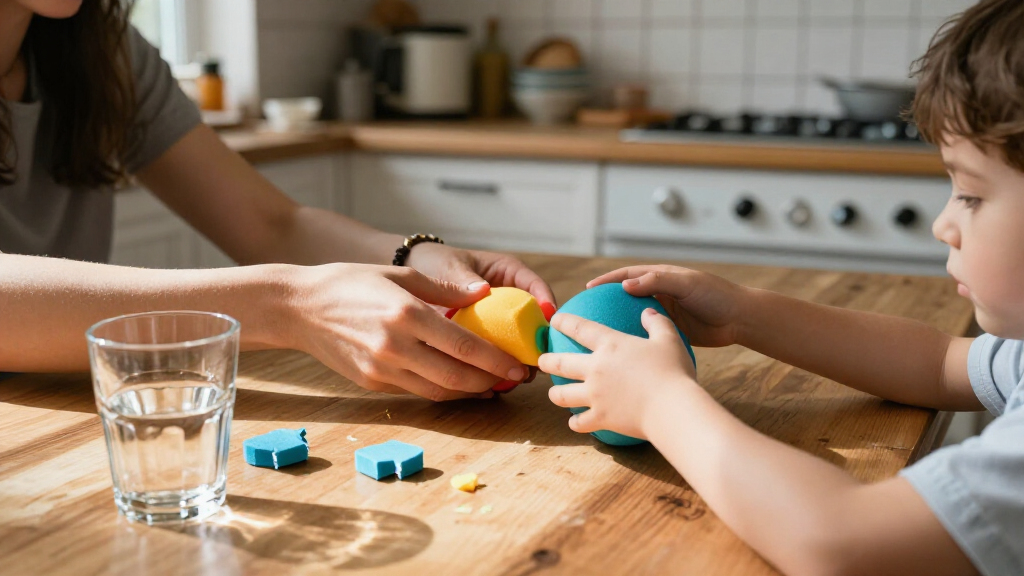
Squishies are soft, flexible toys that return to their original shape after being squeezed. The report describes them as toys for everyday play as well as items some children use for sensory play or stress relief. Their many designs and relatively low prices can make them appealing to collect.
The report says retailer The Works has been selling thousands of squishy toys each week and notes that the toys appeared in Christmas 2026 gift suggestions. It also warns that quick-moving toy trends can encourage impulse buying, followed by short periods of use. The search figures cited in the article indicate increased interest online, but do not establish how many squishies have been bought or discarded.
The article also raises concerns about counterfeit products and online trends that encourage children to cut open or damage toys. Deliberately damaging a toy can shorten its usable life; if a squishy splits or bursts, its contents may be exposed. The source advises keeping unknown fillings away from children and pets and following relevant product-safety advice.
Local Recycling Rules Vary
The report does not identify a widespread recycling route for damaged squishies, but local council services can differ. It advises checking with the local authority before placing a toy in household recycling. The specific materials, fillings and recycling options may also vary by product, and the article does not provide a list of brands or models accepted by particular councils.
The search increases are attributed to Google Trends, but the report gives no exact dates, starting search volumes or comparison baseline beyond “the past year.” They should not be read as equivalent increases in sales. The source also raises counterfeit-toy concerns but does not quantify how common counterfeits are or identify specific products affected. Parents should check product information and current safety notices rather than assume a toy is unsafe based only on its type.
Check Before Buying or Discarding
Before buying a new squishy, families can consider whether a child is likely to use it, choose a reputable retailer and check that the product is legitimate. For a second-hand toy, inspect it for damage and signs that it could be counterfeit; the report advises looking for a UKCA or CE mark where applicable. Those marks do not replace checking the product’s condition or suitability for the child who will use it.
If a toy is unwanted but intact, consider selling, donating or swapping it only after checking that it is safe and suitable for its next owner. If it is damaged, keep exposed filling away from children and pets, consult product-safety advice where relevant, and check local council rules before disposal. When no local recycling option is available, the report says to use general household waste rather than household recycling.
Key Questions
Can squishy toys go in household recycling?
Usually not, according to the report. Many are made from materials that are not typically accepted in household recycling, and some contain mixed materials or fillings. Check with your local council before putting one in a recycling collection.
What should I do with a broken squishy?
Keep any exposed filling away from children and pets, especially if its contents are unknown. Follow relevant product-safety advice and check local disposal guidance. If the council does not accept the toy for recycling, the report says to put it in general household waste.
Can I donate or sell a used squishy?
Possibly, if it is in good condition and suitable and safe for another child. Check it carefully for damage and legitimacy first; do not pass on a toy that is split, damaged or otherwise questionable.
Do the search figures mean squishy toy sales rose by the same amount?
No. The figures cited are Google search-interest changes, not sales data. The report does not provide the exact measurement dates, search volumes or a detailed comparison baseline.
Should parents stop buying squishy toys?
The report does not recommend a blanket ban. Its advice, citing waste expert John Verity, is to buy selectively, encourage children to look after toys and reuse unwanted ones where it is safe and responsible.
Source: rss
Fall Picks
fall essentials
As an affiliate, we earn on qualifying purchases.