
TL;DR

Turn the school run and nap time into listening time
- Thousands of audiobooks, podcasts and originals
- Listen on your phone, tablet or Echo — also offline
- Cancel anytime
The Toy Association has launched its sixth annual Toy Safety Awareness Month, sharing holiday toy-buying and play-safety guidance throughout November. Its campaign focuses on counterfeit toys, squishy toys, age labels and recall checks, with resources available at PlaySafe.org.
The Toy Association has kicked off its sixth annual Toy Safety Awareness Month with holiday shopping advice focused on counterfeit toys, squishy toys, age labels and product recalls. The organization says it will share guidance throughout November on social media and at PlaySafe.org, as families shop for gifts and supervise children’s play.
The campaign includes a Toy Shopping Checklist and a tip sheet about identifying knockoff toys. The association advises shoppers to look for manufacturer details, age labels, safe-use instructions and company contact information on the product and its packaging. It recommends buying from known brands and trusted retailers, and watching for unfamiliar sellers or online listings with misspellings or missing safety information.
The organization is highlighting counterfeit squishy toys in particular. It says some knockoffs may not comply with U.S. toy safety laws and may tear or burst, releasing small parts or filling, or contain hazardous chemicals. The association advises against heating, freezing, puncturing or biting squishy toys, or using them in other ways not intended by the manufacturer.
The holiday checklist also calls on shoppers to follow age recommendations and check recalls.gov before buying secondhand toys or accepting hand-me-downs. The association cautions that party supplies, costumes, electronics and home décor are not necessarily designed or tested as toys. Some may present hazards such as small batteries, non-toy water beads or high-powered magnets.
Guidance for Holiday Toy Shopping
The campaign offers families practical steps for evaluating toys at a time when many are shopping for gifts. Counterfeit products can be difficult for consumers to identify, the association says, and may not meet federal safety requirements. Potential hazards it cites include choking from broken small parts and exposure to chemicals prohibited in toys for children.
Survey findings included in the campaign point to a gap between perceived risk and understanding. A Wakefield Research survey of 1,000 U.S. parents found that 87% said a lower price for a counterfeit or knockoff toy was not worth the potential safety risk to their child. Yet 84% said they believed knockoff squishy toys were safe for play. The figures reflect the responses reported by the survey; the source material does not provide further details about its methodology.
Age labels are another focus: 35% of surveyed parents viewed toy age recommendations as suggestions, a view reported by 49% of Baby Boomers surveyed. The association says age grading provides safety guidance, including for toys marked for children ages 3 and up that may contain small parts.
Products Worth Considering
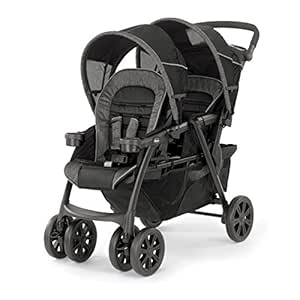
Chicco Cortina Together Double Stroller for Infants & Toddlers

Owlet Dream Sock Smart Baby Monitor

Graco TrueCoat 360 Single-Speed Airless Paint Sprayer
As an affiliate, we earn on qualifying purchases.
What the November Campaign Covers
The Toy Association describes this as the sixth annual Toy Safety Awareness Month. Its November campaign centers on guidance for purchasing toys and supervising play during the holiday season, rather than announcing a new safety standard or a specific product recall.
The association’s advice covers both choosing products and using them as intended. Alongside counterfeit detection and squishy toy handling, it stresses checking recall information, reading age labels and treating products not designed as toys with care. Its shopping checklist and squishy-toy tip sheet are available at PlaySafe.org; more guidance is planned for the organization’s social media accounts during November.
““The holidays are a joyful time, and toys bring an added element of fun, enrichment, and bonding to gatherings with family and friends.””
— Joan Lawrence, The Toy Association’s “Toy Safety Mom” and senior vice president of standards and regulatory affairs
Limits of the Safety Findings
The source report does not identify particular counterfeit sellers or products, provide figures documenting the alleged increase in knockoff squishies, or describe specific incidents linked to them. It also does not provide the survey’s field dates, sampling method or margin of error, so the reported percentages should be read as survey responses rather than estimates that necessarily represent all U.S. parents.
The campaign’s general warnings do not establish that every knockoff toy or squishy toy is hazardous. Product-specific safety status, the scale of any compliance problems and whether regulators have taken action are not detailed in the source material.
More Tips Expected During November
The Toy Association says it will publish additional holiday safety guidance on social media throughout November. Shoppers can consult the Toy Shopping Checklist and squishy toy tip sheet at PlaySafe.org, and the association recommends checking recalls.gov when considering secondhand toys or hand-me-downs.
No further campaign milestones or regulatory actions were specified in the source report. The next developments are expected to be the additional advice shared during the month.
Key Questions
What is Toy Safety Awareness Month?
It is The Toy Association’s annual November campaign offering guidance on toy shopping and safe play. The association says this is its sixth year running the campaign.
Where can shoppers find the campaign resources?
The Toy Association’s Toy Shopping Checklist and squishy toy tip sheet are available at PlaySafe.org. The organization also plans to share guidance on social media throughout November.
What should shoppers check when buying a toy?
The association advises checking for manufacturer information, age labels, safe-use instructions and company contact details. It also recommends buying from known brands and trusted retailers and being cautious of listings with misspellings or missing safety information.
How can families check whether a secondhand toy has been recalled?
The association recommends checking recalls.gov before buying a secondhand toy or accepting a hand-me-down. The source report does not identify a particular recalled product as part of this campaign.
What does the association advise about squishy toys?
It advises following the product’s instructions and not heating, freezing, puncturing or biting squishy toys. The association warns that some knockoffs may tear or burst or contain hazardous chemicals, but does not say that all squishy toys pose these risks.
Source: toybook.com