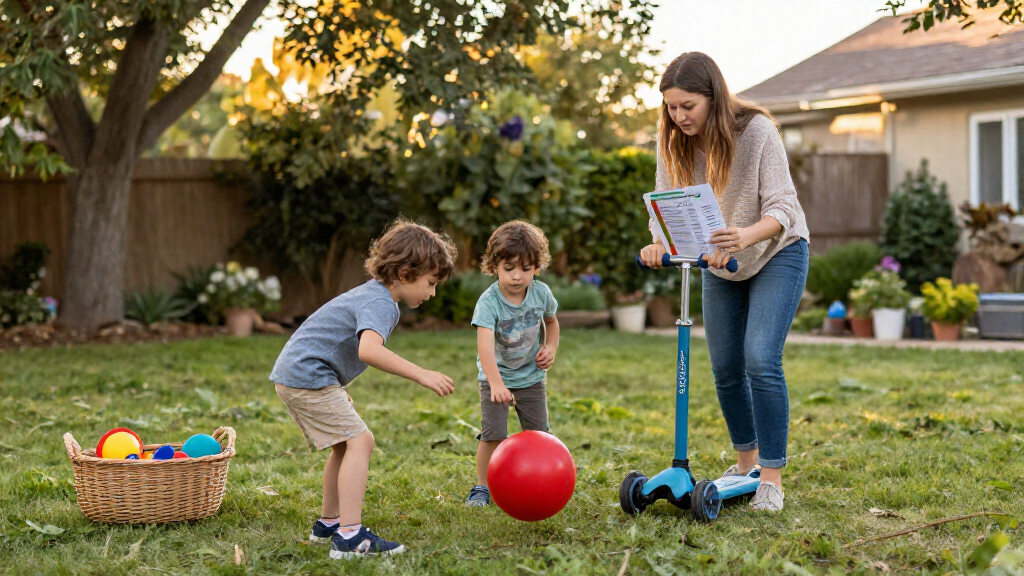

This checklist is for families choosing outdoor play gear that can keep up with growing kids, changing interests, and the space they have at home. It covers active play, water play, pretend play, and beginner gardening, with family-friendly guidance for each slot.

Turn the school run and nap time into listening time
- Thousands of audiobooks, podcasts and originals
- Listen on your phone, tablet or Echo — also offline
- Cancel anytime
The sections follow the requested shopping categories. Some include a named product pick; others offer advice only. Each one highlights what to consider, common fit or compatibility pitfalls, and practical features to check before buying.
Use the checklist to narrow your options, then confirm the manufacturer’s current sizing, age guidance, assembly details, and care instructions. A good choice should suit your child and your available space, with room to play safely.
Adjustable Kids’ Scooter
An adjustable scooter can accommodate changes in a child’s height, but the word “adjustable” alone does not tell you whether the scooter will fit well. Check the handlebar adjustment range against your child’s current height and the maker’s guidance, and consider how easy it is to reset the height as they grow. A comfortable reach helps a child steer without stretching or hunching.
A common mistake is choosing by age label or appearance without checking the deck, wheels, and intended riding surface. Compare the scooter’s stated rider limits and recommended surfaces with your child’s needs and where they will ride. Check whether the folding or adjustment mechanisms are straightforward for an adult to secure, and inspect the brake and grip design. Secure adjustments matter more than a long list of features.
Think about storage and transport, too. Measure the space where the scooter will be kept and check folded dimensions if you need to carry it. Before each outing, confirm the handlebar is locked at the selected height and that the scooter is appropriate for the route. Fit and routine checks make a more useful buying guide than choosing the most elaborate model.
What to look for:
- Handlebar height range that suits your child now
- Clear rider weight and age guidance from the maker
- A stable deck and grips sized for small hands
- Brake design and surfaces the scooter is intended for
- Folding and locking mechanisms that are easy to check
Children’s Bike Helmet
A helmet is a key part of a child’s cycling setup, and a named model still needs to fit the individual rider. The Giro Fixture MIPS II Road Bike Helmet is the pick for this slot; check the manufacturer’s size guidance and measure your child’s head before ordering. A helmet should sit level and snug, with the front edge positioned as directed by the maker, rather than tipping backward or pressing uncomfortably.
A frequent mistake is buying a helmet to grow into or assuming a familiar brand name guarantees fit. Use the adjustment system and strap instructions to check that the helmet stays in place when your child moves their head. Confirm the intended activity and any relevant safety information in the current product listing. Correct fit comes first; a loose helmet or one that shifts can be a poor match even if the size label seems right.
Check compatibility with anything your child wears while riding, such as glasses or a cap, and avoid adding items under the helmet unless the manufacturer permits them. Review care, replacement, and use guidance from Giro, including what to do after an impact. Recheck fit as your child grows. Regular fit checks help keep the helmet suitable over time.
What to look for:
- Measure head circumference and follow Giro’s size chart
- A level position and secure, adjustable straps
- Clear manufacturer guidance for the intended activity
- Compatibility with glasses and usual riding clothing
- Care and replacement instructions from the manufacturer
Giro Fixture MIPS II Road Bike Helmet
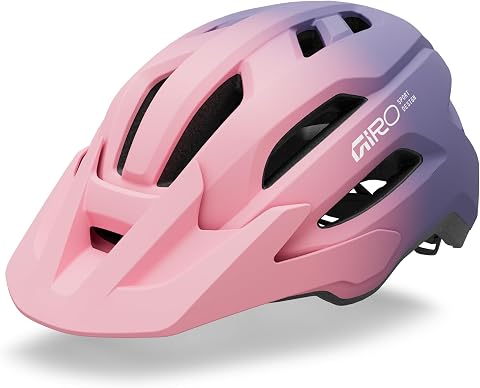
The Giro Fixture MIPS II helmet offers enhanced safety with integrated MIPS technology, lightweight construction, and improved airflow for cooler comfort. It features a simple fit system, reflective details for visibility, and a universal fit suitable for most riders, making it ideal for both off-road adventures and casual rides.
Pros:
- Enhanced safety with MIPS technology for rotational force reduction
- Lightweight and well-ventilated for increased comfort
- Easy-to-use adjustable fit system with reflective visibility features
- Stylish design suitable for various riding styles
Cons:
- May not fit riders with very small or very large head sizes
- Limited color options (not specified)
Best for: Families looking for a named helmet pick to assess against Giro’s fit guidance
Not ideal for: Riders whose head measurement or needs do not match the model’s guidance
Bottom line: Measure first and confirm a stable, comfortable fit using Giro’s instructions.
Outdoor Playhouse
A playhouse can become a setting for imaginative play, but its footprint and setup deserve as much attention as its theme. Measure the proposed location, allowing room for children to enter, move around, and for an adult to supervise. Check the maker’s stated dimensions and recommended age range, and consider whether the layout suits how your child likes to play. Measure the space first so the playhouse does not crowd a walkway or other play area.
It is easy to focus on windows, colors, or accessories and overlook assembly, anchoring, and upkeep. Read the product instructions for required tools, assembly help, and any surface or anchoring recommendations. Check whether the materials are intended for outdoor exposure and what care they require. Weather and maintenance can affect where the playhouse belongs and how often it needs attention.
Think through access and supervision: doors and openings should work for the children who will use them, and the location should let adults keep an eye on play. Check for age and use guidance, along with any warnings about small parts or assembly. If more than one child will use it, consider interior dimensions and entry flow. Room to enter and share can make a simple structure more practical than one chosen for looks alone.
What to look for:
- Dimensions that fit the chosen area with clearance around it
- Age and use guidance from the manufacturer
- Assembly, anchoring, and surface instructions
- Outdoor material and maintenance guidance
- Entry and interior space suited to the children using it
Backyard Water Table
A water table offers a hands-on way for children to explore pouring and pretend play outdoors. The Step2 Pump & Splash Discovery Pond Water Table is the pick for this slot. Before choosing, check the current product details for dimensions, age guidance, included components, and any assembly requirements. Think about where it will sit and whether children can reach the play areas comfortably.
A common buying mistake is underestimating the space and cleanup involved. Measure the intended spot and consider how water will be drained, where it can go, and how the table will be stored or cleaned. Confirm whether the pump and accessories listed by the seller are included, and read the manufacturer’s instructions for use and care. Check what comes in the box rather than assuming every pictured accessory is included.
Water play requires active adult supervision. Review the manufacturer’s safety guidance and stay within reach while children play, even when the water is shallow. Check whether the table height suits your child and whether several children can use it without crowding. Follow care and storage instructions between uses. Supervision and setup are essential parts of deciding whether this table works for your family.
What to look for:
- Current dimensions and age guidance for the Step2 table
- A location that allows access and straightforward cleanup
- Included pump and accessories confirmed in the product details
- Drainage, cleaning, and storage instructions
- Manufacturer safety guidance and active adult supervision
Step2 Pump & Splash Discovery Pond Water Table

This outdoor water table lets toddlers pump, pour, and splash across three play zones with channels, a waterfall tray, funnel, spinner, and bucket. Its open design accommodates multiple children, and the 11-gallon basin has two drain plugs for easier cleanup.
Pros:
- Three zones offer varied water activities
- Open design gives multiple children room to play
- Two drain plugs make draining easier
- Includes a 10-piece accessory set
Cons:
- Requires adult supervision during play
- Pieces should be dried completely before storage
Best for: Families with an outdoor spot suited to supervised water play
Not ideal for: Households without a practical place to fill, drain, and clean the table
Bottom line: Confirm the included components, setup needs, and safety guidance before purchase.
Kids’ Garden Tool Set
A child-sized garden tool set can invite kids to take part in simple outdoor tasks, but the right set depends on what they will actually do. Decide whether your child will help with planting, digging in containers, or gathering leaves, then look for tools suited to those activities. Match tools to the task rather than buying a large set just because it has more pieces.
Check handle length and grip size in the product details, and consider whether your child can hold and maneuver each tool comfortably. Materials and edges deserve a close look: follow the maker’s age guidance and inspect descriptions for how the tools are intended to be used. A common mistake is overlooking storage; loose tools can be misplaced or left where someone may trip. Easy, safe storage makes the set more practical after garden time.
Think about where the tools will be used and who will help. A small container garden may call for different tools than a larger planting area, and children should use tools with adult guidance appropriate to their age. Check cleaning and care instructions, especially if tools will be stored outdoors. Comfortable handles and clear guidance help families choose a set that fits both the child and the garden.
What to look for:
- Tools suited to the gardening tasks your child will do
- Handle length and grip size appropriate for the child
- Clear age guidance and use instructions
- Materials and edge details described by the maker
- A storage option and care instructions
Portable Soccer Goal
A portable goal can make it easier to set up a soccer practice area, provided its dimensions suit the players and available space. The QUICKPLAY Kickster 16 x 7 ft Portable Soccer Goal is the pick for this slot. Check the current product information for the stated dimensions, setup method, included parts, and recommended use. Measure the play area and leave clearance around the goal.
A common mistake is treating “portable” as a substitute for checking stability or setup. Review the maker’s assembly and anchoring instructions, and confirm the surface where the goal will be used is suitable. Check how it packs down and whether the stored size works for your vehicle or storage area. Follow the anchoring instructions every time the goal is set up, and check that all connections are secure before play.
Consider who will use the goal and how much room they need to shoot and retrieve the ball safely. The listed dimensions may suit one practice setup but not another, so compare them with the available yard or field. Confirm the maker’s guidance for supervision and use, and inspect the goal periodically for loose parts or wear. Space and setup checks help determine whether this goal is a good fit for your family.
What to look for:
- The 16 x 7 ft dimensions against your play area
- Assembly and anchoring directions from QUICKPLAY
- Included parts and setup steps in the current product listing
- Packed dimensions for transport and storage
- Clear space around the goal for shooting and retrieval
QUICKPLAY Kickster 16 x 7 ft Portable Soccer Goal

A portable 16 x 7 ft soccer goal for backyard practice, team training, and small-sided games. Its flexible frame sets up in under two minutes, folds into a carry bag, and includes a net, bungees, and four anchors.
Pros:
- Sets up in under two minutes
- Folds into a carry bag for transport and storage
- Flexible frame is designed to absorb impact and return to shape
- Includes anchors and equipment for setup
Cons:
- Base weights for turf, indoor, and hard surfaces are sold separately
Best for: Families with enough room for a portable practice goal
Not ideal for: Play areas that cannot accommodate the stated goal dimensions and clearance
Bottom line: Measure the play area and follow the maker’s setup and anchoring instructions.
If you are building an outdoor play setup gradually, start with the item your child will use most and the space you already have. Compare sizing, age guidance, and setup requirements first; then add larger or more involved gear when you have a clear place and plan for it. Fit and available space are useful priorities across every category.
Use the listed checks to compare options and revisit the manufacturer’s current instructions before buying or setting up gear. With a few thoughtful measurements and a plan for supervision and storage, you can choose items that make outdoor play easier to enjoy. Start with your family’s needs and build from there.