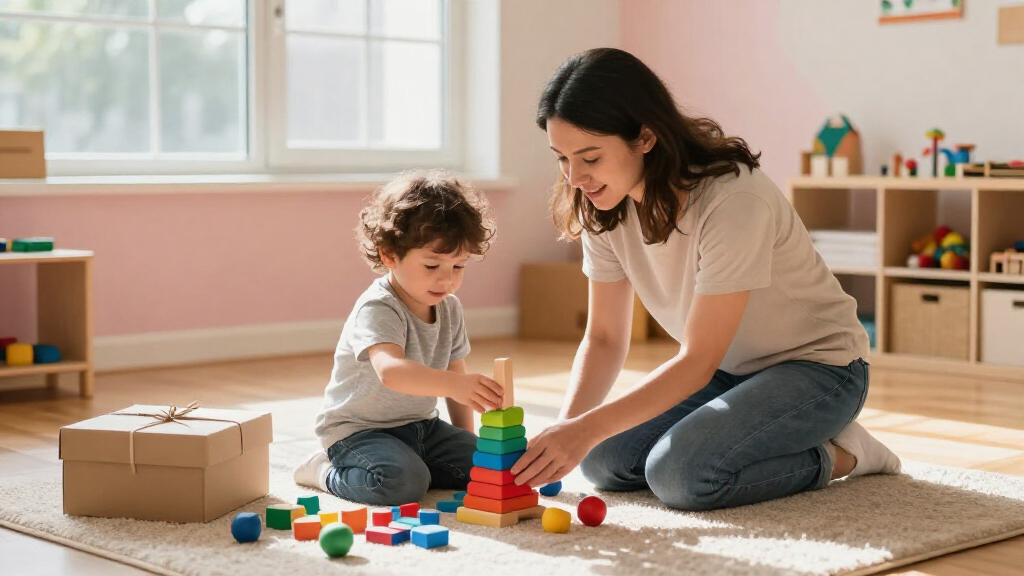
The best gifts for preschoolers combine easy-to-start play with room to learn, create, or move. My best overall pick is the Montessori Number Counting Block Toy for its hands-on number play, while the Wooden Kids’ Tool Set stands out for pretend builders and Crayola Color Wonder suits families who want coloring with less mess. The main tradeoff is choosing between open-ended play, focused learning, and gifts that need adult setup or cleanup. Age labels matter, but a child’s interests, patience, and fine-motor skills matter just as much. Read on for the full breakdown and a guide to choosing the right fit.

Turn the school run and nap time into listening time
- Thousands of audiobooks, podcasts and originals
- Listen on your phone, tablet or Echo — also offline
- Cancel anytime
Complete the kit


Key Takeaways
- Hands-on learning leads the list: the counting blocks and magnetic fishing game pair early number or letter practice with physical play, rather than relying on screens.
- Open-ended sets offer more play paths but need more space or cleanup: the tool set, Play-Doh, and construction sensory bin invite imaginative play, with different levels of adult involvement.
- Low-mess gifts solve a real household constraint: Color Wonder and LCD writing tablets are easier to put away than modeling compound or sensory materials.
- Shared play varies widely: Don’t Spill the Beans and alphabet Go Fish support turn-taking, while scavenger hunt cards encourage movement and adult-child interaction.
- The best fit depends on the child, not just the age label: phonics books and Mr. Pencil suit children ready for letter practice, while pull-back dinosaurs and Mr. Potato Head favor short, playful bursts.
| Montessori Number Counting Block Toy for Ages 3-5 |  | Best for Hands-On Early Math | Brand: Gagule | Model number: bd-palm-math-V1 | Age range: 36 months–6 years | VIEW LATEST PRICE | See Our Full Breakdown |
| Wooden Magnetic Fishing Game with Alphabet and Number Pieces |  | Best for Fine-Motor Play | Brand: NASHRIO | Material: Wood | Age range: 36 months–3 years | VIEW LATEST PRICE | See Our Full Breakdown |
| Wooden Kids’ Tool Set with Battery-Powered Drill, Apron and Toolbox |  | Best for Pretend Builders | Brand: TONZE | Recommended age: 3 years and up | Piece count: 44 | VIEW LATEST PRICE | See Our Full Breakdown |
| Creativity for Kids Sensory Bin – Construction Zone Playset |  | Best Sensory Gift | Age range: 3–5+ years | Sand weight: 2.5 lbs | Bin dimensions: 14.5 x 10.25 x 4.75 inches | VIEW LATEST PRICE | See Our Full Breakdown |
| Pete the Cat 12-Book Phonics Fun! (I Can Read Phonics Fun) | 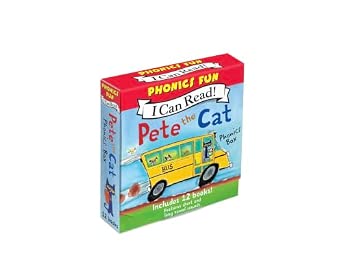 | Best for Beginning Readers | Book count: 12 mini-books | Learning focus: Short and long vowel sounds | Age range: 3–6 years | VIEW LATEST PRICE | See Our Full Breakdown |
| GeoSafari Kidnoculars Toy Binoculars for Kids 3-5 |  | Best for Outdoor Exploration | Recommended age: 3 years and up | Magnification: 2× | Objective lens diameter: 35 mm | VIEW LATEST PRICE | See Our Full Breakdown |
| DINOBROS Dinosaur Pull-Back Scooters, 4-Pack |  | Best for Dinosaur Fans | Recommended age: 3 years and up | Set: Dino Adventure Pack | Included figures: T-Rex, Triceratops, Velociraptor, and Ankylosaurus | VIEW LATEST PRICE | See Our Full Breakdown |
| MOLLYBEE KIDS Toddler Scavenger Hunt Cards at Home, Ages 2+ |  | Best for Screen-Free Indoor Play | Age range: 2 years and up | Number of cards: 20 double-sided cards | Card size: Approximately 3.5 inches across | VIEW LATEST PRICE | See Our Full Breakdown |
| Hasbro Gaming Don’t Spill the Beans Balancing Game for Kids Ages 3+ |  | Best First Turn-Taking Game | Recommended age: 3 years and up | Players: 2 | Reading required: No | VIEW LATEST PRICE | See Our Full Breakdown |
| 4-Pack 8.5″ LCD Writing Tablet for Kids – Colorful Doodle Boards, Ages 3-8 |  | Best for Travel and Shared Creativity | Brand: TQU | Number of tablets: 4 | Recommended age: 36 months and up | VIEW LATEST PRICE | See Our Full Breakdown |
| Mr. Potato Head Create Your Family Set, 44 Pieces |  | Best for Pretend-Play Variety | Brand: Mr. Potato Head | Model: F9408 | Total pieces: 44 | VIEW LATEST PRICE | See Our Full Breakdown |
| Play-Doh Modeling Compound 10-Pack Assorted Colors, Non-Toxic 2 oz Cans, Ages 2+ |  | Best Value Creative Refill | Brand: Play-Doh | Manufacturer: Hasbro | Age range: 2 years and up | VIEW LATEST PRICE | See Our Full Breakdown |
| School Zone Go Fish Alphabet Game Cards |  | Best for Early Letter Practice | Card count: 56 | Age range: 4 years and up | Intended audience: Preschool and kindergarten learners | VIEW LATEST PRICE | See Our Full Breakdown |
| Crayola Color Wonder Mess-Free Coloring Activity Set |  | Best for Travel and Low-Mess Art | Brand: Crayola | Model: 75-2349 | Age range: 3 years and up | VIEW LATEST PRICE | See Our Full Breakdown |
| LeapFrog Mr. Pencil’s Scribble, Write and Read |  | Best for Guided Pre-Writing Practice | Brand: LeapFrog | Manufacturer: VTech | Model number: 80-617000 | VIEW LATEST PRICE | See Our Full Breakdown |
| gifts for preschooler | Age range | Brand | Material |
|---|---|---|---|
| Montessori Number Counting Blo | 36 months–6 years | Gagule | — |
| Wooden Magnetic Fishing Game w | 36 months–3 years | NASHRIO | Wood |
| Wooden Kids’ Tool Set with Bat | — | TONZE | — |
| Creativity for Kids Sensory Bi | 3–5+ years | — | — |
| Pete the Cat 12-Book Phonics F | 3–6 years | — | — |
| GeoSafari Kidnoculars Toy Bino | — | — | Plastic |
| DINOBROS Dinosaur Pull-Back Sc | — | — | Plastic |
| MOLLYBEE KIDS Toddler Scavenge | 2 years and up | — | Thick, wipe-clean cards |
| Hasbro Gaming Don’t Spill the | — | Hasbro Gaming | Plastic |
| 4-Pack 8.5" LCD Writing Tablet | — | TQU | ABS plastic |
| Mr. Potato Head Create Your Fa | 2 years and up | Mr. Potato Head | — |
| Play-Doh Modeling Compound 10- | 2 years and up | Play-Doh | Clay and dough |
| School Zone Go Fish Alphabet G | 4 years and up | — | — |
| Crayola Color Wonder Mess-Free | 3 years and up | Crayola | — |
| LeapFrog Mr. Pencil’s Scribble | 3 years and up | LeapFrog | Plastic |
More Details on Our Top Picks
Montessori Number Counting Block Toy for Ages 3-5
This is my pick for preschoolers who enjoy learning by moving pieces around rather than only looking at a page. The finger-counting board, 14 number blocks, and 20 flash cards offer several ways to practice addition and subtraction within ten, while the wooden pieces also give small hands a simple sorting and placement task. Compared with Pete the Cat 12-Book Phonics Fun!, this set targets early numeracy instead of letter sounds; it suits a child drawn to counting more than stories. Its compact storage box is useful when the activity needs to travel or be packed away, though the small blocks can go missing. The number range is deliberately introductory, so children already comfortable with sums to ten may outgrow the challenge sooner than they would an open-ended building toy.
Pros:- Combines a counting board, number blocks, and flash cards for varied practice.
- Introduces addition and subtraction within ten through hands-on play.
- Rounded wooden pieces and non-toxic paint are specified.
- Storage box helps keep the pieces together between activities.
Cons:- The number range may feel too easy for children who already know basic sums.
- Small blocks can be misplaced without careful cleanup.
Best for: Preschoolers who like counting objects and need a tactile introduction to addition and subtraction within ten.
Not ideal for: Older preschoolers who already add beyond ten, or families who prefer activities without small pieces to keep track of.
- Brand:Gagule
- Model number:bd-palm-math-V1
- Age range:36 months–6 years
- Unit count:1 set
- Included components:Wooden board, wooden blocks, flash cards
- Learning focus:Addition and subtraction within ten
- Number of players:1
Our verdict“Choose this set for a preschooler ready for hands-on number practice, but skip it if the child needs more advanced math or easily loses small pieces.”
Wooden Magnetic Fishing Game with Alphabet and Number Pieces
The fishing format gives alphabet and number practice a playful physical goal: guide the magnetic pole toward a piece, then name or count the fish. That makes this a better match than the counting-block set for a preschooler who enjoys a simple tabletop challenge but is not yet keen on flash-card-style practice. The wooden board and fish have smooth edges and water-based, non-toxic dye, and the compact footprint makes it easy to set up indoors. Compared with the Creativity for Kids Construction Zone Sensory Bin, this is a tidier, more contained activity, though it offers less sensory variety and fewer ways to invent a play scene. It is listed for one player, so I would not choose it as the main gift for siblings who want a shared game.
Pros:- Letter- and number-marked fish combine recognition with counting.
- Using the magnetic pole gives fine-motor and hand-eye coordination practice.
- Polished wood with smooth edges is specified.
- Small tabletop board is easy to set up indoors.
Cons:- Listed for one player, limiting shared play.
- Indoor-only use makes it less versatile than outdoor-friendly options.
- The fishing format offers less open-ended play than a construction sensory bin.
Best for: Preschoolers who enjoy tabletop games and are practicing letter recognition, counting, and controlled hand movements.
Not ideal for: Families seeking a cooperative group activity, outdoor play option, or open-ended sensory setup.
- Brand:NASHRIO
- Material:Wood
- Age range:36 months–3 years
- Educational objective:Creative thinking
- Number of players:1
- Play location:Tabletop
- Dimensions:11.8 x 8.9 x 0.6 inches
- Set name:Alphabet & Number Fishing Game Set
Our verdict“Pick this for a child who likes focused tabletop play and learning through a simple fishing challenge, not for group or outdoor play.”
Wooden Kids’ Tool Set with Battery-Powered Drill, Apron and Toolbox
For a preschooler who wants to copy grown-up fixing and building, this set offers more role-play range than the Montessori Number Counting Block Toy. Its 44 pieces, battery-powered drill, hand tools, and 21 build ideas support both guided projects and looser construction play, while the apron helps make pretend repairs feel like a full activity. The toolbox has separate storage sections, a practical advantage when parts need sorting after play. The tradeoff is that this set asks for more setup and supervision than a simple game: the drill needs two AA batteries, not included, and adults may need to loosen fasteners that have been tightened too much. I would favor it over the fishing game for a child who likes making things, but not for a family seeking a quiet, ready-to-play tabletop gift.
Pros:- 44 pieces include a battery-powered drill, hand tools, and building components.
- Guide provides 21 ideas while leaving room for open-ended builds.
- Toolbox has separate sections for storing tools and construction pieces.
- Includes a washable apron for repair-shop role-play.
Cons:- Requires two AA batteries, which are not included.
- Fasteners can be overtightened, and an adult may need to loosen them.
- The many small components take more sorting and cleanup than a compact game.
Best for: Preschoolers who enjoy pretend repairs, assembling parts, and following simple construction ideas with an adult nearby.
Not ideal for: Families who want a battery-free, low-setup activity or children who become frustrated by fastening and sorting many pieces.
- Brand:TONZE
- Recommended age:3 years and up
- Piece count:44
- Materials:Solid wood with non-toxic, water-based paint
- Included items:Drill, 2 bits, 7 hand tools, 14 building pieces, 2 cubes, 4 wheels, 8 bolts, 6 nuts, toolbox, washable polyester apron, and 21-model guide
- Battery requirement:2 AA batteries, not included
- Safety and testing:Smooth edges; tested to ASTM F963 and CPSIA requirements
Our verdict“Choose this for a budding pretend builder who enjoys projects and has help nearby; skip it if you need a simple, battery-free gift.”
Creativity for Kids Sensory Bin – Construction Zone Playset
This construction-themed bin is the strongest choice here for a child who wants to scoop, push, and invent a little scene, rather than follow a set lesson or build from instructions. The 2.5 pounds of sensory sand, vehicles, signs, cones, and tools invite imaginative play, while the reusable bin and lid make storage more contained than loose building toys like the TONZE Wooden Kids’ Tool Set. It also gives preschoolers a tactile experience the Wooden Magnetic Fishing Game does not. The tradeoff is the sand: even with a bin, it can spill, so a tray or towel may be useful, and the limited vehicle selection may repeat itself for children who quickly want new scenarios. I’d choose it for supervised, hands-on play, not as a no-mess activity.
Pros:- Sand, vehicles, signs, and tools encourage tactile exploration and storytelling.
- Reusable bin and lid provide a dedicated storage and play space.
- Includes several construction accessories, not just vehicles.
- Suitable for indoor and outdoor play.
Cons:- Sand can escape the bin and may require a towel or protected play surface.
- The small selection of vehicle types may limit replay variety.
- Cleanup still takes more effort than with the fishing game or reading set.
Best for: Preschoolers who enjoy sensory materials and imaginative construction play, with an adult available to help manage cleanup.
Not ideal for: Families avoiding sand indoors, or children who need frequent changes in toys and play themes.
- Age range:3–5+ years
- Sand weight:2.5 lbs
- Bin dimensions:14.5 x 10.25 x 4.75 inches
- Included items:Reusable storage bin, sensory sand, mini dump truck, cement mixer, roller, shovel tools, construction signs, cones, pebbles, and lid
- Play themes:Construction, sensory exploration, imaginative storytelling
- Storage:Reusable bin with lid
Our verdict“Choose this for a preschooler who loves tactile construction scenes and can play on a protected surface, but skip it if sand cleanup is a deal-breaker.”
Pete the Cat 12-Book Phonics Fun! (I Can Read Phonics Fun)
This boxed set makes sense for a preschooler who is beginning to notice how letters sound and wants short stories to revisit with an adult. Its 12 mini-books introduce short and long vowel sounds, giving a young reader more practice material than a single story can offer. Unlike the Montessori Number Counting Block Toy, which teaches through moving pieces and solving sums, this gift builds early reading familiarity; it is also a quieter, simpler option than the sand-filled construction bin. The tradeoff is that the learning centers on phonics and books, so it may not hold the attention of a child who prefers physical or sensory play. Since no other contents or durability details are provided, I’d choose it for a child already interested in books rather than as a general play set.
Pros:- Includes 12 mini-books for repeated reading practice.
- Introduces both short and long vowel sounds.
- Designed for beginning readers in the preschool age range.
Cons:- Focused on phonics and reading, with little appeal for children who prefer hands-on play.
- The supplied details do not specify activities or materials beyond the books.
Best for: Preschoolers ages 3–6 who enjoy being read to and are starting to practice vowel sounds and early reading.
Not ideal for: Children who prefer active, hands-on toys or families looking for a gift with varied play materials beyond books.
- Book count:12 mini-books
- Learning focus:Short and long vowel sounds
- Age range:3–6 years
- Series:I Can Read Phonics Fun
- Featured character:Pete the Cat
Our verdict“Pick this for a preschooler who is curious about reading and vowel sounds, rather than a child looking for an active play toy.”
GeoSafari Kidnoculars Toy Binoculars for Kids 3-5
Focus-free 2× magnification makes these binoculars a practical first gift for preschoolers who want to inspect birds, trees, or backyard activity without adjusting a focus knob. The oversized eyepieces are designed for small faces, and their lightweight build is easier for young children to carry than a more involved pretend-play set such as the Wooden Kids’ Tool Set. A breakaway neck strap adds convenience while avoiding a fixed strap around the child’s neck. The tradeoff is that 2× magnification offers only a modest closer view, so this is more about encouraging observation than seeing fine details at a distance. They are also not water resistant, which limits rainy-day or wet-weather outings. Choose these for a preschooler who enjoys looking around outdoors; skip them if the gift needs to withstand damp conditions.
Pros:- Fixed-focus design avoids adjustments that can frustrate young users.
- Oversized eyepieces are suited to small eyes.
- Breakaway neck strap makes carrying more convenient.
- Lightweight plastic construction is easy for a preschooler to handle.
Cons:- 2× magnification provides only a modest view of distant objects.
- Not water resistant, so wet-weather play can be a problem.
Best for: Families seeking a simple, lightweight outdoor gift for a preschooler who likes watching birds, trees, and neighborhood activity.
Not ideal for: Children expecting detailed views of distant objects, or families looking for binoculars that can be used in wet weather.
- Recommended age:3 years and up
- Magnification:2×
- Objective lens diameter:35 mm
- Focus type:Fixed focus
- Field of view:6°
- Material:Plastic
- Dimensions:4.8 × 5.75 × 2.8 inches
- Weight:0.2 kg
- Water resistance:Not water resistant
Our verdict“Choose these for a preschooler who is curious about the outdoors and needs an easy first pair of binoculars, not for detailed or wet-weather viewing.”
DINOBROS Dinosaur Pull-Back Scooters, 4-Pack
For a preschooler who wants dinosaurs in the middle of every game, this four-figure set offers more variety than a single small vehicle: T-Rex, Triceratops, Velociraptor, and Ankylosaurus each get a scooter. The pull-back action is straightforward and needs no remote, while rubber wheels let the toys roll across suitable floors. Compared with the GeoSafari Kidnoculars, this is a more direct indoor play gift, built around racing and pretend adventures rather than outdoor observation. The compact size also makes it easy to bring along or display, but it may feel underwhelming to children who prefer larger toys with more pieces or interactive features. Play is described as designed for one player, so it is less suited to a sibling activity than the two-player Don’t Spill the Beans game. Pick it for a dinosaur enthusiast who enjoys small rolling toys; skip it if size or shared play is the priority.
Pros:- Four distinct dinosaur figures add variety to play.
- Pull-back operation requires no remote control.
- Compact scooters are easy to carry and store.
- Can serve as play toys or dinosaur-themed display pieces.
Cons:- Small dimensions may not suit children who prefer larger toys.
- Designed for one player, limiting shared-play appeal.
Best for: Preschool dinosaur fans who enjoy simple pull-back races, compact toys, and making up solo adventures.
Not ideal for: Children who prefer larger playthings or families seeking a toy designed for cooperative or competitive play with a sibling.
- Recommended age:3 years and up
- Set:Dino Adventure Pack
- Included figures:T-Rex, Triceratops, Velociraptor, and Ankylosaurus
- Quantity:4 scooters
- Operation:Pull-back
- Material:Plastic
- Wheels:4 rubber wheels per scooter
- Dimensions per scooter:Approximately 3.54 × 1.57 × 4.33 inches
- Power source:Battery powered
Our verdict“This set suits a dinosaur-loving preschooler who enjoys compact solo play, but it is a weaker pick for children who want larger toys or a game for two.”
MOLLYBEE KIDS Toddler Scavenger Hunt Cards at Home, Ages 2+
These cards turn familiar household objects into a guided activity, making them a useful gift for preschoolers who benefit from a little structure during indoor play. The 20 double-sided prompts cover ideas such as color, size, and texture, so children practice noticing and describing what they find rather than just collecting objects. Unlike the DINOBROS Pull-Back Scooters, which center on repeated rolling action, this set gets children moving around the home and can prompt conversation with an adult or sibling. Wipe-clean cards on a ring are easy to pack and keep together, but the game depends on having suitable household items available and is designed for indoor use. It is less of an independent toy than the scooters or LCD tablets: younger children may need an adult to read prompts and help them get started. Choose it for guided, screen-free activity, not as an all-weather or fully self-directed gift.
Pros:- Prompts encourage children to notice colors, sizes, and textures in familiar surroundings.
- Double-sided cards provide multiple activities in a compact set.
- Wipe-clean card material suits repeat use.
- Ring keeps cards together for storage and portability.
Cons:- Designed for indoor use only.
- Activities depend on household objects being available.
- Younger children may need help understanding prompts and starting the hunt.
Best for: Caregivers who want a portable, guided indoor activity that gets a preschooler talking, observing, and moving around the home.
Not ideal for: Families seeking outdoor play or a toy a young child can use independently without help reading prompts or finding household objects.
- Age range:2 years and up
- Number of cards:20 double-sided cards
- Card size:Approximately 3.5 inches across
- Material:Thick, wipe-clean cards
- Included components:20 cards on a plastic ring
- Number of players:1–4
- Usage:Indoor
- Educational objectives:Cognitive, creative thinking, language, problem-solving, and social skills
Our verdict“Choose these cards for an adult-supported indoor activity that builds observation and language, rather than for independent or outdoor play.”
Hasbro Gaming Don’t Spill the Beans Balancing Game for Kids Ages 3+
Simple turns and no reading make Don’t Spill the Beans an approachable choice for a preschooler learning to play a game with someone else. Players add plastic beans to a wobbly jar, so the challenge is easy to understand but changes as the balance shifts. That gives it a different role from the MOLLYBEE KIDS Scavenger Hunt Cards: those encourage movement and conversation around the home, while this game keeps two players focused on one shared tabletop activity. The 64 colorful beans and jar labels add hands-on pieces, though they also create more small parts to gather after play. It is specifically for two players, unlike the scavenger cards’ 1–4 player format, so it won’t work as well for a group. Choose it for a child ready to practice turn-taking; skip it if small pieces are a concern or more than two children need to play together.
Pros:- No reading is required to understand the basic play.
- Turn-based rules give preschoolers a clear way to practice taking turns.
- Includes 64 colorful plastic beans for hands-on play.
- Jar labels let children personalize the game piece.
Cons:- Limited to two players.
- Small plastic beans can be easy to lose.
- The balancing challenge may frustrate children who dislike unpredictable outcomes.
Best for: Families looking for a simple two-person game to help a preschooler practice turn-taking and careful placement.
Not ideal for: Households seeking a group game for more than two players, or caregivers who want to avoid keeping track of small plastic pieces.
- Recommended age:3 years and up
- Players:2
- Reading required:No
- Material:Plastic
- Included components:2 jar halves, jar lid, 2 hands, base, 64 beans, label sheet, and instructions
- Brand:Hasbro Gaming
- Language:English
Our verdict“Pick this for a preschooler ready for a short, two-player turn-taking game, but not for a larger group or a small-parts-free playroom.”
4-Pack 8.5″ LCD Writing Tablet for Kids – Colorful Doodle Boards, Ages 3-8
Four reusable drawing boards make this the strongest pick here for families who want a quiet activity that can travel or be shared among children. The 8.5-inch screens respond to pressure, giving little artists room to vary their lines, while the erase button clears a drawing without paper scraps or marker cleanup. A lock switch can preserve work when a child wants to show a picture instead of wiping it immediately. Compared with the MOLLYBEE KIDS Scavenger Hunt Cards, these tablets offer open-ended drawing rather than prompts tied to household objects; compared with the single-activity focus of Don’t Spill the Beans, they allow several children to draw at once. The tradeoffs are battery dependence—the pack requires a CR2 battery—and a one-month warranty. Choose this set for portable, reusable creativity, but skip it if you want a fully battery-free gift or a guided learning activity.
Pros:- Four tablets provide individual drawing surfaces for several children.
- Pressure-sensitive screens allow varied line thicknesses.
- Erase button clears drawings quickly without paper or marker mess.
- Lock switch can preserve a child’s work.
Cons:- Requires one CR2 battery, which will need replacement after use.
- Warranty is limited to one month.
- Open-ended drawing offers less built-in guidance than the scavenger hunt cards.
Best for: Families with multiple preschoolers, or caregivers seeking a reusable, low-mess drawing activity for travel and quiet time.
Not ideal for: Buyers who prefer battery-free art supplies, want structured prompts, or need a longer warranty period.
- Brand:TQU
- Number of tablets:4
- Recommended age:36 months and up
- Screen size:8.5 inches
- Battery:1 CR2 battery required
- Material:ABS plastic
- Controls:Erase button and lock switch
- Warranty:One month
- Model number:6GEY-1AEE-BGHT
Our verdict“Choose this set for portable, reusable drawing that can keep several preschoolers occupied, provided battery use and the short warranty suit your needs.”
Mr. Potato Head Create Your Family Set, 44 Pieces
For preschoolers who like to make up characters and family stories, this set offers more ways to change the scene than a single figure. It includes three potato bodies and 41 accessories, so a child can build a family of three, then rearrange faces and features into new combinations. The large bodies have built-in storage compartments, which help keep some pieces together between play sessions. Compared with the Play-Doh 10-Pack, this is a more defined pretend-play activity, while Play-Doh gives children more open-ended shaping. The accessories also work with most Potato Head toys, making this a stronger fit for households that already own some. The tradeoff is that the smallest body has no specified storage compartment, and extra compatible toys are not included.
Pros:- Three bodies let children create a family of three.
- Forty-one accessories support many character combinations.
- Storage compartments in the two large bodies help contain pieces.
- Accessories work with most Potato Head toys.
Cons:- The small potato body is not described as having a storage compartment.
- Additional compatible Potato Head toys are sold separately.
Best for: Families seeking a character-based pretend-play gift for a preschooler who enjoys making up stories or already has Potato Head toys.
Not ideal for: Buyers looking for a self-contained set with storage for every piece, or a gift that encourages open-ended sculpting rather than assembling characters.
- Brand:Mr. Potato Head
- Model:F9408
- Total pieces:44
- Bodies:2 large potato bodies and 1 small potato body
- Accessories:41
- Age range:2 years and up
- Storage:Compartments in the backs of the large potato bodies
- Compatibility:Accessories work with most Potato Head toys
Our verdict“Choose this for preschoolers who enjoy character-building and family pretend play, especially if they already have compatible Potato Head toys.”
Play-Doh Modeling Compound 10-Pack Assorted Colors, Non-Toxic 2 oz Cans, Ages 2+
This 10-pack is the most flexible creative gift in this group: children can roll, pinch, combine, and invent without following a fixed activity. Its ten assorted colors give preschoolers room to make colorful creations or experiment with mixing, while the small cans are easy to share across a table. Compared with the Crayola Color Wonder set, Play-Doh allows more tactile, three-dimensional play, but it does not offer the same paper-based, low-mess coloring experience. The wheat-based compound is described as non-toxic and intended for ages 2 and up; adult supervision is still appropriate for young children. The main limitation is quantity: each can holds 2 ounces, so a child who uses dough frequently may go through the contents quickly. This is best as a starter or refill, not a large collection of tools or activities.
Pros:- Ten colors give children options for imaginative building and color mixing.
- Non-toxic wheat-based compound is intended for ages 2 and up.
- Small cans are convenient for sharing at home or in a classroom.
- Works as a starter set or as a refill for an existing Play-Doh collection.
Cons:- Each 2-ounce can may be used up quickly with frequent play.
- The set is modeling compound rather than a kit with activity tools or instructions.
Best for: Caregivers, teachers, or playdate hosts who want a simple, shareable creative gift for children who enjoy squishing and shaping dough.
Not ideal for: Families wanting a travel coloring kit, included shaping tools, or a larger supply for frequent, extended dough sessions.
- Brand:Play-Doh
- Manufacturer:Hasbro
- Age range:2 years and up
- Number of cans:10
- Can size:2 oz each
- Colors:Red, orange, yellow, green, teal, blue, purple, pink, black, and white
- Material:Clay and dough
- Item dimensions:6.14 x 10.63 x 2.68 inches
Our verdict“Pick this for a young maker who enjoys hands-on sculpting and needs a versatile supply of dough more than a structured activity.”
School Zone Go Fish Alphabet Game Cards
For preschoolers ready to match letters and play by simple rules, these cards make language practice feel more like a shared game than a lesson. The 56-card deck combines uppercase and lowercase letters with phonics and word-picture recognition, while parent-and-baby animal pairs add a familiar matching theme. It is a more direct early-literacy choice than the Mr. Pencil’s Scribble, Write and Read toy: this deck centers on card play and conversation, while Mr. Pencil adds tracing and animated feedback. That makes the cards a good fit for an adult-child game or a small group, but they rely on players being ready to take turns and follow the game. With an age recommendation of 4 years and up, they are less suited to younger preschoolers than Play-Doh or the potato family set.
Pros:- Combines Go Fish-style play with alphabet practice.
- Includes uppercase and lowercase letters.
- Adds phonics and word-picture recognition.
- Parent-and-baby animal pairs offer another matching cue.
Cons:- Designed for ages 4 and up, making it a less suitable choice for younger preschoolers.
- Card-game play works best when a child has a partner and can take turns.
Best for: Families with a preschooler around age four who enjoys matching games and is beginning to recognize letters, sounds, and picture clues.
Not ideal for: Buyers shopping for a child under four, or for a solo activity that does not depend on another player.
- Card count:56
- Age range:4 years and up
- Intended audience:Preschool and kindergarten learners
- Letter content:Uppercase and lowercase letters
- Learning features:Phonics and word-picture recognition
- Animal content:Parent-and-baby animal pairings
Our verdict“Choose this deck for an older preschooler who is ready to practice letters through a turn-taking game with an adult or peer.”
Crayola Color Wonder Mess-Free Coloring Activity Set
When the gift needs to work in a car, at a restaurant, or on a small table, this set has an advantage over messier art supplies: its Color Wonder ink is designed to appear only on Color Wonder paper. The case holds coloring pages, markers, stamps, an ink pad, and stickers, so children get several ways to make pictures without carrying separate supplies. Compared with the Play-Doh 10-Pack, it is less tactile and less open-ended, but it is better suited to keeping coloring contained. The included carrying case helps organize the kit for outings, though the special-paper system limits what the markers can be used on. Buyers should also note that product details can vary in the component counts, so check the package contents if a specific quantity matters.
Pros:- Color Wonder ink is designed to show only on Color Wonder paper.
- Includes pages, markers, stamps, stickers, an ink pad, and a stamp holder.
- Carrying case helps keep the supplies together for outings.
- Repositionable stickers can be moved and reused.
Cons:- Markers and ink are designed for use with special Color Wonder paper.
- The included component counts vary across the product details.
Best for: Caregivers seeking a portable art activity for a preschooler and wanting to reduce marks on clothing, furniture, or travel surfaces.
Not ideal for: Children who want to draw on ordinary paper, or families who prefer reusable, unrestricted art supplies over a paper-specific system.
- Brand:Crayola
- Model:75-2349
- Age range:3 years and up
- Coloring pages:24
- Markers:5
- Stamps and holder:5 stamps and 1 stamp holder
- Other included items:3 sticker sheets, 1 ink pad, and 1 carrying case
- Ink type:Color Wonder ink designed to appear only on Color Wonder paper
Our verdict“Choose this for a preschooler who likes coloring on the go and for caregivers who value contained, paper-specific art over unrestricted drawing.”
LeapFrog Mr. Pencil’s Scribble, Write and Read
This electronic learning toy suits preschoolers who want to practice making letters but still benefit from prompts and feedback. A stylus guides children through uppercase and lowercase letters, numbers, and drawings, and traced characters turn into animations. Spelling, counting, and name-writing activities add structure beyond simple free drawing. Compared with the School Zone Go Fish Alphabet Game Cards, Mr. Pencil is more focused on forming characters on a screen, while the cards invite turn-taking and shared letter matching. The choice depends on the child: this is a better match for solo guided practice, but less social than a card game and less open-ended than a doodle board. It is intended for ages 3 and up and requires three AA batteries; demo batteries are included, with fresh ones recommended for regular use.
Pros:- Stylus activities support tracing uppercase and lowercase letters, numbers, and drawings.
- Animations respond to traced characters and can help sustain interest.
- Includes early spelling, counting, and name-writing activities.
- Free-draw mode offers a less structured activity alongside guided practice.
Cons:- Requires three AA batteries, and fresh batteries are recommended for regular use.
- Its guided digital activities are less social than a card game or shared pretend play.
Best for: Families looking for a guided, screen-based way for a preschooler to practice letter formation, numbers, early spelling, and writing their name.
Not ideal for: Buyers who want a battery-free, social, or open-ended art gift, or whose child is not ready to use a stylus for tracing activities.
- Brand:LeapFrog
- Manufacturer:VTech
- Model number:80-617000
- Age range:3 years and up
- Material:Plastic
- Battery requirement:3 AA batteries
- Included components:Mr. Pencil’s Scribble, Write and Read and Quick Start Guide
- Manufacturer warranty:90 days against manufacturer defects
Our verdict“Pick Mr. Pencil for a preschooler who enjoys guided screen activities and is ready to practice early writing with a stylus.”
How We Picked
I compared these 15 gifts by how well their play suits preschoolers: ease of use, opportunities for independent or shared play, durability signals in the product format, and whether the activity can grow with a child’s skills. I also weighed practical factors parents often notice after opening a gift, including setup, storage, cleanup, and whether the product depends on adult participation.
The ranking favors gifts with a clear purpose and a strong balance of play value and usability. The counting blocks lead because they make early number concepts tangible without narrowing play to a single scripted activity. Other picks rank higher for specific needs—such as mess control, movement, pretend play, or early reading—rather than being treated as universal choices. A narrower gift can still be the right pick when it closely matches a child’s interests or a household constraint.
| gifts for preschooler | Material |
|---|---|
| Montessori Number Counting Blo | — |
| Wooden Magnetic Fishing Game w | Wood |
| Wooden Kids’ Tool Set with Bat | — |
| Creativity for Kids Sensory Bi | — |
| Pete the Cat 12-Book Phonics F | — |
| GeoSafari Kidnoculars Toy Bino | Plastic |
| DINOBROS Dinosaur Pull-Back Sc | Plastic |
| MOLLYBEE KIDS Toddler Scavenge | Thick, wipe-clean cards |
| Hasbro Gaming Don’t Spill the | Plastic |
| 4-Pack 8.5" LCD Writing Tablet | ABS plastic |
| Mr. Potato Head Create Your Fa | — |
| Play-Doh Modeling Compound 10- | Clay and dough |
| School Zone Go Fish Alphabet G | — |
| Crayola Color Wonder Mess-Free | — |
| LeapFrog Mr. Pencil’s Scribble | Plastic |
Factors to Consider When Choosing Best Gifts For Preschoolers
Choosing among preschool gifts is less about finding the most features and more about matching the activity to the child and the household. These factors help distinguish toys that look similar on a list but lead to very different kinds of play.
Match the Activity to the Child’s Attention Style
Some preschoolers enjoy repeating a small challenge, while others want to invent their own rules. Matching games, phonics cards, and writing toys give a clear task; blocks, pretend tools, and modeling compound leave more room for improvisation. Neither style is automatically better, but a mismatch can leave a gift untouched. If a child often abandons adult-led activities, favor toys with a quick start and flexible play. If they like puzzles or practicing new skills, a more structured activity may hold their attention. Think about how the child already plays, rather than buying only for a skill you hope they will learn.
Check Age Guidance Alongside Skill and Safety
Age labels are a useful starting point, not a full prediction of fit. A three-year-old who enjoys sorting may be ready for a focused number activity, while another child the same age may prefer larger, simpler pieces and pretend play. Pay attention to small parts, pieces that could be mouthed, and any adult supervision guidance in the product information. Gifts with many components can be harder for a child who is still learning to keep track of pieces. For a group or younger sibling household, consider whether play can be kept separate and safely stored. When in doubt, check the manufacturer’s age and safety guidance before buying.
Choose How Much Adult Participation You Can Offer
A toy that encourages shared play can be a thoughtful gift, but it may not suit a household where adults have little time to sit down. Scavenger hunts, early reading, and games with rules can benefit from someone explaining the activity or taking turns. Other gifts allow a child to begin playing with less instruction, though they may still need help getting materials ready. Avoid assuming that a toy labeled educational will teach a skill without interaction. If the gift is meant for a child to use independently, look for simple setup and clear play cues. For a gift meant to create family time, choose an activity adults are likely to enjoy repeating.
Plan for Cleanup, Storage, and Small Parts
The play experience includes what happens when the activity ends. Modeling compound and sensory materials can invite longer, more tactile play, but they also call for cleanup and a place to store loose pieces. Compact cards or writing tablets are easier to put away, although small components can still get lost. Before buying a large set, consider whether the family has a shelf, bin, or table where it can live between sessions. A gift that is easy to reset is more likely to come out often. For households with limited space, a simpler set may be a better choice than a more elaborate one.
Decide Whether You Want One Gift or a Group Activity
Some preschool gifts work best for one child at a time; others become more engaging with a sibling, friend, or adult. Turn-taking games and shared card activities can help children practice patience, but they may frustrate a child who is not yet comfortable waiting. A multi-piece creative set can support parallel play, where children use materials together without following the same rules. Consider the setting where the gift will be used: a classroom or family gathering calls for easy-to-explain play, while a quiet afternoon at home may suit a solo activity. Do not assume a larger number of pieces makes a gift better for a group. Clear turn-taking and manageable setup matter more.
Pay More for a Better Fit, Not Just More Features
Extra pieces, batteries, or activity modes do not automatically add lasting value. A simpler gift can be the stronger choice if the child can use it often and without much help. Paying more may make sense when the product better matches a lasting interest, supports repeat play, or reduces a household frustration such as coloring mess. By contrast, a specialized learning toy may see little use if the child is not interested in that subject yet. Ask whether the added feature changes how the child will play, or simply makes the box look fuller. The best gift is the one that earns a place in the routine, not the one with the longest feature list.
Frequently Asked Questions
Which gift is a safer choice when I do not know the child’s interests well?
I would favor a flexible, easy-to-start activity over a highly specific theme or skill toy. A creative option can suit children who like making things, while a simple game may work well when an adult or sibling can join. Check the age guidance and whether the set includes small pieces before deciding, especially if younger children share the home. If you know nothing about the child’s play style, ask the caregiver about current interests and household preferences. That small check can prevent a well-meant gift from becoming a poor fit.
Should I choose a learning toy or an open-ended play gift?
Choose based on how the child responds to structure, rather than assuming one type is more valuable. Learning toys give children a clear activity and can make early letters or numbers feel approachable. Open-ended gifts encourage pretend scenarios and experimentation, but they may need a child to invent what happens next. A child can benefit from both, so the best choice often fills a gap in what they already enjoy. If you are unsure, look for an activity that combines a simple goal with more than one way to play.
What should I choose for a preschooler who gets frustrated by complicated toys?
Favor gifts with a short setup, visible pieces, and an activity the child can begin quickly. Too many rules or steps can turn a gift into an adult-led task, especially if the child is still building patience and fine-motor control. A simple creative activity or toy with an obvious cause-and-effect action may be easier to enjoy. Caregivers can help with the first few minutes, but a gift that requires constant instruction may not suit independent play. Check the product description for recommended age and any setup needs before choosing.
How do I choose a gift for a preschooler in a small home?
Prioritize easy storage, a contained play area, and materials that can be put away without a lengthy reset. Flat activities such as cards or writing boards typically take less room than sets with many loose pieces, although every product’s storage needs differ. Ask whether the family has a dedicated place for craft or sensory play before gifting materials that can spread across a table. A compact gift that gets used regularly can be more welcome than a large set with more play options. If possible, include a storage pouch or box that fits the activity.
Are screen-free gifts better for preschoolers who already have plenty of toys?
Screen-free is not automatically better, but a gift that invites conversation, movement, or hands-on making can add a different kind of play to a crowded toy shelf. Consider what the child’s current toys do and choose something that fills a gap, such as shared turn-taking or creative activity. Avoid buying a new item only because it is labeled educational; it still needs to suit the child’s interests and abilities. If the family is limiting clutter, a compact activity or consumable creative supply may be more useful than another large set. Caregiver preferences around noise, cleanup, and storage should guide the final choice.
Conclusion
For the strongest all-around blend of hands-on play and early learning, my best overall pick is the Montessori Number Counting Block Toy. The best value depends on the child’s play style: the Play-Doh 10-Pack offers flexible creative play, while the alphabet cards suit families seeking a simple shared game. For a best premium-style gift, choose the Wooden Kids’ Tool Set when pretend building is a clear interest; its larger play setup makes less sense for a child who prefers compact activities. The best choice for beginners is Crayola Color Wonder, which offers a straightforward coloring activity with less concern about stray marks. For specific needs, pick the magnetic fishing game for playful letter and number practice, the scavenger hunt cards for movement with an adult, or the writing tablet for reusable doodling. I would match the gift to the child’s interests and the family’s space and cleanup preferences before choosing.