

Your typical attention span ranges from about 8 to 30 minutes, depending on factors like age, environment, and digital distractions. For children and teenagers, it’s usually 8 to 12 minutes, while adults can often focus for 20 to 30 minutes before needing a break. Digital content and notifications can make it harder to stay engaged, shortening your focus. If you’re curious how to extend your attention, there’s more to discover that can help you improve your focus.
Key Takeaways
- Adults typically focus on a task for 20 to 30 minutes before needing a break.
- Children and teenagers usually have attention spans of 8 to 12 minutes.
- Digital distractions like notifications and social media significantly reduce attention durations.
- Attention span varies based on age, environment, and individual factors.
- Creating focused routines and minimizing interruptions can help extend attention span.

Have you ever wondered how long you can really focus on a task before your attention starts to drift? It’s a common question in today’s fast-paced world, where digital distractions seem to constantly pull you away from what you’re doing. Your attention span isn’t fixed; it varies based on a lot of factors, including age differences and the environment you’re in. When you’re working or studying, the presence of notifications, social media, or emails can considerably shorten your ability to stay engaged. It’s easy to get sidetracked when your devices are just a click away, making it seem like your focus is slipping faster than it used to.
For adults, the typical attention span for a single task ranges from about 20 to 30 minutes, especially when they’re deeply engaged. However, this can be shorter if digital distractions are present. For example, a quick ping or notification can break your concentration, causing you to lose your train of thought. Over time, this constant switching between tasks or distractions can reduce your overall productivity and make it harder to maintain focus for extended periods. You might notice that after a certain point, your mind starts to wander more easily, leading you to check your phone or browse the internet without even realizing it. This phenomenon is partly due to how your brain processes information and the lure of immediate gratification from digital content. Additionally, the presence of visual stimuli can further diminish your attention span, especially in environments rich with digital screens.
Age differences play a substantial role in attention span as well. Children and teenagers tend to have shorter attention spans compared to adults, often ranging from 8 to 12 minutes for focused activities. Their brains are still developing, and they’re more susceptible to digital distractions, which can make sustained attention even more challenging. Conversely, older adults might have a longer attention span for certain tasks, but they’re also more vulnerable to fatigue or sensory overload, especially with constant digital interruptions. These age-related differences highlight how technology impacts each group differently, often making it harder for younger people to develop longer attention spans in a world filled with constant digital stimuli.
Understanding these factors helps you recognize that your attention span isn’t just about willpower; it’s influenced by your environment, age, and the digital world we live in. To improve focus, it’s helpful to create routines that minimize distractions, like turning off notifications or setting specific time blocks for tasks. Recognizing your own attention limits and managing digital distractions accordingly can make a big difference in how effectively you can concentrate. Remember, everyone’s attention span is unique, and with practice, you can extend yours even amid today’s digital chaos.

Focus Factor Adults Extra Strength, 120 Count – Brain Supplement for Memory, Concentration and Focus – Complete Multivitamin with DMAE, Vitamin D, DHA – Trusted Health Vitamins
#1 PHARMACIST RECOMMENDED MEMORY SUPPLEMENT BRAND: Focus Factor is the #1 Pharmacist Recommended Brand based on the results…
As an affiliate, we earn on qualifying purchases.
As an affiliate, we earn on qualifying purchases.
Frequently Asked Questions
How Does Age Affect Attention Span?
As you age, your attention span naturally changes, reflecting developmental milestones and attention span variability. Younger children often have shorter attention spans, around 5-15 minutes, while adults can typically focus for longer periods, like 20-30 minutes or more. These changes are influenced by brain development and experience. Understanding these patterns helps you tailor tasks and activities to optimize focus at different life stages.
Can Training Improve Attention Span?
Training can definitely improve your attention span, much like watering a plant helps it grow. You can boost focus through mindfulness exercises that teach you to stay present. Also, dietary influences like eating nutrient-rich foods support brain health, making it easier to concentrate. Consistent practice and healthy habits strengthen your ability to focus over time, proving that with effort, your attention span can expand beyond its current limits.
What Are Common Signs of Short Attention Span?
You might notice signs of a short attention span, like easily getting distracted, difficulty completing tasks, or frequently losing focus. Mindfulness techniques can help improve your focus, while dietary influences like caffeine or sugar can make concentration harder. If you often switch tasks or struggle to stay engaged, these signs suggest your attention span could be short. Making mindful choices and managing your diet can support better focus over time.
How Does Technology Impact Attention Span?
Technology impacts your attention span by increasing digital distraction and encouraging multitasking effects. As you switch between apps, notifications, and screens, your focus becomes fragmented. This constant toggling trains your brain to expect quick rewards, making sustained attention harder. You might find yourself more easily distracted, less able to concentrate, and craving instant gratification. To improve, set boundaries, limit notifications, and practice deep focus to counteract technology’s influence on your attention span.
Is Attention Span the Same Across Different Activities?
Your attention span isn’t the same across different activities. When multitasking challenges arise, your focus often shifts, reducing your attention span for each task. Variability happens because some activities demand more mental effort, making it harder to stay engaged. You might focus longer on tasks you enjoy but struggle with those that are less interesting. Recognizing this helps you manage your focus better and improve productivity across various activities.
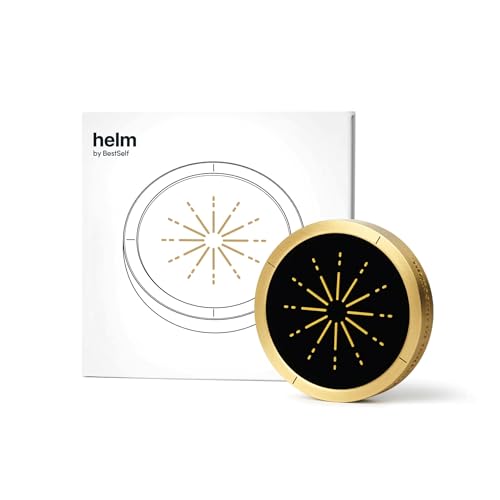
BestSelf Helm Focus Device – Premium NFC-Powered Phone Distraction Blocker Physical App Blocker Tool for Deep Work, ADHD Focus, and Screen-Free Productivity
🔒 Physical Focus, Reclaimed Power – Crafted from solid aerospace-grade brass, Helm transforms your screen time into real…
As an affiliate, we earn on qualifying purchases.
As an affiliate, we earn on qualifying purchases.
Conclusion
Understanding your attention span helps you manage your focus better. Did you know that the average adult’s attention span is about 8 seconds, shorter than a goldfish’s? This means staying engaged requires deliberate effort. By recognizing these limits, you can take steps to improve your focus, like breaking tasks into smaller chunks or minimizing distractions. Keep experimenting with what works best for you, and you’ll find it easier to stay attentive and productive throughout your day.

Champs MMA Boxing Reflex Ball with Punch Counter App | Boxing Equipment – Speed, Agility & Reflex Training | Hand Eye Coordination Training |Adjustable Headband| MMA Gear for Adults & Kids (Advanced)
IMPROVE YOUR BOXING SKILLS – Enhance your hand-eye coordination, agility, and reflexes with our MMA training reflex ball….
As an affiliate, we earn on qualifying purchases.
As an affiliate, we earn on qualifying purchases.

Rotating Pomodoro Timer 5, 25, 10 30,60 Mins Preset Stopwatch, Desk Flip ProductivityTimer, ADHD Tool Hexagon, Vibration/Mute/Alarm, for Work, Study, Back to School, Kitchen, Black
A Real Pomodoro Task Timer. The pomodoro technique is a time management method based on 25-minute stretches of…
As an affiliate, we earn on qualifying purchases.
As an affiliate, we earn on qualifying purchases.