

As you grow from childhood into adulthood, your emotional regulation skills become more refined. Young children often rely on external comfort and reacting impulsively, but with practice, you learn to recognize early signs of emotional escalation and use internal strategies like mindfulness to manage feelings better. Over time, these skills develop, helping you stay calmer and more thoughtful during challenging moments. Keep exploring to discover how your emotional skills can continue to improve at every stage of life.
Key Takeaways
- Emotional regulation skills develop gradually, starting with external comfort reliance in early childhood and shifting toward internal strategies over time.
- Recognizing early signs of emotional escalation is crucial for implementing regulation techniques appropriate to each age.
- Mindfulness practices enhance emotional awareness and help children and adolescents manage complex feelings more effectively.
- Younger children often depend on external soothing, while older individuals increasingly use internal skills like self-soothing and reflection.
- Continuous practice and experience across life stages lead to more sophisticated emotional regulation abilities and overall resilience.

Have you ever wondered how your ability to manage emotions changes as you grow? It’s a question many people ask themselves, especially when they notice how their reactions to situations evolve over time. During childhood, your emotional regulation skills are still developing, and that’s perfectly normal. As you progress into adolescence and adulthood, these skills become more refined, allowing you to handle complex feelings more effectively. One of the key tools in this journey is cultivating emotional awareness, which involves recognizing and understanding your feelings as they arise. Developing this awareness isn’t automatic; it requires intentional effort, often through mindfulness techniques. These practices help you pause and observe your emotions without immediately reacting, giving you space to respond thoughtfully rather than impulsively.
Emotional management evolves with age through mindfulness and intentional awareness.
Mindfulness techniques are particularly effective because they anchor you in the present moment. When you practice mindfulness, you pay close attention to your thoughts, bodily sensations, and emotions without judgment. This heightened emotional awareness enables you to identify what you’re feeling and why you’re feeling it. For example, if you’re feeling anxious, mindfulness helps you notice the physical signs—like a racing heart or tense muscles—and accept these sensations rather than trying to suppress or ignore them. Over time, consistently applying mindfulness techniques improves your emotional regulation because it trains your brain to be more aware and less reactive. This increased awareness allows you to choose responses that are aligned with your values rather than being driven solely by immediate emotions.
As you grow older, your ability to regulate emotions becomes more sophisticated because you’ve gained experience and learned new strategies. Early on, you might rely heavily on external sources of comfort or distraction, but with practice, you develop internal skills like emotional awareness and self-soothing techniques. These skills help you navigate difficult feelings such as anger, sadness, or frustration with greater ease. You learn to recognize the early signs of emotional escalation and use mindfulness to de-escalate your reactions before they spiral out of control. This ongoing process of self-discovery and practice allows your emotional regulation to become more flexible and resilient. Additionally, understanding the connection between emotional regulation and overall well-being can motivate continued practice and growth.
Ultimately, cultivating emotional awareness through mindfulness techniques isn’t a one-time achievement; it’s an ongoing journey. Each stage of life brings new challenges, and your ability to manage emotions will continue to evolve. The more you invest in understanding your feelings and practicing mindfulness, the better equipped you are to handle whatever life throws your way. This ongoing growth helps you build emotional resilience, leading to healthier relationships, better decision-making, and an overall sense of well-being.
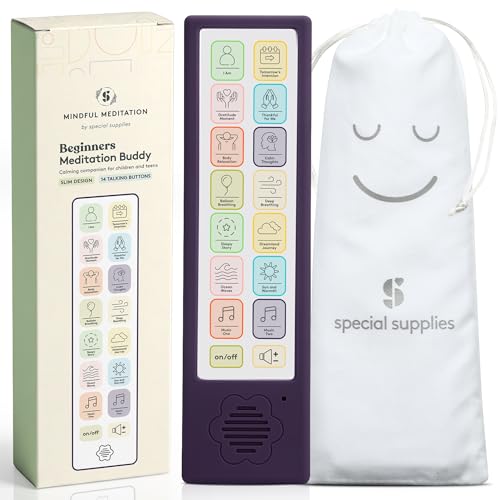
Special Supplies Meditation Buddy – Screen-Free Mindfulness & Breathing Device for Stress Relief, Daily Meditation, Anxiety Relief, Calm Focus & Emotional Balance for Kids and Adults (Kids)
Screen-Free Mindfulness Tool – Enjoy guided meditation, calm breathing, and daily mindfulness without apps, phones, or distractions. Perfect…
As an affiliate, we earn on qualifying purchases.
As an affiliate, we earn on qualifying purchases.
Frequently Asked Questions
How Do Emotional Regulation Skills Develop During Early Childhood?
During early childhood, your child’s emotional regulation skills develop as they gain emotional awareness and learn to manage feelings. They start recognizing emotions in themselves and others, which helps them respond appropriately. Social sharing plays a key role, as they begin expressing emotions and seeking comfort from caregivers. Through these interactions, your child improves their ability to control impulses, adapt to social situations, and build resilience over time.
What Are Effective Strategies for Teenagers to Manage Intense Emotions?
Your emotions can feel like a wild roller coaster, but you can tame that chaos. Try mindfulness techniques like deep breathing or grounding exercises to stay present. Develop coping mechanisms such as journaling, talking to a trusted friend, or physical activity. These tools help you process intense feelings, making them more manageable. With practice, you’ll master emotional regulation, turning those emotional storms into calm seas.
How Does Emotional Regulation Differ in Adults With Mental Health Conditions?
You might notice that adults with mental health challenges often struggle more with emotional regulation. They may find it harder to manage intense feelings because their emotional awareness is heightened or diminished, affecting their responses. These difficulties can lead to emotional outbursts or withdrawal. Developing strategies like mindfulness or therapy helps improve emotional regulation, enabling you to better handle your emotions despite mental health issues, fostering resilience and emotional well-being.
Can Emotional Regulation Skills Be Improved at Any Age?
Yes, you can improve emotional regulation skills at any age. By practicing mindfulness techniques, you become more aware of your emotions and reactions, which helps you respond thoughtfully. Developing emotional intelligence allows you to better understand and manage your feelings, leading to healthier interactions. Consistent effort and patience are key, so incorporate these strategies into your daily routine to enhance your emotional regulation over time.
What Role Do Parents and Caregivers Play in Teaching Emotional Regulation?
You play a vital role in teaching emotional regulation by providing consistent caregiver support and modeling healthy emotional responses through your actions. Your parental modeling shows children how to handle feelings, while your support helps them navigate their emotions effectively. By staying calm during conflicts and validating their feelings, you teach kids important skills they’ll carry into adulthood, fostering emotional resilience and self-control.

Schema Therapy Cards for Inner Child Healing & Emotional Regulation – 52-Card Deck to Break Negative Patterns, Silence The Inner Critic, and Nurture The Healthy Adult – Psychology Tools for Self-Care
DECODE YOUR SUBCONSCIOUS PATTERNS – Based on professional Schema Therapy principles, this deck goes deeper than surface-level affirmations….
As an affiliate, we earn on qualifying purchases.
As an affiliate, we earn on qualifying purchases.
Conclusion
As you watch a child struggle to calm down after a tantrum, you realize emotional regulation is like tending a delicate garden—each skill learned helps it flourish. By age five, kids often master basic self-control, much like a gardener pruning away chaos. Remember, every step you take to nurture their emotional skills is planting seeds for resilience. With patience and care, you’re helping them grow into strong, balanced adults—like a garden thriving in the sun.

The Self-Regulation Workbook for Kids: CBT Exercises and Coping Strategies to Help Children Handle Anxiety, Stress, and Other Strong Emotions
As an affiliate, we earn on qualifying purchases.
As an affiliate, we earn on qualifying purchases.

The Dialectical Behavior Therapy Skills Workbook: Practical DBT Exercises for Learning Mindfulness, Interpersonal Effectiveness, Emotion Regulation, and Distress Tolerance
As an affiliate, we earn on qualifying purchases.
As an affiliate, we earn on qualifying purchases.