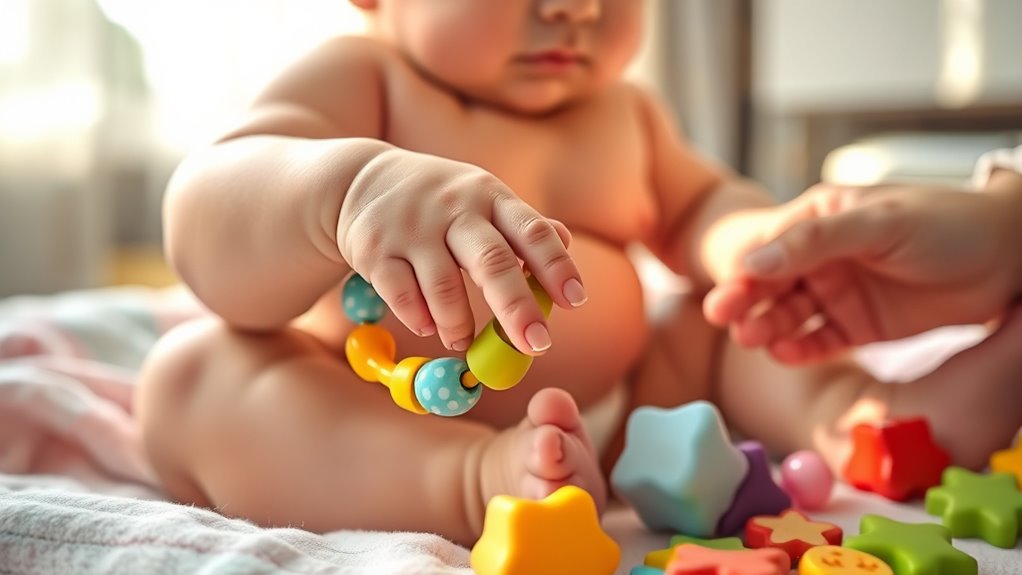

To support your child’s fine motor skills from 0 to 3 years, include sensory play like textured objects and soft toys to build hand muscles, engage in simple art activities such as finger painting and clay modeling to improve grip and control, and encourage games like stacking blocks or puzzles to boost hand-eye coordination. Practical tasks like feeding and dressing help develop independence, while exploring gentle activities with their hands enhances overall dexterity. Keep exploring these ideas to see your child’s skills grow.
Key Takeaways
- Engage infants with textured toys, soft objects, and sensory play to stimulate hand muscles and nerve endings.
- Encourage finger painting, squeezing soft clay, and grasping large objects to develop fine motor control.
- Use simple puzzles and stacking toys to enhance hand-eye coordination and problem-solving skills.
- Promote self-feeding with utensils and dressing activities like buttoning and zipping to foster independence.
- Incorporate activities that involve each hand, such as tearing paper or squeezing balls, to develop hand dominance and strength.

Baby Montessori Sensory Toys for 0-6 6-12 Months, Baby Teether Teething Toys for Babies 0 3 6 9 12 18 Months, Newborn Infant Learning Developmental Toys Gifts for 1 2 Year Old Boys Girls
Multi-Sensory Baby Toy: This baby sensory toy uses 12 kinds of bright colors and textured silicone balls to…
As an affiliate, we earn on qualifying purchases.
As an affiliate, we earn on qualifying purchases.
Sensory Play to Enhance Hand Development
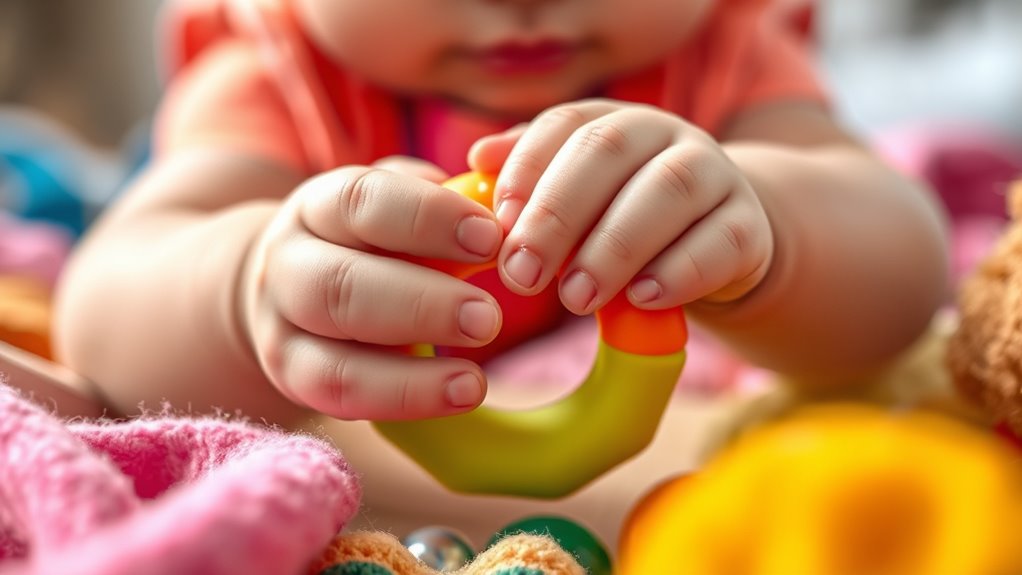
Sensory play is a powerful way to boost hand development because it engages children’s senses and encourages active exploration. When you introduce sensory activities, like playing with textured materials or squishing soft objects, you help your child strengthen the small muscles in their hands and fingers. Sensory play stimulates nerve endings and improves hand-eye coordination, which are vital for fine motor skills. As your child manipulates different textures, they learn to grasp, pinch, and release objects more effectively. These activities also promote hand awareness and dexterity, laying a solid foundation for future tasks such as writing or buttoning. Incorporating sensory play into daily routines supports your child’s hand development in a fun, engaging way that naturally fosters their fine motor skills. Additionally, using appropriate projectors or displays can create immersive environments that enhance sensory experiences in educational settings. Engaging in a variety of sensory activities also encourages neural connections, which are essential for complex motor coordination and learning. Furthermore, providing diverse sensory experiences can help children develop better sensory processing skills, which are crucial for overall development.

Crayola Mess Free Finger Painting Station – Washable Finger Paint for Toddlers, Essential Easter Basket Stuffers, Spring Arts & Crafts Set, Sensory Activity, Travel Toy, Ages 1+
TODDLER FINGER PAINT SET: Features Easy Clean Finger Paint Case, 3 (5 oz) Squeeze Bottles of Washable Finger…
As an affiliate, we earn on qualifying purchases.
As an affiliate, we earn on qualifying purchases.
Creative Art Activities for Tiny Muscles
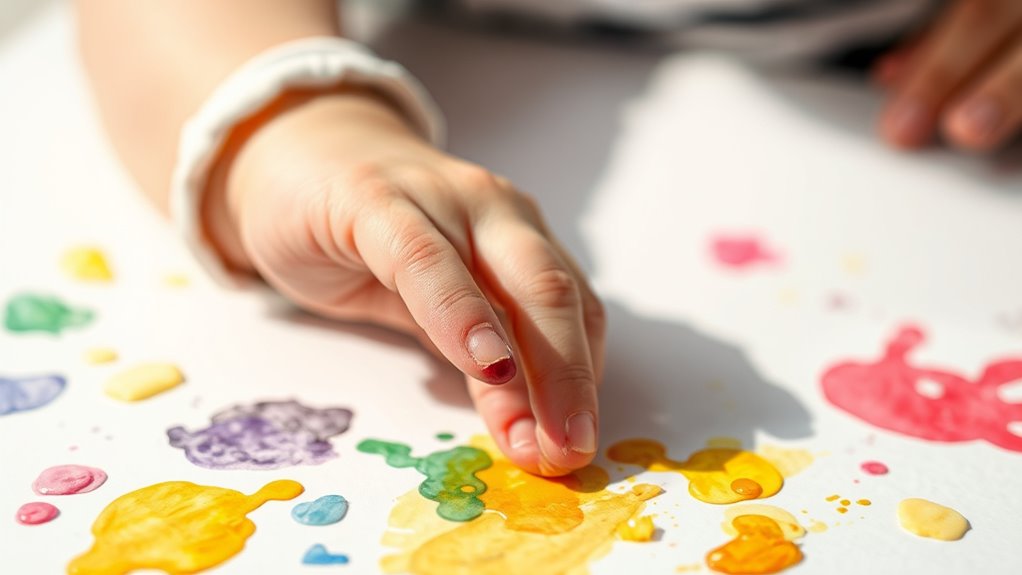
Engaging your child in creative art activities is an excellent way to strengthen their tiny hand muscles. Finger painting allows kids to explore textures and improve their grasp and finger control by spreading colors with their hands. Clay modeling offers a tactile experience that enhances finger strength and dexterity as they pinch, roll, and shape the clay. To get started, consider these activities:
Engage kids with finger painting and clay modeling to boost hand strength and creativity.
- Provide large sheets of paper for finger painting to encourage wide hand movements.
- Use soft, pliable clay for easy manipulation and shaping.
- Encourage mixing colors in finger painting to develop coordination.
- Guide your child in forming simple shapes in clay to build fine motor precision.
- Incorporate activities that involve cooking techniques like kneading dough or squeezing citrus to further develop hand muscles and coordination. Additionally, introducing organized art stations can help children learn to manage their supplies and improve their fine motor planning. These activities nurture muscle development while fostering creativity and sensory exploration.
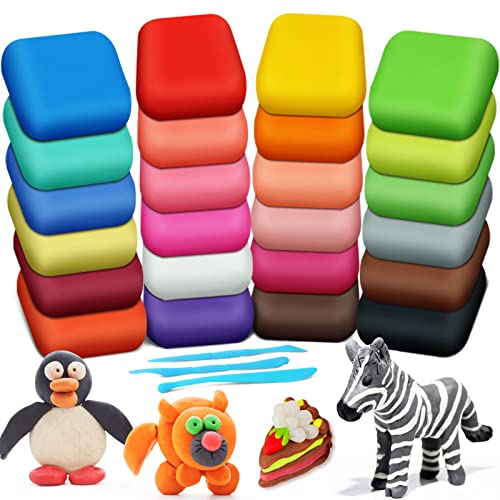
ESSENSON Magic Clay – Air Dry Clay 24 Colors, Modeling Clay for Kids with Tools, Toys Gifts for Age 3 4 5 6 7 8+ Years Old Boys Girls Kids
Clay for Kids: This molding clay kit comes in 24 different colors. Plus, you can combine it in…
As an affiliate, we earn on qualifying purchases.
As an affiliate, we earn on qualifying purchases.
Fine Motor Games for Early Hand-Eye Coordination
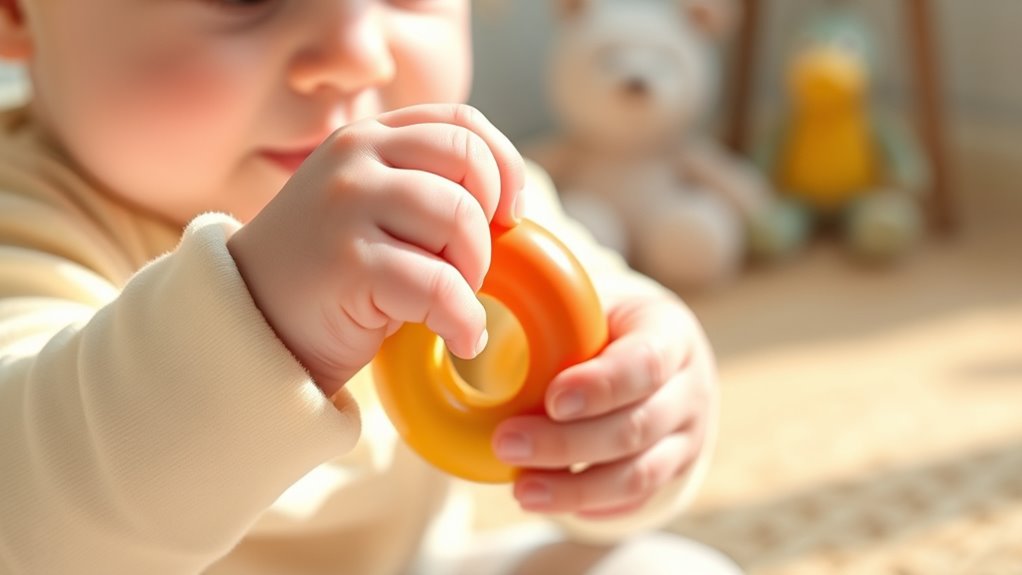
Creative art activities are a fantastic way to build your child’s hand strength and coordination, but incorporating simple fine motor games can further enhance their early hand-eye coordination. Puzzle games are excellent for this, as they encourage your child to fit pieces together, improving their precision and focus. Stacking blocks is another effective activity; it helps develop their ability to grasp, balance, and coordinate their movements while encouraging problem-solving skills. These games promote visual-motor integration as your child learns to align their hand movements with what they see. Keep activities short and engaging, offering plenty of encouragement. Regularly introducing puzzle games and stacking blocks helps your little one refine their fine motor skills, laying a strong foundation for more complex tasks later on. Additionally, engaging in activities that stimulate subconscious power can boost your child’s confidence and enthusiasm for learning new skills. Understanding early development milestones can also guide you in choosing appropriate activities to support their growth.

Montessori Wooden Beads Sequencing Toy Set, Stacking Blocks & Lacing Beads & Matching Shape Stacker for 2 3 4 5 Year Old STEM Preschool Learning Montessori Toys Gifts for Kids Boy Girl Toddler
【Multifunctional Montessori Toys】Our wooden toys comes with 25 X colorful wooden beads with various shapes, 1 X wooden…
As an affiliate, we earn on qualifying purchases.
As an affiliate, we earn on qualifying purchases.
Practical Tasks to Foster Independence and Dexterity

Fostering independence and dexterity in young children can be effectively achieved through everyday practical tasks. These activities build skills like handwriting readiness and utensil mastery. To help your child develop these abilities, consider the following:
Encourage daily practical tasks to boost your child’s independence and fine motor skills naturally.
- Encourage self-feeding with small utensils to improve grip and control.
- Let them practice pouring water or transferring objects to enhance hand-eye coordination.
- Provide opportunities for dressing themselves, such as buttoning or zipping, to refine fine motor movements.
- Offer crayons and markers for drawing and scribbling, supporting handwriting readiness.
- Incorporate the use of age-appropriate toys that promote fine motor skills to reinforce and accelerate their development. This helps children understand the importance of motor development in daily activities.
These tasks promote confidence and skill, making daily routines easier while nurturing essential fine motor development. Consistent practice helps your child gain independence and dexterity naturally.
Tips for Supporting Your Child’s Motor Skill Growth
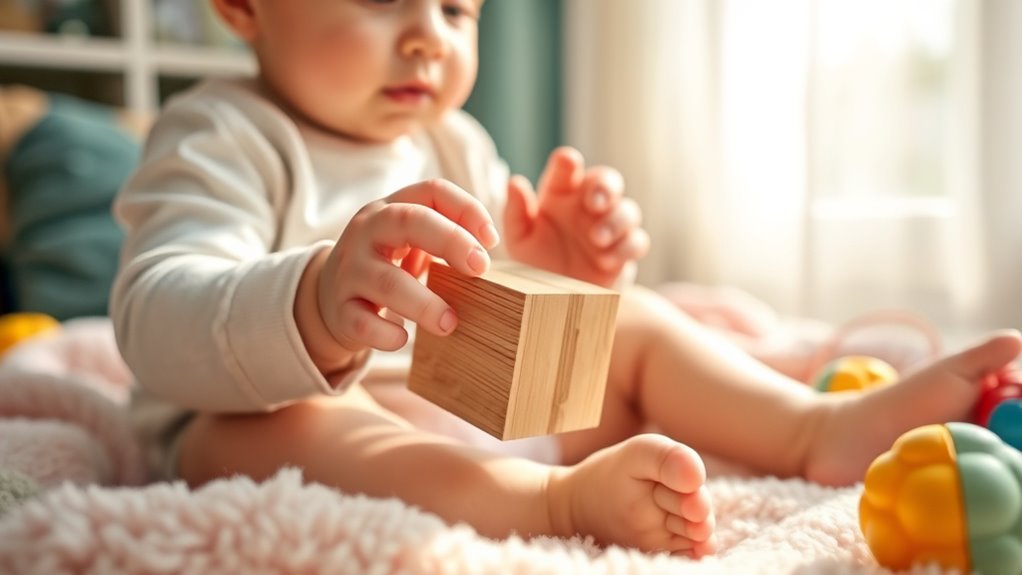
Supporting your child’s motor skill growth requires intentional strategies that encourage practice and confidence. To help develop hand dominance, offer activities that involve each hand separately, like reaching for toys or drawing. This encourages your child to explore their preferred hand naturally. Additionally, focus on activities that strengthen grip strength, such as squeezing soft balls, tearing paper, or grasping small objects. These exercises build the precision needed for fine motor tasks like writing or buttoning. Create a safe environment where your child can freely explore objects and practice movements. Incorporating developmental milestones can further support their development and ensure activities are age-appropriate. Praise their efforts and progress to boost confidence. Remember, consistent, age-appropriate activities foster both hand dominance and grip strength, laying a solid foundation for refined motor skills. Incorporating activities that promote sensory development can further enhance their fine motor abilities and overall growth.
Frequently Asked Questions
When Should I Start Introducing Fine Motor Activities to My Child?
You should start introducing age-appropriate activities as early as 3 months, focusing on simple grasping and reaching to support developmental milestones. By 6 months, encourage activities like picking up small objects to strengthen fine motor skills. Continue progressing with more complex tasks, such as stacking blocks or using utensils, around 12-18 months. Engaging in these activities consistently helps your child develop coordination and hand-eye skills naturally.
How Can I Tell if My Child’s Motor Skills Are Developing Normally?
You can tell if your child’s motor skills are developing normally by observing their ability to reach motor skill milestones, like grasping objects, transferring items between hands, and pincer grips. If your child struggles to meet these milestones or shows signs of developmental delays, it’s wise to consult a pediatrician. Early intervention can help address delays and support healthy motor skill development, ensuring your child reaches their full potential.
Are There Specific Toys That Best Support Fine Motor Skill Development?
You might think specific toys are best for fine motor skills, but research shows a variety of educational toys and sensory play activities work best. Toys like stacking blocks, shape sorters, and textured puzzles help your child develop hand-eye coordination and dexterity. Engaging in sensory play with different materials encourages exploration and strengthens tiny muscles, making these toys essential for supporting your child’s fine motor skill growth from an early age.
How Do I Encourage a Reluctant Child to Practice Fine Motor Skills?
You can encourage a reluctant child to practice fine motor skills through playful encouragement and by offering age-appropriate tools. Make activities fun by turning them into games, like threading beads or squeezing playdough. Show enthusiasm and praise their efforts to boost confidence. Keep tools simple and engaging, ensuring they match your child’s abilities. This positive approach helps your child enjoy practicing and gradually improves their fine motor development.
What Signs Indicate My Child May Need Professional Help With Motor Skills?
Did you know that about 1 in 10 children experience motor delays? If your child struggles to grasp objects, stack blocks, or shows persistent hand weakness past age 2, these may be signs they need early intervention. Pay attention to developmental milestones; if your child isn’t meeting them, consult a professional. Early help can support their growth and improve motor skills, ensuring they reach their full potential.
Conclusion
By blending playful practices with patient perseverance, you’ll nurture your little one’s fine motor skills from infancy onward. Embrace engaging activities that excite and empower, encouraging your child’s curiosity and coordination. With consistent care, creative challenges, and caring cues, you’ll watch tiny muscles strengthen and skills soar. Keep the momentum moving, make learning fun, and remember—your support shapes their skillful, confident steps into the future. Together, you’ll cultivate a confident, capable, and curious child.