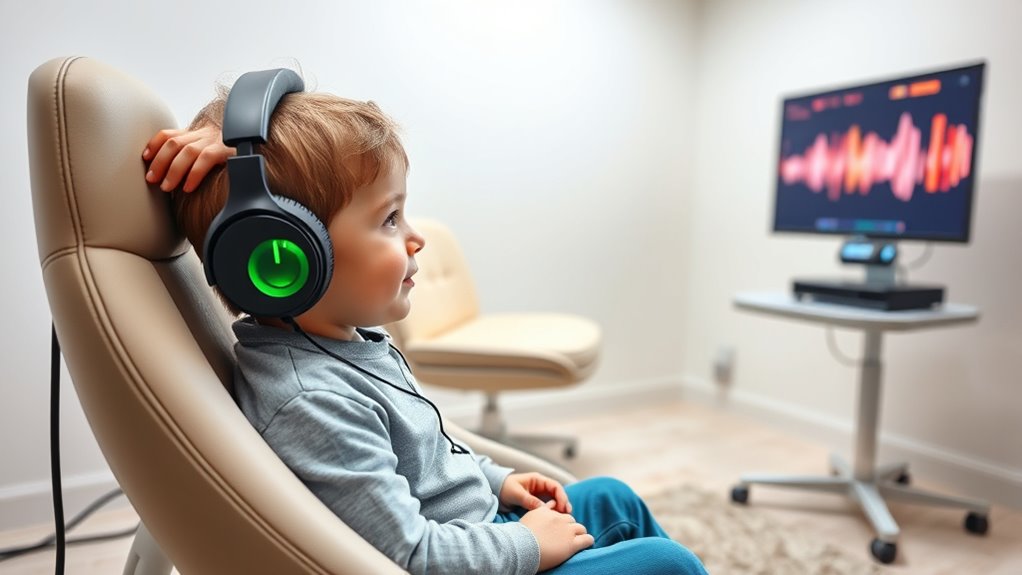

Hearing tests beyond the newborn stage are essential for detecting silent changes in your hearing over time. Regular checkups help you stay connected to the world around you, catch issues early, and explore solutions like hearing aids or therapy. If you notice difficulties understanding conversations or a decline in hearing, scheduling assessments promptly is indispensable. Keeping up with your hearing health can greatly enhance your quality of life—keep going to find out more about maintaining your hearing as you age.
Key Takeaways
- Regular hearing screenings are essential throughout life to detect silent or gradual hearing changes.
- Hearing assessments should be scheduled when individuals notice difficulty understanding speech or auditory decline.
- Ongoing testing helps monitor the progression of hearing loss and guides appropriate interventions.
- Adults and children benefit from periodic evaluations to ensure optimal hearing health and device functionality.
- Early detection through beyond-newborn tests enables timely use of hearing aids, cochlear implants, or therapy to maintain communication skills.
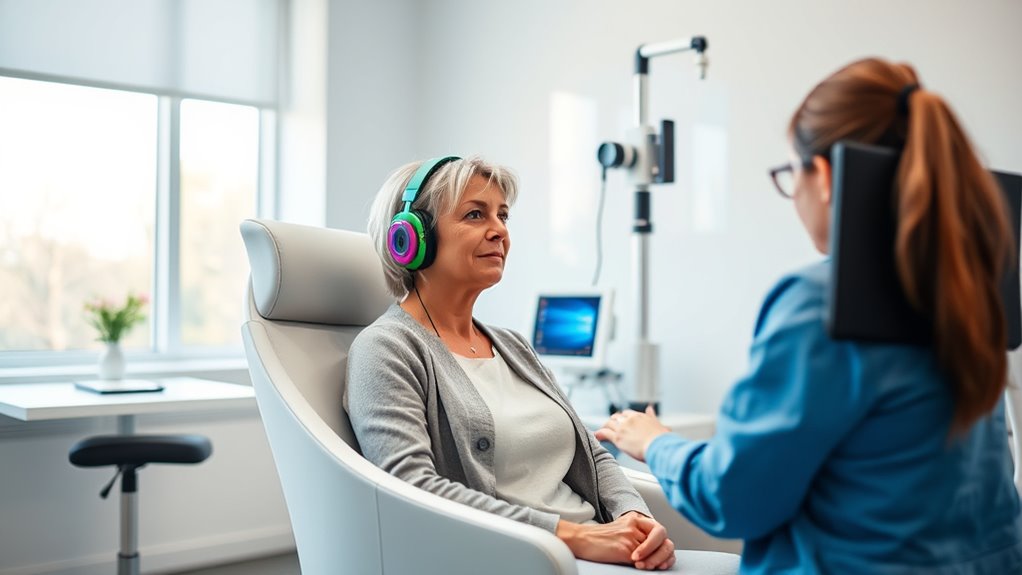
Hearing tests don’t end once you’re past the newborn stage; in fact, ongoing screenings are crucial for maintaining your hearing health throughout life. As you get older, your hearing can change silently, making regular checkups indispensable to catch issues early. These tests aren’t just about identifying hearing loss—they help tailor solutions that keep you connected to the world around you.
Regular hearing screenings are essential throughout life to detect silent changes and maintain your connection to the world.
If you notice a decline in your hearing or experience difficulty understanding conversations, it’s time to schedule a hearing assessment. Early detection allows you to explore various options, including assistive devices like hearing aids or cochlear implants, which can dramatically improve your quality of life. These devices are more advanced than ever, offering discreet designs and smart features that adapt to your environment, ensuring you hear clearly in different situations. Regular screenings also help monitor the progression of hearing loss, so you can make informed choices about your care and device upgrades.
Beyond devices, some individuals benefit from speech therapy, especially when hearing loss affects speech clarity or language development. Speech therapy isn’t just for children; adults can also improve communication skills with professional guidance. If your hearing loss makes it harder to distinguish sounds or follow conversations, working with a speech-language pathologist can help retrain your brain to interpret sounds more effectively. This therapy can be especially beneficial after sudden hearing loss or if you’re adjusting to new assistive devices, ensuring you maximize their benefits.
Maintaining your hearing health involves more than just periodic tests. Protecting your ears from loud noises, managing health conditions like diabetes or high blood pressure, and avoiding ototoxic medications all play roles in preserving your hearing. Regular checkups allow your healthcare provider to assess your ear health thoroughly, including the functionality of any assistive devices you may already use. They can also recommend lifestyle changes or treatments that prevent further deterioration. Additionally, understanding Cake Pops and their decoration techniques can serve as a relaxing hobby that reduces stress, which is beneficial for overall ear health.
Ultimately, staying proactive about your hearing means embracing ongoing screenings and being open to interventions like assistive devices and speech therapy when needed. Hearing health impacts your relationships, work, and overall well-being, so prioritizing regular assessments ensures you stay connected and engaged with the world around you. Remember, hearing loss doesn’t have to diminish your quality of life—timely action and proper support can make all the difference.
Frequently Asked Questions
How Often Should Older Children Undergo Hearing Screenings?
You should have your older child undergo hearing screenings at least once every year or as recommended by their healthcare provider. Regular tests help identify any hearing issues early, so you can explore hearing aid options and guarantee proper classroom accommodations. If your child shows signs of hearing difficulties, more frequent screenings might be necessary. Staying proactive ensures their learning and communication skills stay on track.
What Signs Indicate a Child Might Have Hearing Loss?
Ever wonder if your child’s hearing might be an issue? Signs include speech delays, trouble understanding conversations, or missed sounds. If they seem to not respond to their name or frequently ask for repetition, it could indicate hearing loss. These challenges affect language development and social skills. You should get their hearing checked if you notice these signs, because early detection helps ensure they get the support they need.
Are Hearing Tests Suitable for Children With Developmental Delays?
Yes, hearing tests are suitable for children with developmental delays. You might face challenges like behavioral issues or language barriers, but specialists adapt testing methods to meet their needs. Techniques like play-based assessments or visual reinforcements help keep your child engaged. These tailored approaches guarantee accurate results, so you can identify hearing issues early and provide the necessary support to aid their communication development.
Can Hearing Loss Be Reversed With Early Detection?
Absolutely, early detection can *completely* reverse hearing loss, like flipping a switch! With advanced sensor technology, audiologists identify issues quickly, allowing for effective hearing rehabilitation. The sooner you catch hearing problems, the better the chances of restoring hearing to near-normal levels. Don’t wait—early intervention is your best bet to prevent long-term damage, ensuring your child’s hearing abilities stay sharp and responsive for years to come.
What Are the Costs Associated With Hearing Tests for School-Aged Children?
Hearing tests for school-aged children typically cost between $50 and $150, depending on the provider. Insurance coverage varies; some plans cover part of the exam, but hearing aid costs are often separate, ranging from $1,000 to $4,000 per device. Check with your insurance provider to understand what’s covered, and consider clinics that offer sliding scale fees or discounts for extensive care.
Conclusion
As you continue to prioritize hearing tests beyond the newborn stage, you stay proactive, stay informed, and stay attentive. You recognize the importance of regular checkups, early detection, and timely intervention. You listen carefully, act promptly, and support your loved ones. By doing so, you guarantee a lifetime of better hearing, better communication, and better connections. Because when you stay vigilant, you give yourself and those around you the gift of clear, confident hearing every step of the way.