
TL;DR

Turn the school run and nap time into listening time
- Thousands of audiobooks, podcasts and originals
- Listen on your phone, tablet or Echo — also offline
- Cancel anytime
Kids’ ergonomic backpacks are designed to promote healthy posture by distributing weight evenly and fitting properly. Proper fit and lightweight materials are key to preventing back pain and musculoskeletal issues. Investing in a well-designed backpack supports your child’s health and daily comfort.
Always measure your child’s torso to select a properly fitting backpack.
Limit backpack weight to no more than 10-15% of your child’s body weight.
Look for adjustable straps and padded support features for long-term comfort.
Modern backpacks incorporate lightweight, eco-friendly materials and tech features that support health and style.
Regularly check and adjust the fit as your child grows to prevent strain and promote good posture.
What Makes an Ergonomic Backpack Truly Good for Kids?
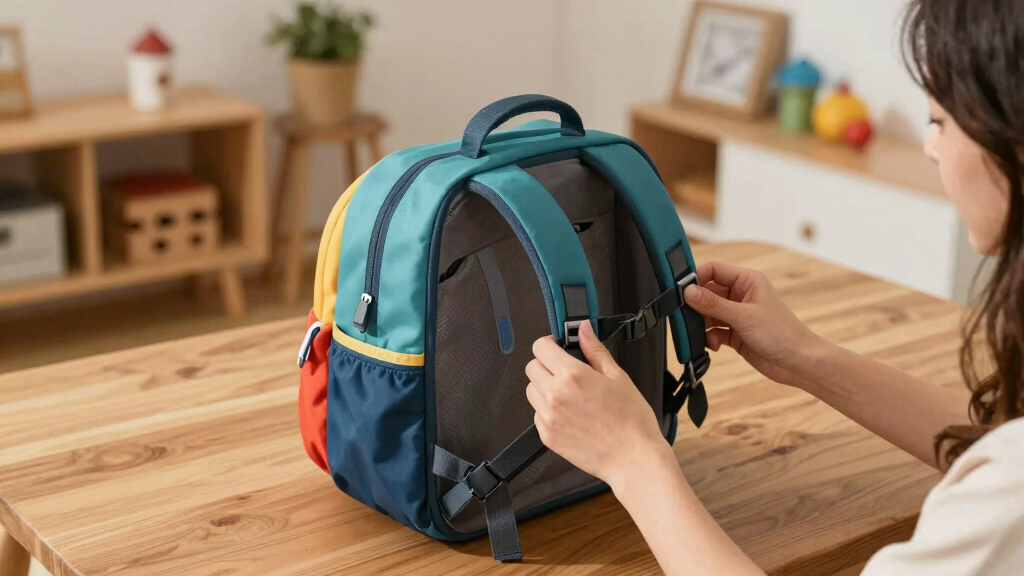
Ever wondered why some backpacks seem to cause discomfort while others feel like a cozy fit? An ergonomic backpack supports healthy posture by evenly distributing weight across the back, shoulders, and hips. Key features include padded shoulder straps, a supportive back panel, and a waist or chest strap to stabilize the load. For example, a backpack with a padded back panel made of breathable mesh can reduce sweating and chafing, making your child more comfortable during long school days.
Think of it like a well-tailored suit for your child’s back — it fits just right and moves with them, not against them. According to the American Academy of Pediatrics, keeping the load at no more than 10-15% of their body weight helps prevent future back problems. Proper size and fit are critical — if the pack hangs too low or sits unevenly, it can cause strain just like an improperly fitted shoe.
Understanding why these features matter helps highlight the importance of choosing a backpack that actively supports your child’s health. For instance, a poorly designed pack that doesn’t distribute weight properly can lead to muscle fatigue, postural misalignment, and even long-term spinal issues. Conversely, investing in an ergonomic design means your child is less likely to develop habits that contribute to back pain later in life, making these features a worthwhile consideration despite potential higher costs or adjustments needed.
Products Worth Considering

LEGO Boost Creative Toolbox 17101 Fun Robot Building Set and Educational Coding Kit for Kids

Graco Ready2Grow LX 2.0 Double Stroller, Clark

Graco Ready2Grow 2.0 Double Stroller
As an affiliate, we earn on qualifying purchases.
How to Pick a Backpack That Supports Healthy Growth
- Measure your child’s torso length. Use a tape measure from the base of the neck to the top of the hips. This measurement is crucial because a backpack that fits well supports proper posture and prevents strain. An ill-fitting pack can cause uneven weight distribution, leading to discomfort and musculoskeletal issues over time.
- Check the weight limit. The backpack should weigh no more than 10-15% of their body weight. For a 50-pound child, that’s about 5-7.5 pounds max. Exceeding this limit forces the child’s muscles and spine to compensate, which can cause fatigue, pain, and poor posture. Choosing a lightweight pack minimizes this risk and encourages healthy habits.
- Look for adjustable straps. These allow you to customize the fit as your child grows, ensuring continued support. Proper adjustment of straps helps distribute weight evenly and prevents the pack from slipping or causing uneven load bearing, which can lead to shoulder or back pain.
- Prioritize padded, breathable straps and back panels. These features are not just about comfort—they also help prevent heat buildup, chafing, and discomfort during long wear. Breathable materials reduce sweating, which can otherwise cause skin irritation or discourage wearing the pack properly.
- Choose multiple compartments. They help distribute weight evenly across different sections, preventing concentrated loads that cause strain. Organized storage also reduces the need for your child to carry unnecessary weight, promoting better posture and easier access to belongings.
For example, a 9-year-old with a 60-inch torso can benefit from a backpack with adjustable straps that grow as they do, avoiding the need for frequent replacements. Properly fitting backpacks promote healthy growth by encouraging correct posture habits early on, which can prevent chronic issues later in life and foster a sense of responsibility for their health.
Comparison Table: Traditional vs. Ergonomic Backpacks
| Feature | Traditional Backpack | Ergonomic Backpack |
|---|---|---|
| Design Focus | Style and capacity | Posture support and weight distribution |
| Weight Limit | Often exceeds recommended 10-15% | Strictly follows weight guidelines |
| Straps | Basic, often non-adjustable | Padded, adjustable, with chest/waist straps |
| Back Panel | Flat, non-supportive | Padded, breathable, ergonomic shape |
| Fit | Varies, often ill-fitting | Customizable to child’s torso size |
Latest Innovations Making Kids’ Backpacks Safer and Cooler
Kids’ backpacks are evolving fast. Manufacturers now use lightweight, eco-friendly fabrics that cut down weight without sacrificing durability. Some backpacks feature adjustable back panels that grow with your child—imagine a pack that adapts over several years, saving money and reducing waste.
Technology is also sneaking in. Think built-in GPS trackers to locate a lost backpack or USB charging ports for devices. Plus, trendy designs with bold colors and fun themes make kids eager to wear them while still supporting their health. According to recent standards, many brands now meet pediatric spine health guidelines, making safety easier for parents to verify.
Why Your Kid’s Backpack Can Make or Break Their Posture
Ever noticed how some kids carry their backpacks like a badge of honor — slung lazily over one shoulder? That’s a red flag. An ergonomic backpack promotes even weight distribution, helping your child maintain natural spine curves. Overloading or poor fit causes muscle strain, uneven posture, and long-term back pain. For example, a backpack that weighs more than 15% of a child’s weight can lead to slouching and shoulder pain within weeks.
Ensuring a proper fit isn’t just about comfort; it’s about preventing future health issues. Regularly checking the fit and adjusting straps keeps the load balanced as your child grows. Think of it like tuning a musical instrument — small tweaks make a big difference in performance and health.
Deeply understanding these impacts emphasizes that choosing the right backpack is an investment in your child’s overall well-being. Poorly supported loads can lead to chronic pain, postural deformities, and even affect their confidence and academic performance. Conversely, a well-fitted, ergonomic backpack fosters good habits early, reducing the risk of long-term health problems and encouraging your child to develop a lifelong awareness of their posture.
What Parents Should Ask Before Buying a Kids’ Ergonomic Backpack
When shopping, ask yourself: Does this backpack support proper posture? Is it adjustable enough to grow with my kid? Does it weigh within the recommended limits? Is it made of breathable, padded materials? And most importantly, does my child like it? Because if they won’t wear it, all the ergonomic features won’t matter.
Check for certifications or standards based on pediatric spine health. A quick tip: let your child try on the backpack, load it with books, and see how it feels after a few minutes. If it slips or causes discomfort, keep looking. Remember, a well-chosen backpack isn’t just about style — it’s about health.
Asking these questions ensures you prioritize your child’s health and comfort, making sure the backpack you choose actively supports their growth. A thoughtful purchase considers not just immediate appearance but long-term health benefits, fostering habits that can prevent back issues and promote good posture for years to come.
Frequently Asked Questions
How do I know if my child’s backpack is ergonomic?
Check for adjustable padded straps, a supportive back panel, and a size that fits snugly without sagging. Also, ensure the weight stays within 10-15% of your child’s body weight. A quick test is to have your child wear it for a few minutes and see if it causes any discomfort or strain.
What is the best way to measure my child’s torso for a backpack?
Use a tape measure from the base of their neck (where the shoulder blades meet) down to the top of their hips. Match this measurement to backpack sizes, which should sit comfortably without hanging below the waist or riding up too high.
Can a backpack cause long-term back problems?
Yes, if it’s too heavy, poorly fitted, or carries uneven weight. Overloading or bad posture can lead to back pain, muscle strain, and spinal issues over time. Choosing an ergonomic pack and keeping the weight within recommended limits helps prevent this.
Are ergonomic backpacks more expensive than regular ones?
They can be slightly pricier due to specialized features like adjustable straps and ergonomic support. However, the health benefits and durability often justify the extra cost. Plus, investing in a quality backpack saves money in the long run by lasting longer and preventing health issues.
When should I replace my child’s backpack?
Replace it when it no longer fits properly, shows signs of wear and tear, or if your child has grown significantly. A poorly fitting or damaged backpack defeats the purpose of ergonomic support and can cause discomfort.