TL;DR

Turn the school run and nap time into listening time
- Thousands of audiobooks, podcasts and originals
- Listen on your phone, tablet or Echo — also offline
- Cancel anytime
A headline-only report describes New York City children choosing classic homemade Halloween costumes, in contrast with national Halloween trends. The underlying article details, evidence, and any named sources are unavailable, so the scale and reasons for the choices are unclear.
A headline-only report says New York City children are favoring classic, homemade Halloween costumes instead of choices described as national trends. The report’s article text and supporting details are unavailable, so it is not clear how many children were observed or what evidence supports the comparison.
The reported development is a contrast between children’s costume choices in New York City and broader Halloween trends. The headline characterizes the city’s choices as classic and homemade, but it does not give examples of costumes, identify the national trends being contrasted, or say how the choices were recorded.
No details are available about the neighborhoods, schools, families, or events involved, or whether the observation came from interviews, a survey, sales information, or another method. There are also no attributable comments from children, parents, retailers, or researchers. The headline supports reporting the stated contrast, but not conclusions about how common it is or why children made those choices.
The timing and scope are also unspecified: the available information does not identify the year, dates of observation, or whether the finding represents one Halloween event or a wider pattern. Readers should treat the description as a reported observation, not a measured citywide trend.
Halloween · New York City · Report at a glance
NYC Kids Buck Halloween Trends With Classic DIY Costume Choices
A headline reports a local preference for classic, homemade costumes. The available article details do not show how widespread the choice is, what national trends it contrasts with, or why children chose these outfits.
A local Halloween contrast
The headline frames New York City costume choices as different from broader Halloween trends, but gives no examples or prior-year comparison.
What the headline says
Children in New York City are reportedly choosing classic homemade costumes instead of following trends described as national.
What remains unclear
The observation’s date, locations, scale, method, and the national choices used for comparison are not available.
Classic, homemade costume choices in New York City
National trends are mentioned, but not named or measured
What the report can support
Without the underlying article, the takeaway is narrow. The headline alone cannot establish prevalence, causes, or change over time.
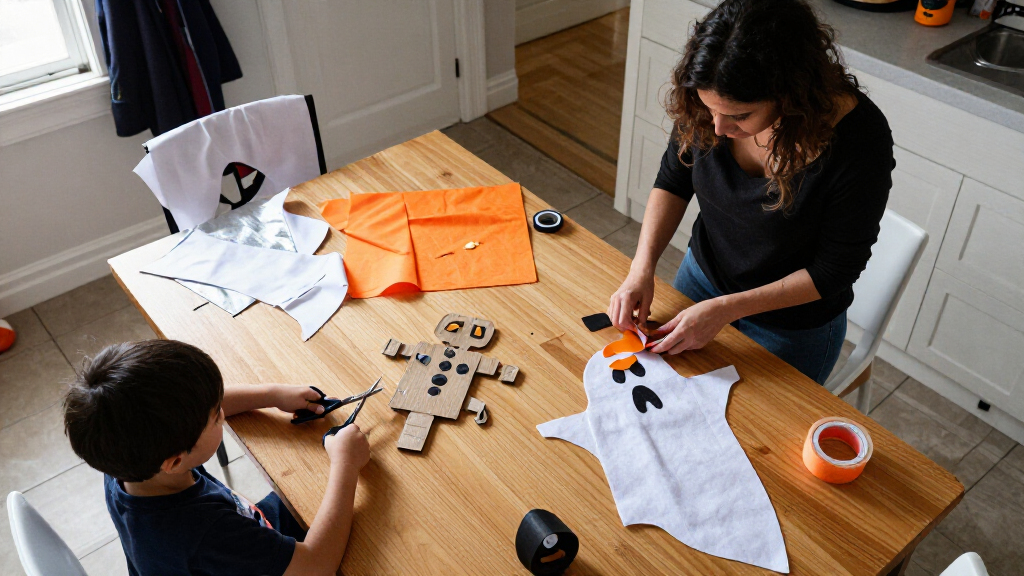
Homemade costumes can involve making or adapting outfits at home. The headline does not say which costumes children wore or whether the choices reflect a wider local pattern.
It also offers no basis to attribute the choices to cost, creativity, family tradition, availability, or any other motivation.
A report about one city, without counts or a comparison method, cannot establish that children elsewhere are moving away from popular costumes or that DIY choices are rising nationally.
What readers still need to know
More reporting would help establish how strong and how broad the claimed contrast is.
How widespread?
The number of children, locations, and dates of observation are unknown.
Which trends?
The headline does not explain what “classic” means or identify the national trends being contrasted.
What evidence?
No survey, interviews, sales information, quotations, or other method is described.
From headline to verified pattern
A simple path for understanding what is stated and what would confirm it.
NYC children reportedly favor classic homemade costumes.
Sample, date, locations, and observation method.
Identify national trends and the basis for comparison.
Use counts or interviews to judge the pattern’s reach.
What Costume Choices May Show
If the reported contrast reflects more than a handful of examples, it offers a local view of how children and families approach Halloween traditions. Homemade costumes can involve making or adapting outfits at home, while a focus on classic choices may differ from what the headline calls national trends. But the available information does not establish whether cost, creativity, family tradition, availability, or another factor influenced the choices.
The distinction matters to readers because broad trend claims can obscure local differences. A single city’s reported choices do not, by themselves, show that children elsewhere are abandoning popular costumes or that homemade outfits are becoming more common nationally. Without counts or a stated comparison method, the article’s headline is best understood as a local observation rather than evidence of a wider shift.
Products Worth Considering

LEGO Icons Tranquil Garden Building Set – Japanese Zen Garden DIY Kit for Adults, 10315

LEGO Boost Creative Toolbox 17101 Robot Building and Coding Kit, 847 Pieces

Graco Magnum X5 Airless Paint Sprayer
As an affiliate, we earn on qualifying purchases.
A Local Halloween Contrast
Halloween costume reporting often compares familiar dress-up choices with characters or styles gaining attention in a particular year. Here, the only available detail is the headline’s contrast between New York City children and national trends; it does not identify those trends or provide prior-year comparisons.
That gap limits what can be said about change over time. There is no information establishing whether classic homemade costumes are more popular than they were in previous years, whether the choices differ from other cities, or whether the headline reflects a recurring tradition in the neighborhoods involved.
Evidence Behind the Trend Claim
The underlying article text is unavailable, leaving key points unverified. It is not clear how the costume choices were observed, how many children were included, what “classic” means in this report, or which national trends provide the comparison. No names, quotations, data, or methodology are available to clarify those points.
It is also unknown whether the headline describes a representative sample, a particular Halloween gathering, or an anecdotal impression. No explanation is provided for why children chose homemade costumes, and there is no basis to say whether the reported pattern continued beyond the observation described.
Details Needed to Verify the Pattern
Further reporting would need to establish when and where the observations took place, how many children were included, and how the choices were classified. Identifying the national trends used for comparison, along with any data or interview method, would help readers judge the strength and reach of the claim.
Until those details are available, the confirmed takeaway remains limited to the headline’s description: New York City children were reported to favor classic homemade costumes. Whether that represents a broad local pattern, how it compares with other places, and what motivated the choices remain unresolved.
Source: rss
Key Questions
What is the reported Halloween costume trend in New York City?
The headline says children in New York City are choosing classic homemade costumes rather than following trends described as national. The available details do not explain how that finding was reached.
Which national Halloween trends are being contrasted?
The headline does not identify the national trends. No examples or comparison data are available.
How many children were included in the report?
The number of children, locations, and method of observation are not provided, so the scale of the reported pattern is unclear.
Why are children choosing homemade costumes?
No reasons are given in the available information. It does not establish whether family tradition, cost, creativity, or other factors played a role.
Source: news.google.com