

To support a growth mindset early, focus on praising effort rather than innate ability, and give specific feedback like “You worked really hard.” Encourage your child to view setbacks as opportunities to learn, and consistently reinforce this message through your actions and words. Celebrate perseverance and normalize mistakes as part of growth. Modeling resilience yourself also helps nurture a resilient, confident attitude. Keep exploring ways to foster a positive learning environment—more tips await if you continue.
Key Takeaways
- Praise effort and persistence rather than innate ability to foster resilience and motivation.
- Maintain consistent messaging and encourage reflection to help children interpret setbacks as learning opportunities.
- Normalize mistakes and model resilience by sharing personal experiences of overcoming failures.
- Create a safe environment that celebrates perseverance and encourages taking risks for growth.
- Recognize the long-term impact of fostering a growth mindset, including confidence, grit, and a positive attitude towards challenges.
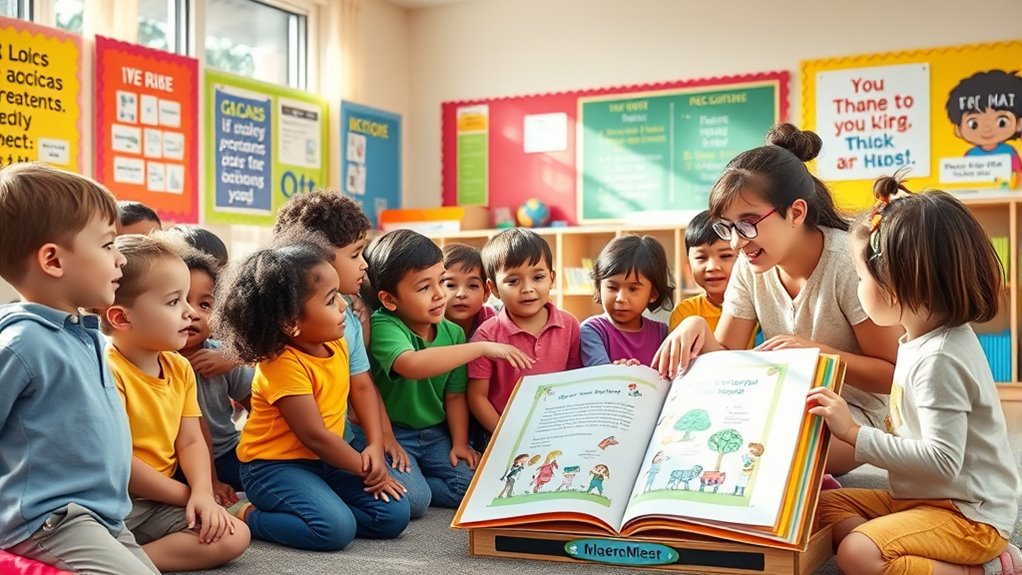
Fostering a growth mindset early sets the foundation for lifelong learning and resilience. As a parent or caregiver, your role in shaping how a child perceives challenges and setbacks is essential. Parental encouragement plays a key part in this process. When you praise effort rather than innate ability, you help your child understand that skills can be developed through persistence. For example, instead of saying “You’re so smart,” you might say, “You worked really hard on that,” signaling that effort leads to success. This kind of encouragement boosts confidence and reinforces the idea that setbacks are opportunities to learn, not signs of failure. Over time, this approach cultivates resilience building—an fundamental trait that helps children bounce back from difficulties and persist through obstacles.
Supporting a growth mindset requires consistency. When your child faces a challenge, resist the urge to fix the problem for them or minimize their struggles. Instead, acknowledge their effort and guide them to see setbacks as part of the learning process. You can ask questions like, “What did you learn from this?” or “What could you try differently next time?” These prompts encourage reflection and reinforce that growth comes from effort and experimentation. Your words and actions set the tone that failure isn’t final but rather a stepping stone toward mastery. This mindset nurtures resilience, enabling your child to view difficulties as manageable and solvable rather than intimidating or insurmountable.
Acknowledge effort, ask reflective questions, and view setbacks as learning opportunities to foster resilience.
Resilience building isn’t just about how you respond to setbacks; it’s also about creating an environment where your child feels safe to take risks. Celebrate their perseverance, not just their successes, and normalize mistakes as part of growth. When you model a growth mindset yourself—by sharing stories of your own failures and how you overcame them—you show that resilience is a lifelong skill. That consistency in attitude and language can greatly influence your child’s approach to learning and adversity. Additionally, understanding that Sleep impacts cognitive function can further support their overall development and ability to handle challenges. Remember, fostering resilience and a growth mindset doesn’t happen overnight. It’s a continuous process that becomes ingrained through your everyday interactions, encouragement, and the way you frame challenges.
Ultimately, your support helps nurture a mindset that values effort, embraces challenges, and sees failures as opportunities. By providing parental encouragement focused on resilience building, you empower your child to develop a positive outlook on learning and life’s inevitable setbacks. This early foundation not only boosts confidence but also instills the grit and perseverance needed for future success. With your guidance, your child can grow into a resilient individual who understands that growth is a journey, not just a destination.
Frequently Asked Questions
How Can Parents Effectively Encourage a Growth Mindset at Home?
You can encourage a growth mindset at home by using positive reinforcement to celebrate effort, not just success. Set realistic goals that challenge your child without overwhelming them, helping them see progress. Praise persistence and problem-solving, showing that mistakes are learning opportunities. Your encouragement builds resilience and confidence, guiding your child to embrace challenges and understand that abilities grow with dedication and hard work.
What Are Common Mistakes to Avoid When Fostering Growth Mindset?
Like a knight in shining armor, avoid overpraising your child’s efforts, as it can reinforce a fixed mindset. Don’t focus solely on innate talent or intelligence; instead, praise persistence and strategy. Be cautious of setting unrealistic expectations or criticizing mistakes, which might discourage growth. Remember, fostering a growth mindset involves encouraging curiosity and resilience, not creating pressure or giving false praise. Stay authentic and supportive to help them thrive.
How Does a Growth Mindset Impact Long-Term Academic Success?
A growth mindset boosts your long-term academic success by strengthening your academic resilience and motivation development. When you believe effort leads to improvement, you’re more likely to embrace challenges, learn from setbacks, and persist through difficulties. This mindset fosters a positive attitude toward learning, helping you stay motivated and resilient over time. As a result, you build skills more effectively and achieve sustained academic progress, setting a strong foundation for future success.
Are There Specific Activities That Promote a Growth Mindset in Young Children?
You can promote a growth mindset in young children through simple activities like praise for effort, problem-solving games, and encouraging curiosity. Growth mindset activities, such as storytelling about overcoming challenges and collaborative projects, foster early childhood engagement. These activities help kids see mistakes as opportunities to learn, building resilience and motivation. By consistently integrating them into daily routines, you set a strong foundation for lifelong learning and confidence.
How Can Teachers Assess a Student’s Mindset Development Over Time?
You can assess a student’s mindset development by encouraging regular student reflections, where they share their thoughts on learning challenges and progress. Additionally, using mindset questionnaires periodically helps you gauge shifts in their beliefs about effort and ability. By combining these tools, you gain insight into their mindset growth over time, allowing you to tailor your support and foster a stronger growth mindset in each student.
Conclusion
By nurturing a growth mindset early, you plant the seeds for a flourishing future. Think of your efforts as tending a garden—you’ll see resilience and confidence blossom over time. Remember, your encouragement is the sunlight that helps children grow stronger with each challenge. Keep guiding them with patience and positivity, and watch as their potential blooms into something truly remarkable. Your support is the gentle rain that makes those seeds thrive.