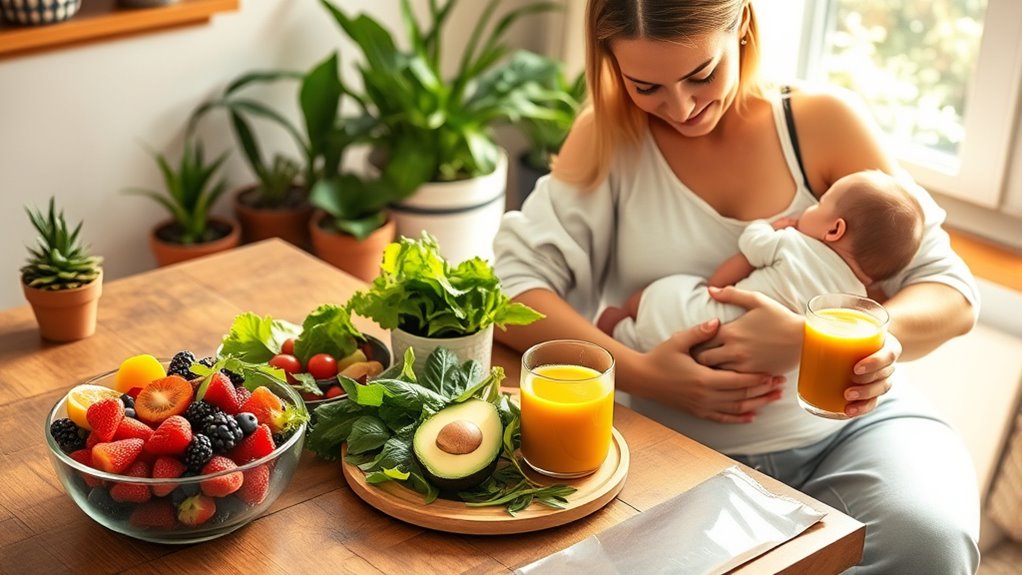

After birth, focusing on nutrient-rich foods like lean proteins, fruits, vegetables, and dairy helps your body heal and boosts your energy. Incorporate iron-rich foods such as leafy greens and lean meats to replenish blood levels, while vitamin C sources like citrus and greens support tissue repair. Staying well-hydrated with plenty of water and herbal teas is essential for healing. Including postpartum vitamins ensures you’re getting necessary nutrients for recovery; keep exploring to learn more about supporting your healing process.
Key Takeaways
- Consume postpartum vitamins containing iron, calcium, vitamin D, and B-complex to replenish nutrients and boost energy.
- Eat protein-rich foods like lean meats, eggs, and beans to promote tissue repair and reduce inflammation.
- Maintain hydration with at least 8-10 glasses of water daily, incorporating herbal teas and broths for additional nutrients.
- Include zinc and iron-rich foods such as pumpkin seeds and leafy greens to accelerate wound healing and prevent anemia.
- Respect cultural dietary practices by integrating traditional nutrient-rich foods to support personalized postpartum recovery.
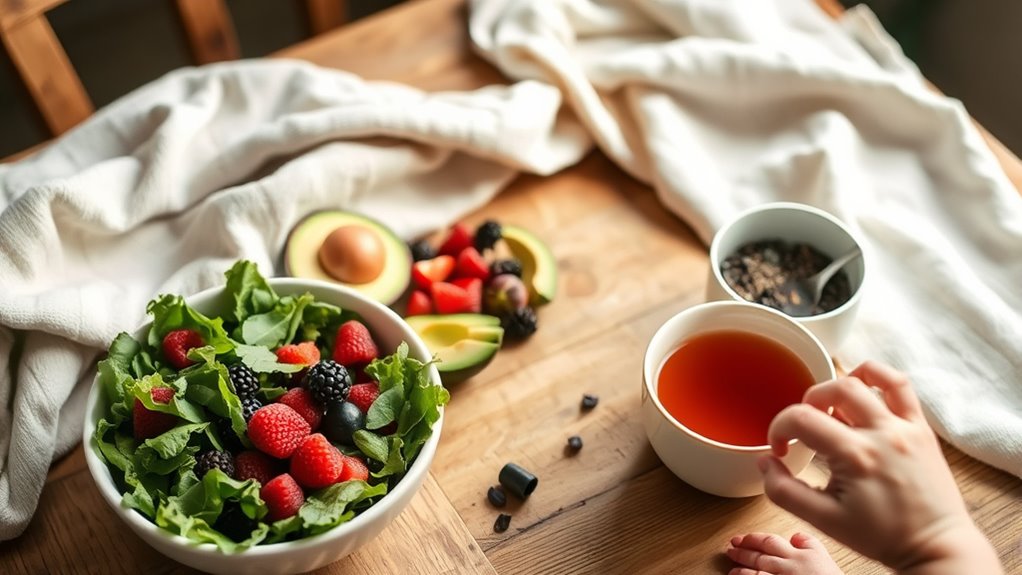
After giving birth, your body needs proper nourishment to recover and restore energy. This is a critical time to focus on nutrient-rich foods and supplements that support healing and overall well-being. Postpartum vitamins can fill nutritional gaps, ensuring you get the essential nutrients your body needs during this recovery phase. Typically, a good postpartum vitamin includes iron, calcium, vitamin D, and B-complex vitamins, which help replenish blood levels, strengthen bones, and boost energy. Taking these supplements consistently can help combat fatigue, improve mood, and support your immune system.
Alongside postpartum vitamins, paying attention to wound recovery foods is essential. If you had stitches or an episiotomy, your body needs specific nutrients to promote tissue repair and reduce inflammation. Protein-rich foods like lean meats, eggs, dairy, beans, and nuts play a critical role in tissue regeneration. Incorporate these into your meals to give your body the building blocks it needs to heal faster. Vitamin C is another key player in wound healing, so include citrus fruits, strawberries, bell peppers, and leafy greens. Not only does vitamin C support collagen production, but it also boosts your immune system, helping you fight off infections.
Hydration is also essential in this process. Water helps transport nutrients to your tissues, flush out toxins, and keep your skin supple during recovery. Aim for at least 8-10 glasses a day, and consider herbal teas or broth if you need variety. Incorporate foods rich in zinc, like pumpkin seeds, chickpeas, and lean meats, because zinc accelerates wound healing and immune function. Iron-rich foods are equally important, especially if you experienced significant blood loss during delivery. Leafy greens, lean red meats, and fortified cereals can help restore iron levels and prevent anemia, which can cause fatigue and slow recovery. Additionally, understanding cultural influences on postpartum nutrition can help tailor recovery plans that respect individual traditions and beliefs.

Nature Made Postnatal Multivitamin + DHA 200 mg, Postnatal Vitamins for Women, Includes Iron, Vitamin D3, Calcium, Iodine & More for Breastfeeding Moms, 60 Softgels
60-DAY SUPPLY, ONE DAILY SOFTGEL: Adults take 1 softgel daily with water and a meal. Each serving (1…
As an affiliate, we earn on qualifying purchases.
As an affiliate, we earn on qualifying purchases.
Frequently Asked Questions
How Soon Should I Start Postpartum Nutrition?
You should start postpartum nutrition as soon as possible after birth, ideally immediately or within the first few hours. Good nutrition supports breastfeeding benefits and helps your body recover. Focus on hydrating well, eating nutrient-rich foods, and gradually reintroducing postpartum exercise. Proper nourishment boosts your energy, heals your body faster, and guarantees your baby gets essential nutrients through breastfeeding. The sooner you prioritize your nutrition, the quicker you’ll regain strength and well-being.
Are Supplements Necessary for Recovery?
Supplements can be helpful, but they’re not always necessary for recovery, especially if you prioritize nutritious foods. While breastfeeding support and postpartum weight loss are key goals, your body may need extra vitamins or minerals to heal and boost energy. Consult your healthcare provider to determine if supplements suit your needs. Remember, a balanced diet often provides most nutrients, but supplements can fill in gaps if needed.
Can I Eat Spicy or Allergenic Foods?
You can eat spicy foods and allergenic foods if your body tolerates them, but it’s best to introduce them gradually. Spicy foods might cause discomfort or indigestion, so start with small amounts to see how you feel. Allergenic foods, like nuts or shellfish, could trigger allergies or sensitivities, so avoid them if you have a history of reactions. Listen to your body and consult your healthcare provider if unsure.
How Does Hydration Impact Healing?
Hydration impacts healing by maintaining fluid balance, which is essential for tissue repair and reducing inflammation. When you optimize hydration, your body can deliver nutrients more effectively and flush out toxins, speeding up recovery. Drinking enough water supports your immune system and prevents dehydration-related issues like fatigue and sluggish healing. Keep a consistent fluid intake to guarantee your body stays well-hydrated, promoting quicker and smoother postpartum healing.
Are There Specific Nutrients for Mental Health?
Think of your brain as a garden that needs specific nutrients to flourish. Postpartum mood can be influenced by brain nutrients like omega-3 fatty acids, vitamin D, and B vitamins. These nutrients support neurotransmitter function and reduce feelings of depression. When you include foods rich in these, such as fatty fish, eggs, and leafy greens, you nurture your mental health, helping your postpartum recovery thrive just like a well-tended garden.

Boobie Body Superfood Protein Pregnancy and Postpartum Meal Replacement Shake, Vanilla Chai Flavor | 19g Protein | Safe for Lactation & Motherhood | Organic, Vegan, Zero Sugar, 1 Tub (20 Servings)
Your Daily Dose of Boobie-Approved Superfoods: Supermoms, get ready for a super boost! Our vegan protein powder comes…
As an affiliate, we earn on qualifying purchases.
As an affiliate, we earn on qualifying purchases.
Conclusion
By prioritizing nutrient-rich foods, you’re giving your body the ultimate gift—accelerating healing at a pace that feels almost miraculous. Every bite fuels your recovery, restores your strength, and helps you regain your vitality faster than you might imagine. Remember, what you eat now has the power to turn your post-birth healing journey into a transformation so profound, it’s like witnessing a miracle unfold right before your eyes. Nourish yourself—you deserve nothing less.

Pure Encapsulations Zinc 30 mg – Supplement for Immune System Support, Growth and Development, and Wound Healing* – with Zinc Picolinate 30 mg – 60 Capsules
Immune Support Supplement: Zinc supports the body's natural defense system; aids immune system function, wound healing, and the…
As an affiliate, we earn on qualifying purchases.
As an affiliate, we earn on qualifying purchases.
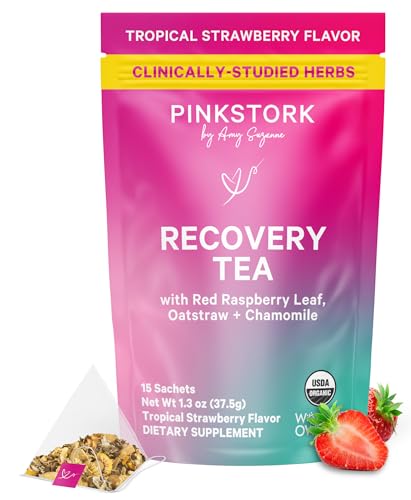
Pink Stork Postpartum Recovery® Herbal Tea, Organic Red Raspberry Leaf with Chamomile, Hormone Balance for Women After Labor & Delivery, Strawberry, Postpartum Essentials, Caffeine-Free, 15 Sachets
LABOR AND DELIVERY ESSENTIALS: You just had a baby – congratulations!! Now, what…? Pink Stork Postpartum Recovery Tea…
As an affiliate, we earn on qualifying purchases.
As an affiliate, we earn on qualifying purchases.