
Relaxation audio routines for toddlers combine calming sounds, gentle narration, and soothing stories to create a peaceful environment that signals bedtime and promotes emotional regulation. You can include soft music, nature sounds, or guided imagery to help your little one unwind. Consistent routines help babies feel secure and make sleep easier. Keep listening to discover simple ways to design and implement effective relaxation audio practices that grow with your child.
Key Takeaways
- Incorporate calming sounds, gentle voices, and soothing music to create a relaxing environment for toddlers.
- Use simple guided meditations like deep breathing and imagery to help children manage emotions.
- Include bedtime stories with slow, peaceful narration to signal winding down and promote sleep.
- Establish a consistent routine with familiar audio elements to build security and predictability.
- Long-term benefits include improved self-regulation, better sleep habits, and reduced bedtime resistance.

In today’s busy world, helping your toddler find calm can be a challenge, but relaxation audio routines offer an effective solution. These routines use calming sounds, gentle voices, and soothing music to create a peaceful environment that encourages relaxation. One of the most effective ways to introduce your little one to relaxation is through the use of meditation techniques tailored for toddlers. Short, simple practices like deep breathing or guided imagery can help your child learn to manage their emotions and settle down more easily. When you incorporate these meditation techniques into their daily routine, you’re giving them tools to cope with stress and anxiety, even at a young age. Many relaxation audio routines include guided meditations designed specifically for toddlers, which often involve calming prompts and gentle guidance that your child can follow along with without feeling overwhelmed.
Bedtime stories are another key component of relaxation audio routines. When you listen to a soft, calming narration of a gentle story, it signals to your toddler that it’s time to wind down. These stories tend to be slow-paced, with peaceful language and soothing voices that help your little one transition from active daytime play to restful sleep. The combination of storytelling and calming sounds creates a comforting environment, making it easier for your child to relax and drift off naturally. You might notice that over time, your toddler begins to associate these stories with bedtime, helping establish a predictable routine that reduces bedtime resistance.
Using relaxation audio routines with bedtime stories also helps your toddler develop listening skills and a love for stories, all while calming their mind. The key is consistency—playing the same routine each night helps your child anticipate the calming experience and feel secure. You can choose audio recordings that feature gentle music, nature sounds, or soft spoken words to complement the stories. These elements work together to create a multisensory experience that soothes your toddler and reduces bedtime battles. Incorporating sleep hygiene principles into these routines can further enhance their effectiveness by promoting healthy sleep habits.
Ultimately, by integrating meditation techniques and bedtime stories into relaxation audio routines, you give your toddler tools to self-regulate and find calm more easily. These routines foster a sense of security and help them develop healthy sleep habits that will serve them well as they grow. With patience and consistency, you’ll notice your little one settling down faster, sleeping more peacefully, and waking up refreshed and ready for the day ahead.
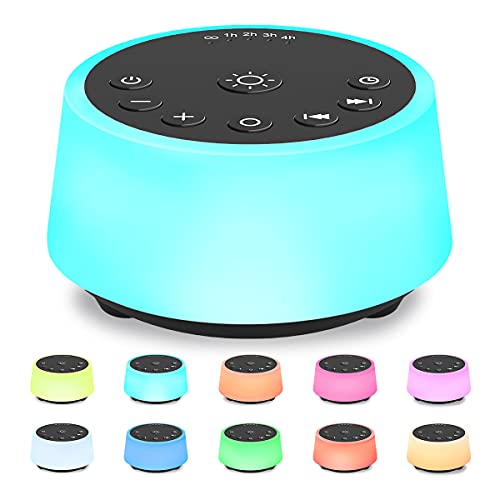
Color Noise Sound Machines with 10 Colors Night Light 25 Soothing Sounds and Sleep White Noise Machine 32 Volume Levels 5 Timers Adjustable Brightness Memory Function for Adults Kids Baby
♪【25 High-fidelity and Soothing Sounds】 There are 4 types of white noise, 4 fan sounds, 3 sea wave…
As an affiliate, we earn on qualifying purchases.
As an affiliate, we earn on qualifying purchases.
Frequently Asked Questions
What Are the Best Types of Sounds for Toddler Relaxation?
You should choose calming melodies and nature sounds for toddler relaxation. Soft, gentle music helps soothe your little one, creating a peaceful environment. Nature sounds like flowing water, birdsong, or rustling leaves can also calm their mind and body. These sounds promote relaxation and better sleep, making it easier for your toddler to unwind. Use a mix of both to develop a soothing routine that keeps your child relaxed and happy.
How Long Should Relaxation Audio Sessions Last for Toddlers?
For toddlers, keep relaxation audio sessions between 10 to 15 minutes. This duration aligns with typical attention spans and helps prevent overstimulation. Follow the duration guidelines by observing your child’s cues; if they seem calm and relaxed, it’s a good time to end the session. Shorter, consistent sessions work best, allowing your toddler to gradually associate these routines with calmness and sleep without feeling overwhelmed.
Can Relaxation Audio Routines Replace Bedtime Routines?
Relaxation audio routines can complement bedtime stories and sleep training, but they shouldn’t fully replace your bedtime routine. You want to create a calming environment, establish consistency, and promote sleep independence. Think of relaxation audios as a gentle passage—like a soothing lullaby—helping your toddler wind down. Together with bedtime stories, they reinforce a peaceful bedtime, making sleep training more effective and fostering a sense of security.
Are There Any Safety Concerns With Using Audio Devices?
Yes, there are safety concerns with using audio devices. You should keep volume levels low to prevent hearing damage and place the device away from your toddler’s sleeping area to avoid overheating or interference. Always supervise use and make sure the device is in good condition. By adjusting volume levels and careful device placement, you can help ensure your child’s safety while enjoying calming audio routines.
How Can Parents Customize Relaxation Routines for Their Child?
You can customize relaxation routines for your child by involving yourself actively, ensuring routine consistency. Choose calming sounds or stories your child enjoys, and incorporate them into a set schedule. Pay attention to your child’s reactions and adjust the volume or content accordingly. Parental involvement helps create a safe, comforting environment, making the routine more effective. Consistent timing and personalized elements make relaxation routines enjoyable and beneficial for your toddler.

Mindfulness 'Breathing Owl' | 4-7-8 Guided Visual Meditation Breathing Light | 3 in 1 Device with Night Light & Noise Machine for ADHD Anxiety Stress Relief Sleep – Gift for Kids Adult Women Men
Ultimate 3 in 1 Solution for Mindful Breathing: Rainlax, the 3-in-1 device that combines a breathing light, night…
As an affiliate, we earn on qualifying purchases.
As an affiliate, we earn on qualifying purchases.
Conclusion
By incorporating relaxation audio routines into your toddler’s day, you’re planting seeds of calm that grow into a peaceful, happy mind. Think of these routines as gentle waves, washing away worries and leaving behind tranquility. With consistent practice, you’ll help your little one sail smoothly through stress and into restful sleep. Remember, patience and consistency are your compass—guiding your toddler toward serenity, one soothing sound at a time.
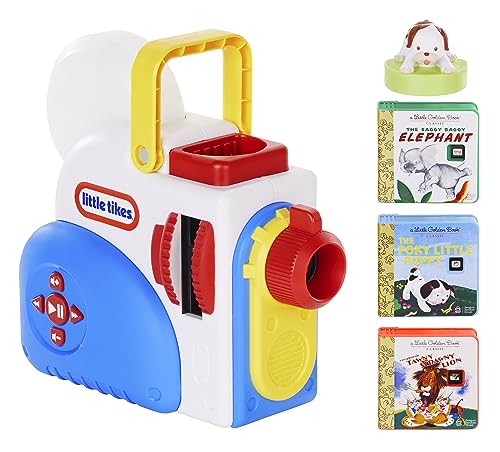
Little Tikes Story Dream Machine Starter Set, Storytime, Books, Little Golden Book, Audio Play, The Poky Little Puppy Character, Nightlight, Toy Gift for Toddlers and Kids Girls Boys Ages 3+
BRING STORYTIME TO LIFE – Watch, listen, and read along to stories like The Poky Little Puppy, as…
As an affiliate, we earn on qualifying purchases.
As an affiliate, we earn on qualifying purchases.

Cloudb Cloudbox Storytime Audio Story Books Toy Gift for Toddlers Kids Girls Boys | English/Spanish Voice Record Storyteller | 36 Stories, 8 Melodies, Star Projector Night Light White Noise Dreambox
Magic for Kids – Cloudbox is more than a kids story box, it’s a magical world of characters,…
As an affiliate, we earn on qualifying purchases.
As an affiliate, we earn on qualifying purchases.