
When hiccups strike your newborn, it's like trying to solve a puzzle with missing pieces. You may be wondering what quick fixes can help soothe your little one.

Turn the school run and nap time into listening time
- Thousands of audiobooks, podcasts and originals
- Listen on your phone, tablet or Echo — also offline
- Cancel anytime
Well, imagine having a few simple tricks up your sleeve that could provide instant relief. Wouldn't that be a game-changer for those abrupt hiccup episodes?
Let's explore these efficient methods to ease hiccups in newborns and restore peace and comfort to your baby.
Key Takeaways
- Burp baby frequently to release trapped air and ease hiccups.
- Offer a pacifier to relax the diaphragm and stop hiccups effectively.
- Hold baby upright to reduce hiccups by releasing trapped air.
- Seek medical advice for persistent or severe hiccups in newborns.
newborn baby hiccup relief pacifier
As an affiliate, we earn on qualifying purchases.
As an affiliate, we earn on qualifying purchases.
Simple Soothing Techniques
When your baby starts hiccuping, it can be concerning, but there are simple ways to help them. One common cause of hiccups in babies is swallowing air while feeding, so try burping them more frequently during and after meals. This can release trapped air and ease their discomfort. Offering a pacifier to your little one may also help relax their diaphragm and stop the hiccups effectively.
Changing your baby's position can make a difference too. Holding them upright against your shoulder or sitting them up slightly could aid in alleviating those pesky hiccups. Remember, gentle movements can make a big impact. Sometimes a gentle rub on their back can help disperse any air bubbles that might be causing the hiccups, providing relief.
Gentle Patting and Rubbing
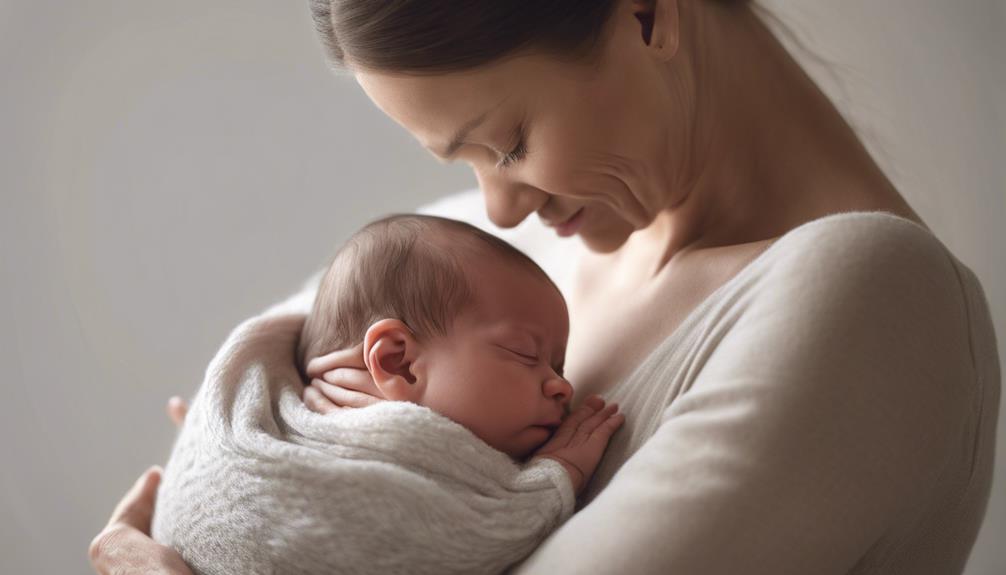
To assist your newborn with hiccups, gently patting and rubbing their back can effectively release trapped air and provide comfort. By utilizing this simple technique, you can prevent and alleviate those pesky baby hiccups.
Here are some key points to bear in mind:
- Release Trapped Air: Gentle patting and rubbing on your baby's back can help release trapped air that may be causing the hiccups.
- Relax Diaphragm: This method aids in relaxing the diaphragm, which can help in stopping hiccups in newborns.
- Soothe and Comfort: Patting and rubbing your baby's back not only helps release air but also soothes them, providing comfort during hiccups.
- Assist in Alleviating Spasms: By gently stimulating the baby's back, you can aid in alleviating the spasms that lead to hiccups.
Calming Holding Positions
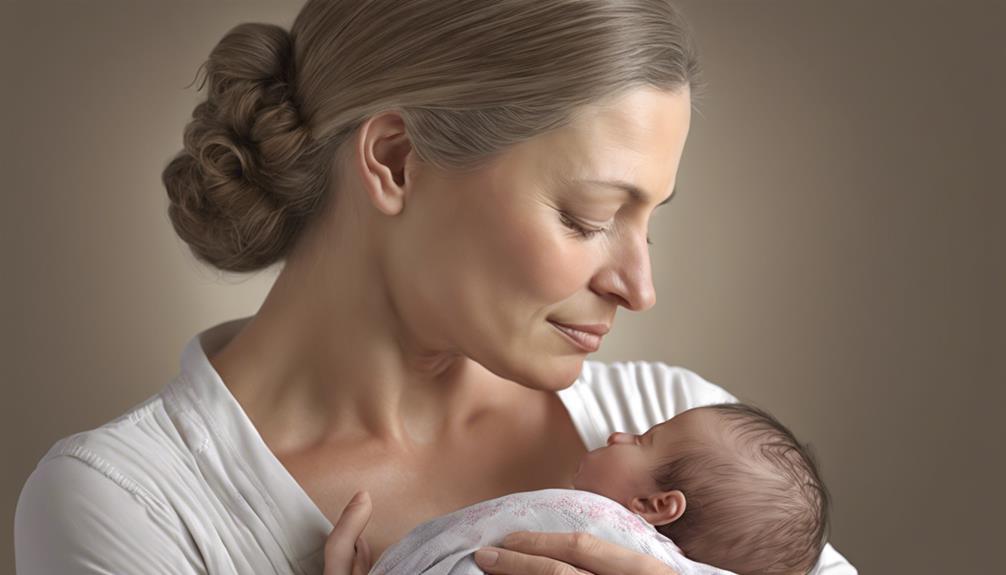
If your newborn's hiccups persist despite gentle patting and rubbing, consider trying calming holding positions to help ease their discomfort and release trapped air more effectively.
Holding your baby upright can assist in allowing trapped air to escape, potentially reducing hiccups. Providing gentle chest support while holding your baby close to your chest in a relaxed position may help soothe their diaphragm and alleviate hiccups.
Placing your baby over your shoulder and patting their back gently can encourage burping, aiding in relieving hiccups. Supporting your baby's head and neck while holding them upright is beneficial for releasing air bubbles and stopping hiccups.
These holding positions not only offer comfort but also help prevent hiccups caused by the vocal cords. Remember, hiccups in newborns can sometimes be a sign of gastroesophageal reflux, so seeking medical advice if hiccups are frequent or severe is always advisable.
Pacifier and Bottle Adjustments
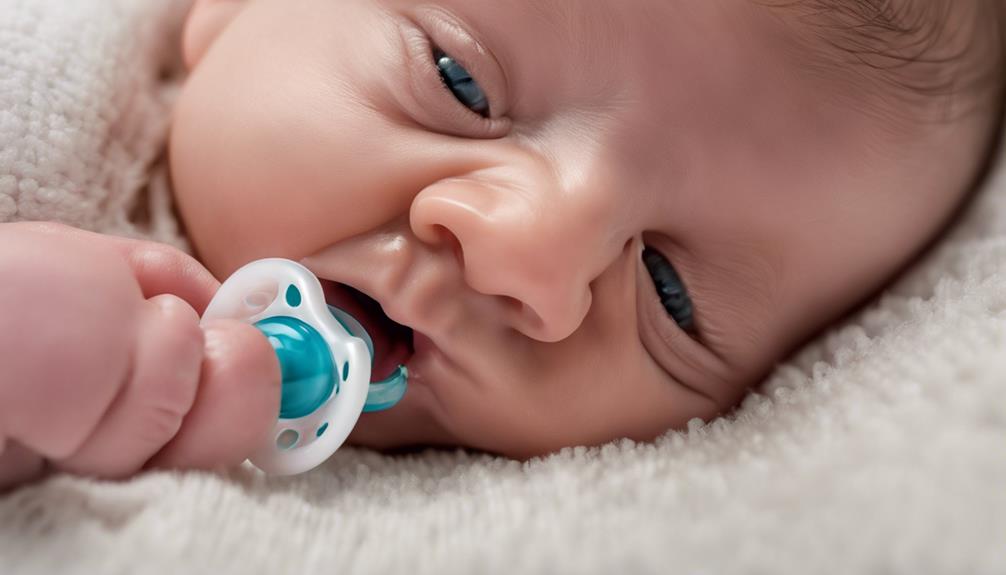
Consider offering a pacifier to help relax your newborn's diaphragm and potentially alleviate hiccups.
When it comes to bottle feeding, making a few adjustments can make a significant difference in preventing hiccups in your little one:
- Adjust the bottle's feeding position: Tilting the bottle slightly upwards can help reduce air ingestion, thereby minimizing the chances of hiccups.
- Opt for a slower-flow nipple: Using a nipple with a slower flow rate can help regulate the pace of feeding, decreasing the likelihood of hiccups.
- Guarantee a proper latch: A good latch and seal while bottle-feeding can help prevent excess air from being swallowed, reducing the occurrence of hiccups.
- Monitor feeding pace and bottle tilt: Pay attention to your baby's feeding pace and adjust the bottle tilt accordingly to help prevent hiccups during feeding sessions.
Medical Professional Consultation
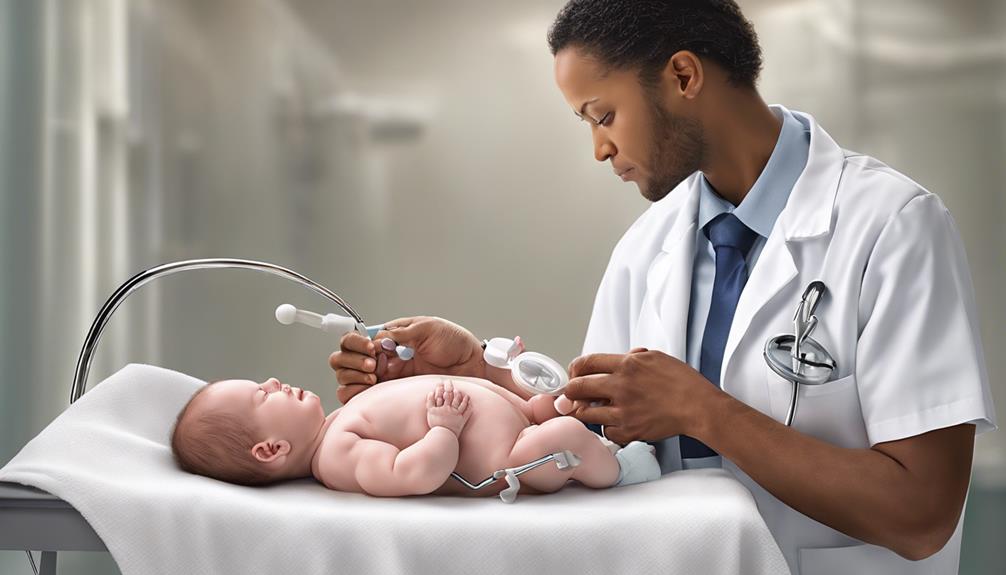
When your newborn's hiccups persist despite making adjustments, seeking guidance from a pediatrician is essential for ensuring their well-being. While newborn hiccups are generally normal, persistent or concerning hiccups may require medical professional consultation. It's important to monitor your baby's overall well-being during hiccups and promptly report any unusual symptoms to the doctor. If the hiccups last for hours without relief or start affecting your baby's feeding and sleep patterns, it's advisable to seek medical advice. Discuss any concerns you have about how the hiccups are impacting your baby's quality of life with a healthcare provider. Below is a helpful table summarizing key points to consider when deciding to consult a pediatrician:
| Key Points | Action Needed |
|---|---|
| Hiccups lasting for hours | Seek medical advice |
| Interference with feeding/sleep | Consult a pediatrician |
| Impact on quality of life | Discuss with healthcare provider |
| Unusual symptoms | Monitor and report to doctor |
Frequently Asked Questions
Is It OK to Lay Baby Down With Hiccups?
Yes, it's perfectly fine to lay your baby down with hiccups. Hiccups are usually harmless and will stop on their own. Comfort your baby during this time instead of worrying about their position, as it doesn't affect them.
What Is the Best Position for Baby Hiccups?
For baby hiccups, the best position is holding them upright against your shoulder or in a slightly inclined position on your lap. Supporting their head and neck while gently patting their back can help release trapped air and ease hiccups.
What Stops Hiccups Quickly?
When hiccups hit, try burping, offering a pacifier, changing positions, or gentle back rubs. Remember, no adult tricks like breath-holding or scares. Keep it gentle and soothing for the little one. Ease those hiccups fast!
Do Hiccups Mean Baby Is Full?
Hiccups in babies do not necessarily mean they are full. Hiccups can happen for many reasons besides feeding. Look for other hunger or fullness cues to understand your baby's needs better. Trust your instincts.
Conclusion
To sum up, by using simple soothing techniques like gentle patting and calming holding positions, parents can quickly relieve hiccups in their newborns. Remember, it's important to create a calm feeding environment and seek medical advice if hiccups persist.
Soothe your baby with love and care, and soon those hiccups will be a thing of the past.
Fall Picks
fall essentials
As an affiliate, we earn on qualifying purchases.