

As new parents, we were taken aback by the range of colors and textures we encountered in our newborn's diaper changes. From mustard yellow to seedy green, every poop seemed like a surprise waiting to be deciphered.

Turn the school run and nap time into listening time
- Thousands of audiobooks, podcasts and originals
- Listen on your phone, tablet or Echo — also offline
- Cancel anytime
However, understanding newborn poop frequency goes beyond just the visuals; it can provide valuable insights into the baby's health. So, how can you decipher what's normal and when to be concerned?
Key Takeaways
- Breastfed babies pass frequent, mustard-colored stools.
- Formula-fed infants may have lighter, paste-like poop.
- Newborn meconium is dark and sticky, passing within 24 hours.
- Changes in stool color or frequency indicate potential health issues.
As an affiliate, we earn on qualifying purchases.
Normal Newborn Poop Frequency
During the initial days of life, newborns typically exhibit varying patterns of poop frequency depending on their feeding method. For breastfed babies, it's normal to see frequent stools that are mustard-colored and seedy in texture. This type of stool is a sign that the baby is getting enough breast milk and is adequately hydrated. On the other hand, formula-fed newborns may have slightly lighter stools that are more paste-like in consistency.
In the first 24 hours after birth, babies often pass meconium, which is their first dark, sticky stool. This is a natural process as the baby's digestive system starts functioning. It's essential for parents to monitor their newborn's poop frequency, color, and consistency as changes can indicate underlying health issues. If a baby goes without passing stool for more than a week or shows abnormal stool colors like black, red, or white, it's imperative to consult with a pediatrician for further evaluation and guidance.
Recognizing Healthy Poop Colors
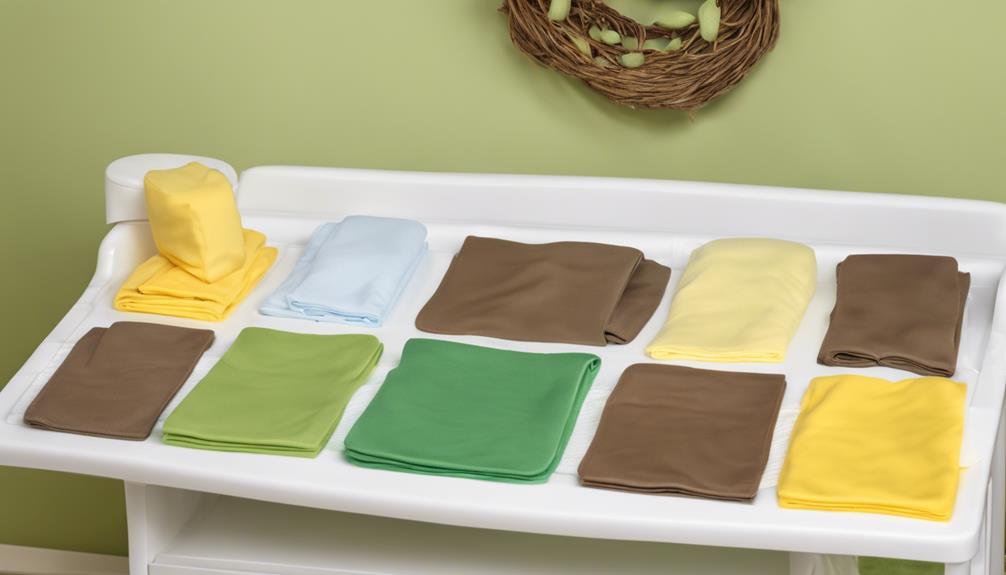
Recognizing healthy poop colors in newborns is important for parents to monitor their baby's digestive health effectively. When it comes to a newborn's stool, the color can provide valuable insights into their well-being. Here are some key points to take into account:
- The first stool a baby passes is known as meconium stool, which is dark green or black in color. This is a normal occurrence in the first few days of life.
- Breastfed babies often have yellow, seedy stools that are considered normal. The stool is soft and may have a slightly sweet smell.
- Green stool in breastfed babies can also be typical due to the presence of bile. Note that the frequency of bowel movements can vary for each baby, but typically, babies have several bowel movements a day.
Monitoring Newborn Pee Output
To guarantee your newborn's well-being, it is important to monitor their pee output, aiming for at least 6-8 wet diapers daily. Monitoring your newborn baby's pee output is critical for ensuring they are adequately hydrated and healthy. Changes in urine frequency or color can offer insights into potential feeding issues or dehydration concerns. Keeping track of wet diapers is a simple yet effective way to assess your baby's hydration status and overall development.
| Pee Output Monitoring Tips | Benefits |
|---|---|
| Aim for 6-8 wet diapers a day | Ensures proper hydration |
| Watch for changes in urine frequency | Indicates potential issues |
| Note urine colors (pale or dark) | Signals hydration concerns |
| Track wet diapers consistently | Essential for newborn health |
| Seek medical advice if concerns arise | Promotes early intervention |
Potential Red Flags to Watch For

Monitoring your newborn's pee output is crucial for ensuring their hydration, and now shifting our focus to potential red flags in their poop can provide further insights into their health. When it comes to your baby's poop, there are certain signs that may indicate a need for closer attention:
- Unusual Colors: Keep an eye out for black, red, or white colors in your baby's poop, as they can signal underlying issues.
- Abnormal Consistency: Hard pellets or watery stools aren't typical for a newborn's poop and may require evaluation by a healthcare provider.
- Lack of Poop: If your baby goes more than a week without pooping or seems to be straining excessively to pass stool, it's crucial to address this with your pediatrician promptly.
Additionally, be alert for blood-tinged mucus in your baby girl's diapers or any sudden and significant changes in poop color. Any abnormal findings in your newborn's poop should be discussed with your pediatrician to ensure proper assessment and management according to the guidelines of the American Academy of Pediatrics.
Seeking Medical Advice When Needed
When your newborn displays signs of constipation, prompt contact with a pediatrician is essential to address any concerns about their poop.
As a rule of thumb, if your baby is struggling to pass stool, experiencing hard stools, or showing signs of discomfort during bowel movements, it's critical to call your pediatrician promptly.
Changes in the color, consistency, or frequency of your baby's stools should also prompt communication with a medical professional.
If you notice dark green or other unusual colors in your baby's poop, or if your baby develops a diaper rash that doesn't improve with standard care, seeking medical advice is recommended.
Immediate consultation with a healthcare provider is necessary if you observe red, black, or white poop in your newborn, as these could indicate underlying issues that require prompt attention.
Ensuring prompt communication with your pediatrician regarding any concerns about your baby's poop can help address potential problems early on and guarantee your baby receives the necessary care.
Frequently Asked Questions
What Is the Normal Frequency of Stool for a Newborn?
We pass stool multiple times a day, ranging from after each feeding to up to 5-10 times daily. Breastfed babies tend to go more frequently than formula-fed ones. Meconium in the first 24 hours is normal.
How Often Should a Newborn Poop Chart?
We should aim for newborns to poop 3-4 times a day if breastfed, and 1-2 times if formula-fed. Changes should be discussed with the pediatrician. Monitoring wet diapers helps. Consult professionals if concerned about poop frequency.
How Do I Know if My Newborn Is Pooping Too Much?
If our newborn is pooping too frequently, causing concern or discomfort, consulting a pediatrician is essential. Excessive bowel movements, especially over 10 times a day, may require professional guidance for proper evaluation and care.
What Is the Progression of Newborn Poop?
We observe a gradual shift in newborn poop from black meconium to yellow seedy stools for breastfed babies and tan-colored stools for formula-fed babies. This evolution mirrors changes in their diet and helps monitor their digestive health.
Conclusion
As we navigate the journey of parenthood, monitoring our newborn's poop frequency can provide valuable insights into their health. Just as a compass guides us on a path, understanding these subtle signs can help us steer our little ones towards peak well-being.
Remember, communication with your pediatrician is key, and being proactive in tracking these nuances can empower you to make informed decisions for your baby's future. Trust your instincts and remember, you're the captain of this ship.
Fall Picks
fall essentials
As an affiliate, we earn on qualifying purchases.