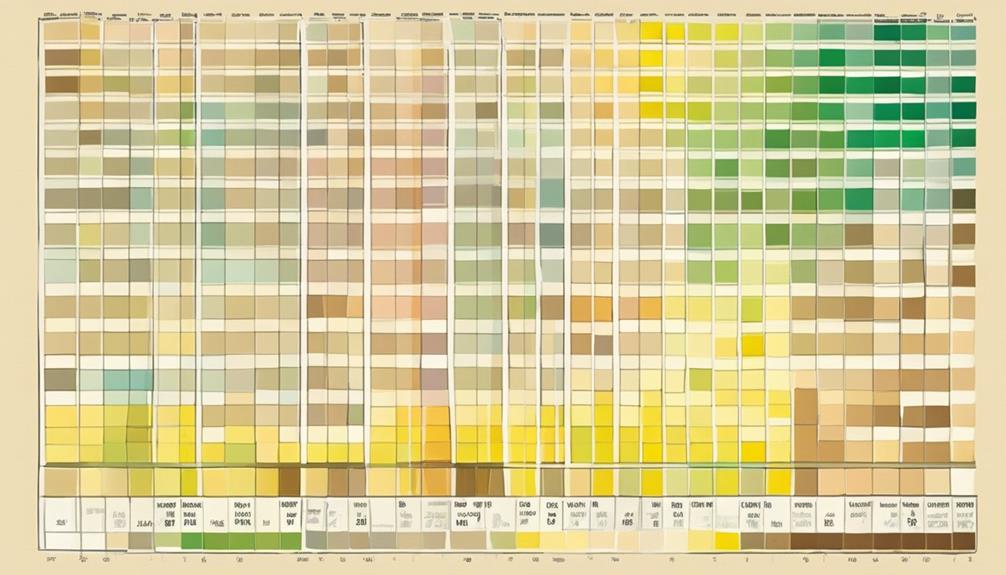

As we navigate the murky waters of newborn care, deciphering the ins and outs of their poop schedule can feel like untangling a knotted rope – a task requiring patience and guidance.

Turn the school run and nap time into listening time
- Thousands of audiobooks, podcasts and originals
- Listen on your phone, tablet or Echo — also offline
- Cancel anytime
However, understanding the nuances of your baby's bowel movements is essential. Let's shed light on how to decode the mysteries of newborn poop, demystifying the what, when, and why behind their diaper contents.
Key Takeaways
- Monitor newborn poop frequency daily for digestive health insights.
- Track poop consistency changes from meconium to yellowish stools.
- Differentiate breastfed (yellow, runny) and formula-fed (varied color, softer) baby poop.
- Contact a pediatrician for irregularities like prolonged absence of poop or abnormal colors.
As an affiliate, we earn on qualifying purchases.
Frequency of Newborn Poop
Observing the frequency of your newborn's bowel movements provides valuable insight into their digestive health and feeding patterns. In the first 24 hours, newborns typically pass meconium, a sticky black substance, before changing to regular stools within a few days.
For breastfed babies, it's normal to have multiple bowel movements daily, showcasing the efficient digestion of breast milk. Conversely, formula-fed babies might poop less frequently due to differences in formula composition.
Monitoring your baby's poop frequency is important as it serves as a window into their digestive well-being. Any significant changes, such as prolonged periods without bowel movements, should prompt a consultation with a pediatrician to rule out any issues.
Understanding what's typical for newborns regarding poop frequency can aid in the early detection of potential health concerns, ensuring your baby's digestive system is on the right track.
Tracking Newborn Poop Consistency

After understanding the frequency of your newborn's bowel movements, it's important to now focus on tracking their poop consistency to monitor their digestive health effectively.
Newborn poop goes through significant changes in the first few days, shifting from meconium, a sticky, greenish-black substance, to yellowish stools for both breastfed and formula-fed babies. Breastfed baby poop usually appears mustard yellow and runny, while formula-fed baby poop tends to be softer and may vary in color.
Monitoring these changes in poop consistency is important as it can be an indicator of any digestive issues or reactions to food. By keeping an eye on your baby's poop consistency, you can catch potential health concerns early on. If you notice any significant changes, consulting with a pediatrician is recommended for proper evaluation and guidance.
Understanding Baby Poop Colors
When analyzing baby poop colors, it's important to pay attention to any deviations as they can provide valuable insights into your child's digestive health. For newborns, the normal first thick, black poop is called meconium.
Breastfed babies typically have green-yellow poop, while formula-fed babies have slightly lighter poop. Changes in poop color can occur with the introduction of solid foods and may indicate underlying health issues. Red, green, black, yellow, white, or light grey poop colors all have specific implications related to the baby's health.
Red poop is often caused by red foods or medicine, while dark green poop may be a result of bile. If you notice blood in the diaper, consulting a healthcare provider is crucial. Understanding the various shades and tones of your baby's poop can help you stay informed about their well-being and address any concerns promptly.
Signs of Healthy Pooping

Monitoring your baby's poop can provide valuable insights into their digestive health, and recognizing the signs of healthy pooping is essential for their well-being.
A baby's poop can vary depending on whether they're breastfed or formula-fed. For breastfed babies, healthy poop is soft, runny, and mustard yellow in color. Formula-fed babies may have slightly firmer, well-formed stools that can come in various colors.
Regular bowel movements are a critical sign of a well-functioning digestive system in newborns. It's important to pay attention to your baby's poop consistency and color as any changes could indicate potential health issues.
If you notice irregularities in poop frequency, color, or texture, don't hesitate to reach out to your pediatrician for guidance. Keeping track of your baby's diaper contents and being aware of what's normal for your baby can help you quickly identify any concerns and address them promptly.
When to Seek Medical Advice
If you notice any concerning changes in your newborn's poop color or consistency, seeking medical advice promptly is important for ensuring their health and well-being. It's critical to keep an eye on your little one's diaper contents and reach out to your pediatrician if anything seems off.
Here are some key points to think about when deciding whether to seek medical advice:
- Breastfed Baby: If your breastfed baby hasn't had a bowel movement in three days, it's time to call your pediatrician to discuss potential constipation concerns.
- Formula-Fed Baby: For formula-fed babies, if five days have passed without a dirty diaper, it's important to see your pediatrician to address any possible constipation issues.
- Red or Black Stools: Any instance of red or black stool, especially if it appears tarry, warrants immediate medical attention to rule out any underlying health issues.
Frequently Asked Questions
What Is a Normal Poop Schedule for a Newborn?
Understanding a newborn's poop schedule is crucial. It varies; breastfed babies might go multiple times a day, while formula-fed babies may go less often. Monitoring changes is key to ensuring they're healthy.
How Many Diapers Do You Need for a Newborn Poopy?
Oh, the joy of newborn poops! We typically go through 8-12 diapers daily for those precious poopy moments. It's all part of the adventure. Be prepared with an ample supply and embrace the mess!
When Do Newborn Poops Start to Regulate?
Newborn poops typically start to regulate within the first five days of life. Passing meconium in the first 24 hours is a healthy sign. Breastfed babies might go more often initially. Changes in color and consistency are normal as the digestive system matures.
How Often Should You Check a Newborn's Poop?
We check a newborn's poop at least once daily to make sure they're healthy and well-fed. By monitoring frequency, consistency, and color, we can catch potential issues early. It's a vital part of caring for our little ones.
Conclusion
As parents, understanding our newborn's poop schedule can provide valuable insights into their health.
For example, when my baby's poop suddenly became watery and green, I remembered the guide's advice to seek medical advice for drastic changes.
Thanks to that prompt action, we were able to address an underlying digestive issue early on.
By staying informed and proactive, we can make certain our little ones are happy and healthy.
Trust your instincts and seek help when needed.
Cold & flu season Picks
humidifiers
As an affiliate, we earn on qualifying purchases.