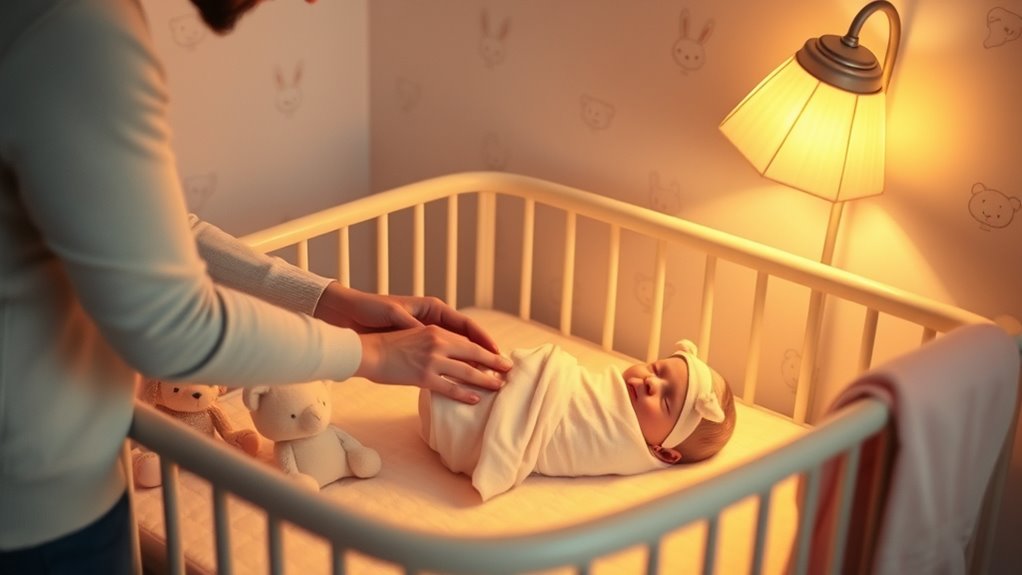

To prepare for the first night at home, organize your baby’s essentials, like diapers, wipes, and clothes, close by. Set up a safe sleep space with a firm mattress, blackout curtains, and white noise to create a comfortable environment. Establish a consistent feeding schedule and keep supplies handy for quick nighttimes. Rest when your baby sleeps to stay energized. If you keep these tips in mind, you’ll feel more confident steering your first night together.
Key Takeaways
- Establish a consistent feeding and sleep routine to help the baby recognize patterns.
- Prepare a safe, comfortable sleep environment with blackout curtains and white noise.
- Organize essentials like diapers, wipes, and clothes for quick access during nighttime needs.
- Ensure the sleep area meets safety guidelines, with the baby placed on their back in a clutter-free space.
- Rest and hydrate during the day to conserve energy for nighttime caregiving.
Are you feeling overwhelmed about the first night at home with your new baby? It’s completely normal to feel a mix of excitement and anxiety as you prepare for this big milestone. The key to a smoother night lies in setting up simple, effective routines and creating a comfortable sleep environment. Taking some time beforehand to organize these details can help you feel more confident and less stressed once you’re on your own with your little one.
Start by establishing a consistent feeding routine. Whether you plan to breastfeed or bottle-feed, having a clear schedule can make the night less chaotic. Keep everything you need within arm’s reach—breast pads, bottles, snacks, or whatever makes feeding easier for you. If you’re bottle-feeding, prepare bottles in advance, and consider using a warm water bath or bottle warmer to quickly heat milk during late-night feedings. If you’re breastfeeding, ensure your nursing area is cozy and private, with a comfortable chair, pillows, and a good light. Remember, babies often wake frequently during the night, so having a routine that signals it’s time to eat can help them settle quicker and make your nights more predictable.
Establish a consistent feeding routine and keep essentials nearby for smoother, less chaotic nights.
Creating the right sleep environment is equally important. Your baby’s sleep space should be safe, quiet, and dark. Use blackout curtains to block out streetlights or early morning sun, and consider a white noise machine to drown out household sounds. Keep the room at a comfortable temperature—around 68-72°F (20-22°C)—to prevent overheating or chilling. You might want to invest in a firm mattress and a fitted sheet, and avoid loose bedding or stuffed animals that could pose a suffocation risk. Position your baby on their back to sleep, as recommended by safety guidelines. Having a dedicated, clutter-free space helps both you and your baby relax, making it easier to settle into a routine.
Finally, prepare yourself mentally and physically. Lay out your clothes, pack a small bag with essentials like diapers, wipes, and extra clothes, and set up a designated space for changing diapers quickly. Keep a water bottle nearby, stay hydrated, and try to rest when your baby sleeps during the day. Remember, the first night might be tough, but with a solid plan for feeding routines and a calming sleep environment, you’ll find your rhythm faster. Trust your instincts, be patient, and remind yourself that every successful night is a step toward confidence and comfort in your new role as a parent.
Frequently Asked Questions
How Can I Soothe a Crying Newborn Effectively?
To soothe your crying newborn, try gentle rocking or swaddling to provide comfort. If they’re hungry, offer breastfeeding tips like a proper latch and feeding on demand. Check and change their diaper if it’s wet or dirty, as discomfort can cause crying. Keep noise and lighting calm, and hold them close to reassure. With patience and consistency, you’ll help your baby feel secure and comforted quickly.
What Should I Do if I Feel Overwhelmed?
If you feel overwhelmed, take a deep breath and pause. Remember, breastfeeding tips like proper latch can ease your baby’s discomfort, making things calmer. Prioritize postpartum self-care by resting whenever possible and asking for help from loved ones. Step outside for fresh air or practice gentle stretches to reset your mind. You’re doing your best, so be kind to yourself—small breaks can make a big difference.
How Do I Establish a Sleep Routine Quickly?
You can establish a sleep routine quickly by starting with consistent bedtime rituals, like a warm bath or reading a book, to signal sleep time. Incorporate gentle sleep training techniques, such as gentle rocking or soothing sounds, to help your baby associate these cues with sleep. Keep the schedule consistent each night, and over time, your little one will adapt, making bedtime smoother and more predictable for both of you.
What Emergency Supplies Should I Have Ready?
Think of your emergency kit as a lifeboat in rough seas. You’ll want plenty of diapers, wipes, and a changing pad for quick diaper changes. Keep formula or breast milk supplies handy, aligned with your feeding schedule, in case of delays or emergencies. Include a thermometer, basic first aid supplies, and extra clothes. Being prepared guarantees you’re ready to handle unexpected moments smoothly, keeping your little one safe and calm.
How Can I Involve Other Family Members?
You can involve other family members by encouraging family bonding through shared activities like practicing diaper changing techniques together. Show them how to handle your baby gently and efficiently, making them feel confident. Include everyone in creating a calming environment for the baby, like singing or rocking. This not only helps distribute caregiving responsibilities but also strengthens family connections, ensuring everyone feels involved and prepared for the first night at home.
Conclusion
As you settle in for your first night at home, remember that it’s normal to feel overwhelmed. Trust your instincts, stay patient, and create a calm environment. This initial step is just the beginning of your new journey together. Will you embrace these early moments with confidence, knowing each day will bring new surprises and growth? Your love and patience will turn this unfamiliar night into the start of lifelong memories.