
As parents, we understand that making sure our newborns get safe and sound sleep is a top priority. Did you realize that placing babies on their back to sleep can reduce the risk of Sudden Infant Death Syndrome (SIDS) greatly?
But what about side sleeping? How can we guarantee our little ones sleep comfortably and safely in this position? Let's explore the ins and outs of newborn sleep side positioning together to provide the best care for our precious bundles of joy.
Key Takeaways
- Side sleeping benefits digestion and breathing.
- Facilitates easier breastfeeding and comforting sleep.
- Back sleeping recommended for SIDS prevention.
- Consult pediatrician for safe sleep guidance.
As an affiliate, we earn on qualifying purchases.
Importance of Newborn Sleep Positioning
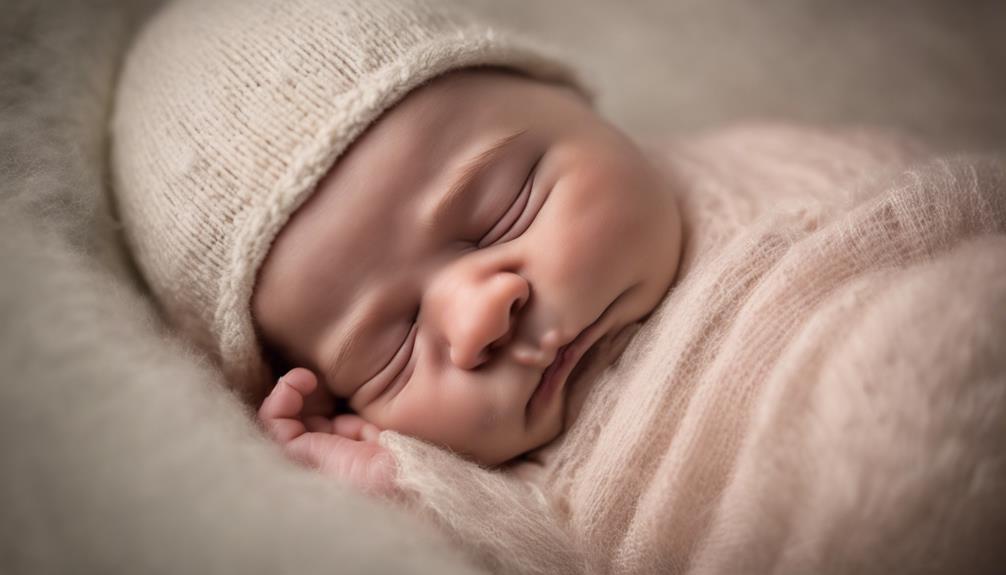
Understanding the significance of proper newborn sleep positioning is paramount in safeguarding against the risk of Sudden Infant Death Syndrome (SIDS), the primary cause of infant mortality between the ages of 1 month and 1 year. Placing the baby on their back to sleep is essential for reducing the risk of SIDS. It's the safest position recommended by medical experts to guarantee safe sleeping for infants.
While side sleeping may seem like a comfortable option, it's best to avoid using this position for newborns due to the increased risk of accidental rolling onto the stomach, which can be dangerous, especially for infants under 4 months. Infants under 4 months are typically too small to change positions or lift their heads, making back sleeping the healthiest choice for their well-being.
As babies grow and develop the ability to roll over independently, side sleeping may become a safer option, but always consult with a pediatrician to determine the best approach for your baby's healthy sleeping habits.
Benefits of Side Sleeping for Newborns

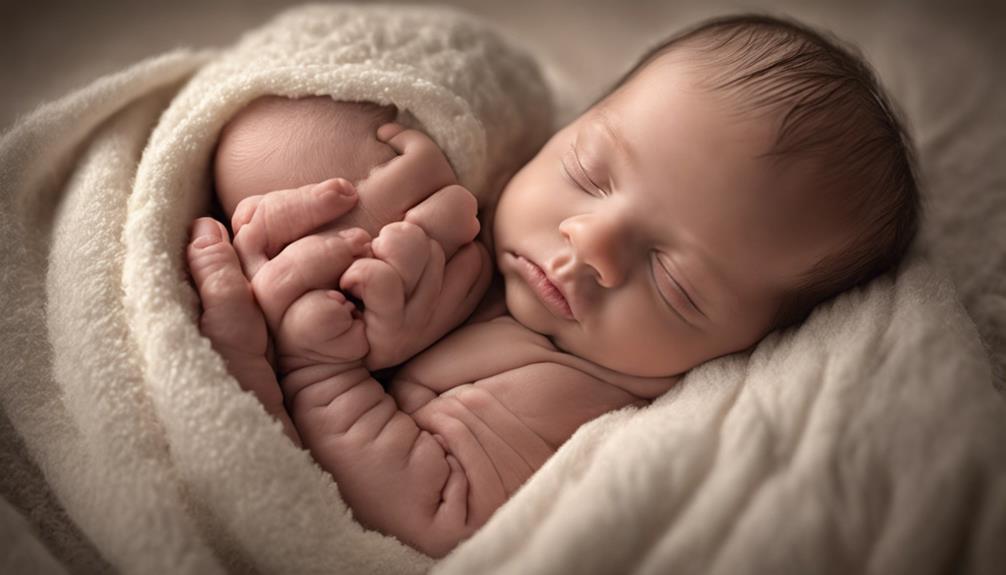
Side sleeping for newborns offers several benefits that contribute to their comfort and well-being. When newborns sleep on their side, it can help relieve gas and discomfort, aiding in digestion. This position also promotes better breathing, especially beneficial for babies with nasal congestion or respiratory issues. For breastfeeding mothers, side sleeping can facilitate easier feeding sessions for both baby and mom. Many newborns find side sleeping more comforting and soothing, which can lead to better sleep quality. Additionally, some parents have reported a reduction in reflux symptoms when their babies sleep on their side. Below is a table summarizing the key benefits of side sleeping for newborns:
| Benefits | Description |
|---|---|
| Gas Relief | Helps relieve gas and discomfort, aiding in digestion |
| Better Breathing | Promotes improved breathing for babies with nasal congestion or respiratory issues |
| Breastfeeding | Facilitates easier breastfeeding for both baby and mother |
Step-by-Step Guide to Positioning
To guarantee safe and best positioning for newborn sleep, it's crucial to follow a step-by-step guide that promotes healthy sleep habits and reduces the risk of SIDS. Start by positioning your newborn on their back for sleep on a firm mattress. Avoid side sleeping as it can increase the risk of accidental rolling onto the stomach during sleep, which is a risk factor for SIDS.
During awake hours, provide supervised tummy time to promote neck muscle strength and prevent flat spots on the head. Remember to use a flat sleep surface like a crib mattress to make safe sleep positioning for your newborn. If you notice any signs of torticollis or head shape concerns, consult your pediatrician for proper evaluation and guidance.
Safety Measures for Newborn Sleep

For best safety and prevention of SIDS in newborns, the American Academy of Pediatrics recommends always placing infants on their back to sleep. When it comes to safe baby sleep, following these important safety measures can greatly reduce the chance of SIDS and guarantee your newborn sleeps soundly:
- Back Sleeping Position: Putting newborns to sleep on their back helps reduce the risk of SIDS, as it maintains an open airway and promotes better breathing.
- Firm Sleep Surface: Providing a firm sleep surface, such as a crib mattress, is essential to prevent accidental rolling and maintain a safe sleep environment for newborns.
- Monitor Closely: Keeping a close eye on your newborn during sleep is essential to ensure they stay in the back sleeping position and to promptly address any concerns for top safety and SIDS prevention.
Comfort Tips for Newborn Side Sleeping

When considering newborn sleep positions, prioritizing the safety guidelines recommended by the American Academy of Pediatrics is essential, particularly in ensuring the best comfort for your baby.
While side sleeping is generally not recommended due to the increased risk of sudden infant death syndrome (SIDS), if your little one happens to fall asleep on their side, there are some comfort tips to bear in mind. First, always put your baby to sleep on their back to reduce the risk of accidental rolling onto the stomach, which can be dangerous for newborns.
If you find your baby gravitating towards side sleeping, contemplate using a sleep sack to help keep them in a safer sleep position. Remember, babies under 4 months lack the ability to change positions or lift their heads easily, making it essential to prioritize back sleeping for their safety and comfort.
If you have concerns about your baby's sleep position, consulting your pediatrician for guidance is always a wise choice.
Conclusion
To prioritize safe sleep practices for newborns is essential to reduce the risk of SIDS. Did you know that placing babies on their back to sleep can decrease the risk of SIDS by up to 50%?
By following the guidelines outlined in our how-to guide, parents can guarantee their newborns sleep safely and soundly. Remember, always prioritize safe sleep practices for your little one's well-being.