
TL;DR

Turn the school run and nap time into listening time
- Thousands of audiobooks, podcasts and originals
- Listen on your phone, tablet or Echo — also offline
- Cancel anytime
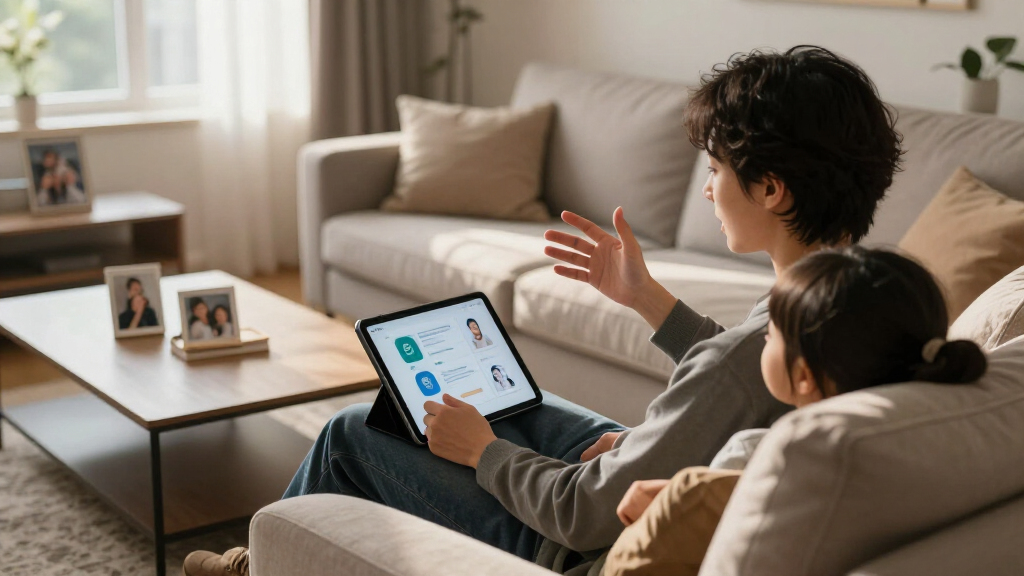
Sam Altman, CEO of OpenAI, drew criticism for advising parents to ‘try talking to them’ in response to concerns about AI and child safety. The comment sparked online ridicule and debate over appropriate guidance on AI and parenting.
OpenAI CEO Sam Altman faced widespread criticism after suggesting that parents dealing with AI-related concerns should ‘try talking to them’. The comment, made during a public appearance, was met with ridicule and sparked a broader debate over appropriate guidance for parents navigating AI’s impact on children.
During a recent interview or public event, Sam Altman advised parents to simply ‘try talking to them’ when confronted with issues related to AI and children. The remark was quickly circulated on social media, where many users criticized it as dismissive or naive.
Critics argued that Altman’s advice overlooks the complexities of AI safety, ethical concerns, and the challenges parents face in understanding and regulating AI tools. Some experts pointed out that AI issues often require technical knowledge and active oversight, not just conversation.
Altman’s comment has reignited discussions about the role of AI companies and leaders in providing responsible guidance to the public, especially parents, about AI’s risks and benefits.
Impact of Altman’s Advice on Public Perception of AI
This controversy highlights the ongoing challenge of how AI leaders communicate with the public about complex issues. Altman’s remark has been perceived by many as an oversimplification, raising questions about the responsibility of tech executives to provide nuanced guidance. The incident underscores the importance of clear, responsible communication as AI becomes more integrated into daily life, especially for vulnerable groups like children.
As an affiliate, we earn on qualifying purchases.
Public Reactions and Broader AI Safety Discussions
Since the rise of AI tools in everyday life, there has been increasing concern about their impact on children and families. Experts have called for more comprehensive guidelines and regulations. Altman’s comment comes amid ongoing debates about how tech leaders should address public fears and misconceptions about AI safety and ethics.
The incident also follows recent discussions about AI’s potential risks, including misinformation, privacy, and psychological effects on minors. Critics argue that leadership voices should emphasize responsible use and education rather than simplistic advice.
“Children and parents need practical, informed guidance on AI, not just platitudes.”
— Child psychologist Dr. Emily Smith
Unclear Scope of Altman’s Remarks and Public Response
It is not yet clear whether Altman’s comments were taken out of context or represent a broader stance by him or OpenAI. The full context of his remarks and the extent of the backlash are still unfolding. Additionally, the long-term impact of this controversy on public trust and AI policy remains uncertain.
Potential Responses and Future Guidance from AI Leaders
Expect further statements from Altman or OpenAI addressing the controversy. There may also be increased calls for official guidelines on AI and parenting, as well as discussions within the tech community about responsible communication. Monitoring how AI companies respond will be key to understanding the evolving public discourse.
Key Questions
What exactly did Sam Altman say about AI and parenting?
Altman suggested that parents dealing with AI-related issues should ‘try talking to them’, implying that conversation is a sufficient response to concerns about AI’s impact on children.
Why did people criticize Altman’s comment?
Many critics argued that the advice was overly simplistic and ignored the complexities of AI safety, ethics, and the need for informed oversight by parents and experts.
Has Altman or OpenAI issued any formal response?
As of now, there has been no official statement from Altman or OpenAI addressing the backlash or clarifying his remarks.
What does this controversy mean for AI’s role in society?
This incident underscores the importance of responsible communication by AI leaders and the need for clear public guidance on AI safety, especially concerning children and families.
Will this affect AI regulation or policy?
It is unclear, but the controversy may add to ongoing discussions about how policymakers and tech companies should collaborate to ensure safe AI integration into daily life.
Source: rss
Cold & flu season Picks
humidifiers
As an affiliate, we earn on qualifying purchases.