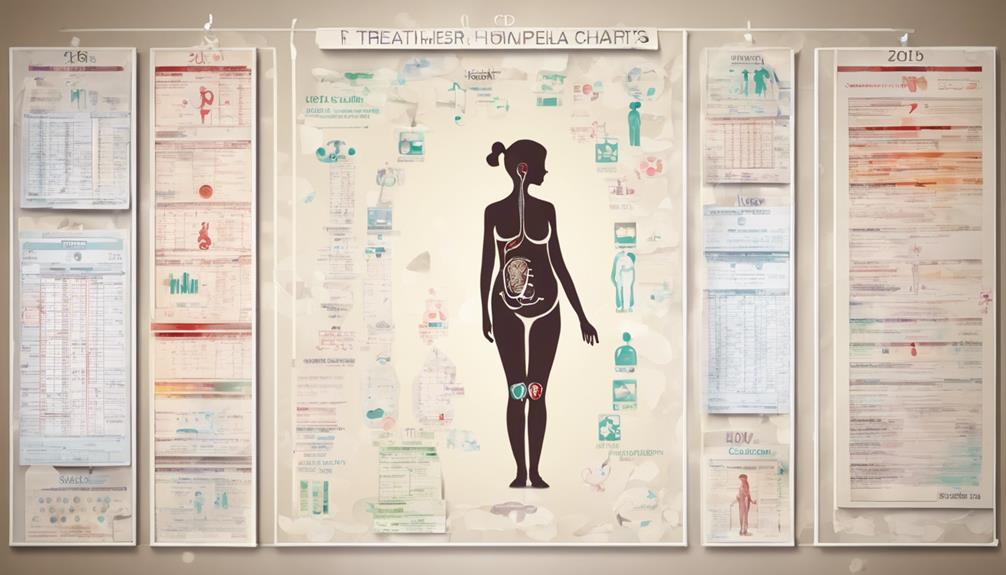

To combat fatigue, focus on improving your sleep habits by setting a consistent sleep schedule and creating a calm, dark environment. Practice relaxation techniques like deep breathing, progressive muscle relaxation, or mindfulness meditation to reduce stress and physical tension. Opt for a calming pre-sleep routine and limit screens, caffeine, or heavy meals before bedtime. By combining these strategies, you’ll enjoy better rest and renewed energy—keep exploring to discover even more effective ways to recharge.
Key Takeaways
- Maintain a consistent sleep schedule to regulate your internal clock and improve rest quality.
- Create a sleep-friendly environment by keeping the bedroom cool, dark, and quiet.
- Practice relaxation techniques like deep breathing or progressive muscle relaxation before bed.
- Avoid screens and heavy meals at least one hour before sleep to prevent disruptions.
- Establish calming pre-sleep routines to signal your body to wind down and promote restful sleep.

When you’re feeling exhausted, finding effective rest strategies is essential to recharge your body and mind. One of the most important steps you can take is to improve your sleep hygiene. This means creating an environment and routine that promote restful sleep. Start by maintaining a consistent sleep schedule, going to bed and waking up at the same time every day, even on weekends. This helps regulate your internal clock, making it easier to fall asleep and wake up feeling refreshed. Avoid screens at least an hour before bedtime because the blue light emitted can interfere with your melatonin production, making it harder to fall asleep. Instead, opt for calming activities like reading or listening to soothing music. Keep your bedroom cool, dark, and quiet, as a comfortable environment reduces disruptions and helps you enter deeper sleep stages. Invest in a comfortable mattress and pillows to support restful sleep, and limit caffeine and heavy meals close to bedtime, as they can disturb your sleep cycle. Incorporating healthy sleep habits into your routine can significantly improve your overall rest quality.
Alongside optimizing sleep hygiene, incorporating relaxation techniques into your daily routine can markedly alleviate fatigue. Deep breathing exercises, progressive muscle relaxation, and mindfulness meditation are effective ways to calm your mind and body. For example, practicing slow, deep breaths helps reduce stress hormones and lowers your heart rate, preparing you for sleep. Progressive muscle relaxation involves tensing and then relaxing different muscle groups, releasing physical tension accumulated during the day. Mindfulness meditation encourages you to focus on the present moment, letting go of worries that can keep your mind racing at night. These techniques don’t require special equipment and can be done anywhere, making them accessible tools for managing fatigue. Regularly engaging in relaxation practices can also improve your overall sleep quality, making it easier to fall asleep faster and enjoy more restorative rest.
Combining good sleep hygiene with relaxation techniques creates a powerful approach to combat fatigue. When your environment is optimized for sleep and your mind is calm, you’re more likely to wake up feeling energized and ready to face the day. Consistency is key; integrating these habits into your daily routine can lead to long-term improvements in sleep quality and overall well-being. Remember, fatigue often signals your body needs more care—so don’t ignore it. Prioritize rest by establishing a calming pre-sleep routine, minimizing stimuli before bed, and practicing relaxation techniques regularly. These strategies not only help you recover from exhaustion but also enhance your resilience against future fatigue, supporting a healthier, more balanced life.

Novilla Queen Mattress, 10 Inch Queen Size Memory Foam Mattress in a Box, Gel Memory Foam Mattress for Comfort Sleep &Cooling Night Sleep, CertiPUR-US Certified
Cooling & Breathable – The Novilla 10 inch queen size memory foam mattress addes 30% more NanoGel, which…
As an affiliate, we earn on qualifying purchases.
As an affiliate, we earn on qualifying purchases.
Frequently Asked Questions
Can Certain Foods Boost Energy Levels During Fatigue?
Yes, certain foods can boost your energy levels during fatigue. Focus on nutrient timing by eating balanced meals with complex carbs, protein, and healthy fats to sustain energy. Foods rich in antioxidants, like berries and leafy greens, help reduce oxidative stress, making you feel more alert. Incorporate snacks like nuts or yogurt for quick energy. Staying mindful of what you eat can improve your overall stamina and fight fatigue effectively.
How Does Hydration Influence Fatigue Recovery?
Imagine you’re running a marathon and start feeling exhausted. Proper hydration helps restore your electrolyte balance, which is essential for muscle function and energy production. Dehydration effects like dizziness and weakness can prolong fatigue, so drinking water with electrolytes speeds recovery. Staying well-hydrated ensures your body maintains critical processes, reducing fatigue duration and helping you bounce back faster. Proper hydration is indispensable for peak recovery and sustained energy.
Are There Specific Exercises That Combat Tiredness?
Yes, you can combat tiredness with specific exercises like stretching routines and breathing exercises. Stretching helps loosen tight muscles, increase circulation, and reduce fatigue. Incorporate deep breathing exercises to oxygenate your body, boost energy, and clear your mind. Regularly practicing these exercises during breaks or after activity can make a noticeable difference in how energized and alert you feel throughout the day.
Can Mental Relaxation Techniques Improve Rest Quality?
Yes, mental relaxation techniques can improve your rest quality. Practicing mindfulness meditation helps calm your mind and reduce stress before sleep. Incorporating progressive muscle relaxation allows you to release physical tension, making it easier to fall asleep. These techniques activate your parasympathetic nervous system, promoting deeper, more restorative sleep. By dedicating a few minutes to mindfulness meditation or progressive muscle relaxation, you’ll notice improved rest and enhanced energy levels during the day.
How Does Sleep Environment Affect Fatigue Recovery?
Your sleep environment is the cornerstone of fatigue recovery, like a well-tuned symphony. Prioritize sleep hygiene by keeping your bedroom cool, dark, and quiet, which helps you fall asleep faster. Guarantee bedroom ergonomics by choosing a supportive mattress and pillows that align your spine. These adjustments create a sanctuary for restorative sleep, letting your body heal and recharge, so you wake up feeling refreshed and energized.

Amazon Basics Portable Blackout Curtain Shade with Suction Cups, 50" W x 78" L, 1-Pack, Moon and Stars
ENERGY SAVING: These blackout curtains act as an insulating barrier
As an affiliate, we earn on qualifying purchases.
As an affiliate, we earn on qualifying purchases.
Conclusion
Think of rest as your anchor in a stormy sea, steadying you amidst chaos. When you prioritize these strategies, you’re planting seeds of renewal—each moment of pause a gentle lighthouse guiding you back to balance. Embrace rest not as weakness, but as a powerful beacon illuminating your strength. Let it be the compass that restores your energy, so you can navigate life’s waves with renewed clarity and purpose. Your journey to vitality begins with a single, mindful pause.
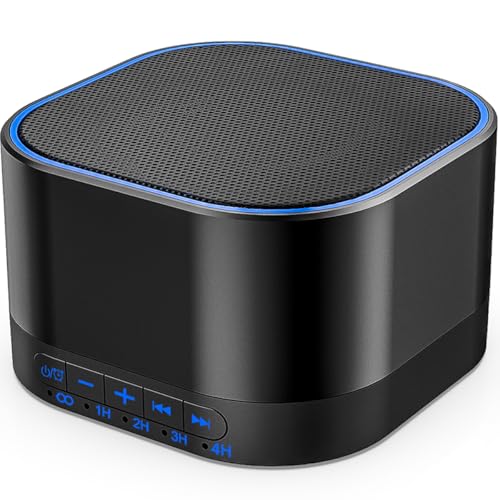
Magicteam White Noise Machine with 20 Non Looping Natural Soothing Sounds Memory Function 32 Levels of Volume Powered by AC or USB and Sleep Sound Timer Therapy for Baby Kids Adults Black
❤20 Non-Looping Sleep Sounds: White noise ,Brown noise, pink noise, blue noise, fan,brook, rain, ocean,bird and Bonfire,suitable for…
As an affiliate, we earn on qualifying purchases.
As an affiliate, we earn on qualifying purchases.

PRIMEPATIO Meditation Cushion, Meditation Pillow for Sitting on Floor, Large Yoga Zabuton Pillows Washable, Zafu Set with 2 Knee Supports, 3 Shapes for Comfortable Sitting, Green
Dual Layers Support System: Includes a 24"x24" meditation cushion and a 17.7"x9.8" mat. This scientifically balanced support cradles…
As an affiliate, we earn on qualifying purchases.
As an affiliate, we earn on qualifying purchases.