
To manage work in early pregnancy, be aware of common symptoms like fatigue, nausea, and emotional shifts, and communicate openly with your employer about your needs. Consider requesting accommodations such as flexible hours, additional breaks, or a quiet workspace to stay comfortable. Planning your maternity leave early and organizing your workload can ease adjustments later. If you’re interested, you can explore more tips to support your health and ensure a smoother work experience during this time.
Key Takeaways
- Recognize early pregnancy symptoms and seek workplace accommodations to maintain comfort and productivity.
- Communicate openly with your employer about pregnancy and necessary adjustments.
- Review company policies and plan maternity leave early to ensure a smooth transition.
- Utilize support resources like relaxation techniques or music therapy to reduce stress.
- Prioritize health, organize workload, and advocate for flexible arrangements to balance work and pregnancy.

Discovering you’re pregnant can bring both excitement and questions, especially about how to balance work and early pregnancy symptoms. It’s a time when you might feel overwhelmed, juggling fatigue, nausea, and emotional shifts while trying to maintain your usual routines. The key to managing this period effectively is understanding your rights and planning ahead. Workplace accommodations are essential to help you stay comfortable and productive. Many employers are willing to offer adjustments, such as flexible scheduling, more frequent breaks, or a quieter workspace, especially once you communicate your pregnancy. Initiating an open, honest conversation with your supervisor can make a significant difference. You don’t have to wait until symptoms become severe; early disclosure can lead to supportive solutions that reduce stress and physical discomfort. Remember that your health and well-being are top priorities, and advocating for workplace accommodations isn’t just about comfort—it’s about ensuring a safe environment for you and your developing baby.
Alongside requesting accommodations, maternity leave planning becomes increasingly important from the moment you find out you’re pregnant. While it might seem early, understanding your company’s policies and your legal rights can help you prepare for the months ahead. Reviewing your maternity leave options allows you to coordinate your leave with your team, manage workload transitions, and avoid last-minute surprises. Consider discussing your plans with HR early on, especially if your job involves physically demanding tasks or high-stress situations. This proactive approach helps ensure you won’t be caught off guard when the time comes to step away. Planning also includes saving any necessary documentation, understanding your eligibility for paid leave, and considering how your absence might impact your projects. This foresight not only provides peace of mind but also demonstrates your commitment to your responsibilities. If your workplace offers flexible work arrangements or telecommuting options, explore these as ways to ease your transition. Having a clear plan gives you control and reduces anxiety, letting you focus on your health and the exciting journey ahead.
Additionally, being aware of music therapy integration options can be beneficial, as listening to calming music or engaging in music-making can help manage stress and promote relaxation during pregnancy. Balancing work and early pregnancy symptoms requires awareness, communication, and organization. By proactively engaging with your employer about workplace accommodations and maternity leave planning, you empower yourself to navigate this period smoothly. Remember, prioritizing your health isn’t just beneficial—it’s necessary. With the right support system in place, you can maintain a productive work life while caring for yourself and your growing baby. This approach ensures that you’re not only meeting your professional responsibilities but also setting the foundation for a healthy pregnancy.
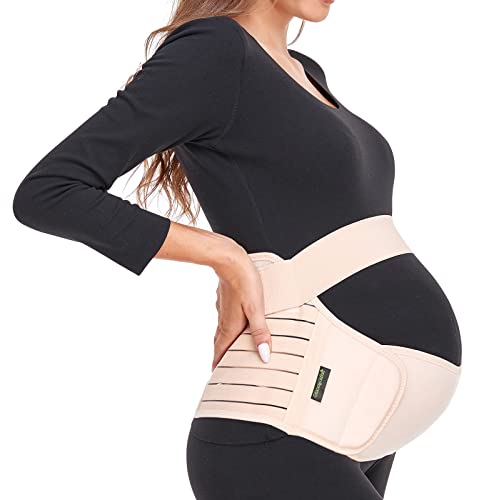
ChongErfei Maternity Belt, Pregnancy 3 in 1 Support Belt for Back/Pelvic/Hip Pain, Maternity Band Belly Support for Pregnancy Belly Support Band (L: Fit Ab 39.5"-51.3", Beige)
✅RECOMMENDED BY OBSTETRICIANS: Medical studies show wearing a high quality maternity support belt, helps to promote a healthier…
As an affiliate, we earn on qualifying purchases.
As an affiliate, we earn on qualifying purchases.
Frequently Asked Questions
Can I Continue Working if I Experience Morning Sickness?
Yes, you can continue working if you experience morning sickness. To help manage it, consider requesting workplace accommodations like flexible hours or a comfortable space to rest. Managing fatigue is essential, so take short breaks when needed and stay hydrated. Inform your employer about your condition so they can support you. With these adjustments, you can maintain productivity while taking care of your health during early pregnancy.
Are There Legal Workplace Protections for Pregnant Employees?
You have legal rights for mothers, and workplace protections can feel like a lifeline. While pregnancy accommodations are available, it’s heartbreaking if your employer doesn’t provide them. Laws exist to shield you from discrimination and ensure you get necessary adjustments. You deserve a safe, supportive environment, and understanding these legal protections empowers you to advocate for your needs confidently. Don’t hesitate to seek guidance and stand up for your rights.
How Should I Discuss My Pregnancy With My Employer?
You should plan your pregnancy disclosure carefully, choosing a comfortable moment to share the news with your employer. Be clear about your needs for workplace accommodations and how they can support you during early pregnancy. Keep the conversation professional, focus on your ability to perform your duties, and discuss any adjustments that might help. Open communication fosters understanding and guarantees you receive the necessary support.
What Are the Signs I Should Take a Leave Early?
Imagine feeling a sudden wave of fatigue washing over you like a relentless tide—that’s a sign you should consider taking early leave. If your workplace accommodations don’t ease symptoms like persistent nausea, dizziness, or severe exhaustion, it’s time to prioritize your health. Trust your body’s signals; early pregnancy symptoms can be intense. Communicate with your employer about your needs to guarantee proper support and care during this essential time.
Can Work-Related Stress Harm My Early Pregnancy?
Work-related stress can impact your early pregnancy, potentially increasing risks like miscarriage. To protect yourself, seek workplace accommodations that reduce stress and practice stress management techniques such as deep breathing, mindfulness, or taking regular breaks. Communicate openly with your employer about your needs, and prioritize self-care to support a healthy pregnancy. Managing stress effectively helps create a safer environment for both you and your developing baby.
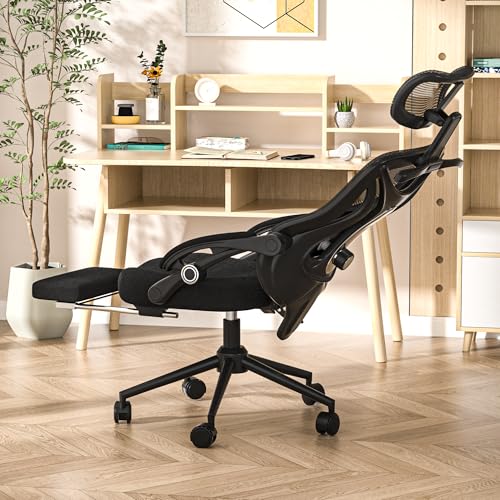
Ergonomic Office Chair with Footrest – Adjustable Lumbar Support & Headrest, 90-160° Reclining Mesh Back Computer Chair – Home Office/Gaming, 350lbs Capacity
This is more than a chair; it's a personalized comfort zone for work, rest, and play. We've meticulously…
As an affiliate, we earn on qualifying purchases.
As an affiliate, we earn on qualifying purchases.
Conclusion
As you navigate early pregnancy, picture yourself gently steering a delicate boat through calm waters. Trust your instincts and listen to your body’s signals, adjusting your workload as needed. With each mindful step, you create a safe harbor for your little one to grow. Remember, you hold the oars—guiding yourself with care and patience. Embrace this journey, knowing that your calm and confidence will help you sail smoothly into the beautiful days ahead.

Wusic Safe Wireless Pregnancy Headphones for Belly – Womb Music Bluetooth Baby Headphones for Bonding, Pregnancy Essentials for First Time Moms, One-Tap Bluetooth Plays 8+ Hours of Music to Your Baby
WIRELESS BONDING WITHOUT LIMITS – Create a deeper emotional connection with your baby using the first-ever wireless Bluetooth…
As an affiliate, we earn on qualifying purchases.
As an affiliate, we earn on qualifying purchases.

Tofficu Rotating Car Seat Cushion for Adults Comfortable Office Chair Seat Pad Safe for Pregnant Women Elderly Breathable Material Easy to Rotate
– The bottom of the mat has a non-slip surface for safe and secure rotation.
As an affiliate, we earn on qualifying purchases.
As an affiliate, we earn on qualifying purchases.