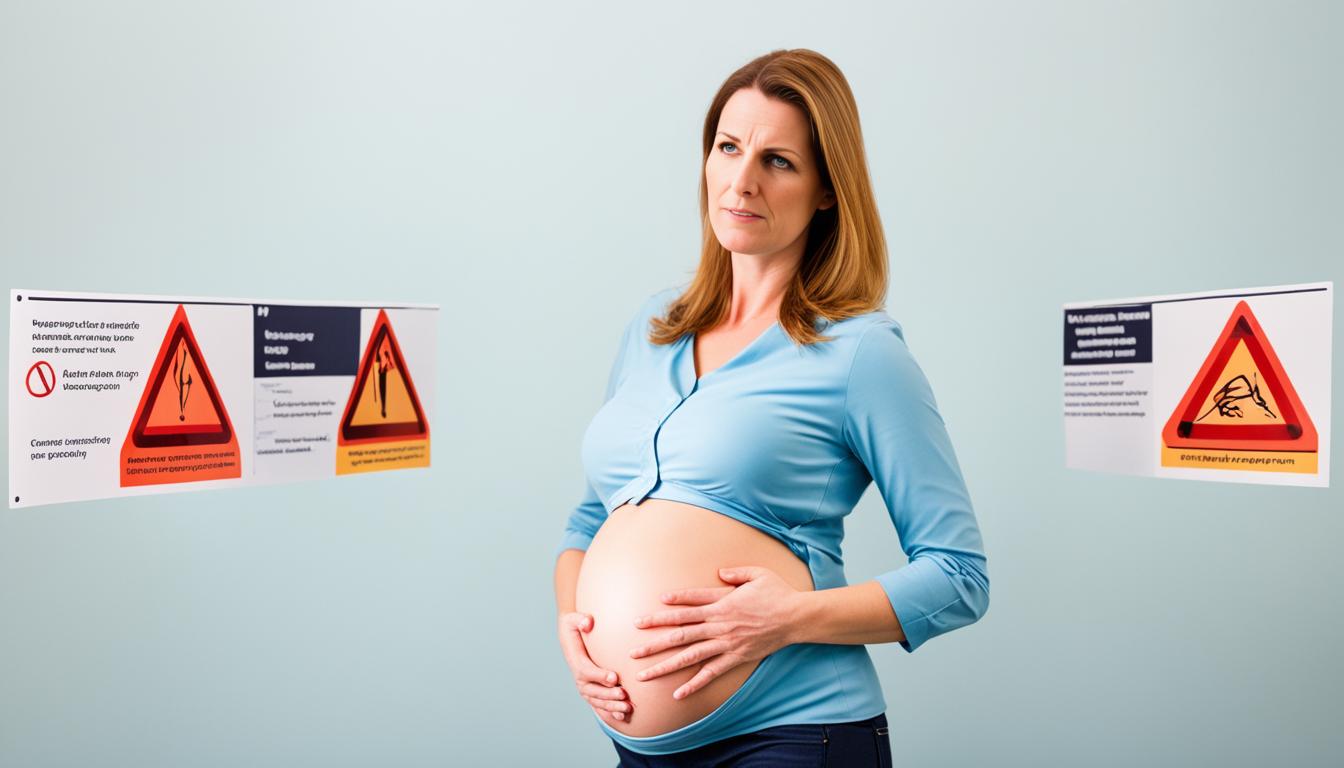
Dealing with tailbone pain during the initial three months of pregnancy can feel akin to balancing a heavy load on a fragile scale.

Turn the school run and nap time into listening time
- Thousands of audiobooks, podcasts and originals
- Listen on your phone, tablet or Echo — also offline
- Cancel anytime
As we navigate the discomfort, let's explore practical ways to ease this common pregnancy woe.
From gentle stretches to specialized cushions, there are strategies to alleviate the ache and make those early pregnancy days a bit more bearable.
Key Takeaways
- Hormonal changes and uterine pressure contribute to tailbone pain.
- Gentle stretches and poses can alleviate discomfort.
- Proper posture and support cushions help reduce strain.
- Consulting a physical therapist for personalized relief is beneficial.
Causes of Tailbone Pain in Pregnancy
During pregnancy, we may experience tailbone pain due to various factors, including hormonal changes affecting pelvic muscles. As our bodies prepare to nurture new life, the hormone called relaxin softens the ligaments in our pelvic area, causing them to be more flexible. This increased flexibility can lead to strain on the tailbone as the growing uterus exerts pressure on it.
Additionally, changes in posture and weight distribution during pregnancy can contribute to lower back pain, which may also radiate to the tailbone. The physical adjustments in our pelvic floor muscles and the increased muscle contractions can further exacerbate the discomfort in our tailbone.
It's essential to understand these physiological changes to address the root causes of the pain effectively. By recognizing the impact of hormonal fluctuations, pelvic ligament relaxation, and muscle adjustments, we can take proactive steps to alleviate tailbone pain during the first trimester of pregnancy.
Effective Stretches for Tailbone Pain

As we explore ways to alleviate tailbone pain in the first trimester of pregnancy, incorporating effective stretches can play a pivotal role in relieving discomfort and promoting pelvic flexibility. By engaging in stretching exercises that target the hip flexors and pelvic floor muscles, expectant mothers can find relief from the discomfort associated with tailbone pain. Gentle stretches like the Cat-Cow pose and Child's pose are particularly beneficial for easing tension in the tailbone area. These movements not only help improve flexibility but also aid in maintaining proper alignment of the spine and pelvis, reducing strain on the coccyx. Focusing on controlled, gentle stretches is crucial to avoid overexertion during this sensitive period. The table below outlines some effective stretches that can be incorporated into a daily routine to alleviate tailbone pain and promote overall well-being in the first trimester of pregnancy.
| Stretching Exercise | Targeted Muscles | Benefits |
|---|---|---|
| Cat-Cow Pose | Spine, Pelvic Floor | Improves flexibility, promotes spine alignment |
| Child's Pose | Hip Flexors, Pelvic Floor | Relieves tension, aids in pelvic flexibility |
Tips for Improving Posture
To enhance comfort and reduce tailbone pain during pregnancy's first trimester, practicing proper posture is essential for expectant mothers. Maintaining good posture involves avoiding slouching or arching the back excessively to reduce strain on the tailbone.
Sitting with proper spinal alignment and using a supportive chair with adequate lumbar support can prevent exacerbating tailbone discomfort. Engaging in gentle stretching exercises can improve flexibility and posture, providing relief for tailbone pain in the first trimester.
Remember to sit up straight, distribute weight evenly on both hips, and keep your feet flat on the floor to support your posture. By consciously avoiding an arched back and focusing on good posture, you can reduce strain on your tailbone and alleviate discomfort.
Incorporating these tips into your daily routine can help you maintain proper spinal alignment and reduce pressure on your tailbone, promoting a more comfortable pregnancy experience.
Using Supportive Cushions

Supportive cushions play an essential role in alleviating tailbone pain during the first trimester of pregnancy, providing comfort and reducing pressure on the sensitive area. These cushions are specifically designed to help pregnant women find relief from discomfort and promote better posture. Here are some practical ways supportive cushions can help:
- Donut Pillow or Wedge-shaped Cushion: Using a donut pillow or a wedge-shaped cushion with a tailbone cutout can support the lower back and maintain proper posture, reducing strain on the tailbone.
- Neutral Body Positioning: Supportive cushions promote neutral body positioning while sitting, preventing further aggravation of tailbone pain and providing much-needed comfort.
- Extra Pillow for Sleeping: Placing an extra pillow between your legs while sleeping can help align your hips and reduce strain on the tailbone, contributing to a more restful night and better pain management.
Incorporating these supportive cushions into your daily routine can greatly alleviate tailbone pain and contribute to a more comfortable first trimester.
Seeking Professional Help for Relief
When experiencing persistent tailbone pain during the first trimester of pregnancy, consulting with a physical therapist can offer personalized relief strategies tailored to your specific needs. Seeking professional help early on is important as it can prevent the worsening of tailbone pain and facilitate early intervention strategies. Physical therapists possess the expertise to assess your posture, muscle tension, and movement patterns, enabling them to create a personalized plan for pain relief. They can recommend specific stretches, exercises, and modifications to daily activities that can greatly reduce tailbone discomfort. By seeking early intervention with a healthcare provider or physical therapist, you can improve outcomes and effectively alleviate tailbone pain in the first trimester of pregnancy.
| Benefits of Seeking Professional Help | ||
|---|---|---|
| Tailored exercises for pain relief | ||
| Assessment of posture and muscle tension | ||
| Early intervention strategies |
Will Taking a Relaxing Bath Help Relieve Tailbone Pain in First Trimester of Pregnancy?
Taking a relaxing bath for pregnant women can help relieve tailbone pain in the first trimester of pregnancy. The warm water can soothe discomfort and provide some relief from the pressure on the tailbone. However, it’s important to consult with a healthcare provider before trying any remedies for pain during pregnancy.
Conclusion
To sum up, taking steps to alleviate tailbone pain during the first trimester of pregnancy is vital for overall comfort and well-being.
By addressing the causes of the pain, incorporating effective stretches, improving posture, using supportive cushions, and seeking professional help when needed, pregnant individuals can find relief and continue to enjoy their pregnancy journey.
Remember, your health and comfort are important during this special time.
Halloween Picks
halloween
As an affiliate, we earn on qualifying purchases.