

Heartburn happens when stomach acid flows back into your esophagus, causing a burning sensation behind your chest. This occurs mainly because the lower esophageal sphincter (LES), which normally keeps acid in your stomach, relaxes or weakens, allowing acid to escape. Factors like large meals, fatty or spicy foods, alcohol, smoking, or stress can increase your risk. To understand more about what causes these triggers and how to prevent heartburn, keep exploring the details.

Turn the school run and nap time into listening time
- Thousands of audiobooks, podcasts and originals
- Listen on your phone, tablet or Echo — also offline
- Cancel anytime
Key Takeaways
- Heartburn occurs when stomach acid irritates the esophageal lining due to reflux.
- Weakness or relaxation of the lower esophageal sphincter allows acid to escape into the esophagus.
- Fatty, spicy foods, alcohol, caffeine, and smoking can weaken the sphincter or increase acid production.
- Overproduction of stomach acid or large meals raise the risk of acid reflux.
- Chronic reflux damages the esophagus, causing inflammation and potential tissue changes.
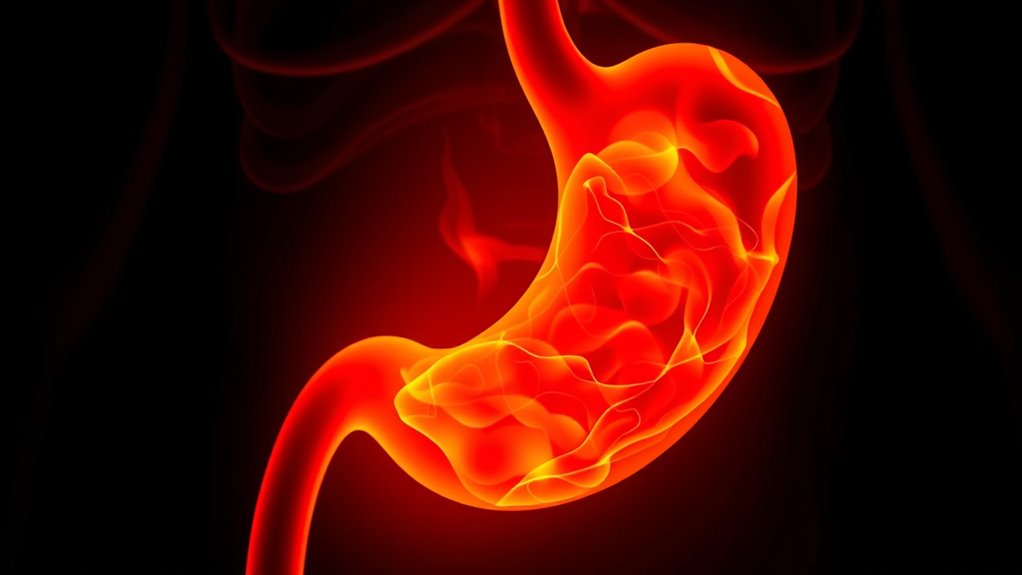
Have you ever wondered why heartburn occurs? It all comes down to a process called gastrointestinal reflux. When you eat, your stomach produces acid to help break down your food. Normally, a ring of muscle at the bottom of your esophagus, called the lower esophageal sphincter, keeps this acid contained in your stomach. But sometimes, this muscle doesn’t close properly, allowing stomach contents, including acid, to flow back into your esophagus. That backflow is what we call reflux, and when it causes discomfort or a burning sensation, it’s known as heartburn.
The primary culprit here is excess acid production. When your stomach produces more acid than necessary, or if the acid escapes into your esophagus due to a weakened or relaxed sphincter, it irritates the lining of your esophagus. Unlike your stomach, which is built to handle acid, your esophagus isn’t designed for that level of acidity. This irritation causes that familiar burning feeling behind your chest, which can sometimes radiate to your throat or jaw.
Several factors can increase acid production or make gastroesophageal reflux more likely. Eating large meals, especially those rich in fatty or spicy foods, can prompt your stomach to produce more acid. Consuming alcohol or caffeine, smoking, and being overweight also relax the lower esophageal sphincter, making reflux more probable. Stress and certain medications might also contribute to increased acid production or weaken the muscle that keeps stomach contents in place.
When acid from your stomach repeatedly refluxes into your esophagus, it can damage the lining over time. This damage can lead to inflammation, known as esophagitis, or even cause changes in the tissue that might increase the risk of further complications. This is why managing acid production and preventing reflux are *essential* to reducing heartburn episodes and protecting your esophageal health.
In addition, incorporating certain plant-based solutions can help soothe the digestive tract and reduce acid reflux symptoms.
In essence, heartburn is a consequence of an imbalance: too much acid being produced and/or a compromised barrier preventing that acid from escaping into your esophagus. Your lifestyle choices, eating habits, and physical health all influence this delicate balance. Understanding how gastrointestinal reflux and acid production work together helps you see why certain triggers cause heartburn and underscores the importance of managing those triggers to keep your digestive system healthy.
As an affiliate, we earn on qualifying purchases.
Frequently Asked Questions
Can Stress Trigger Heartburn Symptoms?
Yes, stress can trigger heartburn symptoms. When you’re stressed, your body releases hormones that may increase stomach acid production or relax the lower esophageal sphincter, allowing acid to escape. Managing stress through techniques like relaxation exercises and emotional triggers awareness can help reduce heartburn episodes. You should prioritize stress management to prevent these symptoms from worsening and improve your overall digestive health.
Are There Specific Foods That Help Prevent Heartburn?
Think of your diet like a medieval shield—some foods protect, while others cause trouble. To help prevent heartburn, incorporate foods like oatmeal, bananas, and ginger, which soothe your stomach. Avoid food triggers like spicy, fatty, or acidic foods. Diet modifications are your best defense. By choosing gentle, non-triggering options, you can reduce symptoms and enjoy meals without the fiery dragon of heartburn lurking nearby.
How Does Pregnancy Affect Heartburn Frequency?
During pregnancy, your heartburn frequency increases due to hormonal and digestive changes. Pregnancy hormonal fluctuations relax the valve between your stomach and esophagus, allowing acid to escape more easily. Additionally, the growing uterus puts pressure on your stomach, pushing acid upward. These combined effects make heartburn more common and intense during pregnancy. To ease symptoms, try eating smaller meals, avoiding trigger foods, and staying upright after eating.
Can Heartburn Indicate More Serious Health Issues?
Think of acid reflux as a warning light on your dashboard—heartburn can sometimes signal more serious health issues. If you experience frequent or severe symptoms, it might indicate underlying problems like stomach irritation or GERD. Don’t ignore persistent discomfort; consult a healthcare professional to rule out conditions that require treatment. Addressing these early can prevent complications and keep your digestive system running smoothly, much like fixing a small leak before it floods.
What Lifestyle Changes Can Reduce Heartburn Episodes?
To reduce heartburn episodes, you should make some simple lifestyle changes. Focus on diet modifications by avoiding spicy, fatty, or acidic foods that trigger symptoms. Improve your sleep habits by elevating your head while sleeping and maintaining a consistent sleep schedule. Additionally, eat smaller meals, avoid lying down right after eating, and quit smoking if you smoke. These steps can help minimize discomfort and prevent frequent heartburn.
Conclusion
Understanding why heartburn happens is like finding the map to your own digestive world. When you know what triggers it, you can steer clear and keep your stomach from becoming a battlefield. Remember, your habits are the compass; healthy choices light the path. Don’t let heartburn rule your life—take charge and navigate wisely. After all, your body’s comfort is the treasure at the end of this journey.
Cold & flu season Picks
humidifiers
As an affiliate, we earn on qualifying purchases.