
After giving birth, creating a solid recovery plan helps support your physical healing, emotional well-being, and new routines. Focus on self-care like gentle walks, showering, and resting, while staying in touch with healthcare providers. Address breastfeeding challenges with support from professionals and share your feelings with trusted loved ones. Remember, recovery takes time, and setbacks are normal. Keep exploring ways to strengthen your confidence and resilience—there’s more to learn that can make your journey smoother.
Key Takeaways
- Develop a comprehensive physical recovery plan including rest, self-care, and regular check-ins with healthcare providers.
- Address breastfeeding challenges with support from lactation specialists and patience through trial and error.
- Prioritize mental health by recognizing emotional changes, seeking support, and communicating openly with loved ones and professionals.
- Build a strong support network of family, friends, and support groups to aid emotional and practical recovery.
- Set realistic expectations, practice self-compassion, and incorporate small self-care routines to promote overall well-being.
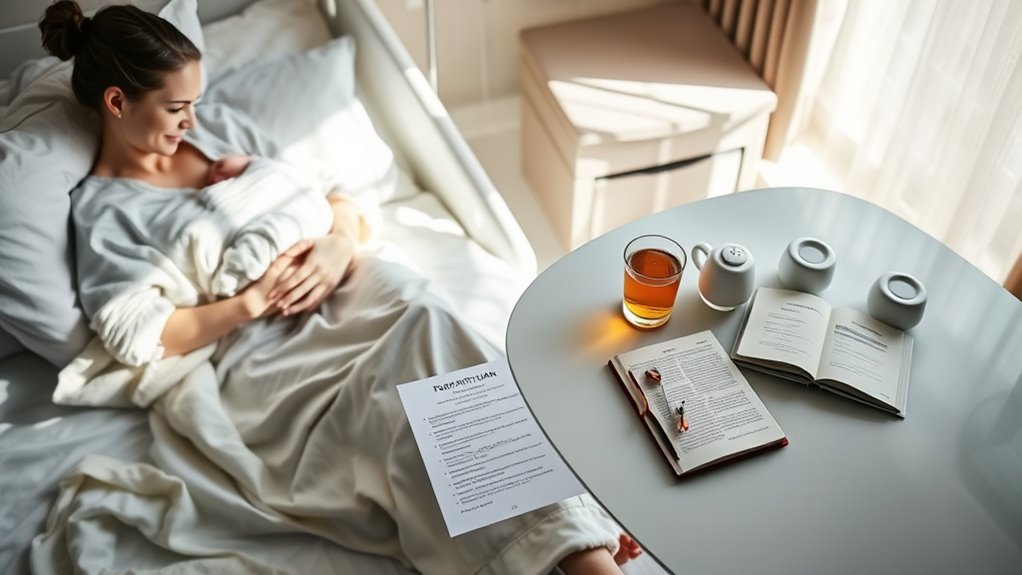
After welcoming your new baby, it’s essential to prioritize a well-structured recovery plan to support your physical and emotional well-being. The postpartum period is a time of significant change, and preparing for it can help you navigate challenges more confidently. One of the common concerns new mothers face is breastfeeding challenges. You might encounter difficulties such as latching issues, nipple soreness, or concerns about milk supply. These problems can be frustrating and sometimes disheartening, but knowing that support is available can make a difference. Consulting a lactation specialist early on can provide practical solutions and reassurance, helping you establish a comfortable breastfeeding routine. Remember, every mother’s experience is unique, and setbacks are normal. Patience and persistence are key, and seeking help when needed can ease your journey.
Alongside physical recovery, your postpartum mental health deserves just as much attention. Hormonal shifts, sleep deprivation, and the overwhelming responsibility of caring for a newborn can take a toll on your emotional state. It’s common to feel overwhelmed, anxious, or even sad during this time, but recognizing these feelings is vital. Prioritizing mental health might mean carving out small moments of rest, reaching out to friends or family for support, or talking openly with a healthcare provider about your emotions. Don’t dismiss feelings of sadness or anxiety; they’re valid and manageable with proper care. Establishing a support network can be a lifeline, whether it’s joining new parent groups, connecting with a counselor, or simply sharing your experiences with trusted loved ones. Taking care of your mental health isn’t just about feeling better—it’s about creating a foundation for you and your baby’s well-being. Additionally, understanding postpartum recovery can help set realistic expectations and guide your healing process effectively.
Creating a recovery plan also involves setting realistic expectations. You’re healing physically, adjusting emotionally, and learning to care for a tiny human all at once. Be gentle with yourself, celebrate small victories, and accept that setbacks are part of the process. Incorporate self-care routines, even if they’re brief—like a warm shower, a short walk, or quiet moments with your baby. Keep open communication with your healthcare team, who can monitor your progress and address any concerns promptly. Remember, recovery is a gradual journey. With patience, support, and a proactive approach, you’ll find your footing again, feeling more confident and balanced in your new role as a mother.
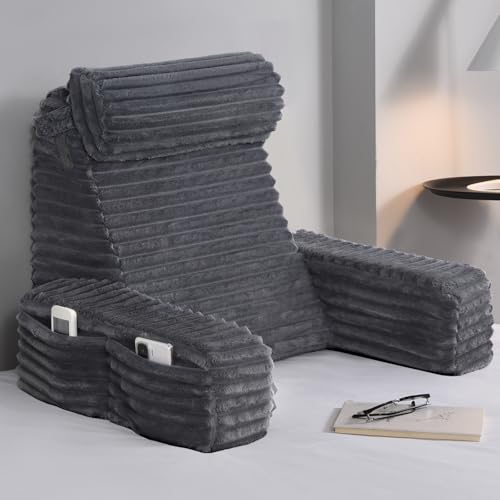
ENITYA 19” Back Pillow for Bed Sitting up, Built-in Armrests & Big Pockets, Back Support Chair Pillow for Sitting up/Watching TV/Reading/Gaming/Resting/Post Surgery/Nursing
[Luxurious 2-Layer Composite Design]: ENITYA reading pillow is the first to incorporate a multi-layer foam composite design. Each…
As an affiliate, we earn on qualifying purchases.
As an affiliate, we earn on qualifying purchases.
Frequently Asked Questions
How Soon Should I Start Postpartum Recovery Activities?
You should start postpartum recovery activities as soon as your doctor gives you the green light, often within a few days after birth. Focus on gentle activities like breastfeeding tips and establishing sleep routines to help your body heal. Listen to your body, rest when needed, and gradually increase activity levels. Early, mindful efforts can support your recovery, making it smoother and more comfortable as you adjust to new motherhood.
Are There Specific Exercises Recommended for Postpartum Recovery?
You should focus on gentle exercises like pelvic floor and abdominal strengthening routines. For example, imagine Sarah, who started pelvic tilts and Kegel exercises two weeks postpartum. These activities help restore core stability and support pelvic health. Always listen to your body, start slowly, and consult your healthcare provider before beginning any new exercise. Gradually, you’ll notice increased strength and confidence in your recovery journey.
How Can I Manage Postpartum Emotional Changes Effectively?
You can manage postpartum emotional changes by prioritizing bonding activities with your baby, which boost your mood and connection. Incorporate sleep strategies like napping when your baby sleeps to combat fatigue. Remember to take time for yourself, share feelings with loved ones, and seek support if needed. Staying active with gentle exercises can also improve your emotional well-being. Be patient and kind to yourself during this shift.
What Warning Signs Indicate Complications During Recovery?
You should seek medical help if you notice signs of infection like fever, foul-smelling discharge, or redness around your incision. Bleeding abnormalities, such as heavy bleeding soaking through pads in an hour or passing large clots, also signal complications. Be alert to persistent or worsening pain, severe headaches, or chest pain. Recognizing these warning signs early helps make certain of prompt treatment and safer recovery.
How Should I Adjust My Diet for Optimal Healing?
You should focus on nutrient-dense foods like lean proteins, fruits, and vegetables to support healing. Did you know that staying well-hydrated can speed up recovery by up to 25%? Incorporate hydration strategies like drinking plenty of water and herbal teas daily. Avoid processed foods and prioritize balanced meals, ensuring your body gets essential vitamins and minerals, which are vital for tissue repair and overall recovery.
GJTIM Lactation Consultant Gift IBCLC Breastfeeding Counselor Gift Helping Mamas Express Themselves Makeup Bag for Lactation Nurse (#Lactationsupport Bag)
【STORAGE SPACE】: This make up bag is big enough to hold your day-to-day makeup, like lipstick, lip gloss,…
As an affiliate, we earn on qualifying purchases.
As an affiliate, we earn on qualifying purchases.
Conclusion
By planning ahead for your post-birth recovery, you set yourself up for a smoother progression into new motherhood. Remember, Rome wasn’t built in a day, so be patient and kind to yourself as you heal and adjust. Trust in your support system and prioritize self-care—these small steps make a big difference. With time and effort, you’ll find your rhythm again, proving that patience and persistence truly pay off in the long run.

Happy Mama Postpartum Self-Care: Navigating the First 12 Weeks to Recharge, Refresh and Nurture for a Smooth Transition to Healthy Motherhood
As an affiliate, we earn on qualifying purchases.
As an affiliate, we earn on qualifying purchases.

Earth Mama Organic Nipple Butter™ | Nipple Cream Safe for Breastfeeding | Postpartum Essentials for Nursing | Non Lanolin Nipple Cream, 2-Fluid Ounce
USDA CERTIFIED ORGANIC: Made from a blend of organic herbs and oils traditionally used to soothe and moisturize…
As an affiliate, we earn on qualifying purchases.
As an affiliate, we earn on qualifying purchases.