
Introducing a toddler bed involves choosing a safe, low-sided option with a snug mattress, placing it away from hazards like cords and sharp furniture, and creating a comfortable, clutter-free environment. Make the shift positive by involving your child in choosing bedding and establishing a routine. Be patient as they adapt, and always follow safety guidelines for secure sleep. Keep exploring tips to ensure your child’s sleep space is safe, inviting, and easy for everyone.
Key Takeaways
- Choose a low, sturdy bed with high sides and a firm, snug mattress for safety.
- Position the bed away from hazards like windows and sharp furniture edges.
- Establish a consistent bedtime routine and involve the child to make the transition inviting.
- Keep the sleep area clutter-free, avoiding heavy blankets, pillows, or stuffed animals for young toddlers.
- Be patient, maintain routine, and use positive reinforcement to help your child adapt to the new bed.

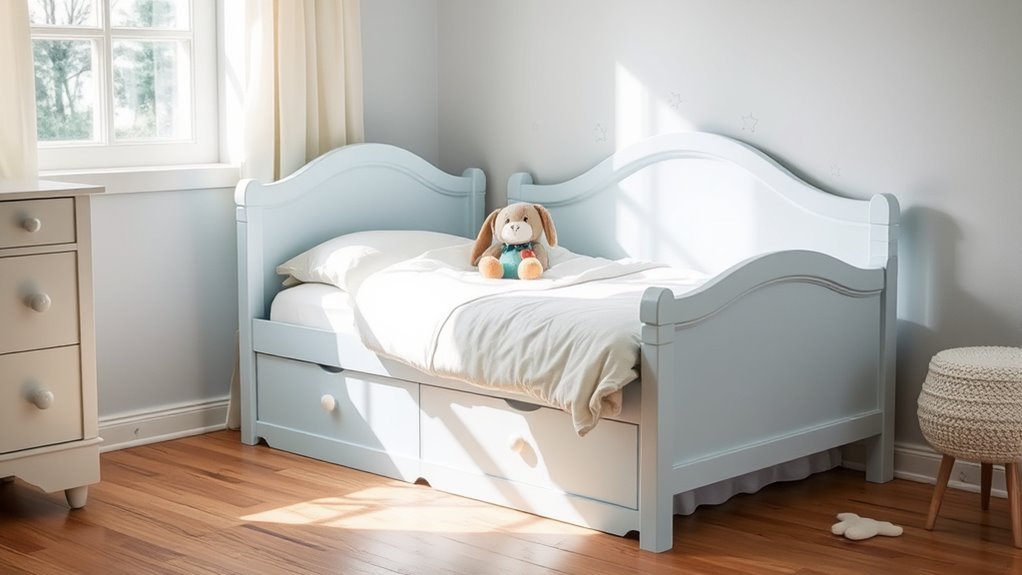
Switching your toddler to a bed marks an exciting milestone, but it can also feel intimidating. You want to ensure this transition goes smoothly, especially when it comes to sleep safety. Moving from a crib to a toddler bed is a big step, and you need to plan carefully to create a safe and comfortable environment. The key is to prioritize sleep safety during the bed transition, so your little one can rest peacefully without unnecessary risks. Start by choosing a toddler bed that has low sides and sturdy construction, which helps prevent falls and makes it easier for your child to get in and out independently. Keep in mind that safety should always come first—avoid beds with high sides or open spaces where your child could get stuck or fall.
As you prepare for the bed transition, consider the placement of the bed within the room. Position it away from windows, cords, or sharp furniture edges to eliminate hazards. You’ll also want to keep the sleep area free of clutter, like toys or loose bedding, which could pose a suffocation risk. Using a firm, fitted mattress and a snug-fitting sheet helps promote sleep safety by reducing the chances of suffocation or entrapment. Avoid placing pillows, heavy blankets, or stuffed animals in the bed, especially for younger toddlers, to minimize suffocation risks. Establishing a consistent bedtime routine will also help your child feel secure during this change, making it easier for them to settle into their new sleep space. Understanding bed safety guidelines is essential to providing a secure environment for your toddler.
When it comes to the actual bed transition, patience is essential. Some toddlers adapt quickly, while others may need time to get used to the new environment. Keep the atmosphere positive and reassuring, emphasizing that the new bed is a fun and special place to sleep. It’s a good idea to involve your child in the process—let them pick out their bedding or a favorite stuffed animal to make the transition more appealing. Remember that establishing a regular sleep schedule and sticking to it reinforces a sense of stability and safety. If your child wakes up distressed or tries to get out of bed frequently, gently guide them back and remind them of the routine. Consistency is vital for sleep safety and helps your little one understand that their new bed is a safe, cozy place for rest.

Dream On Me Classic Design Toddler Bed In Steel Grey, Greenguard Gold And BSA Certified, Low To Floor Design, Two Side Safety rails, Non-Toxic Finishes, Wooden Nursery Furniture
THE PERFECT TRANSITION BED: The bed sits low to the floor, making it easy to get in &…
As an affiliate, we earn on qualifying purchases.
As an affiliate, we earn on qualifying purchases.
Frequently Asked Questions
When Is the Best Age to Transition to a Toddler Bed?
You should shift your child to a toddler bed around age 2 or when they start climbing out of their crib. This helps with sleep training and gives them a safe, comfortable space. Consider toddler mattress options that fit the bed and support their growth. Keep the process positive and consistent, and make certain the bed is low to the ground for safety. Every child is different, so trust their readiness.
How Do I Choose the Safest Toddler Bed Design?
You should pick a toddler bed with a sturdy bed frame that can withstand a curious climber’s adventures. Opt for one with smooth edges and no loose parts, ensuring safety. Check for mattress compatibility to prevent gaps that could trap your little acrobat. After all, a “safe” bed isn’t just about looks—it’s about durability and comfort, so your tiny adventurer stays secure and happy without turning bedtime into a circus act.
What Bedding Is Suitable for a Toddler Bed?
You should choose soft, lightweight toddler bedding that fits snugly to guarantee sleep safety. Opt for breathable materials like cotton to prevent overheating. Use a fitted sheet that stays securely in place and avoid bulky blankets or pillows that could pose a suffocation risk. Toddler bedding should be easy to wash and free from choking hazards, helping your child sleep safely and comfortably throughout the night.
How Can I Make the Toddler Bed More Comfortable?
Imagine your toddler’s bed as a cozy island in a vast sea of dreams. To make it more comfortable, add soft sleep accessories like a plush pillow and gentle blankets. Choose a mattress with just the right firmness—neither too hard nor too soft—to support their tiny body. These touches help create a calming, inviting space where your little one can rest peacefully and drift into restful sleep.
Are There Specific Safety Standards for Toddler Beds?
Yes, there are safety standards for toddler beds. You should check that the bed size complies with regulations, typically fitting a standard toddler mattress, and make sure the mattress firmness is appropriate—firm but comfortable—to prevent suffocation risks. Look for sturdy construction with secure guardrails and avoid beds with sharp edges. Always follow manufacturer guidelines and inspect the bed regularly to keep your child safe.

Dream On Me Honeycomb Orthopedic Firm Fiber Standard Baby Crib Mattress, Greenguard Gold and JPMA Certified, 5” Fiber Core Optimum Support, Fits Crib and Toddler Bed, Waterproof Vinyl Cover
SAFETY ALL THE WAY: This Dream On Me Crib Mattress is Greenguard Gold Certified and meets/exceeds all flammability…
As an affiliate, we earn on qualifying purchases.
As an affiliate, we earn on qualifying purchases.
Conclusion
Now that you’ve introduced your toddler to their new bed, you can finally enjoy the quiet mornings you’ve been dreaming of—until they realize they’re still not quite ready to sleep through the night. Irony strikes as you watch them hop in and out, turning bedtime into a lively circus. But hey, at least now, when they do finally drift off, you’ll be grateful for that tiny, cozy space they call their own—until they grow out of it, of course.

3 Piece Bed Rails for King Size Bed, No-Drill Needed Baby Bed Rail Guard for Toddlers with Height Adjustable, Thickened Child Safety Side Railing Guards/Bedrail for Kids, White/Grey, 74.8×78.7×78.7in
Nail-Free Installation for All Beds- Oneya Baby’s toddler bed rails for king size bed feature an innovative nail-free…
As an affiliate, we earn on qualifying purchases.
As an affiliate, we earn on qualifying purchases.
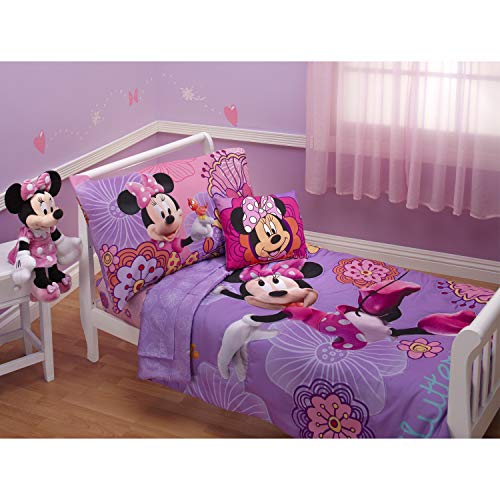
Disney 4 Piece Minnie's Fluttery Friends Toddler Bedding Set, Lavender
The Disney Minnie Mouse 4 Piece Toddler Bedding Set comes with a comforter, top sheet, fitted sheet and…
As an affiliate, we earn on qualifying purchases.
As an affiliate, we earn on qualifying purchases.