Start nighttime potty training when your child shows signs of readiness, like waking with a dry diaper, expressing interest in the toilet, or experiencing longer dry periods. Most children are ready between ages 4 and 5, though individual development varies. Create a calm routine, set up a supportive environment, and be patient with setbacks. By following these steps, you’ll set your child up for success—learn more about effective strategies ahead.
Key Takeaways
- Most children are ready for nighttime potty training between ages 4 and 5, based on dryness and developmental signs.
- Look for consistent dry nights, interest in the toilet, and bladder control as readiness indicators.
- Establish a calming bedtime routine with bathroom trips and use waterproof protectors to support success.
- Incorporate positive reinforcement, patience, and avoid pressure to motivate your child’s progress.
- Consider tools like nighttime alarms and adjusting routines if setbacks occur, emphasizing consistency and reassurance.
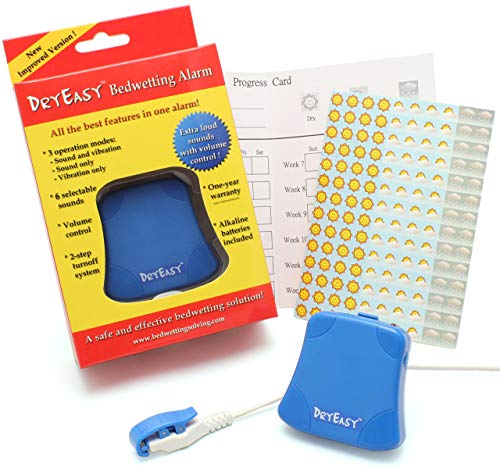
DRYEASY Bedwetting Alarm with Volume Control, 6 Selectable Sounds and Vibration
New and improved toggle clamp locks the sensor securely in place. Reliable sensor detects the first drop of…
As an affiliate, we earn on qualifying purchases.
As an affiliate, we earn on qualifying purchases.
Recognizing Signs of Readiness

Before starting nighttime potty training, you need to recognize when your child is ready. Look for consistent bedwetting patterns, where accidents happen less frequently or only occasionally. If your child is showing signs of nighttime dryness, such as waking up with a dry diaper or bed, it indicates their bladder is developing control. Watch for their ability to stay dry for longer stretches during naps or overnight periods. Also, notice if they express interest in using the toilet or talk about feeling full bladder sensations. These signs suggest their body is beginning to manage urine production better at night. Recognizing these cues helps you determine the right time to begin, making the process smoother and more successful.

CoolShields Waterproof Bed Pads Incontinence Washable Reusable Bedwetting Mattress Protector Pad for Kids, Adults, Elderly, and Pets 34'' x 52'' (1 Pack)
Ultimate Waterproof Protection – Coolshields waterproof bed pads washable offer superior protection with a 100% waterproof barrier, ideal…
As an affiliate, we earn on qualifying purchases.
As an affiliate, we earn on qualifying purchases.
Ideal Age to Begin Nighttime Training
The ideal age to start nighttime potty training varies for each child, but most are ready between ages 4 and 5. At this stage, many children develop better bedwetting habits and begin to achieve nighttime dryness consistently. Waiting until your child shows signs of being physically and emotionally prepared helps reduce frustration for both of you. Keep in mind that some children may take longer to stay dry through the night, and that’s normal. By age 5, most kids have the bladder capacity and control needed for successful nighttime dryness. Trust your child’s progress and avoid rushing the process. Focusing on their individual development guarantees a smoother transition to dry nights and promotes confidence. Additionally, understanding special events and themed breakfasts can provide opportunities to celebrate milestones and encourage positive reinforcement during this journey.
![Night Lights Plug Into Wall [2 Pack], Color Changing Night Light for Kids, 8-Color RGB LED Nightlight with Dusk to Dawn Sensor for Bathroom Decor, Children Room, Gift](https://m.media-amazon.com/images/I/41d2N43et6L._SL500_.jpg)
Night Lights Plug Into Wall [2 Pack], Color Changing Night Light for Kids, 8-Color RGB LED Nightlight with Dusk to Dawn Sensor for Bathroom Decor, Children Room, Gift
【3 Lighting Modes baby night light】DORESshop color-changing night light comes with 3 different levels of lighting control settings:…
As an affiliate, we earn on qualifying purchases.
As an affiliate, we earn on qualifying purchases.
Preparing Your Child for Success

To set your child up for success in nighttime potty training, it’s important to establish a consistent routine and create a supportive environment. Start with calming bedtime stories to ease anxiety and signal that it’s time to wind down. Guarantee the sleep environment is comfortable, dark, and quiet to promote deep sleep, reducing night-time awakenings. A well-prepared space encourages your child to stay dry longer. Use the table below to visualize key elements for success:
| Element | Tip |
|---|---|
| Bedtime Stories | Read calming stories to relax your child |
| Sleep Environment | Keep room dark and quiet for better sleep |
| Routine Consistency | Stick to regular bedtime and bathroom trips |
| Supportive Environment | Offer reassurance and praise progress |
Additionally, incorporating protective styling techniques can help prevent discomfort and maintain the integrity of your child’s nighttime routine. Creating a sleep-friendly environment that minimizes disruptions further supports your child’s ability to stay dry through the night. Understanding automation in business can help you streamline your evening routines and reduce stress, making the process smoother. This tailored approach builds confidence and sets a positive tone for successful nighttime potty training.

The Coast is Clear: A Calming Bedtime Story to Help Kids Wind Down and Relax
As an affiliate, we earn on qualifying purchases.
As an affiliate, we earn on qualifying purchases.
Effective Strategies and Routine Tips
Establishing effective strategies and routines can considerably boost your child’s confidence and success in nighttime potty training. Start by creating a consistent bedtime routine that includes using the bathroom right before bed. Consider implementing bedwetting solutions like waterproof mattress protectors and encouraging your child to use the toilet regularly during the day. Nighttime alarms can be particularly effective; they alert your child at the first sign of wetness, helping them associate waking with bathroom trips. Keep the environment supportive and non-judgmental, praising small successes. Avoid pressuring your child, and focus on reinforcing positive habits. Incorporating behavioral techniques based on scientific principles can further enhance training outcomes. Recognizing the importance of positive reinforcement can encourage your child to stay motivated and build confidence. Establishing routine consistency and using tools like alarms and bedwetting solutions, along with positive reinforcement, will help your child develop independence and reduce accidents over time.
Troubleshooting Common Challenges
Many parents encounter setbacks or resistance during nighttime potty training, which can be frustrating but are often temporary. If your child experiences bedwetting despite your efforts, don’t get discouraged. Focus on effective bedwetting solutions like waterproof mattress protectors and encouraging a positive attitude. Remember, achieving nighttime dryness takes time, patience, and consistency. If setbacks persist, consider adjusting bedtime routines or limiting fluids before sleep. Sometimes, reassurance and gentle reminders help build confidence. Avoid punishing your child for accidents, as this can increase anxiety and delay progress. Instead, celebrate small successes and stay patient. Incorporating Remote Hackathons can also inspire creative problem-solving approaches to common challenges parents face during potty training. Additionally, understanding bedwetting solutions can help tailor strategies to your child’s specific needs. For example, some children benefit from specialized products designed to manage nocturnal enuresis. With perseverance and the right strategies, you’ll help your child reach nighttime dryness and feel confident in their abilities.
Frequently Asked Questions
How Long Does Nighttime Potty Training Typically Take?
Nighttime potty training can take anywhere from a few weeks to several months, depending on your child’s readiness. During this time, you can try bedwetting remedies like moisture alarms or positive reinforcement. Meanwhile, overnight diaper options provide comfort and security for your child. Consistency and patience are key; celebrate small successes, and avoid pressure to help your child gain confidence and stay dry through the night.
Can Nighttime Training Affect Daytime Independence?
Nighttime training can influence your child’s daytime independence, as overcoming bedwetting boosts confidence and self-reliance. Understanding bedwetting psychology helps you support their emotional growth, encouraging them to take responsibility for their potty habits. When your child gains control at night, it reinforces independence development, making them more willing to handle daytime tasks confidently. This positive cycle strengthens their overall autonomy and self-esteem as they grow.
Should I Limit Liquids Before Bedtime During Training?
Absolutely, limiting liquids before bedtime can help during nighttime training. You want to establish a steady sleep schedule and consistent bedtime routines that reduce nighttime trips. By curbing fluids an hour or two before sleep, you support smoother sleep patterns and lessen accidents. Focus on forming familiar routines, and keep the environment calm and consistent. This simple step can make nighttime training less stressful and more successful for both of you.
How Do I Handle Setbacks or Accidents at Night?
When setbacks happen, stay calm and reassure your child. Use gentle bedwetting remedies like encouraging them to try again without shame. Review and adjust your child’s nighttime routines, such as limiting fluids before bed and ensuring they use the bathroom right before sleeping. Consistency helps reduce accidents over time. Remember, setbacks are normal, and patience keeps your child motivated to succeed in nighttime training.
Are There Specific Products That Help With Nighttime Training?
Like the lighthouse guiding ships safely, specific products can help your nighttime training journey. You might consider nightlight options to gently illuminate the path, reducing fears and accidents. A waterproof mattress protector is essential, safeguarding bedding from unexpected mishaps. These tools create a supportive environment, encouraging your child’s confidence and independence, making nightly training smoother and less stressful for both of you.
Conclusion
Think of nighttime potty training as guiding your little boat through calm, dark waters. With patience and the right tools, you’ll help your child navigate these quiet seas confidently. Celebrate each small milestone as a shining lighthouse, illuminating their progress. Soon, they’ll sail into independence, confident and dry, ready to explore new horizons. Trust your instincts and stay steady—before long, you’ll both enjoy smooth sailing into a dry, restful night.