
To watch for added sugars, check ingredient lists carefully—look for names like high-fructose corn syrup, sucrose, or dextrose, which hide sugar in many processed foods such as yogurt, cereals, and dressings. Be aware that labels often list multiple types of sugars, making it easy to overlook their presence. Choosing whole, unprocessed foods and natural sweeteners can help, but understanding these hidden sources can empower you to make healthier choices. Keep exploring to learn more about spotting added sugars.
Key Takeaways
- Check ingredient lists for multiple sugar names like high-fructose corn syrup, sucrose, and dextrose.
- Be aware that flavored yogurt, cereals, and dressings often contain hidden added sugars.
- Natural sweeteners such as honey and maple syrup still contribute sugars; use them in moderation.
- Prioritize whole, unprocessed foods and fresh fruits to naturally satisfy sweet cravings without added sugars.
- Reading labels carefully helps identify hidden sugars and make healthier dietary choices.

Have you ever wondered how much sugar is hidden in the foods you eat every day? It’s easy to overlook the sneaky sources of added sugars tucked into seemingly healthy products. Often, these sugars aren’t obvious on ingredient lists because they go by many names. Understanding the hidden sources of added sugars is essential if you want to make smarter choices for your health. While some people turn to natural sweeteners like honey, maple syrup, or agave nectar as healthier alternatives, it’s important to remember that they still contain sugars and should be used mindfully. These natural options are often marketed as better choices, but they’re not free of the same concerns as refined sugars. They can contribute to your overall sugar intake if consumed in excess. That’s why reading labels carefully is vital, especially when you’re trying to cut back.
Many processed foods hide added sugars behind different names, making it tricky to spot them. Common culprits include flavored yogurt, breakfast cereals, granola bars, and even savory items like salad dressings and sauces. Often, added sugars are listed as high-fructose corn syrup, cane sugar, sucrose, or dextrose. These ingredients are designed to enhance flavor and extend shelf life, but they also spike your blood sugar levels and contribute to health issues over time. To avoid these hidden sources, you need to become a label reader. Check the ingredients list and look for any form of sugar, no matter what name it’s given. If you see multiple types of sugars listed, it’s a sign that the product contains significant added sugars. Recognizing hidden sugars in processed foods can help you make healthier choices and prevent overconsumption.
You might feel tempted to rely solely on natural sweeteners, but they’re not a free pass to indulge excessively. While they do offer some benefits, such as trace nutrients and a more natural flavor, overdoing it can still lead to health problems. Instead, focus on reducing your overall sugar intake by choosing whole, unprocessed foods whenever possible. Fresh fruits are a fantastic source of natural sweetness that comes with fiber and nutrients, unlike processed foods with hidden sugars. Cutting back on packaged snacks and desserts can make a big difference. Remember, the goal isn’t to eliminate all sweetness but to be aware of how much sugar you’re consuming and to make intentional choices. Being vigilant about hidden sources and understanding the role of natural sweeteners will help you manage your sugar intake more effectively, supporting your overall health and well-being.

Flour Sugar Coffee Tea Labels for Jars – 4PCS Kitchen Pantry Vinyl Stickers for Containers and Organization Black
Kitchen Pantry Organization Made Simple – Clearly label your jars with “Flour”, “Sugar”, “Coffee”, and “Tea” – a…
As an affiliate, we earn on qualifying purchases.
As an affiliate, we earn on qualifying purchases.
Frequently Asked Questions
How Can I Identify Hidden Added Sugars in Processed Foods?
You can identify hidden added sugars by carefully reading the label and ingredient list on processed foods. Look for terms like sucrose, glucose, high-fructose corn syrup, or anything ending in “-ose.” Even if sugar isn’t obvious on the label, ingredients listed early indicate higher amounts. Being vigilant helps you spot hidden sugars that can sneak into your diet, so always check labels before buying or consuming processed products.
What Are Natural Sweeteners That Don’t Add to Added Sugar Intake?
Ever wondered if natural sweeteners can satisfy your sweet tooth without adding to your sugar intake? You can turn to options like honey, maple syrup, and agave nectar as natural sweeteners, or use sugar substitutes like stevia and monk fruit. These alternatives offer sweetness without the spike in added sugars, helping you enjoy treats guilt-free. Are you ready to explore these healthier options for a sweeter, balanced diet?
Are There Specific Health Risks Linked to Consuming High Added Sugars?
Yes, consuming high added sugars can increase your risk of dental cavities and insulin resistance. When you eat a lot of added sugars, bacteria in your mouth feed on them and produce acid, which damages tooth enamel. Additionally, excess sugar intake can cause your body to become resistant to insulin, raising your risk for type 2 diabetes. Reducing added sugars helps protect your teeth and supports healthy blood sugar levels.
How Can I Reduce Added Sugar Intake Without Sacrificing Flavor?
You can cut added sugars without losing flavor by using healthy substitutions like fresh fruit or natural sweeteners. Swap sugar-laden desserts for flavorful yogurt with berries or a drizzle of honey. Incorporate flavor enhancers such as vanilla, cinnamon, or citrus to boost taste naturally. These tricks let you enjoy your favorite treats while reducing sugar intake, making your diet both delicious and healthier.
What Are Effective Alternatives to Sugary Snacks for Children?
You can offer healthy snack swaps like crunchy veggie sticks with hummus or whole-grain crackers with cheese. Flavorful fruit options such as berries, apple slices with a sprinkle of cinnamon, or banana with nut butter make great alternatives to sugary snacks. These choices satisfy sweet cravings, provide essential nutrients, and help reduce added sugar intake while keeping snack time enjoyable for kids.

Heaven & Earth 100% Pure Organic Silan Date Syrup 12oz | Date Honey | Squeeze Bottle | Natural Honey or Maple Syrup Alternative | Low Glycemic Index, Great Sugar Replacement | Kosher
PURE SWEETNESS – Heaven & Earth Date Syrup is a naturally sweet, delicious & rich replacement for honeys,…
As an affiliate, we earn on qualifying purchases.
As an affiliate, we earn on qualifying purchases.
Conclusion
Being mindful of added sugars can substantially improve your health. Did you know that the average American consumes about 77 grams of added sugars daily, far exceeding the recommended limit? By reading labels and choosing whole, unprocessed foods, you can cut back effectively. Small changes add up—reducing your intake might lower your risk for chronic conditions like heart disease and diabetes. Take control today, and make smarter choices for a healthier tomorrow.

Cascadian Farm Organic Vanilla Crisp Cereal, No Added Sugar, 12 oz
0G ADDED SUGAR: A delicious mix of whole grain wheat, rice, date powder, and natural vanilla flavor, with…
As an affiliate, we earn on qualifying purchases.
As an affiliate, we earn on qualifying purchases.
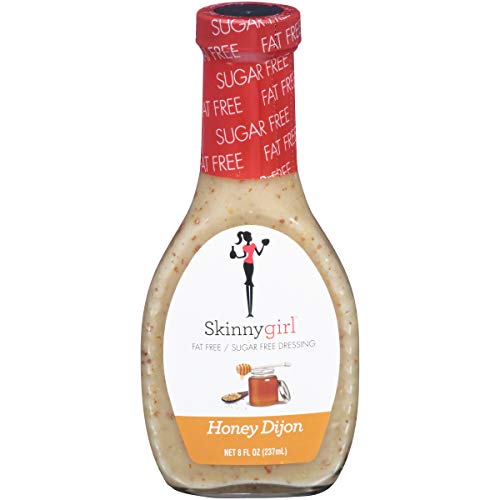
Skinnygirl Sugar Free Gluten Free Salad Dressing, Honey Dijon, 8 Ounce
Nothing beats the powerful flavors of Dijon mustard and honey
As an affiliate, we earn on qualifying purchases.
As an affiliate, we earn on qualifying purchases.