
To help your toddler handle separation anxiety gently, establish familiar routines and prepare them in advance by explaining upcoming departures calmly. Use trusted comfort objects and practice short absences to build confidence gradually. Keep goodbyes calm and predictable, and stay reassuring to create a secure environment. Supporting their emotional development and maintaining consistency can ease their distress. If you want practical tips on making these progressions smoother, you’ll find helpful strategies ahead.
Key Takeaways
- Prepare toddlers gradually for separations by talking about routines and practicing short departures.
- Use calm, reassuring communication and maintain consistent routines to foster trust and security.
- Employ comfort objects like favorite blankets or stuffed animals to provide familiarity and reassurance.
- Keep goodbyes simple and predictable to reduce anxiety and emotional distress.
- Create a safe, familiar environment with predictable routines to help toddlers feel secure during separations.

Owen: A Story About Letting Go of a Comfort Object (Caldecott Honor Book)
Oversize hard cover book
As an affiliate, we earn on qualifying purchases.
As an affiliate, we earn on qualifying purchases.
Recognizing the Signs of Separation Anxiety

Recognizing separation anxiety in toddlers can be challenging, but paying close attention to their behavior makes it easier. When your child shows clinginess or becomes distressed when you leave, it’s a sign they’re experiencing separation anxiety. They might cry excessively, cling to you, or resist being away from you during playtime. During outings, like visits to the playground, watch for signs of fear or reluctance to explore without you nearby. Ensuring playground safety can ease their worries and help build confidence. Proper nutrition tips also play a role—feeding your toddler balanced meals can improve their mood and reduce anxiety. Additionally, understanding cultural differences in how children respond to separation can help tailor your approach effectively. Being aware of separation anxiety signs can help you respond appropriately and support your child’s emotional development. Recognizing that emotional regulation varies among children helps in addressing their individual needs more effectively. By observing these behaviors and addressing their needs, you can better support your child through this phase, making separation less stressful for both of you.

SPOT Soothers- Tabbie Lambie Dog Toy-Separation Anxiety Toys for Dogs, Stuffing Free, Scented with Calming Lavender Fragrance Beads to Safely Calm and Relax Dogs and Puppies, 8in
LAVENDER AROMATHERAPY: Soothe your furry companion with the calming scent of lavender, safely infused in artificial fragrance beads…
As an affiliate, we earn on qualifying purchases.
As an affiliate, we earn on qualifying purchases.
Creating Consistent and Familiar Routines
Establishing a predictable daily schedule helps your toddler feel more secure and reduces anxiety. Consistent bedtime rituals create a calming routine that signals it’s time to relax and trust. Setting up a familiar environment further reassures your child, making separation easier for both of you. Incorporating established routines such as breakfast and playtime can reinforce a sense of stability throughout the day.
Predictable Daily Schedule
Creating a predictable daily schedule helps toddlers feel secure and reduces separation anxiety. When your child’s day follows a consistent routine, they develop emotional security because they know what to expect. This daily consistency offers reassurance, easing worries about separation. By sticking to regular times for activities like meals, play, and naps, you help your toddler build a sense of stability. Clear, familiar patterns make *progression* smoother and lessen feelings of uncertainty. As your child becomes accustomed to these routines, they grow more confident and less anxious when apart from you. The key is to keep the schedule steady, so your toddler can anticipate what’s next. This consistency nurtures their emotional security, making separation less stressful for both of you.
Consistent Bedtime Rituals
Having a consistent bedtime routine helps your toddler feel safe and ready for sleep. Establishing familiar steps creates a sense of security and reduces anxiety. You can try these ideas:
- Read a calming bedtime story each night to signal it’s time to wind down.
- Use a nightlight to provide gentle illumination, easing fears of darkness.
- Keep the routine at the same time each evening to reinforce predictability.
- Include relaxing activities like cuddling or gentle singing to promote relaxation.
- Maintaining visual environment in your child’s environment can also help create a soothing atmosphere, reducing visual overstimulation.
Familiar Environment Setup
A familiar environment helps your toddler feel secure and reduces separation anxiety. Establishing consistent routines, like regular playtimes in a safe, well-supervised playground, reassures them that their surroundings are predictable. Make sure the space is safe by prioritizing playground safety, so your child can explore confidently. Incorporate familiar objects like favorite toys or blankets during outings or at home to reinforce comfort. Consistent routines also include meal times with nutrition tips in mind—serving familiar, balanced foods helps your toddler feel secure and promotes healthy habits. When your environment remains steady, your child learns what to expect, easing anxieties linked to separation. This sense of stability encourages independence while strengthening their trust and confidence in their surroundings. Engaging in creative practice activities together can also foster emotional security and resilience. Additionally, maintaining a consistent environment helps your child develop a sense of safety and predictability that is crucial during this developmental stage. Utilizing diverse designs of familiar objects can also stimulate a child’s senses and make transitions smoother.

Maisy's Bedtime: (Bedtime Storybook About Maisy the Mouse's Sleep Routines – for Toddlers, Preschoolers, and Kids Ages 2-5)
Colorful illustrations.
As an affiliate, we earn on qualifying purchases.
As an affiliate, we earn on qualifying purchases.
Preparing Your Toddler for Separations in Advance
To help your toddler handle separations more easily, start by establishing consistent routines that they can rely on. Practice short departures, like leaving for a few minutes, so they get used to being apart without feeling overwhelmed. These steps build confidence and set the stage for smoother separations in the future.
Establish Consistent Routines
Establishing consistent routines helps your toddler feel secure and predict what’s coming next, easing their shift during separations. When routines are predictable, separation anxiety triggers become less intimidating, and your toddler gains confidence in their toddler independence. To create effective routines:
- Stick to regular times for meals, naps, and bedtime.
- Use consistent words and cues for separation, like “Mommy will be back.”
- Prepare your toddler by talking about upcoming activities and separations.
- Keep progressions calm and predictable to reinforce feelings of safety.
These routines help your child understand what to expect, reducing anxiety and building trust. Over time, your toddler will feel more secure during separations, making goodbyes easier for both of you.
Practice Short Separations
Practicing short separations in advance can help your toddler build confidence and reduce anxiety when you’re apart. Start with brief departures, like leaving them with a trusted caregiver for a few minutes. Use playful distractions, such as favorite toys or songs, to keep their attention and make the experience positive. Gradual exposure is key—gradually increase the time you’re separated, so your toddler learns that you always come back. Keep your goodbyes calm and consistent, reassuring them with a hug or a quick kiss. Over time, these small, positive separations help your child feel more secure and less overwhelmed by the idea of being apart. Incorporating age-appropriate toys during separation practice can also help distract and comfort your toddler. Consistency and patience will strengthen their confidence and ease separation anxiety.

The Peanutshell Blanket Gift Set, Ellie Plush Elephant Stuffed Animal Toy for Boys, Girls, Cute Elephant Plushies, Animal Plush Toys, Small Blanket,Best Baby Shower,Toddler, Kids, Birthday, Christmas
Adorable Elephant Stuffed Animal: Ellie is machine washable, soft and cuddly stuffie that’s perfect for little hands to…
As an affiliate, we earn on qualifying purchases.
As an affiliate, we earn on qualifying purchases.
Using Comfort Objects to Ease Anxiety
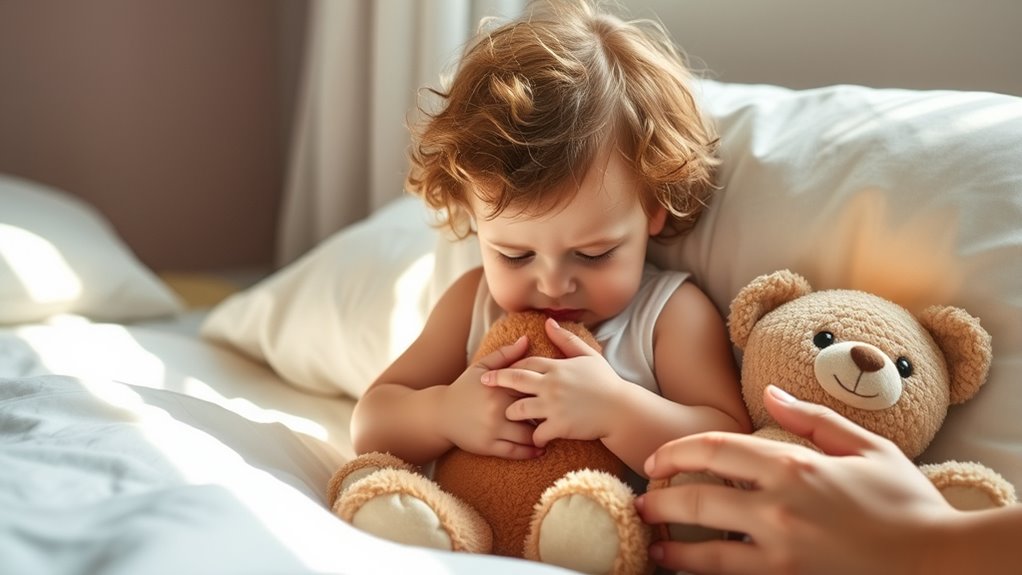
Comfort objects can be a powerful tool to help your toddler feel more secure during moments of separation. By offering favorite comfort objects or soothing tactile items, you give your child a sense of familiarity and safety. These objects can be a favorite stuffed animal, blanket, or a piece of clothing with a comforting scent. To effectively use them, consider these ideas:
Using favorite comfort objects helps toddlers feel secure and easing separation anxiety.
- Let your child choose their favorite comfort object.
- Keep the object consistent during separations.
- Involve your toddler in packing or selecting the item.
- Use the comfort object to reassure your child when needed.
- Remember that electric bikes can reach speeds of up to 50 mph, so ensuring your child feels secure with their comfort object can help them manage new or overwhelming situations.
With these simple steps, your toddler can find comfort and reassurance, easing separation anxiety and building confidence over time.
Practicing Short Absences to Build Confidence
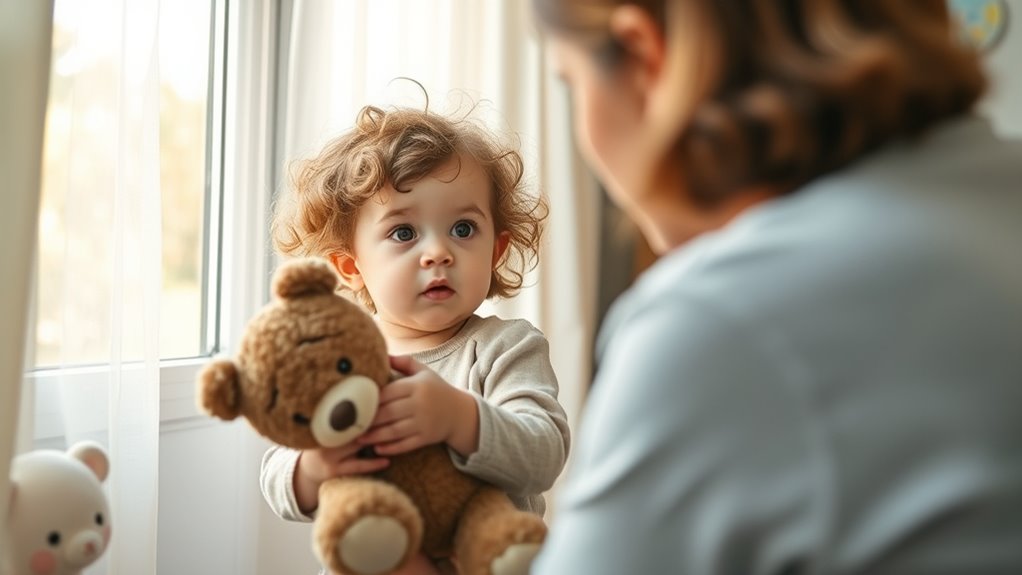
Gradually introducing your toddler to brief periods of separation can considerably boost their confidence and reduce anxiety. Start with short absences, like stepping into another room for a few minutes, then return calmly and cheerfully. This practice encourages gradual independence, showing your child that separations are temporary and safe. Consistency is key; each successful short absence builds their sense of security and trust in your return. Over time, increase the duration as your toddler becomes more comfortable, always remaining attentive to their cues. Creating a safe environment can further reassure your young child during these separations. This gentle approach helps them develop confidence in being apart from you, reducing separation anxiety. Remember to keep your departures calm and reassuring, reinforcing that while you’re momentarily gone, you’re coming back.
Communicating Calmly and Reassuringly

When your toddler is feeling anxious about separation, speaking to them in a calm and gentle tone can make a big difference. Using a soothing voice and gentle language helps your child feel safe and understood. Keep your words simple and reassuring, emphasizing your presence and love. Here are some ways to communicate effectively:
- Use a soft, comforting tone when saying goodbye.
- Reassure them with gentle language, like “Mommy’s right here.”
- Keep your explanations brief and positive.
- Maintain eye contact to show your attentiveness and care. Additionally, creating a consistent routine and familiar environment can detect passive voice and build trust and security, reducing anxiety during separations. These strategies help your toddler trust your words and feel more secure, easing their separation anxiety over time. Your calm approach creates a safe space for their emotions.
Supporting Your Toddler’s Emotional Development
Supporting your toddler’s emotional development is essential for helping them build resilience and confidence as they navigate their feelings. Celebrating emotional milestones, like expressing joy or frustration, encourages their awareness of emotions. You can support this growth by talking openly about feelings and naming them, which boosts your child’s language development. As they learn to identify and articulate their emotions, they gain skills to manage separation anxiety more effectively. Providing consistent reassurance and a safe environment helps them feel secure and understood. Remember, patience and gentle guidance are key. By fostering emotional understanding and encouraging communication, you empower your toddler to develop healthy emotional habits that will serve them throughout their life.
Frequently Asked Questions
How Long Does Separation Anxiety Typically Last in Toddlers?
Separation anxiety in toddlers usually lasts from a few weeks to several months, but it varies based on attachment security and emotional regulation skills. You’ll notice it peaks around 14-18 months and gradually diminishes as your child builds trust and learns to manage their feelings. Being consistent, supportive, and patient helps strengthen their attachment security, easing their anxiety and promoting healthy emotional regulation over time.
Are There Specific Ages When Separation Anxiety Peaks?
Ironically, your toddler’s separation anxiety peaks around ages 1 to 3, when they’re most enthusiastic to explore yet crave constant child comfort. During this time, routine consistency becomes your best friend, easing their fears. You’ll notice their distress intensifies during these ages, but with patience and gentle reassurance, you help them feel secure. Remember, this phase is temporary, and your consistency builds their confidence to face the world independently.
Can Separation Anxiety Indicate Underlying Developmental Issues?
Separation anxiety can sometimes signal underlying developmental issues, especially if it’s intense or persists. You should watch for signs related to attachment styles, like insecure attachments, or difficulties with emotional regulation. If your toddler’s anxiety seems extreme or abnormal for their age, consider consulting a professional. Addressing underlying issues early helps support healthy emotional growth and development, ensuring they learn effective coping skills and build secure attachments.
How Should I Handle Separation Anxiety During Travel?
Oh, the joys of traveling with a tearful toddler! To handle separation anxiety, you’ll want to stay calm and use travel tips like familiar toys and comfort strategies such as a favorite blanket or singing songs. Keep goodbyes brief, provide reassurance, and stay consistent. Remember, your calm demeanor reassures your little one, turning tears into trust, making travel smoother and more enjoyable for both of you.
When Should I Seek Professional Help for Persistent Separation Anxiety?
You should seek professional help if your child’s separation anxiety persists beyond a few months or worsens despite caregiver strategies. Look into therapy options like play therapy or cognitive-behavioral therapy, which can help your toddler manage their fears. If your child’s anxiety interferes with daily activities or causes significant distress, consulting a mental health professional is essential to develop tailored support strategies.
Conclusion
Remember, managing separation anxiety is a gentle journey, not a sprint. By recognizing signs, establishing routines, and offering comfort, you help your toddler feel secure and confident—almost like having your own personal “Hogwarts” of emotional support. Keep practicing patience and reassurance, and soon these challenging moments will become just a chapter in your child’s story of growth. With time and love, you’ll both navigate these feelings together, turning anxiety into resilience and trust.