

The best family toys bring different ages together without making setup, rules, or screen time a source of friction. My best overall pick is Do You Really Know Your Family?, which makes conversation the main event; Connect 4 is a stronger fit for quick head-to-head play, while the Nex Playground suits families seeking movement-based play. The main tradeoffs are simple rules versus deeper replay, compact tabletop fun versus active play that needs room, and low-maintenance games versus electronic options with more setup. No single pick suits every age mix or household routine. Read on for how the 15 options compare and which one fits your family.

Turn the school run and nap time into listening time
- Thousands of audiobooks, podcasts and originals
- Listen on your phone, tablet or Echo — also offline
- Cancel anytime
Complete the kit


Key Takeaways
- Conversation games stand out for mixed-age groups: Do You Really Know Your Family? puts shared stories and reactions ahead of speed or fine motor skills.
- Connect 4 is the clearest quick-play choice: Its direct, visual competition is easier to start than games with longer rules or more elaborate turns.
- Active play comes with a space tradeoff: Nex Playground offers a different kind of group activity, but it asks for room and a willingness to use an electronic system.
- Simple toys can suit short attention spans better than feature-heavy games: Pass the Potato, Let’s Go Fishin’, and Trouble offer quick, recognizable play, though their appeal can be narrower for older players.
- The strongest choice depends on how a family plays together: Silly humor, dexterity challenges, classic board competition, creative assembly, and movement each serve different moods and age mixes.
| Do You Have Any Farting Unicorns? Silly Go Fish Card Game |  | Best for Quick, Silly Family Games | Players: 2–6 | Age range: 4 years and up | Playing time: 5–15 minutes | VIEW LATEST PRICE | See Our Full Breakdown |
| Bameca Magnetic Chess Game with Full-Size Stones and Rope |  | Best for Tactical Family Play | Players: 2–4 | Recommended age: 4 years and up | Materials: Plastic and stone | VIEW LATEST PRICE | See Our Full Breakdown |
| Move2Play Pass the Potato Game |  | Best for Active Preschool Play | Age range: 3–8 years | Included components: 1 potato | Material: Plush | VIEW LATEST PRICE | See Our Full Breakdown |
| Hasbro Gaming Crossfire Game |  | Best for Two-Player Action | Players: 2 | Recommended age: 7 years and up | Play time: Under 10 minutes | VIEW LATEST PRICE | See Our Full Breakdown |
| Hasbro Gaming Bop It! Extreme Electronic Game for Ages 8+ |  | Best for Solo and Party Challenges | Age range: 8 years and up | Number of players: 1–2 | Game modes: Solo, Pass It, Party, One-on-One | VIEW LATEST PRICE | See Our Full Breakdown |
| Balance Stacking Blocks Game, 48 Pieces |  | Best for Travel and Group Play | Brand: Ziogogco | Recommended age: 3–14 years | Material: ABS plastic | VIEW LATEST PRICE | See Our Full Breakdown |
| Nex Playground Active Play System for Kids and Families | 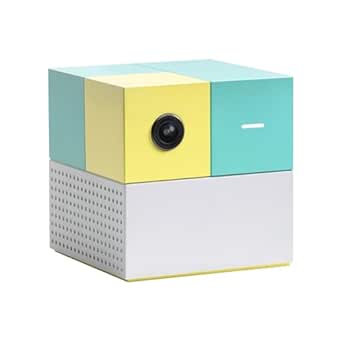 | Best for Active Indoor Play | Recommended age: 5 and up | Players: Up to 4 | Included games: Fruit Ninja, Starri, Whac-a-Mole, Go Keeper, Party Fowl | VIEW LATEST PRICE | See Our Full Breakdown |
| Do You Really Know Your Family? Family Card Game |  | Best for Conversation Across Ages | Recommended age: 8 years and up | Players: 3–8 | Components: Cards | VIEW LATEST PRICE | See Our Full Breakdown |
| Hasbro Gaming Trouble Board Game for Kids Ages 5 and Up |  | Best for Easy-to-Learn Competition | Recommended age: 5 years and up | Players: 2–4 | Edition: Classic Edition | VIEW LATEST PRICE | See Our Full Breakdown |
| Hasbro Gaming Operation Electronic Board Game |  | Best for Fine-Motor Challenges | Brand: Hasbro Gaming | Recommended age: 6 years and up | Players: 1 or more | VIEW LATEST PRICE | See Our Full Breakdown |
| Sorry! Classic Family Board Game |  | Best for Competitive Family Game Nights | Brand: Hasbro Gaming | Game type: Family board game | Players: 2–4 | VIEW LATEST PRICE | See Our Full Breakdown |
| TOMY Pop Up Super Mario Family Action Game |  | Best for Short, Lively Turns | Brand: TOMY | Game type: Board game | Players: 2–4 | VIEW LATEST PRICE | See Our Full Breakdown |
| Let’s Go Fishin’ Classic Fishing Game | 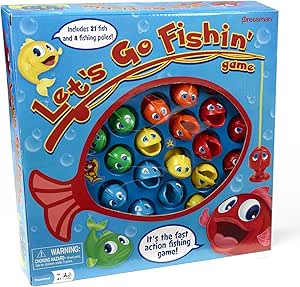 | Best for Preschoolers and Solo Play | Edition: Classic | Players: 1–4 | Recommended age: 4 years and up | VIEW LATEST PRICE | See Our Full Breakdown |
| Hasbro Connect 4 Game, 2025 Edition |  | Best Compact Travel Game | Brand: Hasbro Gaming | Edition: 2025 Edition | Players: 2 | VIEW LATEST PRICE | See Our Full Breakdown |
| Mr. Potato Head Create Your Family Set, 44 Pieces |  | Best for Open-Ended Pretend Play | Brand: Mr. Potato Head | Model: F9408 | Pieces: 44 total: 3 potato bodies and 41 accessories | VIEW LATEST PRICE | See Our Full Breakdown |
| family toy | Players | Included components | Recommended age | Brand |
|---|---|---|---|---|
| Do You Have Any Farting Unicor | 2–6 | — | — | DSS Games |
| Bameca Magnetic Chess Game wit | 2–4 | 20 stones, 1 game rope, 1 storage bag | 4 years and up | — |
| Move2Play Pass the Potato Game | — | 1 potato | — | — |
| Hasbro Gaming Crossfire Game | 2 | Game arena, 2 blasters, 18 metal marbles, 2 targets, and game rules | 7 years and up | — |
| Hasbro Gaming Bop It! Extreme | — | Game unit and instructions | — | Hasbro Gaming |
| Balance Stacking Blocks Game | Multiplayer | 48 bricks, 1 base, 22 draw cards, travel storage bag | 3–14 years | Ziogogco |
| Nex Playground Active Play Sys | Up to 4 | — | 5 and up | — |
| Do You Really Know Your Family | 3–8 | — | 8 years and up | — |
| Hasbro Gaming Trouble Board Ga | 2–4 | Gameboard, plastic game unit with Pop-O-Matic die roller, 16 pegs, instructions | 5 years and up | — |
| Hasbro Gaming Operation Electr | 1 or more | Gameboard with Cavity Sam, tweezers, 26 cards, 12 Funatomy parts, play money, rubber band, instructions | 6 years and up | Hasbro Gaming |
| Sorry! Classic Family Board Ga | 2–4 | Gameboard, 12 Sorry! pawns, 45 cards, and instructions | 6 years and up | Hasbro Gaming |
| TOMY Pop Up Super Mario Family | 2–4 | 1 Mario figure, 1 pipe, 24 paddles, instructions | 4 years and up | TOMY |
| Let’s Go Fishin’ Classic Fishi | 1–4 | 21 colorful fish, 4 plastic fishing poles, instructions, plastic game base | 4 years and up | — |
| Hasbro Connect 4 Game | 2 | Grid and tray, 42 discs (21 red and 21 yellow), and game rules | 6 years and up | Hasbro Gaming |
| Mr. Potato Head Create Your Fa | — | 2 large potato bodies, 1 small potato body, 41 accessories | — | Mr. Potato Head |
More Details on Our Top Picks
Do You Have Any Farting Unicorns? Silly Go Fish Card Game
Familiar Go Fish rules make this an easy pick for families with young children: players ask for cards and collect sets across 13 illustrated categories. The pictures help younger players join without needing to read every prompt, while 5–15-minute rounds fit between other activities or in a travel bag. Compared with Move2Play Pass the Potato, this game is quieter and less dependent on movement or sound; it also works better when the family wants to sit and play together. Its humor is intentionally silly, though, and fart jokes may not suit every household. It also needs at least two players, so it cannot fill the solo-play role offered by Bop It! Extreme. I’d choose it for short, low-prep games rather than a lasting strategy challenge.
Pros:- Go Fish–style play is straightforward for young children and adults to learn together
- Illustrated categories let early readers and non-readers participate
- Short rounds suit quick family breaks and travel
- Compact card format is easier to pack than a larger game setup
Cons:- Fart-themed humor may not fit every family’s preferences
- Requires at least two players and does not offer solo play
- Set-collecting rules provide less strategic depth than a tactical game such as Bameca Magnetic Chess
Best for: Families with children ages four and up who want a portable, easy-to-learn card game for short shared play
Not ideal for: Households that dislike bathroom humor, need a solo activity, or want a game with deeper strategy
- Players:2–6
- Age range:4 years and up
- Playing time:5–15 minutes
- Cards:52 illustrated prompt cards across 13 categories, plus 1 rules card
- Game type:Go Fish–style party card game
- Brand:DSS Games
- Model number:R007774
Our verdict“Choose this card game for brief, laugh-focused play with young children, but skip it if your family wants calmer humor or more strategy.”
Bameca Magnetic Chess Game with Full-Size Stones and Rope
This set brings a compact push-your-luck placement challenge to family game time: players add stones inside a rope, and stones that attract each other are collected; the first to use all their stones wins. Its simple turn structure gives children and adults a shared starting point, while each placement asks players to judge spacing and risk. Compared with the quick reflexes of Hasbro Gaming Crossfire, this is a more deliberate contest that can travel easily in its included bag. That portability comes with a safety caveat: the set contains small magnets, so it is not a suitable choice around children who may mouth small pieces. A rulebook is not included, which may leave families looking for clearer setup guidance. I’d pick it for supervised play and tactical turns, not for households seeking a fully documented, ready-to-explain game.
Pros:- Turn-based placement offers a more thoughtful pace than the reaction-based Crossfire game
- Simple mechanics give children and adults a shared way into tactical play
- Storage bag keeps the stones and rope together for travel
- Supports play with two to four people
Cons:- Contains small magnets that require careful supervision and storage
- No rulebook is included, so players may need to work out the rules from the product description
- The supplied information does not list a specific play time
Best for: Families with children old enough to handle small magnetic pieces safely who enjoy portable, turn-based strategy
Not ideal for: Homes with toddlers or children who may put small pieces in their mouths, or families that need a printed rulebook
- Players:2–4
- Recommended age:4 years and up
- Materials:Plastic and stone
- Included components:20 stones, 1 game rope, 1 storage bag
- Mechanics:Push-your-luck, tactical placement
- Item weight:0.34 kg
- Dimensions:7.48 × 0.59 × 0.1 inches
- Caution:Contains small magnets; rulebook not included
Our verdict“Pick this set for supervised, portable strategy play, but pass if small magnets or missing printed rules are a concern.”
Move2Play Pass the Potato Game
For families whose younger children would rather move than manage cards, Pass the Potato turns a familiar passing game into a timed activity. Its motion sensors respond to tossing, shaking, or tapping, while 30+ phrases and sound effects keep the plush potato lively as it moves around the group. The adjustable volume helps adapt play to indoor rooms or outdoor gatherings, and the machine-washable plush is a practical advantage for a toy passed among children. Compared with Do You Have Any Farting Unicorns?, this is more physical and noisy, but it needs a group ready to keep passing before time runs out. It suits ages three to eight and includes batteries, yet future battery replacement is part of ownership. I’d choose it for energetic shared play, not for quiet downtime or a child who dislikes timed pressure.
Pros:- Motion-responsive play invites children to toss, shake, or tap the potato
- More than 30 phrases and sound effects give the game varied audio cues
- Adjustable volume supports play in different settings
- Machine-washable plush and included batteries make setup and cleanup more practical
Cons:- Timed passing can frustrate children who prefer a slower pace
- Requires three AAA batteries, so replacement batteries will eventually be needed
- Group play depends on having other people ready to pass the potato
Best for: Families with children ages three to eight who enjoy movement, sound effects, and group games at home or outdoors
Not ideal for: Families looking for a quiet, untimed game, or children who find countdown-style play stressful
- Age range:3–8 years
- Included components:1 potato
- Material:Plush
- Power source:3 AAA batteries, included
- Features:Motion-responsive sensors, 30+ phrases and sound effects, adjustable volume, machine washable
- Dimensions:4 × 4 × 7 inches
- Weight:8 ounces
- Model number:FOOD102
Our verdict“Choose Pass the Potato for lively group play with younger children, but opt for the quieter card game if you want relaxed turns.”
Hasbro Gaming Crossfire Game
Crossfire is a focused head-to-head game for families who want a quick indoor contest rather than a group activity. Two players use blasters to send metal marbles toward targets and try to move them into the opponent’s end zone; the first to five points wins. Built-in score trackers remove the need for a separate score sheet, and the arena walls help keep the action within the play area. Compared with Bameca Magnetic Chess, Crossfire favors aiming and fast action over careful, turn-by-turn placement. Its folding handled case also stores the components, making it easier to pack away than a game that needs loose storage. The main limitation is central to its design: only two people play at a time, and active shots need room indoors. I’d choose it for siblings or parent-child matchups, not a full-family game night.
Pros:- Quick setup and short play time suit brief head-to-head matches
- Built-in score trackers make point keeping straightforward
- Arena walls help contain marbles during indoor play
- Folds into a handled case with storage for the components
Cons:- Designed for exactly two players, limiting whole-family participation
- Active play needs clear indoor space around the arena
- Blasters and metal marbles make it less suited to calm, seated play than a card game
Best for: Families with children ages seven and up who want a quick, active two-player contest with contained storage
Not ideal for: Larger families seeking a game everyone can play at once, or homes without clear indoor space for blaster play
- Players:2
- Recommended age:7 years and up
- Play time:Under 10 minutes
- Included components:Game arena, 2 blasters, 18 metal marbles, 2 targets, and game rules
- Win condition:First player to score 5 points
- Storage:Folds into a handled case with built-in component storage
- Model number:G2919
Our verdict“Choose Crossfire for energetic matches between two players, but pick a multiplayer game if everyone needs to join each round.”
Hasbro Gaming Bop It! Extreme Electronic Game for Ages 8+
Bop It! Extreme offers the broadest play formats in this batch: children can play Solo, Pass It, Party, or One-on-One, responding to spoken commands with actions such as bopping, twisting, pulling, spinning, and flicking. Progressively harder challenges give solo players a reason to keep trying, while Pass It and Party modes bring more people into the activity than the two-player-only Crossfire. It is also more portable than an arena game, so it suits family gatherings and travel. The tradeoff is its reliance on quick reactions to spoken commands; players who need more time or prefer deliberate turns may find it frustrating. One-on-One has a practical quirk, too: both players must hold the unit at the same time. I’d choose it for families who like fast, noisy challenges, rather than a relaxed card or strategy game.
Pros:- Four modes support solo play, group passing, party play, and head-to-head challenges
- Combines several physical actions instead of relying on a single button or move
- Progressive difficulty gives solo play a challenge curve
- Portable game unit works for family gatherings and travel
Cons:- Fast spoken commands can be difficult for players who prefer a slower pace
- One-on-One mode requires both players to hold the unit at once
- The supplied components list only the game unit and instructions, with no listed storage case
Best for: Families with children ages eight and up who want one portable game for solo challenges, passing turns, and party play
Not ideal for: Players who dislike fast spoken instructions, need more processing time, or want a calm game with strategic turns
- Age range:8 years and up
- Number of players:1–2
- Game modes:Solo, Pass It, Party, One-on-One
- Actions:Bop, twist, pull, spin, and flick
- Included components:Game unit and instructions
- Brand:Hasbro Gaming
- Model number:F5364
Our verdict“Pick Bop It! Extreme for portable, fast-paced play across solo and group modes, but skip it if your family prefers slower turns.”
Balance Stacking Blocks Game, 48 Pieces
This game suits families looking for a portable, screen-free activity that can bring several players around a table. Its 48 colored bricks, balancing base, and 22 draw cards give the group more structure than a basic stacking set, while the storage bag makes the pieces easier to pack between uses. Compared with Do You Really Know Your Family?, it puts the focus on steady hands and turn-by-turn tension rather than conversation; that makes it a better fit for children who enjoy a physical challenge. The tradeoff is that play needs a flat surface, and the small bricks call for care around younger children. It is also less suited to active play than the motion-controlled Nex Playground, but is simpler to take along without a screen or power connection.
Pros:- Includes 48 bricks, a balancing base, 22 draw cards, and a travel storage bag.
- Four brick colors allow for varied turns and game setups.
- Manual play requires no batteries or screen.
- Designed for multiplayer family, party, and travel use.
Cons:- Needs a flat surface, limiting play in some travel settings.
- Small bricks may be unsuitable for children under the recommended age.
Best for: Families with children in the recommended age range who want a compact, multiplayer tabletop game for trips, parties, or quiet indoor play.
Not ideal for: Households with children under 3 or families seeking a toy that works without a table or other stable surface.
- Brand:Ziogogco
- Recommended age:3–14 years
- Material:ABS plastic
- Pieces:48 stacking bricks
- Colors:Blue, red, green, yellow
- Included components:48 bricks, 1 base, 22 draw cards, travel storage bag
- Players:Multiplayer
- Dimensions:6.69 × 5.51 × 2.75 inches
Our verdict“Choose this for portable, hands-on group play, but skip it if your family needs a no-table activity.”
Nex Playground Active Play System for Kids and Families
Nex Playground is the lineup’s pick for families who want to get players moving together rather than seated around cards or a board. Its built-in motion-tracking camera lets up to four people control games with body movements, so there are no handheld controllers to pass around. The five included games offer an immediate starting set, while the HDMI connection sends play to a TV or projector. Compared with Hasbro Gaming Operation, which rewards careful, small movements at the table, Nex is geared toward bigger gestures and shared indoor activity. That difference is also its main limitation: it needs a screen, a power connection, and room to move. The included catalog is finite, too; access to additional games and monthly releases requires a separate Play Pass subscription.
Pros:- Supports up to four players using body movements instead of controllers.
- Connects to a TV or projector through HDMI.
- Includes five games, with no ads or mature content stated in the product details.
- Compact console can be placed near a screen.
Cons:- Requires a TV or projector, indoor space, and corded power.
- Additional games and monthly new releases require a separate Play Pass subscription.
Best for: Families with children aged 5 and up who have a TV or projector, space for movement, and want a controller-free group activity.
Not ideal for: Families seeking a portable, screen-free toy or those unwilling to pay separately for access to the expanded game catalog.
- Recommended age:5 and up
- Players:Up to 4
- Included games:Fruit Ninja, Starri, Whac-a-Mole, Go Keeper, Party Fowl
- Controller:No controller required
- Connection:HDMI
- Camera:Built-in wide-angle motion-tracking camera
- Memory storage:64 GB
- Power source:Corded electric
- Dimensions:3 × 3 × 3 inches
Our verdict“Pick Nex Playground for energetic group play at home if you have room and accept the subscription limit on its larger catalog.”
Do You Really Know Your Family? Family Card Game
This card game is the strongest choice here for families who want play to spark conversation and shared jokes rather than a race to win. Questions and silly challenges give children, teens, and adults a reason to talk, making it a different kind of group activity from the competitive peg-racing in Hasbro Gaming Trouble. The compact tin also makes it easy to store or bring along, and the rules are described as easy to learn. It needs at least three players, though, so it is a poor fit for a parent and one child playing alone. The listed playing time is only three minutes, which may suit a quick prompt-based round but gives it less depth as a long tabletop session than Trouble or Balance Stacking Blocks Game.
Pros:- Mixes trivia-style questions with conversation prompts.
- Silly challenges add variety beyond answering questions.
- Designed for children, teens, and adults to play together.
- Portable tin container is easy to store and carry.
Cons:- Requires at least three players.
- Listed playing time of three minutes may feel too brief for a full game session.
Best for: Families with at least three players, including children aged 8 and up, who enjoy conversation prompts and lighthearted challenges.
Not ideal for: Two-person households or groups looking for a longer strategy game with a clear board and sustained turns.
- Recommended age:8 years and up
- Players:3–8
- Components:Cards
- Material:Cardstock
- Language:English
- Listed playing time:3 minutes
- Dimensions:2 × 4.7 × 6.7 inches
- Battery required:No
Our verdict“Choose this for a quick, conversation-led family gathering, not for two players or a long game night.”
Hasbro Gaming Trouble Board Game for Kids Ages 5 and Up
Trouble earns its place as a straightforward family competition: players press the Pop-O-Matic bubble to roll the die, then race their pegs around the board. The built-in die roller keeps a loose die from wandering off and gives younger players a simple action to repeat as they learn the game. Compared with Do You Really Know Your Family?, Trouble has a clearer winner and more direct competition; unlike Operation, it does not depend on steady tweezer control. That accessibility comes with a familiar frustration: another player can send a peg back to the beginning, so children who dislike setbacks may not enjoy the race. The optional Power Up spaces add a variation, but the core play remains focused on moving pegs and reacting to other players.
Pros:- Pop-O-Matic bubble rolls the die and helps keep it from getting lost.
- Easy-to-learn movement rules suit mixed-age family play.
- Optional Power Up spaces add a gameplay variation.
- Includes 16 pegs for four players.
Cons:- A peg can be sent back to the beginning when another player lands on its space.
- Limited to two to four players.
Best for: Families with children aged 5 and up who want a familiar, quick-to-learn board game for two to four players.
Not ideal for: Players who dislike luck-driven setbacks or families needing a game for more than four people.
- Recommended age:5 years and up
- Players:2–4
- Edition:Classic Edition
- Included components:Gameboard, plastic game unit with Pop-O-Matic die roller, 16 pegs, instructions
- Gameplay:Race four pegs to the Finish zone
- Optional variation:Power Up spaces
- Model number:A5064
Our verdict“Choose Trouble for accessible, competitive board play with young children, unless setbacks are likely to spoil the fun.”
Hasbro Gaming Operation Electronic Board Game
Operation offers a more hands-on challenge than the peg racing in Hasbro Gaming Trouble: players use tweezers to remove ailment pieces without touching the metal edges. The buzzer and illuminated nose make mistakes immediately visible, turning careful hand control into part of the fun. Since it supports solo or group play, it also works when a full family gathering is not available, unlike Do You Really Know Your Family?, which needs at least three players. The included cards and play money give successful removals a scoring structure, while 12 pieces provide several chances to try. The tradeoffs are a need for two D batteries and a penalty sound when the tweezers touch a cavity edge. Children who find precise movements frustrating may prefer Trouble’s simpler turn-based play.
Pros:- Supports solo play as well as group play.
- Tweezers and cavity pieces make fine-motor coordination part of the challenge.
- Includes 12 ailment pieces and 26 cards.
- Buzzer and nose light provide immediate feedback when a cavity edge is touched.
Cons:- Requires two D batteries.
- Touching the metal cavity edges triggers the buzzer, which may frustrate players who struggle with precise movements.
Best for: Families with children aged 6 and up who enjoy careful hand-control challenges and want a game that can also be played solo.
Not ideal for: Players who prefer relaxed, low-pressure turns or households that do not want to supply two D batteries.
- Brand:Hasbro Gaming
- Recommended age:6 years and up
- Players:1 or more
- Included components:Gameboard with Cavity Sam, tweezers, 26 cards, 12 Funatomy parts, play money, rubber band, instructions
- Skills:Fine motor coordination and strategy
- Batteries:2 D batteries required
- Game objective:Remove ailment pieces without touching metal cavity edges
Our verdict“Choose Operation for a precision-based game that can work solo or with a group, provided battery use and buzzer-triggered mistakes suit your players.”
Sorry! Classic Family Board Game
Sorry! brings big swings and direct interaction to a family game night: card draws guide each move, while slides and sending an opponent back to start can quickly change who is ahead. That unpredictability gives it more drama than Connect 4, where each round is a contained two-player strategy contest. It also suits older children better than the simpler, preschool-friendly Let’s Go Fishin’, since players need to follow card instructions and cope with setbacks.
The tradeoff is that a lucky move can erase progress, which may frustrate players who prefer steady advancement. The listed 120-minute playing time also makes this a less convenient choice for a short play window. I’d choose it for families who enjoy playful rivalry, but skip it when a quick, low-conflict game is the goal.
Pros:- Card-based movement is easy to grasp while still giving players choices.
- Slides and pawn setbacks create lively changes in the race.
- Includes pawns and cards for up to four players.
- Works for family groups seeking more direct competition than Connect 4.
Cons:- Players can lose substantial progress when a pawn is sent back to start.
- The listed playing time of 120 minutes is long for a casual family game.
Best for: Families with children ages 6 and up who enjoy card-driven races, playful rivalry, and games with unpredictable turns.
Not ideal for: Families looking for a short game or players who find it upsetting when an opponent can send their progress back to start.
- Brand:Hasbro Gaming
- Game type:Family board game
- Players:2–4
- Recommended age:6 years and up
- Playing time:120 minutes
- Edition:Standard
- Included components:Gameboard, 12 Sorry! pawns, 45 cards, and instructions
- Language:English
Our verdict“Choose Sorry! for a family that enjoys unpredictable, competitive races and has time for a longer game.”
TOMY Pop Up Super Mario Family Action Game
Fast turns and a surprise payoff make this a good fit when younger family members want to join without learning a long rule set. Players slide paddles into the pipe, and Mario pops out at an unpredictable moment; three modes, including Team Play and Coin Collection, add variety to the central action. Compared with Sorry!, it asks for less patience and less reading, while its age recommendation starts earlier than Connect 4.
The appeal depends on enjoying the suspense of the pop-up mechanic, so it offers less strategic depth than Connect 4’s two-player grid. It is designed for 2–4 players and recommended for ages 4–8, which limits its fit for larger groups or families seeking a game that grows with older children. I’d pick it for quick, playful rounds, not a serious strategy session.
Pros:- Three play modes provide alternatives to the classic pop-up round.
- Simple turn-taking makes it accessible to younger players.
- Includes a Mario figure, pipe, and 24 paddles.
- Team Play offers a more cooperative option than Sorry! or Connect 4.
Cons:- Designed for no more than four players.
- The recommended age range of 4–8 may limit appeal as children get older.
- The pop-up mechanic offers less sustained strategy than Connect 4.
Best for: Families with children ages 4–8 who want a simple, character-led game with short turns and multiple ways to play.
Not ideal for: Larger families or households seeking deeper strategy and a game suited to older children and adults.
- Brand:TOMY
- Game type:Board game
- Players:2–4
- Recommended age:4 years and up
- Play modes:Classic Play, Coin Collection, Team Play
- Material:Plastic
- Included components:1 Mario figure, 1 pipe, 24 paddles, instructions
- Model number:T73538US
Our verdict“Pick this for younger Mario fans who want quick, easy-to-learn rounds rather than extended strategy.”
Let’s Go Fishin’ Classic Fishing Game
Moving fish give little players a clear, hands-on challenge: they use the fishing poles to catch fish as the pond rotates and mouths open and close. Unlike Connect 4, which centers on planning moves against one opponent, this game focuses on timing and hand-eye coordination. It also supports solo play, a useful distinction from the other multiplayer games here, including the TOMY Pop Up Super Mario Family Action Game.
The moving parts make the action easy to understand, but the gameplay is less varied than Sorry!’s card-driven race or Super Mario’s three modes. The game needs one C battery, not included, so it is not ready to play straight from the box unless a household has one on hand. I’d choose it for young children who enjoy a tactile challenge, rather than families seeking deeper choices or changing rules.
Pros:- Rotating pond and moving fish create an active catching challenge.
- Can be played by one person or in a group of up to four.
- Four fishing poles let several family members join at once.
- The visual action is more direct for young children than Sorry!’s card instructions.
Cons:- Requires one C battery, which is not included.
- The repeated fishing mechanic offers less variety than the TOMY Super Mario game’s three modes.
Best for: Families with children ages 4 and up who want a hands-on coordination game that can also be played alone.
Not ideal for: Buyers who want strategic variety or a ready-to-play game without sourcing a C battery.
- Edition:Classic
- Players:1–4
- Recommended age:4 years and up
- Playing time:30 minutes
- Included components:21 colorful fish, 4 plastic fishing poles, instructions, plastic game base
- Battery requirement:1 C battery (not included)
Our verdict“Choose Let’s Go Fishin’ for a young child who enjoys active, hands-on play and may sometimes play alone.”
Hasbro Connect 4 Game, 2025 Edition
Quick rounds and built-in storage make this edition of Connect 4 an easy game to bring along. The grid folds into a handled carrying case, and the discs store inside, reducing the chance of leaving pieces behind between family outings. Its two-player format is a clear contrast with Sorry!, which accommodates up to four and has a longer listed play time; each Connect 4 round takes about five minutes.
The compact setup works best when two people are ready to play, but it does not include a way for a larger family to take turns together as a group. Its familiar goal—connect four discs—supports simple rules while still rewarding players who think ahead. Compared with the active, chance-led Let’s Go Fishin’, this is a quieter head-to-head choice. I’d select it for portable two-player play, not for a full-family group game.
Pros:- Folds into a handled carrying case for easier transport.
- Built-in storage keeps the 42 discs with the game.
- Five-minute rounds fit short breaks better than Sorry!’s listed 120-minute play time.
- Sliding score trackers help players keep count across rounds.
Cons:- Designed for two players only.
- Small discs can be lost if they are not stored inside the game unit.
Best for: Families who need a portable, easy-to-pack strategy game for two players and short play breaks.
Not ideal for: Households that usually play with more than two people or want a game everyone can join at once.
- Brand:Hasbro Gaming
- Edition:2025 Edition
- Players:2
- Recommended age:6 years and up
- Round length:About 5 minutes
- Included components:Grid and tray, 42 discs (21 red and 21 yellow), and game rules
- Storage:Discs store inside the game unit; grid and tray fold into a carrying case with handle
- Score tracking:Built-in sliding score trackers
- Model number:G1500
Our verdict“Choose this Connect 4 edition for short, portable head-to-head matches, but not for larger family groups.”
Mr. Potato Head Create Your Family Set, 44 Pieces
Rearrangeable parts invite children to invent characters, rather than follow a race or compete for a win. With three potato bodies and 41 accessories, children can build a family of their own, change faces, and start again; the large bodies also serve as storage compartments for loose pieces. That makes this a different kind of family toy from Let’s Go Fishin’, which centers on a repeating game challenge, and from Connect 4, which is strictly for two players.
The set is recommended from age 2, giving it an earlier entry point than the board games here, but it offers no structured rounds for families who want everyone following the same rules. Accessories fit most Potato Head toys, though additional compatible toys are sold separately. I’d choose this for imaginative, flexible play; skip it if the priority is a ready-made group game with clear turns and a winner.
Pros:- Three bodies and 41 accessories allow many character combinations.
- Rearrangeable parts support open-ended play rather than one fixed activity.
- Large potato bodies include compartments for storing pieces.
- Accessories work with most Potato Head toys.
Cons:- Additional compatible Potato Head toys for expanded play are sold separately.
- It does not provide the shared rules or turn-taking of games such as Connect 4.
Best for: Families with toddlers and young children who enjoy character-making, pretend play, and toys that can be used in different ways.
Not ideal for: Families looking for a structured game with group rules, competitive rounds, or a defined winner.
- Brand:Mr. Potato Head
- Model:F9408
- Pieces:44 total: 3 potato bodies and 41 accessories
- Included components:2 large potato bodies, 1 small potato body, 41 accessories
- Age range:2 years and up
- Storage:Compartments in the large potato bodies
- Compatibility:Accessories compatible with most Potato Head toys
Our verdict“Choose this set for toddlers who enjoy making up characters, not for families seeking a structured group game.”

How We Picked
I compared the 15 products as shared-play options, focusing on how quickly a family can begin, how clearly turns and rules work across ages, and whether the activity gives different players a reason to stay involved. I also considered the practical fit: tabletop space, physical movement, electronic setup, likely cleanup, and whether the core play can hold up beyond a first round. These factors matter more for a family toy than feature count alone.
The ranking gives the most weight to flexible group appeal and ease of bringing people into the same activity. Do You Really Know Your Family? ranks first because its conversation-led format can suit a range of players without relying on speed or dexterity. Connect 4 and other familiar, quick-start games place well for low-friction play, while specialized picks such as Nex Playground, Bop It! Extreme, and Operation are ranked for households whose needs match their active, fast-paced, or precision-based style. I treat each product’s narrower appeal and setup demands as real tradeoffs, not minor footnotes.
| family toy | Brand |
|---|---|
| Do You Have Any Farting Unicor | DSS Games |
| Bameca Magnetic Chess Game wit | — |
| Move2Play Pass the Potato Game | — |
| Hasbro Gaming Crossfire Game | — |
| Hasbro Gaming Bop It! Extreme | Hasbro Gaming |
| Balance Stacking Blocks Game | Ziogogco |
| Nex Playground Active Play Sys | — |
| Do You Really Know Your Family | — |
| Hasbro Gaming Trouble Board Ga | — |
| Hasbro Gaming Operation Electr | Hasbro Gaming |
| Sorry! Classic Family Board Ga | Hasbro Gaming |
| TOMY Pop Up Super Mario Family | TOMY |
| Let’s Go Fishin’ Classic Fishi | — |
| Hasbro Connect 4 Game | Hasbro Gaming |
| Mr. Potato Head Create Your Fa | Mr. Potato Head |
Factors to Consider When Choosing Best Family Toys
The right choice depends less on a toy’s feature list than on how your family actually gathers and plays. Use these factors to match the format to your group’s ages, available time, space, and appetite for competition.
Match the play style to your group
Start with what people enjoy doing together: talking, competing, moving, building, or laughing at silly surprises. A conversation game can draw in relatives who do not enjoy fast reflex challenges, while a dexterity game may suit a group that likes visible, hands-on tension. A common mistake is choosing the most energetic option because it seems universally fun; quieter players may feel left out. Think about who tends to join in and who usually hangs back. If tastes vary, choose a flexible activity or keep a second, shorter option nearby. The goal is shared participation, not one person entertaining everyone else.
Check age spread and skill demands
Age labels are a starting point, but the gap in reading ability, coordination, and patience can matter just as much. Games built around speed or precise movements may favor older children and adults, while familiar turns and visible actions can help younger players follow along. Avoid assuming that a simple-looking game will hold every age group’s attention equally. A useful test is whether younger players can take meaningful turns without constant coaching and older players still have a reason to stay engaged. For a wide age mix, favor shared prompts, accessible rules, or playful unpredictability over a large skill gap. Adult help can bridge a gap, but it should not become the whole game.
Be realistic about time and setup
Family play often happens in short windows, so think about how long it takes to get started, explain the rules, and pack everything away. A compact card or tabletop game may suit weeknights better than an activity with equipment, a play area, or electronic setup. Look beyond the advertised play format: small pieces, batteries, and sorting can add work after the fun ends. One common buying mistake is focusing on the game itself while ignoring the space and routine needed to use it. If a toy will stay out of reach because setup feels like a project, it is less likely to become a regular family activity. Choose a level of preparation your household will actually tolerate.
Choose the right kind of competition
Some families enjoy direct head-to-head play; others prefer a shared challenge or a game where luck keeps the mood light. Competitive formats can create a satisfying rematch, but they may frustrate younger players when skill differences decide every round. Cooperative or conversation-led play can reduce that pressure, though players who want a clear winner may find it less gripping. Consider how your family reacts to losing before choosing a high-speed or precision-based challenge. If competition is welcome but age abilities vary, games with short rounds can keep a loss from defining the whole evening. The best fit supports the mood you want, rather than assuming every gathering needs a winner.
Pay for the kind of variety you will use
More components, electronic features, or play modes only add value when your family will use them regularly. A premium active-play system may suit a household looking for movement and has room to use it, while a straightforward board or card game can offer better practical value for quick gatherings. Do not mistake a larger feature set for broader family appeal. Ask whether extra modes solve a real need, such as keeping different ages engaged or offering a new activity when the usual one feels stale. Also check ongoing requirements such as batteries, compatible equipment, or a clear play area before choosing. Paying more makes sense when the added format fits your routine, not simply because it offers more features.
Plan for replay and storage
A toy that is fun once but awkward to store may not earn a regular place in family time. Card and board games are often easier to put away, while toys with many pieces or larger play requirements need a home between sessions. Consider whether the game can vary from round to round or depends on the same joke, challenge, or routine each time. A narrow hook can be a benefit if your family loves that style, but it may not be the most adaptable choice for a shared household collection. Keep the storage spot in mind before buying, especially for small pieces that can go missing. A manageable cleanup routine makes spontaneous play more likely.
Frequently Asked Questions
Which type of family toy works best when children and adults have different skill levels?
Look for play that relies on conversation, shared discovery, or simple turns rather than speed and precision. A large skill gap can make reflex-based games feel uneven, especially when younger children lose before they understand what happened. Conversation-led formats can give each player a different way to contribute, though they depend on everyone being comfortable sharing. If your family enjoys competition, choose short rounds so players can reset quickly. The best match is the one where younger players can participate meaningfully without adults having to take over.
Should I choose a tabletop game or an active play system?
Choose based on the space and energy your household can offer on a typical day, not just on a special occasion. Tabletop games tend to be easier to bring out for a short session and fit better in smaller homes. Active systems can add movement and change the feel of family play, but they need a suitable area and more willingness to set up. Consider who will join in: a movement-based option may suit energetic groups, while a card or board game is easier to share across different comfort levels. If you are unsure, prioritize the format your family can use without rearranging its routine.
Are electronic family toys worth choosing over classic games?
They can be a good fit when sound, motion, or interactive features are part of what your family wants from play. Classic games often have a simpler start and fewer ongoing needs, which can make them easier to use spontaneously. Before choosing an electronic toy, check its power requirements, setup, and whether it needs a screen or specific space. Think about how often those extra features will add something the family cannot get from a simpler game. Choose electronics for a play style you want, not just for novelty.
What should I prioritize for a family game that needs to work on weeknights?
Favor quick setup, brief rounds, understandable rules, and cleanup that does not turn into another chore. A game can be excellent for a long gathering yet inconvenient when everyone has only a short window. Check whether players can join without a lengthy explanation and whether the game can pause naturally between turns or rounds. Small tabletop formats often fit weeknights, while larger or more active options may work better when there is time and room. A realistic routine is a better guide than the number of features.
How can I tell whether a toy will hold a mixed-age group’s attention?
Look for more than one route into the activity: younger players might enjoy the physical action, while older players can focus on tactics, humor, or conversation. Rules that are easy to explain help everyone join, but the game also needs enough variation to keep older participants from feeling like helpers only. Check whether the toy depends on reading, quick reactions, or fine motor control, since those can divide a group by age. Short rounds and playful outcomes can soften skill differences. If the activity has a narrow appeal, treat that as a specialty pick rather than the household’s only shared-play option.
Conclusion
For most households, I recommend Do You Really Know Your Family? as the best overall pick because conversation can bring different ages into the same activity without centering the game on speed. Connect 4 is my best value-style choice for families who want quick, direct competition with familiar rules, while Nex Playground is the best premium-style option for those seeking active play and able to make room for it. For beginners or families who want an easy entry point, start with a familiar, straightforward game such as Let’s Go Fishin’ or Trouble, depending on the players’ ages and patience. For specific needs, choose Bop It! Extreme for fast reflex play, Mr. Potato Head Create Your Family Set for creative hands-on play, or a silly card game when humor matters most. Match the toy to your household’s actual play habits, and the best fit will be the one people want to bring out again.