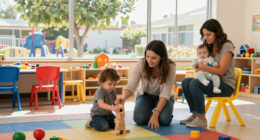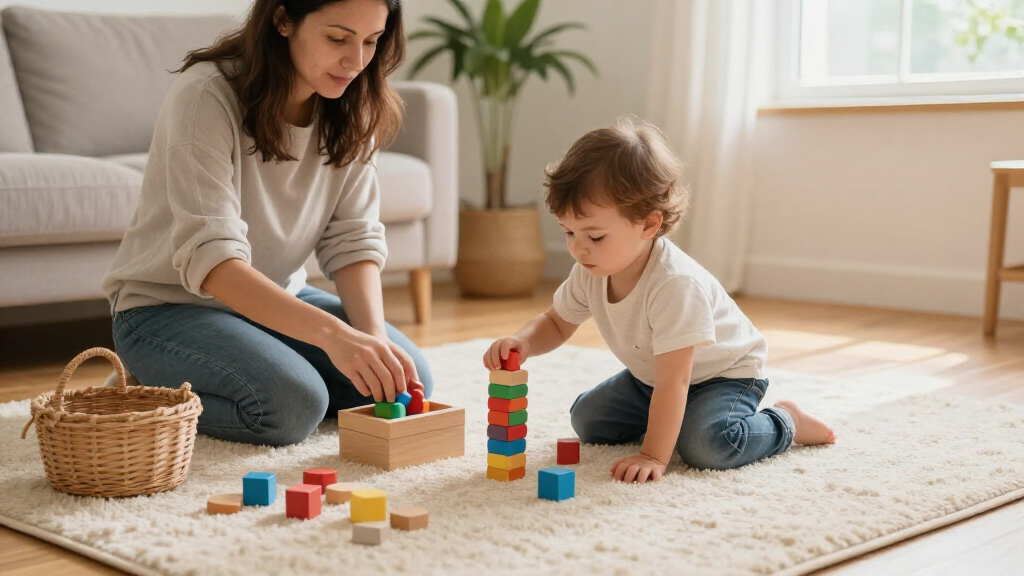

The best learning toys for toddlers do two jobs at once: they hold a two-year-old’s attention long enough for the tenth repeat of the same activity, and they quietly build real skills — letters, counting, fine motor control, early vocabulary. After comparing 15 popular options, my top pick overall is the Skrtuan Counting Animals Color Sorting Matching Game, because it combines the widest range of toddler skills in one toy: color recognition, counting, sorting, and pincer-grip practice. Close behind are the Learning Resources Spike the Fine Motor Hedgehog, a masterclass in simple fine motor design, and the LeapFrog Learning Friends 100 Words Book, which squeezes surprising vocabulary depth into a toddler-friendly format. The main tradeoff in this category is electronic versus hands-on: battery-powered toys talk back and feel engaging, while wooden and Montessori-style toys grow with your child and survive being thrown across the room. Another tension is open-ended play versus single-skill drills — the best picks manage both. Keep reading for the full breakdown, including which toys are worth the money and which ones miss the mark.

Turn the school run and nap time into listening time
- Thousands of audiobooks, podcasts and originals
- Listen on your phone, tablet or Echo — also offline
- Cancel anytime
Complete the kit


Key Takeaways
- Hands-on sorting and stacking toys (Skrtuan, Spike the Hedgehog, Wooden Montessori Sorting Puzzle) outranked flashier electronic options because they build fine motor skills alongside academic ones — a two-for-one electronic toys rarely deliver.
- The three alphabet-focused picks split sharply by use case: Zeoddler puzzles suit hands-on learners, the Magnetic Fishing Game adds a fine motor twist, and Airbition Talking Flash Cards work best for parents who want independent play.
- Montessori-branded toys varied widely in quality — the Learning Farm Train and MUONE Busy Book earned their spots, but simpler farm animal sets felt overpriced for what they teach.
- Books appeared three times in different forms (board books, Touch and Teach Sea Turtle, 100 Words Book), and the electronic versions only won when a toddler would realistically use them alone.
- Sub-$20 picks like the Play Smart Wipe-Clean Workbook and NASHRIO puzzle 3-pack covered specific skills so well that paying more only makes sense for versatility, not quality.
| My First Library: Boxset of 10 Board Books for Kids |  | Best Starter Literacy Set | Format: Boxset | Quantity: 10 Books | Type: Board Books | VIEW LATEST PRICE | See Our Full Breakdown |
| Zeoddler Wooden Alphabet Puzzles for Toddlers |  | Best for Letter Recognition | Brand: Zeoddler | Material: Natural wood | Included Components: 26 uppercase alphabet letters | VIEW LATEST PRICE | See Our Full Breakdown |
| Skrtuan Counting Animals Color Sorting Matching Game with Sorting Bowls |  | Best for Early Math Skills | Brand: Skrtuan | Material: Rubber | Age Range: 3–5 years | VIEW LATEST PRICE | See Our Full Breakdown |
| Wooden Montessori Sorting and Stacking Puzzle for Toddlers |  | Best for Youngest Toddlers | Material: Wood | Piece Count: 20 | Colors: Red, orange, yellow, green, and blue | VIEW LATEST PRICE | See Our Full Breakdown |
| Wooden Magnetic Fishing Game with Alphabet and Numbers |  | Best for Active Learners | Brand: NASHRIO | Material: Wood | Age Range: 3 years and up | VIEW LATEST PRICE | See Our Full Breakdown |
| Learning Resources Spike the Original Fine Motor Hedgehog |  | Best Fine Motor Pick | Brand: Learning Resources | Age Range: 18 months and up | Components: 12 chunky quills | VIEW LATEST PRICE | See Our Full Breakdown |
| VTech Touch and Teach Sea Turtle Interactive Learning Book |  | Best Electronic Learning Book | Brand: VTech | Age Range: 12-36 months | Modes: Explore, Letter, Music | VIEW LATEST PRICE | See Our Full Breakdown |
| Montessori Learning Farm Train with 9 Farm Animals and Numbered Barns |  | Best for Imaginative Play | Target Age: 1-3 years | Components: 9 farm animals, 9 numbered barns, 3 wagon carriages, 1 locomotive, farmer figure | Educational Focus: Counting, matching, sorting, color recognition | VIEW LATEST PRICE | See Our Full Breakdown |
| MUONE Montessori Color Sorting Busy Book for Toddlers |  | Best Quiet-Time Activity | Brand: MUONE | Recommended Age: 36 months – 6 years | Colors: 12 | VIEW LATEST PRICE | See Our Full Breakdown |
| 20-Piece Farm Animals Montessori Learning Toys for Toddlers |  | Best Value Skill Builder | Piece Count: 20 | Contents: 10 vinyl farm animals, 10 plastic barns | Material: Vinyl (animals), plastic (barns) | VIEW LATEST PRICE | See Our Full Breakdown |
| NASHRIO Wooden Alphabet, Number, and Shape Puzzles for Kids Ages 3–5, 3-Pack |  | Best Classic Wooden Learning Set | Brand: NASHRIO | Age Range: 3–5 years | Set Size: 3 puzzle boards | VIEW LATEST PRICE | See Our Full Breakdown |
| Airbition Talking Flash Cards for Toddlers, 224 English Words, Blue |  | Best Vocabulary Builder | Brand: Airbition | Words: 224 English words | Age Range: 1+ years | VIEW LATEST PRICE | See Our Full Breakdown |
| LeapFrog Learning Friends 100 Words Book |  | Best Bilingual Pick | Word Count: More than 100 | Languages: English and Spanish | Recommended Age: 18 months and up | VIEW LATEST PRICE | See Our Full Breakdown |
| Play Smart Wipe-Clean Workbook: Ages 2-4 |  | Best Value Pick | Target Age: 2–4 years | Format: Wipe-clean workbook | Topics: Tracing, letters, numbers, shapes | VIEW LATEST PRICE | See Our Full Breakdown |
| LeapFrog 2-in-1 LeapTop Touch |  | Best Tech-Inspired Pick | Age Range: 2–5 years | Learning Modes: ABCs, numbers, games, music, and messages | Keyboard: Letters A–Z and numbers 1–10 | VIEW LATEST PRICE | See Our Full Breakdown |
| learning toys for toddler | Brand | Age Range |
|---|---|---|
| My First Library: Boxset of 10 | — | — |
| Zeoddler Wooden Alphabet Puzzl | Zeoddler | 36 months to 8 years |
| Skrtuan Counting Animals Color | Skrtuan | 3–5 years |
| Wooden Montessori Sorting and | — | — |
| Wooden Magnetic Fishing Game w | NASHRIO | 3 years and up |
| Learning Resources Spike the O | Learning Resources | 18 months and up |
| VTech Touch and Teach Sea Turt | VTech | 12-36 months |
| Montessori Learning Farm Train | — | — |
| MUONE Montessori Color Sorting | MUONE | — |
| 20-Piece Farm Animals Montesso | — | — |
| NASHRIO Wooden Alphabet | NASHRIO | 3–5 years |
| Airbition Talking Flash Cards | Airbition | 1+ years |
| LeapFrog Learning Friends 100 | — | — |
| Play Smart Wipe-Clean Workbook | — | — |
| LeapFrog 2-in-1 LeapTop Touch | — | 2–5 years |
More Details on Our Top Picks
My First Library: Boxset of 10 Board Books for Kids
Most learning toys in this roundup teach one skill at a time, but early literacy is a different beast — it needs repetition, variety, and cuddle-friendly formats. This ten-book board boxset delivers that breadth in one purchase, which single-skill options like the Zeoddler alphabet puzzle can’t match. Where the puzzle drills letter shapes, this set builds the reading habit itself: page-turning, listening, and connecting words to pictures.
The tradeoff is durability of interest rather than construction. Board books survive chewing and throwing, but unlike the Skrtuan counting animals or the magnetic fishing game, there’s no interactive or motor-skill layer — a parent or older sibling has to do the reading. Topic details are thin too, so you’re buying a general starter library rather than a themed one.
Pros:- Durable board format survives toddler handling and teething
- Ten titles cover more ground than any single toy in this roundup
- Builds early literacy habits and vocabulary through read-aloud time
Cons:- Requires adult involvement — no independent play value
- Specific book topics aren’t detailed, making theme planning difficult
Best for: Parents building a first home library for a 1–3 year old who want screen-free, lap-time learning
Not ideal for: Caregivers seeking independent-play toys — books this age range require an adult reading aloud
- Format:Boxset
- Quantity:10 Books
- Type:Board Books
- Target Audience:Kids / Toddlers
- Skill Focus:Early literacy, vocabulary
- Play Mode:Adult-led read-aloud
Our verdict“This boxset makes sense for families who prioritize daily reading routines over solo-play toys, and who want maximum literacy content per dollar.”
Zeoddler Wooden Alphabet Puzzles for Toddlers
Where the My First Library boxset introduces letters passively through pictures, this wooden alphabet puzzle makes a child physically grasp each of the 26 uppercase letters — and that tactile repetition is why it earns a dedicated spot. Compared with the NASHRIO magnetic fishing game, which mixes letters, numbers, and colors into one activity, the Zeoddler does one job thoroughly: letter shape, orientation, and slot matching.
The natural wood build and smooth edges put it a step above plastic alternatives like the Skrtuan sorting animals for families avoiding synthetic materials. The catch is scope and storage. There’s no included bag or case, so loose letters tend to scatter, and the uppercase-only design means lowercase recognition — arguably more useful for reading — needs a separate tool.
Pros:- All 26 uppercase letters in one durable wooden set
- Smooth, child-safe edges suitable for preschool hands
- Doubles as fine motor and hand-eye coordination practice
- Natural wood construction avoids plastic-heavy designs
Cons:- No storage bag or carrying case included
- Uppercase-only limits reading-readiness value
- Piece dimensions unspecified, making fit for very small hands uncertain
Best for: Preschool families focused specifically on mastering uppercase letter recognition before kindergarten
Not ideal for: Parents who want a self-storing or travel-friendly toy — 26 loose letters with no case means frequent cleanup hunts
- Brand:Zeoddler
- Material:Natural wood
- Included Components:26 uppercase alphabet letters
- Age Range:36 months to 8 years
- Color:Classic
- Shape:Rectangular
- Model Number:111WA
Our verdict“This pick makes the most sense for families zeroed in on alphabet mastery who don’t mind organizing loose pieces themselves.”
Skrtuan Counting Animals Color Sorting Matching Game with Sorting Bowls
If the Zeoddler puzzle is the letter-recognition specialist, this set is its numbers-and-logic counterpart. With 36 rubber animals, six color-matched bowls, and two tweezers, it layers counting, sorting, and color matching into a single Montessori-style workflow — more math depth than the wooden stacking puzzle for younger toddlers, which stops at shape and color identification.
The tweezers are the quiet differentiator: they turn sorting into genuine pincer-grip training, something the My First Library books can’t offer. The rubber pieces are soft and washable, but they do attract lint, and the small animal size means this is firmly a supervised toy for the younger end of the 3–5 range. Compared with the fishing game, cleanup is more involved — dozens of pieces across multiple containers.
Pros:- Three-in-one skill building: counting, color sorting, and fine motor via tweezers
- Soft, washable rubber survives heavy toddler use
- 36 animals and 6 bowls support varied, repeatable activities
- Grows in difficulty as counting skills develop
Cons:- Small parts demand active supervision around younger children
- Rubber material collects dust and lint between cleanings
- Many loose pieces make cleanup and containment a chore
Best for: Parents of 3–5 year olds who want a math-first toy that grows from simple color sorting into counting and addition prep
Not ideal for: Households with children under 3 or crawling siblings — the small rubber animals are a choking hazard without close supervision
- Brand:Skrtuan
- Material:Rubber
- Age Range:3–5 years
- Included Components:36 Animals, 6 Sorting Bowls, 2 Tweezers
- Unit Count:36 animals
- Skill Focus:Counting, color recognition, fine motor
- Manufacturer Part Number:2188-91
Our verdict“This set suits families ready to move beyond letters into real early-math play, provided an adult is nearby for supervision.”
Wooden Montessori Sorting and Stacking Puzzle for Toddlers
Most options here target ages 3 and up, which leaves the 1–3 year crowd underserved — this sorting and stacking puzzle fills that gap. Its 20 chunky pieces in five colors and five geometric shapes are scaled for early graspers, unlike the Skrtuan animals and tweezers, which demand a preschooler’s dexterity. Where the Zeoddler puzzle teaches letters, this one teaches the foundations that come first: shape, color, and stacking.
The water-based paint and smooth edges fit the safety expectations parents of one-year-olds rightly hold. The honest tradeoff is ceiling — a child who has already mastered shapes will outgrow it quickly, and with no reviews or detailed durability info available, longevity is an open question next to established wooden options.
Pros:- One of the few options in this lineup appropriate for 12-month-olds
- Five shapes and five colors give plenty of sorting variety at a simple level
- Smooth edges and water-based paint suit mouthing-age toddlers
- Open-ended stacking supports imaginative play
Cons:- Low difficulty ceiling — quickly outgrown by ages 3+
- No durability track record or review history to verify long-term wear
Best for: Parents of 1–3 year olds who want a first sorting toy that builds shape and color vocabulary before letter learning begins
Not ideal for: Families with preschoolers — kids who already know their shapes and colors will exhaust this set’s challenge within weeks
- Material:Wood
- Piece Count:20
- Colors:Red, orange, yellow, green, and blue
- Shapes:Pentagon, square, rectangle, triangle, and circle
- Recommended Age:1–3 years
- Paint:Water-based
- Skill Focus:Shape and color recognition, stacking
Our verdict“This puzzle is the right first learning toy for the under-3 set, but budget for a replacement once shapes and colors are mastered.”
Wooden Magnetic Fishing Game with Alphabet and Numbers
Some toddlers simply won’t sit for a puzzle or a book, and this magnetic fishing game is the answer for them. The pole-and-catch mechanic disguises letter and number practice as play — a engagement trick none of the static options here can match, not even the Skrtuan sorting set. Compared with the Zeoddler alphabet puzzle, it covers letters, numbers, and colors in one activity, though with less depth on any single skill.
The polished wood and non-toxic dye hit the same safety marks as the stacking puzzle for younger kids, but the age recommendation is 3 and up for good reason: the magnetic pieces and pole need oversight around younger siblings. And like most catch-based games, the novelty can fade once the fishing motion is mastered, leaving the academic content underused.
Pros:- Physical fishing mechanic motivates kids who avoid quiet seatwork
- Combines letter, number, and color practice in one set
- Polished wood with smooth edges and water-based, non-toxic dye
- Strengthens hand-eye coordination through targeted catching
Cons:- Novelty-driven design — appeal can drop once the fishing motion is mastered
- Older preschoolers may find the academic content too easy
- Magnetic pole and small pieces require adult supervision
Best for: High-energy 3–5 year olds who resist seated learning activities but will chase, catch, and repeat willingly
Not ideal for: Families with babies or young toddlers in the house — magnetic pieces and the pole warrant strict supervision and separation
- Brand:NASHRIO
- Material:Wood
- Age Range:3 years and up
- Set Name:Alphabet & Number Fishing Game Set
- Model Number:SC-T004A1
- Finish:Water-based, non-toxic dye
- Skill Focus:Letters, numbers, colors, hand-eye coordination
Our verdict“This game earns its place for movers and shakers who learn best on their feet, as long as supervision is part of the routine.”
Learning Resources Spike the Original Fine Motor Hedgehog
Spike the Fine Motor Hedgehog stands out as the purest fine-motor trainer in this lineup. While the Montessori Learning Farm Train spreads its focus across counting, sorting, and role-play, Spike keeps one job and does it well: building the pincer grasp toddlers need before holding a crayon or spoon. The 12 chunky quills fit into numbered holes, so color matching and early counting come along for free, but the real payoff is the repeated push-and-pull motion. Cleanup is genuinely solved here — the hedgehog’s body doubles as storage, something the MUONE busy book can’t match with its loose stickers. Compared with the Skrtuan Counting Animals game, Spike is simpler, which is a strength at 18 months and a weakness by age 4, when most kids outgrow it.
Pros:- Genuinely effective at developing the pincer grasp and hand strength
- Self-storing design keeps all quills in one place for travel
- Doubles as a color-sorting and early counting activity
- Chunky pieces are easy for small hands to grip
Cons:- Limited replay value once sorting is mastered
- Loose quills require supervision around very young toddlers
Best for: Parents of 18-month-olds to 2-year-olds who want a focused pre-writing skill builder with zero cleanup friction
Not ideal for: Families hoping for a toy that stays engaging past age 3 — the twelve-quirill format runs out of challenge quickly
- Brand:Learning Resources
- Age Range:18 months and up
- Components:12 chunky quills
- Educational Focus:Fine motor skills, color sorting, counting, sequencing
- Storage:Built-in quill storage inside hedgehog body
- ASIN:B078WM314M
Our verdict“If early fine-motor development is your top priority, Spike is the most focused tool in this roundup — just expect a one-to-two-year usable window.”
VTech Touch and Teach Sea Turtle Interactive Learning Book
The Sea Turtle learning book takes a different approach than everything else here: instead of physical pieces to sort, it delivers 225+ songs, sounds, and phrases through touch-responsive pages. Where the LeapFrog Learning Friends 100 Words Book focuses on vocabulary, this VTech model casts a wider net with Explore, Letter, and Music modes covering letters, numbers, colors, and piano notes. That breadth makes it a strong fit for the 12-to-36-month window, when kids are absorbing everything but can’t yet handle the small barns in the 20-Piece Farm Animals set. The tradeoff is lifespan — it’s outgrown right around age 3, while the MUONE busy book stays useful to age 6. Also plan on fresh AAs early; the included batteries are demo-only.
Pros:- Three learning modes cover letters, numbers, colors, and music
- Huge library of 225+ songs, sounds, and phrases prevents early boredom
- Portable take-along shape suits travel and car rides
- Works with a simple touch, so very young toddlers can play solo
Cons:- Demo batteries require quick replacement for regular use
- Short usable lifespan compared with physical toys in this roundup
Best for: Parents of 1-year-olds who want independent, screen-free electronic play for car seats and strollers
Not ideal for: Buyers wanting years of use — the content tops out around age 3, and it needs battery replacements to keep running
- Brand:VTech
- Age Range:12-36 months
- Modes:Explore, Letter, Music
- Content Count:225+ songs, melodies, sounds, and phrases
- Battery Requirements:2 AA batteries (demo batteries included)
- ASIN:B085CLNDCG
Our verdict“The strongest choice for the youngest toddlers in this guide, provided you accept it will be retired by the preschool years.”
Montessori Learning Farm Train with 9 Farm Animals and Numbered Barns
This farm train set is the pick when you want learning wrapped in story-driven play. Unlike Spike’s single-purpose design, the train, three wagons, farmer figure, and nine hand-puppet animals let toddlers build narratives while still practicing counting and matching against the numbered barns. That puppet feature is the real differentiator — it turns matching drills into pretend-play scenarios, which the 20-Piece Farm Animals set also attempts but on a simpler scale. The detachable barn roofs add a peek-a-boo element that keeps younger toddlers coming back. Two caveats: the plastic construction won’t match the longevity of the Wooden Montessori Sorting and Stacking Puzzle, and the many small pieces mean supervision and a containment strategy are musts.
Pros:- Combines counting, sorting, and color learning in one set
- Hand-puppet animals and farmer figure encourage imaginative role-play
- Detachable barn roofs add interactive discovery for young toddlers
- Train format supports shared parent-child play
Cons:- Many small pieces require active supervision and are easy to scatter
- Plastic construction is less durable than wooden options in this roundup
Best for: Parents who want a counting toy that doubles as a pretend-play stage for train and farm-animal stories
Not ideal for: Households that prioritize natural materials and durability — the plastic build won’t age like wooden Montessori alternatives
- Target Age:1-3 years
- Components:9 farm animals, 9 numbered barns, 3 wagon carriages, 1 locomotive, farmer figure
- Educational Focus:Counting, matching, sorting, color recognition
- Interactive Features:Detachable barn roofs, hand-puppet animals
- Theme:Farm and train
- ASIN:B0CYT85XT6
Our verdict“The best choice here for toddlers who learn through stories rather than drills, if you can live with plastic and scattered barns.”
MUONE Montessori Color Sorting Busy Book for Toddlers
The MUONE busy book fills a niche none of the toy-based picks cover: calm, seated, screen-free quiet time. Matching 12 colors across 48+ cartoon stickers with hook-and-loop fasteners builds vocabulary and hand-eye coordination without any noise or batteries — a welcome contrast to the VTech Sea Turtle book’s constant sound. The tear-resistant cardboard and rounded edges are built for repeated page-flipping, and the hook-and-loop action quietly strengthens the same fine-motor skills Spike targets. Note the age gap: it’s rated for 36 months to 6 years, making it the longest-lasting item in this batch, but younger toddlers will need the matching pieces managed for them, and those stickers wander off easily without a storage plan.
Pros:- Teaches 12 colors plus vocabulary through picture and word matching
- Hook-and-loop fasteners build fine motor skills and hand-eye coordination
- Tear-resistant cardboard with rounded edges survives heavy use
- Meets ASTM F963 safety standards and suits shared parent-child play
Cons:- Loose stickers are easy to lose without dedicated storage
- Actual age recommendation starts at 36 months despite toddler marketing
Best for: Parents of preschoolers who need a travel-friendly, quiet activity for restaurants, waiting rooms, and rest time
Not ideal for: Parents of 2-year-olds drawn in by the toddler label — the official age rating starts at 36 months and the small pieces suit older kids
- Brand:MUONE
- Recommended Age:36 months – 6 years
- Colors:12
- Stickers:More than 48
- Materials:Thick, tear-resistant cardboard with rounded edges
- Fastener Type:Hook-and-loop
- Safety Certification:Non-toxic; meets ASTM F963
Our verdict“The quiet-time champion of this roundup — best bought for threes and up who can manage the pieces themselves.”
20-Piece Farm Animals Montessori Learning Toys for Toddlers
This 20-piece set delivers the core Montessori learning loop — sort, count, match — with impressive economy of design. Each of the 10 barns pairs a number with corresponding dots, so counting is self-checking: a toddler can verify the match by counting the dots themselves. The vinyl animals double as finger puppets, adding a fine-motor and pretend-play layer the Skrtuan Counting Animals game offers only through tongs and bowls. Compared with the Montessori Learning Farm Train, you lose the locomotive and role-play stage but gain a simpler, cheaper-feeling system that starts at 12 months. The catches: vinyl attracts dust and needs regular wiping, and if your child isn’t into farm animals, the whole theme falls flat.
Pros:- Number-and-dot barns make counting self-reinforcing
- Animals work as both sorting pieces and finger puppets
- Safe, odorless, and durable materials for the 12-36 month range
- Compact 20-piece set is easy to store and transport
Cons:- Vinyl animals attract dust and need frequent cleaning
- Single farm theme limits appeal for some children
Best for: Budget-conscious parents of 1-to-3-year-olds who want counting and matching practice without paying for extras
Not ideal for: Tidy households that hate dusting small toys, or kids who prefer vehicles, trains, or non-farm themes
- Piece Count:20
- Contents:10 vinyl farm animals, 10 plastic barns
- Material:Vinyl (animals), plastic (barns)
- Target Age:12-36 months
- Educational Focus:Counting, color matching, fine motor skills
- ASIN:B0B46BN89X
Our verdict“A straightforward, effective counting-and-matching set that earns its spot on simplicity and price rather than flash.”
NASHRIO Wooden Alphabet, Number, and Shape Puzzles for Kids Ages 3–5, 3-Pack
Among the several wooden puzzles in this roundup, this three-board set stands out for breadth — it covers alphabet, number, and shape matching in one purchase, where the Zeoddler Wooden Alphabet Puzzles stay focused on letters alone. The self-correcting design means pieces only fit in the right spot, so a toddler gets instant feedback without a parent hovering — a genuine advantage over open-ended toys like the Wooden Montessori Sorting and Stacking Puzzle, which leaves correction entirely to the adult. Compared with the battery-powered options here, it never needs charging and has no volume to manage. The tradeoff is that it’s a quieter, less flashy experience; kids drawn to lights and sound may drift toward the LeapFrog 2-in-1 LeapTop Touch instead.
Pros:- Three skills covered in one set — alphabet, numbers, and shapes
- Self-correcting pieces let toddlers play independently
- Smooth, rounded wooden pieces finished with non-toxic dyes
- No batteries or charging required, ever
Cons:- Loose pieces are easy to scatter and lose over time
- No audio or interactive feedback to hold the attention of very active toddlers
Best for: Parents who want a durable, screen-free foundational toy that covers letters, numbers, and shapes in a single purchase
Not ideal for: Families with children under 3 who still mouth small pieces, or kids who lose interest without sounds and interactive feedback
- Brand:NASHRIO
- Age Range:3–5 years
- Set Size:3 puzzle boards
- Materials:Wood with non-toxic dyes
- Themes:Alphabet, numbers, shapes
- Shape:Rectangular
- Model Number:T003
Our verdict“This set makes the most sense for families who want a timeless, battery-free learning toy that quietly covers three foundational skills at once.”
Airbition Talking Flash Cards for Toddlers, 224 English Words, Blue
If your goal is sheer word exposure, nothing else in this lineup matches the 224 words this reader delivers — the LeapFrog Learning Friends 100 Words Book covers less than half that number. The real animal sounds are the hook: they keep a one-year-old engaged long after a quiet book would lose them. It’s also a strong pick for parents avoiding screens, since the audio comes from a card reader rather than a display. The tradeoff is logistics — battery life caps out at four hours per charge, so it will need regular recharging with heavy use, and there’s no stated charge time, which makes planning around it slightly awkward. Compared with tactile options like the Skrtuan Counting Animals game, it also does nothing for fine motor skills.
Pros:- 224 illustrated words across multiple everyday categories — the deepest vocabulary in this roundup
- Real animal sounds keep very young toddlers engaged
- Repeat button helps reinforce difficult words
- Five volume levels plus auto-off to protect battery
Cons:- Around four hours of use per charge means frequent recharging
- No hands-on manipulation, so it does not build fine motor skills
Best for: Parents of early talkers (12 months and up) who want maximum vocabulary exposure without screen time
Not ideal for: Households that want a fine-motor or hands-on component, or anyone who dislikes recharging devices every few sessions
- Brand:Airbition
- Words:224 English words
- Age Range:1+ years
- Battery Life:Up to 4 hours per charge
- Volume Control:5 levels
- Features:Repeat button, real animal sounds, auto-off
- Included Components:Flash cards, USB cable
- Model:KPJ01
Our verdict“This is the pick when vocabulary volume is the priority and you’re comfortable managing a rechargeable device.”
LeapFrog Learning Friends 100 Words Book
What separates this book from everything else in this guide is the English and Spanish audio — no other option here offers a second language, which matters a great deal for bilingual households or families hoping to introduce one early. Unlike the Airbition Talking Flash Cards, which is word-by-word and card-driven, this is a book format with touch interaction, sound effects, and fun facts that build context around each word, making it easier to share during lap time. The pages are sturdier than loose flash cards and harder to lose around the house. The catch: it runs on AA batteries, and the included ones are demo-only, so plan on a fresh set almost immediately. Word count also trails the Airbition by more than half.
Pros:- Bilingual English and Spanish audio, unique in this roundup
- Touch-based fun facts and sound effects add context beyond single words
- Songs and instructions extend engagement past simple labeling
- Bound book format keeps everything together, unlike loose flash cards
Cons:- Included batteries are demo-only, so a fresh set of AAs is needed right away
- Word count is much smaller than competing card-reader sets
Best for: Bilingual families, or any household wanting to introduce Spanish alongside English from 18 months onward
Not ideal for: Parents who want maximum vocabulary per dollar — the Airbition cards cover more than twice the words
- Word Count:More than 100
- Languages:English and Spanish
- Recommended Age:18 months and up
- Batteries:2 AA batteries; included for demo purposes only
- Dimensions:9.4 in wide × 9.2 in high × 1.9 in deep
Our verdict“Choose this if a second language is part of your toddler’s learning plan and you prefer a shared book experience over solo card play.”
Play Smart Wipe-Clean Workbook: Ages 2-4
This workbook plays a completely different role from the toys here: it’s the only option that teaches pre-writing skills like tracing, which no puzzle or talking toy addresses. Where the NASHRIO puzzle set builds recognition through matching, this builds the pencil control that comes before actual writing — a step the Wooden Magnetic Fishing Game and others skip entirely. Its standout feature is reusable wipe-clean pages, so one book survives dozens of rounds of practice, making it the most budget-friendly learning tool in this roundup. The tradeoffs are real, though: it needs a separate dry-erase marker that isn’t included, and the 2–4 age window is narrow — a child who masters it quickly outgrows it, unlike the longer-lived LeapFrog products.
Pros:- Wipe-clean pages allow unlimited repeated practice without buying replacements
- The only option in this roundup that develops tracing and pre-writing skills
- Covers letters, numbers, and shapes in one compact, travel-friendly format
- No batteries or charging of any kind
Cons:- Dry-erase marker is not included, so there’s a hidden added purchase
- Narrow 2–4 age range means a short useful lifespan
- Requires adult guidance, unlike the self-directed toys here
Best for: Parents who want structured, repeatable pre-writing practice — tracing, letters, numbers, and shapes — at minimal cost
Not ideal for: Families seeking independent play; this requires an adult or older sibling to guide each session, and kids outside the 2–4 range will outgrow it fast
- Target Age:2–4 years
- Format:Wipe-clean workbook
- Topics:Tracing, letters, numbers, shapes
- Requires:Separate dry-erase marker (not included)
- Reusability:Unlimited — pages wipe clean
Our verdict“This is the smart low-cost choice for parents focused on school-readiness skills like pencil grip and tracing, provided they’re willing to sit and practice alongside their child.”
LeapFrog 2-in-1 LeapTop Touch
For toddlers who imitate everything a parent does on a laptop, this is the standout — it flips between keyboard and tablet modes, mimicking both adult devices while staying fully self-directed. Compared with the LeapFrog Learning Friends 100 Words Book, it trades deep vocabulary for five varied learning modes: ABCs, numbers, games, music, and messages, which keeps it interesting across a longer stretch of the toddler years (2–5). The parent-customizable spelling feature is a genuine differentiator — programming a child’s name makes the toy feel personal in a way no other product here manages. The tradeoffs: it needs three AA batteries with demo-only cells included, and the multiple modes mean more audio complexity than a focused tool like the NASHRIO puzzles, which some parents will find noisier.
Pros:- Two form factors in one toy — keyboard mode and touch tablet mode
- Five learning modes provide long-lasting variety across the 2–5 age span
- Parents can customize it to spell the child’s own name
- Role-play activities like messages and music encourage imaginative play
Cons:- Requires 3 AA batteries, and included cells are demo-only
- Audio-heavy design can be noisy in shared living spaces
- Jack-of-all-trades approach means less depth in any single skill
Best for: Tech-curious toddlers ages 2–5 who want a ‘laptop like Mom’s or Dad’s’ with variety across letters, numbers, and games
Not ideal for: Parents avoiding battery-powered, sound-heavy toys, or those wanting a single focused skill like counting or vocabulary depth
- Age Range:2–5 years
- Learning Modes:ABCs, numbers, games, music, and messages
- Keyboard:Letters A–Z and numbers 1–10
- Power:3 AA batteries
- Batteries Included:Demo batteries; new batteries recommended for regular use
- Design:2-in-1 convertible laptop to tablet
Our verdict“This makes the most sense for families who want one versatile, device-style toy that grows with a toddler from ages 2 to 5 — as long as battery noise isn’t a dealbreaker.”
How We Picked
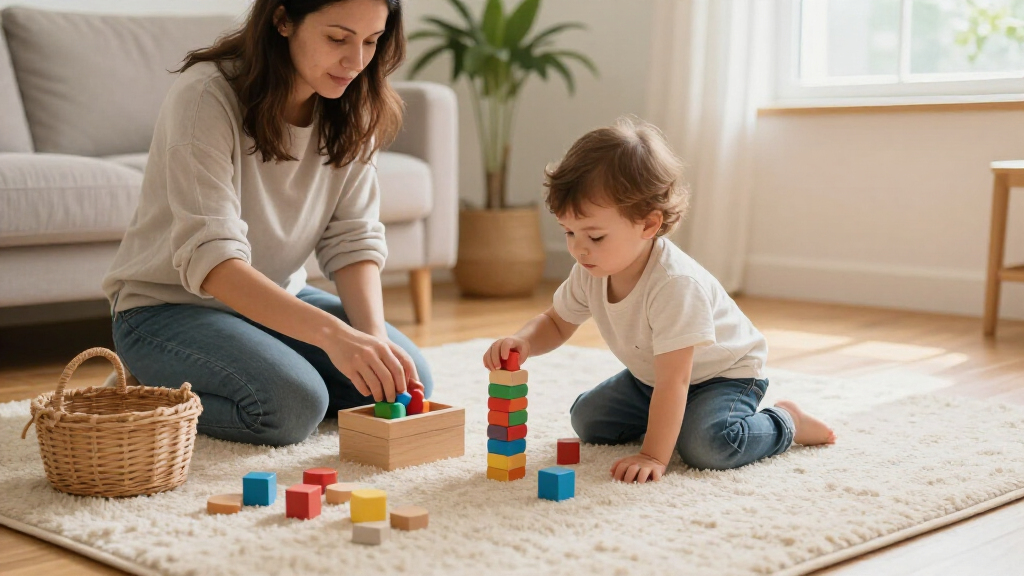
I evaluated every toy through one filter: what a toddler actually learns during repeated play, not what the packaging promises. That meant judging each product on skill coverage (literacy, numeracy, fine motor, vocabulary, or problem-solving), age-appropriateness against manufacturer claims, durability under realistic toddler abuse, and how long the toy stays interesting as a child grows from roughly 18 months to 4 years. Toys that teach one skill brilliantly ranked differently than toys that teach several skills adequately — the lineup rewards both, but for different buyer types.
The ranking also weighs play independence: whether a toddler can use the toy alone or whether it requires a parent sitting alongside. Electronic options like the LeapFrog 2-in-1 LeapTop and Airbition Talking Flash Cards scored well here, which is why they appear despite lacking the tactile depth of wooden alternatives. Finally, I penalized products with small loose pieces prone to loss, thin materials that warp or tear quickly, and any toy whose learning claims outran what a toddler could realistically do with it.
Factors to Consider When Choosing Learning Toys For Toddlers
Before choosing a specific toy, it helps to understand what separates a genuinely educational product from one that just markets itself that way. These are the factors that shaped my rankings and the ones I would weigh most heavily as a parent or gift-giver.
Match the Toy to Your Toddler’s Developmental Window
The single most common mistake is buying for the age on the box rather than the child in front of you. A toy labeled 18 months may bore a verbal two-and-a-half-year-old, while a 3+ toy with small pegs can frustrate a younger sibling. Look at what your toddler can already do — stack three blocks, match two colors, name a few animals — and choose a toy one small step beyond that. The wooden puzzles in this roundup stretch well because a younger child simply uses them for shape matching while an older one uses them for letter sounds. Overbuying developmentally leads to shelf toys; underbuying leads to tantrums.
Electronic Versus Hands-On: The Core Tradeoff
Battery-operated toys give instant feedback, hold attention without adult involvement, and often include volume controls — but they tend to teach recognition rather than reasoning. A toddler hears that a picture is named “dog” a hundred times; that is vocabulary building, and it works. Wooden and fabric-based toys demand more from the child: problem-solving, persistence, and hand strength. My honest take is that a balanced toy rotation includes both types. The mistake to avoid is filling the shelf entirely with talking toys, because toddlers habituate to the feedback and the toy goes silent in their esteem within weeks. Alternating formats keeps each one feeling fresh.
Loose Pieces: Convenience Versus Learning Value
Many of the strongest learning toys in this category — sorting games, counting animals, alphabet puzzles — come with dozens of small components. That is not a design flaw; picking up and manipulating individual pieces is precisely where fine motor learning happens. But it is a household reality: pieces end up under the couch, in sibling mouths, or mixed into other toy bins. Check whether the set includes storage, whether pieces are large enough to spot easily on carpet, and whether the toy still functions with a few pieces missing. Puzzle sets that work per-piece (like flash cards or sorting bowls) degrade gracefully; letter puzzles missing two letters lose much of their value.
Durability Predicts Longevity of Learning
Board books, wooden puzzles, and thick laminated pages survive being chewed, stepped on, and dragged by one corner. Cardboard flash cards and thin cardboard busy book pieces do not. Since repetition is how toddlers actually learn, a toy that breaks in month two has already failed its educational mission regardless of how good the content was. I would pay more for solid wood construction and wipe-clean surfaces every time in this category, because the realistic alternative is rebuying the same product. Also check hinge points on books with moving parts and the battery compartment security on electronic toys — both are common failure spots.
One Skill Deeply or Many Skills Lightly
Single-skill toys like the Spike the Hedgehog (fine motor) or the 100 Words Book (vocabulary) do one thing exceptionally well and often do it better than multi-skill alternatives. Multi-skill toys like the counting animals set or the farm train cover more ground but rarely reach the same depth on any one skill. Neither approach is wrong; it depends on what your toddler needs next. If you already own plenty of books, buy motor skills. If your child has strong hands but no letter exposure, buy literacy. Gift-givers should default to multi-skill options since they cannot know the child’s exact gaps.
Beware of Inflated Educational Claims
Words like “Montessori,” “STEM,” and “brain development” appear on nearly every box in this category and carry almost no standardized meaning. Some of the genuine Montessori-inspired picks here earn the label through self-directed, hands-on design; others borrow the word for marketing. The better test is mechanical: can the child correct their own mistakes without an adult, does the toy have one clear purpose, and does it require real manipulation rather than passive watching? Applying that test will save you from a surprising number of attractive-looking products that teach less than their packaging suggests.
Frequently Asked Questions
Are electronic learning toys bad for toddlers compared to wooden ones?
Not inherently, but they teach differently, and knowing the difference helps you choose. Electronic toys like the LeapTop Touch or the Touch and Teach Sea Turtle excel at vocabulary, cause-and-effect learning, and independent play — a toddler can sit with them while you cook dinner, which has real value. Wooden and tactile toys build fine motor strength, spatial reasoning, and persistence, skills a speaker cannot deliver. The risk with electronics is passive absorption: a child taps randomly to hear sounds rather than working through a problem. The strongest setup is a rotation where electronic toys cover vocabulary and letters while hands-on toys cover motor skills and problem-solving, rather than leaning entirely on either format.
Which toy from this list is best for a toddler who destroys everything?
The My First Library board boxset and the wooden puzzle options are the most abuse-resistant picks here, because thick board pages and solid wood pieces survive chewing, throwing, and sibling tug-of-war. The Learning Resources Spike the Hedgehog is close behind since its chunky plastic quills are nearly indestructible and there are no paper components at all. I would avoid the MUONE Busy Book and the Play Smart Wipe-Clean Workbook for destructive toddlers, since both rely on cardboard or cardstock pieces that bend and tear quickly. One practical note: durability also protects the learning value, because a toddler who repeats the same toy for months learns far more than one cycling through replacements.
What is the best learning toy if I want my toddler to play independently?
The Airbition Talking Flash Cards and the LeapFrog electronic options are the strongest independent-play picks, because they provide feedback without an adult present — your child inserts a card or taps a picture and hears a response. Among non-electronic options, the Magnetic Fishing Game works well for solo play since the rod-and-catch loop is naturally self-sustaining. Sorting games hold independent attention too, though younger toddlers may bring you pieces to name, which is a feature rather than a flaw. Expect realistic limits: most toddlers under three sustain independent play for ten to fifteen minutes regardless of the toy, so a “solo play” pick buys you a window, not an afternoon.
Should I buy one versatile learning toy or several cheap single-skill ones?
If budget forces a choice, one multi-skill toy usually beats several flimsy single-skill ones, because the multi-skill option stays interesting longer and construction quality tends to be higher at that price point. The counting animals set is a good example: it covers colors, counting, sorting, and fine motor in one purchase that would take three separate toys to replicate. The exception is when single-skill options are genuinely excellent and cheap — the NASHRIO puzzle 3-pack and the Play Smart workbook cover letters, numbers, shapes, and pre-writing skills for less than one premium toy, with no real quality sacrifice. If your toddler is under two, lean versatile since their interests shift monthly; older toddlers with a clear interest (letters, animals, numbers) benefit more from depth.
At what age should I introduce alphabet toys versus counting toys?
Roughly simultaneously around 18 months to 2 years, but through exposure rather than instruction — and the two skill sets develop on different timelines. Letter recognition typically clicks between ages two and three, while one-to-one counting (actually touching one object per number) tends to solidify slightly later, around three to four. Before that, alphabet toys like the Zeoddler puzzles function as shape and picture toys, and counting toys like the farm train function as color and animal toys, so there is no harm in early introduction. The mistake to avoid is pushing a toddler to recite letters or count to ten before they show interest; recognition comes from hundreds of casual exposures, not drilling. If you notice your child naturally gravitating toward one type, follow that preference rather than balancing the two.
Conclusion
For best overall, the Skrtuan Counting Animals Color Sorting Game covers the widest spread of toddler skills at a mid-range price, which is why it leads the list. The best value picks are the NASHRIO puzzle 3-pack and the Play Smart Wipe-Clean Workbook — both deliver focused skill-building for very little money and make excellent supplements or gifts. For best premium, the Montessori Learning Farm Train offers the most polished build and the most layered play in the lineup, justifying its higher cost for families who want one heirloom-quality toy.
For beginners — a first learning toy for a child around 12 to 18 months — I would start with the My First Library board boxset or Spike the Hedgehog, because both require zero setup, zero batteries, and zero explanation. For specific needs: choose the Airbition Talking Flash Cards or LeapFrog 100 Words Book for vocabulary and independent play, the Magnetic Fishing Game for fine motor development with an alphabet bonus, and the MUONE Busy Book for travel and restaurant distraction. Whatever you choose, match the toy to the skill your toddler is on the edge of mastering — that is what separates a toy that gets played with for a year from one that gets played with for a week.
Halloween Picks
halloween
As an affiliate, we earn on qualifying purchases.