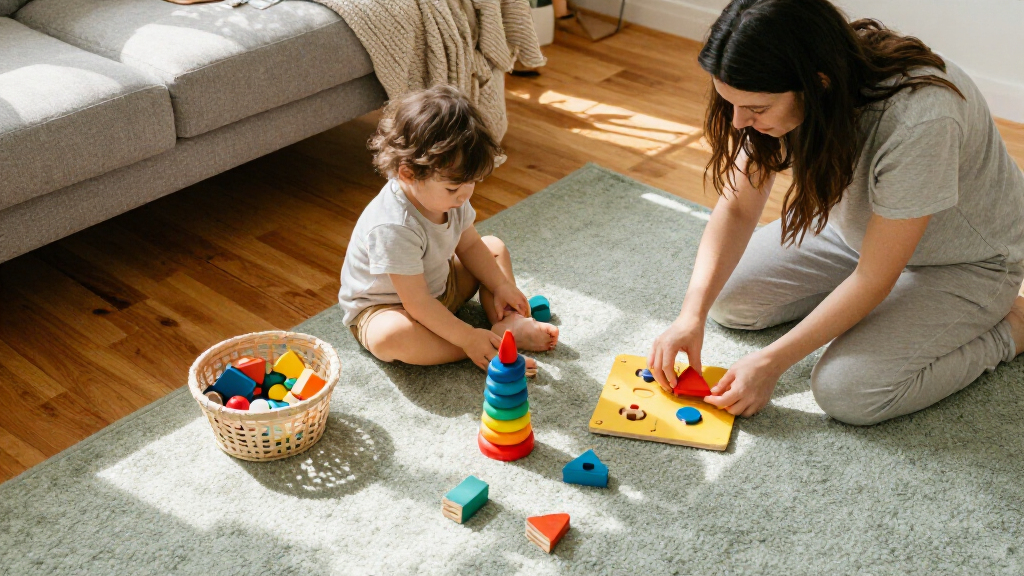

For Black Friday toddler learning toys, my best overall pick is the LeapFrog Learning Friends 100 Words Book: it puts early vocabulary in a book format that invites shared reading, without asking families to choose between a toy and a screen. The Melissa & Doug Ms. Rachel Wooden Learning Blocks and Activity Cards stand out for hands-on play, while the VTech Write and Learn Creative Center is a stronger fit for toddlers ready to practice early writing. The main tradeoff is between screen-free, reusable play and electronic features that can offer sounds, songs, or guided activities but need batteries and may hold a child’s interest for a different stretch of time. Age fit, adult involvement, storage, and the kind of skills a child enjoys matter more than the holiday label. Read on for the full comparison and buying advice before choosing.

Turn the school run and nap time into listening time
- Thousands of audiobooks, podcasts and originals
- Listen on your phone, tablet or Echo — also offline
- Cancel anytime
Complete the kit


Key Takeaways
- The 100 Words Book leads for shared vocabulary play: compared with the electronic tablets, it presents learning through a book format and is a better match for families who want an interactive toy without a tablet-like design.
- Wooden toys offer a hands-on alternative to sound and light features: the Ms. Rachel blocks and sorting puzzles center play on handling, matching, and building, while electronic picks add audio cues and guided activities.
- Several options target distinct early skills rather than broad learning: the Write and Learn Creative Center and Mr. Pencil’s Scribble, Write and Read focus on early writing, while the 100 Words Book and talking flash cards lean toward vocabulary.
- Portable formats and larger activity centers serve different homes: busy books and compact toys are easier to bring along, while the Little CEO Learning Desk offers a dedicated play setup that needs more space.
- Language count alone does not determine the best fit: the multilingual tablets may appeal to families seeking language exposure, but parents should weigh how the toy presents that content against a child’s age, attention, and interest in sound-based play.
| LeapFrog My First ABC Tablet Toddler Learning Toy |  | Best for First Letters | Recommended age: 12 months–3 years | Brand: LeapFrog | Learning focus: Early phonics, language, letter recognition, listening comprehension, motor skills, and pre-reading | VIEW LATEST PRICE | See Our Full Breakdown |
| Melissa & Doug Ms. Rachel Wooden Learning Blocks and Activity Cards |  | Best for Hands-On Language Play | Brand: Melissa & Doug | Recommended age: 18 months–3 years | Blocks: 30 total: 26 letter, number, and picture blocks plus 4 activity blocks | VIEW LATEST PRICE | See Our Full Breakdown |
| Tonberless Wooden Montessori Sorting and Stacking Puzzle for Toddlers |  | Best for Shape and Color Sorting | Brand: Tonberless | Recommended age: 12 months–8 years | Material: Wood | VIEW LATEST PRICE | See Our Full Breakdown |
| hahaland 5-Language Learning Tablet Toy for Toddlers |  | Best for Multilingual Exploration | Brand: hahaland | Age range: 12 months–3 years | Languages: English, French, Spanish, German, and Italian | VIEW LATEST PRICE | See Our Full Breakdown |
| LeapFrog Learning Friends 100 Words Book |  | Best for Bilingual Vocabulary | Brand: LeapFrog | Age range: 18 months–4 years | Words: More than 100 | VIEW LATEST PRICE | See Our Full Breakdown |
| Yetonamr Wooden Montessori Sorting and Stacking Puzzle, 20 Pieces |  | Best for Hands-On Sorting | Brand: Yetonamr | Material: Wood | Pieces: 20 | VIEW LATEST PRICE | See Our Full Breakdown |
| MUONE Montessori Color Sorting Busy Book for Toddlers |  | Best for Color Vocabulary | Brand: MUONE | Age range: 36 months–6 years | Colors: 12 | VIEW LATEST PRICE | See Our Full Breakdown |
| NASHRIO Wooden Alphabet, Number, and Shape Puzzles for Kids Ages 3–5, 3-Pack |  | Best for Preschool Readiness | Brand: NASHRIO | Age range: 3–5 years | Set size: 3 puzzle boards | VIEW LATEST PRICE | See Our Full Breakdown |
| VTech Write and Learn Creative Center |  | Best for Early Writing Practice | Brand: VTech | Age range: 3–6 years | Writing activities: Uppercase and lowercase letters; personalized name practice | VIEW LATEST PRICE | See Our Full Breakdown |
| Montessori Farm Number Train Sorting Toy with 9 Farm Animals |  | Best for Pretend-Play Learning | Brand: Play-Act | Model number: 51053 | Included components: Farm train, barns, farm animals | VIEW LATEST PRICE | See Our Full Breakdown |
| LeapFrog 2-in-1 LeapTop Touch Educational Toy |  | Best for Pretend Tech Play | Brand: LeapFrog | Model: 80-600900 | Age range: 2–5 years | VIEW LATEST PRICE | See Our Full Breakdown |
| VTech Little CEO Learning Desk Toddler Activity Center |  | Best for Early Pretend Play | Brand: VTech | Age range: 9–36 months | Material: Plastic | VIEW LATEST PRICE | See Our Full Breakdown |
| Screen-Free Toddler Learning Tablet Toy with Music, Lights, and 5 Languages |  | Best for Multilingual Exposure | Brand: Yeeammk | Model: 35236M | Age range: 12 months to 3 years | VIEW LATEST PRICE | See Our Full Breakdown |
| LeapFrog Mr. Pencil’s Scribble, Write and Read |  | Best for Pre-Writing Practice | Brand: LeapFrog | Age range: 3+ years | Material: Plastic | VIEW LATEST PRICE | See Our Full Breakdown |
| Airbition Talking Flash Cards for Toddlers, 224 Words, Blue |  | Best for Building Vocabulary | Word count: 224 | Age range: 1–5 years | Language and accent: Standard American English | VIEW LATEST PRICE | See Our Full Breakdown |
| black friday toddler learning toy | Brand | Age range |
|---|---|---|
| LeapFrog My First ABC Tablet T | LeapFrog | — |
| Melissa & Doug Ms. Rachel Wood | Melissa & Doug | — |
| Tonberless Wooden Montessori S | Tonberless | — |
| hahaland 5-Language Learning T | hahaland | 12 months–3 years |
| LeapFrog Learning Friends 100 | LeapFrog | 18 months–4 years |
| Yetonamr Wooden Montessori Sor | Yetonamr | 12 months–8 years |
| MUONE Montessori Color Sorting | MUONE | 36 months–6 years |
| NASHRIO Wooden Alphabet | NASHRIO | 3–5 years |
| VTech Write and Learn Creative | VTech | 3–6 years |
| Montessori Farm Number Train S | Play-Act | — |
| LeapFrog 2-in-1 LeapTop Touch | LeapFrog | 2–5 years |
| VTech Little CEO Learning Desk | VTech | 9–36 months |
| Screen-Free Toddler Learning T | Yeeammk | 12 months to 3 years |
| LeapFrog Mr. Pencil’s Scribble | LeapFrog | 3+ years |
| Airbition Talking Flash Cards | — | 1–5 years |
More Details on Our Top Picks
LeapFrog My First ABC Tablet Toddler Learning Toy
For a toddler just starting to notice letters and sounds, this compact tablet offers a more guided introduction than the open-ended play of the Melissa & Doug Ms. Rachel Wooden Learning Blocks and Activity Cards. Backlit buttons, the ABC song, and Scout and Violet’s spoken prompts turn tapping into practice with letters, words, colors, and listening. Stories set in places such as a farm and beach add variety without requiring a caregiver to invent an activity. That structure suits short, independent play sessions, though it offers less hands-on building than the wooden blocks. The plastic body and reliance on three AAA batteries are tradeoffs, and the included batteries are for demonstration, so regular use calls for replacements. I’d choose it for an early language focus, not for tactile sorting or a screen-free, battery-free toy.
Pros:- Introduces letters, words, colors, and early phonics in one toy
- Backlit buttons and character prompts give toddlers clear responses to their actions
- ABC song and short stories add listening practice beyond button naming
Cons:- Needs three AAA batteries for regular use; included batteries are for demonstration
- Plastic construction offers less tactile, open-ended play than the wooden blocks in this roundup
Best for: Caregivers of 12-month- to 3-year-olds who want guided letter, sound, and listening activities in a compact toy
Not ideal for: Families prioritizing wooden, hands-on play or a toy that works without regular battery replacement
- Recommended age:12 months–3 years
- Brand:LeapFrog
- Learning focus:Early phonics, language, letter recognition, listening comprehension, motor skills, and pre-reading
- Power:3 AAA batteries
- Battery inclusion:Included for demonstration; new batteries recommended for regular use
- Dimensions:8.3 × 6.3 × 1.1 inches
- Weight:11.84 ounces
- Included components:My First ABC Tablet and Quick Start Guide
Our verdict“Choose this LeapFrog tablet for guided early letter and sound play, but pick the Melissa & Doug blocks if hands-on building matters more.”
Melissa & Doug Ms. Rachel Wooden Learning Blocks and Activity Cards
This set is the hands-on counterpoint to electronic picks such as the LeapFrog My First ABC Tablet: children handle blocks, look for matches, count, and talk through activities rather than follow spoken button prompts. The 30 wooden blocks cover letters, numbers, and pictures, while 14 double-sided cards give caregivers simple ways to direct play or encourage turn-taking. That mix makes the set useful for shared floor or table activities, and the cardboard box gives pieces a home between sessions. The tradeoff is that learning depends more on an adult or a child’s willingness to explore than on built-in audio guidance. Its listed age range ends at 3 years, so it may have a shorter useful window than the LeapFrog Learning Friends 100 Words Book, which is listed through age 4. I’d favor this set for conversation and fine-motor practice, not self-guided sound lessons.
Pros:- Pairs 30 blocks with 14 double-sided cards for varied play prompts
- Supports letter, number, color, matching, counting, and early social-skill practice
- Wooden pieces encourage grasping and fine-motor activity
- Cardboard storage box supports cleanup and portability
Cons:- Offers no built-in spoken prompts or sound effects, so play may need adult direction
- Listed age range is limited to 18 months through 3 years
- FSC certification applies to new inventory only
Best for: Caregivers seeking a shared, screen-free activity for toddlers who enjoy handling blocks, matching pictures, and practicing early words
Not ideal for: Families wanting independent audio instruction or a toy with a listed age range beyond 3 years
- Brand:Melissa & Doug
- Recommended age:18 months–3 years
- Blocks:30 total: 26 letter, number, and picture blocks plus 4 activity blocks
- Block size:1.5 inches
- Activity cards:14 double-sided cards
- Materials:Wooden blocks and cardboard storage box
- Certification:FSC certified; applies to new inventory
- Model:50357
Our verdict“Pick this set for shared, tactile learning and easy cleanup; choose the LeapFrog ABC Tablet for more independent, audio-guided practice.”
Tonberless Wooden Montessori Sorting and Stacking Puzzle for Toddlers
When a toddler is more interested in fitting, stacking, and grouping objects than hearing words, this wooden puzzle gives practice the LeapFrog Learning Friends 100 Words Book does not: direct manipulation of shapes and colors. Its 20 pieces span five colors and five geometric shapes, providing simple ways to sort, stack, and name what a child sees. Smooth edges and water-based paint are described in the product information, while the straightforward set leaves room for imaginative play rather than prescribing a sequence. Compared with the card-and-block activities from Melissa & Doug, this pick is more narrowly focused on visual matching and stacking, with no activity cards or stated storage accessory. The listing also gives no exact piece dimensions, which makes it harder to judge fit for a particular toddler. I’d choose it for basic sorting practice, not for language-rich or highly structured lessons.
Pros:- Combines five colors with five geometric shapes for simple sorting games
- Wooden pieces support grasping, stacking, and hands-on exploration
- Smooth edges and water-based paint are described in the product information
- Open-ended pieces can support imaginative play as well as matching
Cons:- Exact piece dimensions are not provided, making size harder to evaluate before buying
- No storage or carrying accessory is specified
- Covers shape and color play more narrowly than the Melissa & Doug blocks and cards
Best for: Families of toddlers who learn through grasping, stacking, and sorting colors and basic geometric shapes
Not ideal for: Buyers who need exact piece dimensions, included storage, or guided language activities
- Brand:Tonberless
- Recommended age:12 months–8 years
- Material:Wood
- Piece count:20
- Colors:Red, orange, yellow, green, and blue
- Shapes:Pentagon, square, rectangle, triangle, and circle
- Included components:Wooden shape toys
Our verdict“Choose this puzzle for straightforward wooden sorting and stacking, but opt for Melissa & Doug if you want cards and broader learning prompts.”
hahaland 5-Language Learning Tablet Toy for Toddlers
Among the electronic toys here, this hahaland tablet is the broadest fit for families who want to hear words in more than one language. It offers 90+ activities across topics such as animals, vehicles, shapes, letters, and numbers, plus English, French, Spanish, German, and Italian audio. Learning, quiz, music, and pretend-play modes let caregivers shift the kind of interaction without changing toys. By comparison, the LeapFrog Learning Friends 100 Words Book is more focused on picture-based vocabulary and offers English and Spanish; hahaland trades that clearer word-book format for a wider set of topics and languages. Its 39 icons and spoken prompts still call for a child to operate the tablet, and the listed age range ends at 3 years. The plastic, screen-free design keeps it distinct from a video device, but it remains a battery-powered-style electronic play experience rather than tactile block play.
Pros:- Includes spoken words and sounds in five languages
- More than 90 activities span several early-learning topics
- Four modes offer different styles of interaction
- Compact, lightweight ABS plastic design is described as BPA-free
Cons:- Listed age range is limited to 12 months through 3 years
- Children need to operate the tablet to access its activities
- Less tactile than the wooden sorting puzzle or Melissa & Doug block set
Best for: Families with toddlers ages 12 months to 3 years who want screen-free spoken activities across several languages
Not ideal for: Buyers seeking tactile puzzles, a format for older preschoolers, or a toy that does not require hands-on button interaction
- Brand:hahaland
- Age range:12 months–3 years
- Languages:English, French, Spanish, German, and Italian
- Learning modules:90+
- Interactive icons:39
- Modes:Learning, quiz, music, and pretend play
- Material:Non-toxic, BPA-free ABS plastic
- Number of players:1
- Model:35847
Our verdict“Choose hahaland for broad multilingual audio play, while the LeapFrog 100 Words Book is a simpler fit for English-Spanish picture vocabulary.”
LeapFrog Learning Friends 100 Words Book
This interactive book makes vocabulary its main job: Turtle, Tiger, and Monkey introduce more than 100 words across subjects including animals, food, colors, and activities. Touching pictures prompts words, facts, and sound effects, so toddlers connect a spoken label with an image instead of moving through a broad set of tablet modes. English and Spanish audio give it a clear bilingual role; the hahaland 5-Language Learning Tablet covers more languages and topics, but its activities are spread across more play modes. The book is listed for ages 18 months to 4 years, a longer age window than several other picks here. On the other hand, it is a single-player electronic toy, and the included AA batteries are for demonstration, with new batteries recommended for regular use. I’d choose it for repeated picture-word practice, not for shared building or multilingual variety beyond Spanish.
Pros:- Introduces more than 100 words across multiple toddler-friendly topics
- Touch-activated pictures connect words, facts, and sound effects
- Offers English and Spanish words, songs, and instructions
- Listed age range extends through 4 years
Cons:- Requires two AA batteries for regular use; included batteries are for demonstration
- Designed for one player
- Covers two languages, fewer than the five offered by the hahaland tablet
Best for: Caregivers of children ages 18 months to 4 years who want picture-led English and Spanish vocabulary practice
Not ideal for: Families seeking group play, tactile construction, or spoken vocabulary in more than English and Spanish
- Brand:LeapFrog
- Age range:18 months–4 years
- Words:More than 100
- Languages:English and Spanish
- Batteries:2 AA batteries required; included for demonstration
- Dimensions:9.4 × 9.2 × 1.9 inches
- Weight:1.5 lb
- Warranty:90 days against manufacturer defects
Our verdict“Pick this book for focused English-Spanish picture vocabulary through age 4, but choose hahaland for a wider range of languages and activity types.”
Yetonamr Wooden Montessori Sorting and Stacking Puzzle, 20 Pieces
For a screen-free toy that lets toddlers practice sorting and stacking in the same activity, I’d put this 20-piece wooden puzzle ahead of the MUONE busy book. Five colors and four geometric shapes give caregivers several simple ways to guide play, from naming colors to counting pieces or grouping matching shapes. Its chunky pieces and sturdy pegs are intended to make grasping and placement manageable for small hands, while repeated attempts build coordination and persistence. The tradeoff is that balancing pieces on pegs can frustrate a child who is still developing control; unlike the NASHRIO boards, there’s no stated self-correcting board design to guide a match. I’d also want the dimensions before choosing it for a particularly small play area.
Pros:- Twenty chunky pieces offer multiple rounds of sorting and stacking play.
- Five colors and four shapes support color, shape, and counting practice.
- Wooden pieces and sturdy pegs invite hands-on manipulation.
- Food-safe, non-toxic paint is described as odorless and fade-resistant.
Cons:- Placing pieces on pegs requires balance and careful hand control.
- Product dimensions are not provided, making storage and play-space fit harder to judge.
Best for: Caregivers seeking a reusable, screen-free sorting toy for a toddler who enjoys handling and grouping chunky pieces.
Not ideal for: Families looking for a guided matching puzzle or a toy with specified dimensions; balancing pieces on pegs may also be challenging for children still building fine-motor control.
- Brand:Yetonamr
- Material:Wood
- Pieces:20
- Colors:5
- Geometric shapes:4
- Age range:12 months–8 years
- Paint:Food-safe, non-toxic, odorless, and fade-resistant
- Model:gh-wst-5tz-20
Our verdict“Choose this for open-ended color and shape sorting with wooden pieces, but pick the NASHRIO boards for a more guided matching activity.”
MUONE Montessori Color Sorting Busy Book for Toddlers
I’d choose the MUONE busy book when the learning goal is naming and matching a wider range of colors, rather than practicing several kinds of manipulation. Its 12 colors and more than 48 illustrated stickers give an adult plenty of prompts for conversation, and the hook-and-loop matches let a child place and remove pieces without balancing them on pegs as with the Yetonamr puzzle. Thick, tear-resistant cardboard and rounded corners suit shared tabletop sessions, though the small matching pieces call for adult supervision. Compared with the VTech Write and Learn Creative Center, this is a quieter, more focused choice: it builds color vocabulary rather than letter-writing and drawing skills. That narrow focus is useful for preschoolers learning color names, but may offer less variety as matching becomes familiar.
Pros:- Twelve colors provide a focused way to practice color names and matching.
- More than 48 illustrated stickers create repeated fine-motor placement practice.
- Thick, tear-resistant cardboard is designed for enthusiastic use.
- Rounded corners and smooth edges support comfortable handling.
Cons:- Color matching is a narrower activity than the VTech center’s writing and drawing options.
- Small matching pieces require adult supervision.
Best for: Adults looking for a portable-feeling shared activity to practice color names and matching with preschoolers aged three and up.
Not ideal for: Families seeking varied number, shape, or writing activities, or children who still put small pieces in their mouths and need closely supervised play.
- Brand:MUONE
- Age range:36 months–6 years
- Colors:12
- Matching pieces:Over 48 illustrated stickers
- Materials:Thick, tear-resistant cardboard
- Fastener:Hook-and-loop
- Safety:Non-toxic; meets ASTM F963
- Set quantity:1
Our verdict“Pick this for supervised color and vocabulary practice, but choose a broader activity toy if your child is ready to move beyond matching.”
NASHRIO Wooden Alphabet, Number, and Shape Puzzles for Kids Ages 3–5, 3-Pack
Among these five, the NASHRIO set offers the clearest route from toddler play toward preschool concepts: three separate boards cover letters, numbers, and shapes. The self-correcting peg design gives children a way to check whether a piece belongs in a space, making independent attempts more approachable than the open-ended stacking on the Yetonamr puzzle. Wooden pieces and a compact tabletop format also keep the activity straightforward, without batteries or audio. The tradeoff is a more structured experience: children match pieces to their board rather than inventing as many ways to play as they might with the farm train. Its stated age range begins at three, so I wouldn’t choose it as the main learning toy for a younger toddler. The boards also need a flat indoor surface.
Pros:- Three boards cover letters, numbers, and shapes in one set.
- Self-correcting matching supports independent attempts.
- Wooden pieces have smooth, rounded, splinter-free edges.
- Compact boards are suited to tabletop play.
Cons:- The structured board format offers less open-ended play than the farm train.
- Indoor tabletop use limits where children can play.
- The listed age range starts at three, so it is not aimed at younger toddlers.
Best for: Families with a preschooler aged three to five who want one tabletop set for basic letter, number, and shape matching.
Not ideal for: Buyers shopping for children under three, active pretend play, or a toy suited to outdoor use.
- Brand:NASHRIO
- Age range:3–5 years
- Set size:3 puzzle boards
- Materials:Wood with non-toxic dyes
- Puzzle type:Knob and peg
- Dimensions:11.7 x 11.7 x 0.4 inches
- Recommended age:36 months–5 years
- Use:Indoor, tabletop
Our verdict“Choose this set for a preschooler ready to practice several matching skills at a table, not for younger toddlers or imaginative train play.”
VTech Write and Learn Creative Center
For a child beginning to form letters, I’d rank the VTech center above the MUONE color book because it teaches a more specific preschool skill: letter stroke order. Animated demonstrations guide uppercase and lowercase writing, and personalized name practice gives children a familiar reason to repeat the motions. Stencils, stamps, and drawing activities also broaden the play beyond handwriting, progressing from lines and shapes to objects. That makes it a more directed learning station than the Yetonamr wooden sorter, but also a less tactile, less open-ended choice. It’s aimed at ages three to six, not younger toddlers, and the included AA batteries are for demonstration use only; regular play calls for fresh batteries. I’d favor it for an older toddler or preschooler who is showing interest in drawing and letters.
Pros:- Animated demonstrations show letter stroke order step by step.
- Personalized name practice makes writing exercises relevant to the child.
- Stencils and stamps add options beyond letter practice.
- Activities progress from basic lines and shapes to 26 objects.
Cons:- Fresh AA batteries are recommended for regular use after the included demo batteries.
- Its age range of three to six does not target younger toddlers.
- Guided writing is more structured than open-ended wooden sorting or train play.
Best for: Families with a three-to-six-year-old who wants guided practice writing letters or their name alongside basic drawing activities.
Not ideal for: Buyers seeking a toy for children under three, a battery-free activity, or primarily hands-on sorting and stacking.
- Brand:VTech
- Age range:3–6 years
- Writing activities:Uppercase and lowercase letters; personalized name practice
- Drawing activities:Progresses from lines and shapes to 26 objects
- Included components:Stylus, stencils, stamps
- Power:2 AA batteries; included for demo use only
- Warranty:90 days against manufacturer defects
Our verdict“Choose this for a preschooler ready for guided letter and name practice, but skip it if you want a battery-free toy for a younger toddler.”
Montessori Farm Number Train Sorting Toy with 9 Farm Animals
I’d pick this train for a toddler who learns best while loading, unloading, and making up stories. The numbered barns and three carriages invite counting and matching, while the farmer and farm animals give those tasks a pretend-play purpose. That makes it more imaginative than the NASHRIO puzzle boards, which keep learning focused on matching, and more varied in movement than the MUONE color book. The detachable locomotive roof adds another way to handle the figures, and the animals can double as hand puppets. The tradeoff is that it is a plastic, indoor-only set, not the wooden tabletop option for families who prefer simple board activities. Its listed age range extends well beyond toddlerhood, but the small components still merit age-appropriate supervision.
Pros:- Nine numbered barns and three carriages support counting, sorting, and matching.
- Loading and unloading turn number practice into active play.
- Detachable locomotive roof provides another way to place figures inside.
- Farm animals can be used as hand puppets for pretend stories.
Cons:- Plastic construction may not suit buyers seeking wooden learning toys.
- Specified for indoor use only.
- The listed dimensions of 5 x 4 x 2 inches may make the overall set size unclear.
Best for: Families who want a toddler to practice counting and sorting through train play, animal stories, and hands-on loading.
Not ideal for: Buyers who prefer wooden puzzles, need an outdoor toy, or want a compact, clearly dimensioned set; listed dimensions are unusually small relative to the included train components.
- Brand:Play-Act
- Model number:51053
- Included components:Farm train, barns, farm animals
- Number of barns:9
- Number of wagon carriages:3
- Material:Plastic
- Item weight:0.78 kg
- Dimensions:5 x 4 x 2 inches
- Recommended age:12 months–10 years
Our verdict“Choose this for a child who combines counting with pretend train play, but opt for the NASHRIO boards if you want straightforward tabletop matching.”
LeapFrog 2-in-1 LeapTop Touch Educational Toy
Two play formats give this LeapFrog a clear role: children can switch between a keyboard laptop and a touch-tablet layout while exploring letters, numbers, games, music, and messages. Name-spelling activities and pretend emails to Scout make the learning feel connected to familiar grown-up routines. Compared with the Screen-Free Toddler Learning Tablet Toy, it adds a physical keyboard and laptop-style role-play, while the other tablet offers five languages and a younger age range. The carry handle also suits play that moves between rooms. The tradeoff is that this is a more specific preschool pick: it is designed for ages 2–5 and needs three AA batteries. I’d choose it for children drawn to copying adults at a computer, not families seeking open-ended drawing or a battery-free toy.
Pros:- Switches between keyboard-laptop and touch-tablet play
- Five modes cover letters, numbers, games, music, and messages
- Can be customized for practicing a child’s name
- Carry handle supports moving it around the home
Cons:- Requires three AA batteries for regular use
- The age range of 2–5 makes it less suited to younger babies or older preschoolers
Best for: Families with children ages 2–5 who enjoy pretend computer play and want letters, numbers, and name spelling in one portable toy.
Not ideal for: Families looking for a rechargeable or screen-free hands-on activity, or a toy suited to children younger than two.
- Brand:LeapFrog
- Model:80-600900
- Age range:2–5 years
- Learning modes:ABCs, numbers, games, music, and messages
- Keyboard:Letters A–Z and numbers 1–10
- Power:3 AA batteries
- Dimensions:2.05 × 10.08 × 6 inches
- Weight:1.3 pounds
Our verdict“Choose this for a preschooler who enjoys imitating computer use and benefits from a mix of keyboard and touch activities.”
VTech Little CEO Learning Desk Toddler Activity Center
Role-play is the main draw here: a phone, mouse, book, toy coffee cup, and typing activities give younger toddlers several things to handle while songs and prompts introduce early concepts. Its 9–36-month age range starts earlier than the LeapFrog 2-in-1 LeapTop Touch, making this a better fit for toddlers still exploring basic cause and effect rather than practicing name spelling or more focused preschool skills. The desk format also gathers the activities into one play station, though its 14 × 12.4-inch footprint needs more room than a handheld toy. Plastic construction and battery power are practical tradeoffs, not strengths for families seeking wood or quiet, portable play. I’d pick it for a young toddler who enjoys copying everyday routines, but skip it if floor or shelf space is tight.
Pros:- Combines pretend office play with early learning activities
- Phone, mouse, book, and spinning pen provide varied hand activities
- Songs and sing-along music add an audio learning option
- Age range begins at 9 months
Cons:- Desk format takes more room than handheld toys such as the LeapFrog 2-in-1 LeapTop Touch
- Plastic construction may not suit buyers seeking wooden toys
- Requires three AA batteries; included batteries are for demonstration
Best for: Caregivers of children 9–36 months who want a stationary activity center with pretend office objects, songs, and simple early-learning prompts.
Not ideal for: Families with limited play space or buyers who prefer a compact, take-along toy or non-plastic materials.
- Brand:VTech
- Age range:9–36 months
- Material:Plastic
- Activities:Counting, first words, letters, number recognition, motor skills, and songs
- Batteries:3 AA batteries required; included batteries are for demonstration
- Dimensions:14 × 12.4 × 8.7 inches
- Weight:3 pounds
- Included components:Little CEO Learning Desk and Quick Start Guide
Our verdict“Pick this desk for a younger toddler who likes hands-on pretend routines and has space for a dedicated play station.”
Screen-Free Toddler Learning Tablet Toy with Music, Lights, and 5 Languages
Five language options set this compact learning tablet apart from the LeapFrog 2-in-1 LeapTop Touch, which focuses on pretend computer use and name spelling rather than multilingual listening. Four modes cover music, numbers, colors, and cognition, with lights, animal sounds, and quizzes adding variety for children ages 12 months to 3 years. That makes it a straightforward option for families who want brief, button-led activities without a display. Its rounded edges and non-slip surface suit small hands, while the simpler format offers less pretend-play depth than the VTech Little CEO Learning Desk, which includes several physical office props. One practical drawback is easy to overlook: three AA batteries are not included. Choose it for language variety in a compact toy; skip it if you want richer hands-on play or rechargeable power.
Pros:- Supports English, Spanish, German, French, and Italian
- Four modes cover music, numbers, colors, and cognition
- Lights, animal sounds, and quizzes provide varied audio and visual prompts
- Compact design has rounded edges and a non-slip surface
Cons:- Three AA batteries are required and not included
- Button-based play offers less physical role-play than the VTech Little CEO Learning Desk
Best for: Families with children 12 months to 3 years who want a compact, screen-free toy with multiple language choices and simple button activities.
Not ideal for: Buyers who want rechargeable operation, hands-on pretend props, or activities focused on tracing and writing.
- Brand:Yeeammk
- Model:35236M
- Age range:12 months to 3 years
- Languages:English, Spanish, German, French, and Italian
- Interactive modes:Music, Number, Color, and Cognition
- Buttons:10
- Power:3 AA batteries; not included
- Included components:Learning tablet, gift box, and instruction manual
Our verdict“Choose this for a younger toddler when multilingual listening and a compact screen-free format matter more than pretend-play accessories.”
LeapFrog Mr. Pencil’s Scribble, Write and Read
Guided tracing and writing make this the most skill-specific pick in this group. Children ages 3 and up use a stylus to follow dotted paths for letters, numbers, and names, then move into counting, early spelling, and drawing. Compared with the LeapFrog 2-in-1 LeapTop Touch, Mr. Pencil is less about broad pretend-computer play and more directly focused on the pencil-control practice that can prepare a child for writing. Personalizing first, middle, and last names gives families a way to make the exercises feel familiar, while free-draw activities add some room beyond step-by-step prompts. The narrower focus is also its tradeoff: it may not hold the interest of a younger toddler seeking songs and varied pretend objects like the VTech Little CEO Learning Desk. It also needs three AA batteries.
Pros:- Practices uppercase and lowercase letters, numbers, counting, and early spelling
- Can personalize writing practice with first, middle, and last names
- Guided drawing helps build stylus control
- Free-draw play offers a break from structured tracing
Cons:- Requires three AA batteries, with new batteries recommended for regular use
- Designed for ages 3 and up, so it is a poor fit for younger toddlers
- Writing-focused activities are narrower than the LeapFrog 2-in-1 LeapTop Touch’s broader play modes
Best for: Families with children 3 and older who are ready to practice tracing, letter formation, numbers, and writing their names.
Not ideal for: Caregivers shopping for children under three or for a broad activity toy centered on music and pretend play.
- Brand:LeapFrog
- Age range:3+ years
- Material:Plastic
- Power:3 AA batteries
- Model number:80-617000
- Manufacturer:VTech
- Included components:Mr. Pencil’s Scribble, Write and Read and Quick Start Guide
Our verdict“Choose Mr. Pencil for a preschooler ready for focused letter and number practice rather than general-purpose toddler play.”
Airbition Talking Flash Cards for Toddlers, 224 Words, Blue
224 illustrated words give this set a different learning shape from the electronic tablets in this roundup: a child selects and inserts cards to hear vocabulary and animal sounds, making the cards part of the activity rather than tapping through built-in modes. The rechargeable reader, repeat button, and five volume levels make it more adaptable for home or travel than the battery-powered LeapFrog 2-in-1 LeapTop Touch. It also avoids a display, though it depends on the child having the right cards handy and on inserting them correctly. The reader runs for up to four hours per charge, which supports short outings but may call for charging during frequent use. Compared with Mr. Pencil’s focused tracing, this is better for spoken-word exposure than handwriting practice. I’d choose it for vocabulary routines, not for children who prefer self-directed drawing or toy props.
Pros:- 224 illustrated cards pair words with spoken audio
- Real animal sounds add variety to vocabulary practice
- Rechargeable reader offers up to four hours of use per charge
- Five volume levels, a repeat button, and auto-off support flexible use
Cons:- Cards must be inserted for the reader to play content
- Up to four hours per charge may mean frequent recharging with regular use
- Spoken-word practice is less suited to writing skills than LeapFrog Mr. Pencil’s Scribble, Write and Read
Best for: Families with children ages 1–5 who want screen-free spoken-word practice and a portable vocabulary activity with adjustable volume.
Not ideal for: Children who are unlikely to handle and insert cards, or families wanting a longer-running toy without charging breaks.
- Word count:224
- Age range:1–5 years
- Language and accent:Standard American English
- Volume control:5 levels
- Battery:Rechargeable; up to 4 hours per charge
- Included accessory:USB cable
- Color:Blue
- Features:Repeat button, real animal sounds, and auto-off
Our verdict“Pick this set for card-based vocabulary listening, especially if you want adjustable audio and rechargeable operation rather than tracing activities.”
How We Picked
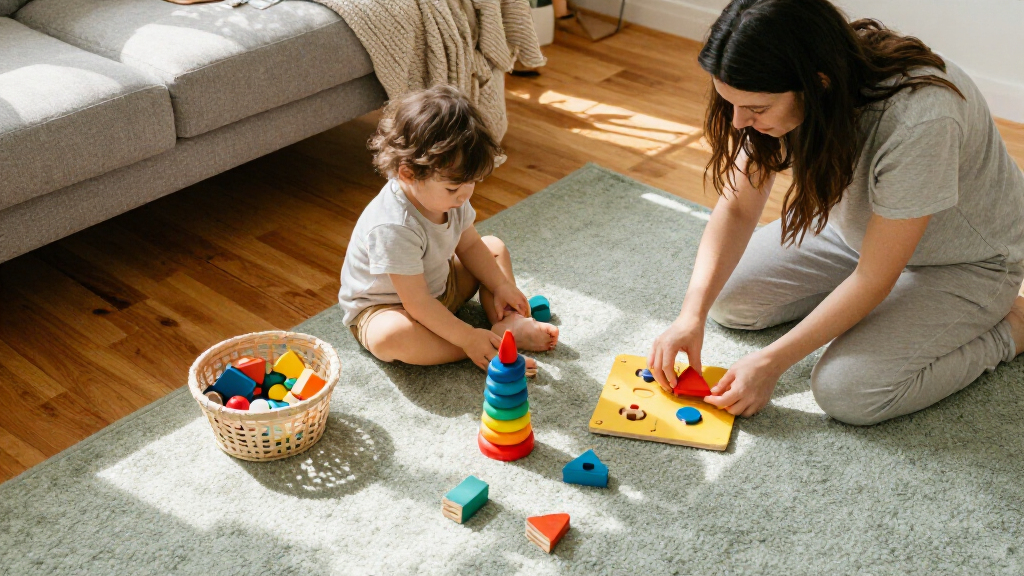
I ranked these 15 toddler learning toys by how clearly each connects its play pattern to an early learning goal, how easy it is for a toddler and caregiver to use, and whether the format suits repeat play. I also weighed age fit, portability, space needs, likely upkeep such as batteries or loose pieces, and how much adult participation the toy may call for. Since this is a Black Friday roundup, I treat the holiday as a shopping occasion—not a reason to prioritize a toy without a clear use for the child.
The order favors versatile options that support an identifiable learning activity and fit more than one everyday routine. Focused writing toys, multilingual electronic toys, and larger activity centers rank lower for buyers seeking broad, flexible play, but they may be better choices for families with those specific priorities. Wooden puzzles and sorting toys can suit children who like physical problem-solving; electronic toys may suit those drawn to sound and interaction. I do not treat these formats as interchangeable, and I flag their tradeoffs so readers can match the toy to the child rather than shop by feature count.
Factors to Consider When Choosing Black Friday Toddler Learning Toys
Before choosing from this list, I would start with the child’s current interests and the way the toy will fit into daily life. A learning toy is more likely to get used when its format, skill level, and setup suit the child and caregiver.
Match the Skill to What Your Toddler Enjoys
Look for a toy that connects a learning goal with an activity the child already likes. A toddler who enjoys naming things may engage more readily with books or picture cards than with a writing activity, while a child who likes fitting pieces may prefer sorting and puzzles. Avoid buying a toy just because it lists many skills; a crowded feature set can make the main activity harder to understand. One clear, repeatable action can be a better starting point than a toy that tries to teach everything at once. For a child whose interests are changing quickly, choose a format that allows different ways to play. The best match is the one that invites participation without turning play into a lesson.
Check Age Fit and the Next Step in Difficulty
Age labels are a starting point, not a guarantee that a toy will match a particular toddler’s coordination or attention. Check whether the activity depends on small pieces, precise hand movements, or following spoken directions. A toy that is too easy can lose its appeal, but one that requires adult help for every step may frustrate independent play. Consider whether the child can grow into new ways of using it, such as moving from simple matching to naming or counting. If buying ahead for a holiday, match the toy to the child’s likely abilities when it will be opened, not only their age on the purchase date. A good developmental fit leaves room for success as well as a little challenge.
Choose Screen-Free or Electronic Play Deliberately
Electronic toys can provide sound cues, songs, or spoken prompts, which may appeal to children who respond to audio. That interaction also brings practical questions about batteries, volume, and whether the toy can be enjoyed without its electronic features. Screen-free toys avoid those needs, but some depend more on a caregiver to model the activity or keep pieces organized. Neither format is automatically more educational; the key is whether it encourages the kind of participation the family wants. For shared play, decide whether you want a toy to prompt conversation or offer more independent audio interaction. This choice can prevent paying for features that will not matter in your home.
Think About Space, Portability, and Loose Pieces
A learning desk can provide a dedicated play area, but it asks for floor space and may be awkward to move between rooms. A busy book or compact toy is easier to store or take along, though small pieces may be easier to lose. Before choosing, consider where the child will use the toy most often and how quickly an adult can put it away. Wooden puzzles and sorting toys can be simple to store when their pieces have a clear home; toys with many loose parts need a storage plan. If the toy will travel, check whether its activities stay together during transport. A realistic storage decision can matter more over time than an extra feature.
Decide How Much Adult Participation Works for You
Some toys are most rewarding when an adult names pictures, asks questions, or demonstrates a task. Others offer prompts or repeatable play that a child can explore with less direct guidance. Neither style is better for every household, but the difference affects when the toy gets used. If you want a shared activity, choose something that gives both caregiver and child a clear role. If independent play is the goal, look for a simple setup and actions the child can repeat without constant help. A common mistake is choosing a toy for its learning promise without checking how much attention it asks from the adult.
Use Black Friday to Compare Fit, Not Feature Counts
Holiday promotions can make a toy with many sounds, languages, or included pieces seem like the stronger buy, but a feature only matters if the child will use it. Compare the toy’s main activity, durability signals, setup demands, and age fit before deciding what offers value for your family. Paying more may make sense for a format that fits a specific need, such as a dedicated writing activity or a larger play station, but added complexity is not automatically an upgrade. A simpler toy may offer more repeat use if it suits the child’s interests and is easy to bring out. Check what is included and whether batteries or other supplies are needed. Make the final choice based on likely use, not the size of the feature list.
Frequently Asked Questions
Are screen-free toys a better choice than electronic learning toys for toddlers?
Neither format is automatically better for every child. Screen-free options such as blocks, puzzles, and busy books make physical handling central, while electronic toys can add spoken prompts, songs, or sound responses. Choose based on the kind of play your child returns to and how much adult guidance you want to provide. If the toy will be used often, also check battery needs, volume controls, and whether it remains engaging when the sounds are off. A mix of formats can work if each has a clear purpose rather than overlapping in ways your child will ignore.
Which type of toy is a good starting point for a toddler new to learning toys?
I would begin with a toy that has one easy-to-understand action, such as matching, turning pages, or placing pieces. A simpler activity gives a toddler a chance to explore without needing to follow a long sequence of instructions. Consider whether the child can use it with little setup and whether an adult can join in naturally. If the child loses interest quickly, the format may be a poor match rather than a sign that they are not ready to learn. Start with their current interests, then choose a toy that adds a manageable next step.
Should I buy a toy that teaches several languages?
A multilingual toy can be a useful way to hear words in more than one language, especially if that supports the family’s goals. Check how the toy presents the languages: repeated audio, clear labels, and activities the child can follow may be more useful than a high language count by itself. Also consider whether the child enjoys sound-based play and whether the toy allows easy language selection. A multilingual toy does not replace conversation, reading, or interaction with fluent speakers. If your main goal is vocabulary in one language, a more focused book or word toy may be a closer fit.
What should I check before choosing a toy with small pieces?
Look closely at the intended age range and the size and number of loose pieces, then consider how the toy will be stored between play sessions. Small items can be hard to keep together and may not suit every household or play space. Think about whether your toddler can handle the pieces comfortably or will need an adult nearby to guide play. A toy with fewer, larger components may be easier to bring out regularly, even if it offers fewer activities. Follow the manufacturer’s age and safety guidance, and supervise play when needed.
Is a large learning desk worth choosing over a portable toy?
A desk makes more sense if your child has a consistent play area and enjoys activities that benefit from a dedicated surface. It can be less convenient if your space is tight, you move toys between rooms, or you want something to take on trips. Portable books and compact learning toys are easier to store, but they may offer a narrower play setup. Consider how often the child will use the toy and whether setting it up or putting it away will become a barrier. Choose the larger format for a real need, not simply because it looks like a bigger learning center.
Conclusion
For the broadest fit in this lineup, I recommend the LeapFrog Learning Friends 100 Words Book as best overall, particularly for families who want vocabulary play in a book format. For best value in hands-on variety, the Melissa & Doug Ms. Rachel Wooden Learning Blocks and Activity Cards are a strong screen-free direction, while the Tonberless and Yetonamr sorting puzzles suit children who prefer matching and stacking. The best premium-style choice for a dedicated play space is the VTech Little CEO Learning Desk, provided you have room for a larger activity center; for beginners, start with a simple book, block, or sorting activity that matches the child’s interests. Choose the VTech Write and Learn Creative Center or LeapFrog Mr. Pencil’s Scribble, Write and Read for early writing practice, and consider the multilingual tablets or Airbition talking flash cards when spoken language features are the priority. The right Black Friday pick is the one your toddler is likely to use, not the one with the longest feature list.