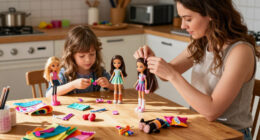

The best toys for kids balance repeat play with a good fit for a child’s age, interests, and available space. I’d put PicassoTiles 100-Piece Magnetic Building Tiles first overall for open-ended building, while ThinkFun Gravity Maze stands out for focused logic play and Stomp Rocket Jr. for energetic outdoor fun. The tradeoff is that hands-on toys can invite more independent play but need room or adult setup, while electronic and novelty toys can make a strong first impression yet offer a narrower play pattern. This roundup compares all 15 options by play value, usability, versatility, and practical fit. Read on for the full breakdown and help matching a toy to the child who will actually use it.

Turn the school run and nap time into listening time
- Thousands of audiobooks, podcasts and originals
- Listen on your phone, tablet or Echo — also offline
- Cancel anytime
Complete the kit


Key Takeaways
- PicassoTiles ranks first overall because magnetic tiles support many kinds of building, while single-purpose toys offer a more defined activity.
- ThinkFun Gravity Maze is the clearest choice for structured problem-solving; it suits kids who enjoy challenges more than freeform construction.
- Stomp Rocket Jr. makes outdoor movement part of the play, but its appeal depends on having suitable open space.
- Several picks reward making and experimenting—including the 3Doodler Start+, Magic Gel Water Pets, and LCD writing tablets—but their setup, supervision, and cleanup needs differ.
- There is no one-size-fits-all winner: the globe favors fact-loving kids, the pretend ice cream counter invites social role-play, and the Nex Playground is aimed at shared active play.
| LeapFrog Magic Adventures Interactive Globe |  | Best for Curious Geography Learners | Globe size: 10 inches | Screen size: 2.8 inches | Age range: 5–12 years | VIEW LATEST PRICE | See Our Full Breakdown |
| Melissa & Doug Wooden Scoop & Serve Ice Cream Counter Pretend Play Set |  | Best for Social Pretend Play | Pieces: 28 | Materials: Wood and plastic | Recommended age: 36 months–6 years | VIEW LATEST PRICE | See Our Full Breakdown |
| Let’s Go Fishin’ Classic Fishing Game | 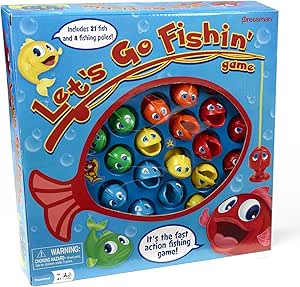 | Best for Quick Group Play | Players: 1–4 | Recommended age: 4 years and up | Playing time: 30 minutes | VIEW LATEST PRICE | See Our Full Breakdown |
| PicassoTiles 100-Piece Magnetic Building Tiles for Kids Ages 3+ |  | Best for Open-Ended Building | Piece count: 100 | Age range: 3 years and up | Color: Multicolor | VIEW LATEST PRICE | See Our Full Breakdown |
| TQU 8.5-Inch LCD Writing Tablets for Kids, 4-Pack |  | Best for Portable Creative Play | Screen size: 8.5 inches | Pack size: 4 | Colors: Blue, light blue, green, and pink | VIEW LATEST PRICE | See Our Full Breakdown |
| EchoPlan Magnetic Building Blocks, 150 Pieces |  | Best for Pattern-Rich Building | Pieces: 150 | Designs: 32 | Block size: 1 inch | VIEW LATEST PRICE | See Our Full Breakdown |
| Educational Insights GeoSafari Kidnoculars Toy Binoculars for Kids |  | Best for Outdoor Discovery Beginners | Magnification: 2x | Focus type: Fixed focus | Objective lens diameter: 35 mm | VIEW LATEST PRICE | See Our Full Breakdown |
| Dan&Darci Magic Gel Water Pets Craft Kit |  | Best for Hands-On Craft Play | Recommended age: 6 years and up | Gel colors: 7 basic colors, 2 glitter gels, and 1 glow-in-the-dark gel | Molds: 6 | VIEW LATEST PRICE | See Our Full Breakdown |
| LED Light-Up Mask with Gesture Sensing for Kids |  | Best for Costume and Party Play | Materials: ABS plastic and silica gel | LEDs: 234 high-brightness 3535 RGB LED beads | Patterns: 50: 25 graphics and 25 animations | VIEW LATEST PRICE | See Our Full Breakdown |
| 3Doodler Start+ Essentials 3D Pen Set for Kids |  | Best for Creative STEM Projects | Recommended age: 6 years and up | Included components: 3D pen, 72 plastic strands, DoodlePad/Doodlemat, USB-C cable, and activity guide | Charging: USB-C | VIEW LATEST PRICE | See Our Full Breakdown |
| 5-in-1 Voice Changer for Kids |  | Best for Imaginative Performances | Brand: Mini Explorer | Age range: 3 years and up | Voice modes: 5: alien, ghost, monster, robot, and standard microphone | VIEW LATEST PRICE | See Our Full Breakdown |
| Nex Playground Active Play System for Kids and Families | 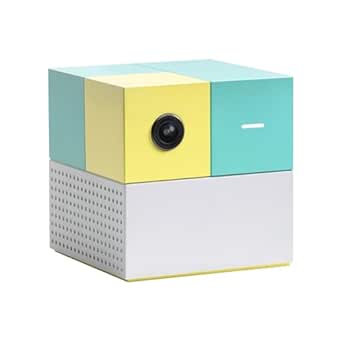 | Best for Group Movement Play | Age range: 5 and up | Included games: Fruit Ninja, Starri, Whac-a-Mole, Go Keeper, and Party Fowl | Number of players: Up to 4 | VIEW LATEST PRICE | See Our Full Breakdown |
| Stomp Rocket Jr. Multicolor Rocket Launcher for Kids, 8 Rockets |  | Best Outdoor Active Toy | Brand: Stomp Rocket | Age range: 3 years and up | Rocket count: 8 | VIEW LATEST PRICE | See Our Full Breakdown |
| Crayola Globbles Fidget Toys, 6 Count |  | Best Portable Sensory Toy | Brand: Crayola | Count: 6 Globbles | Age range: 4 years and up | VIEW LATEST PRICE | See Our Full Breakdown |
| ThinkFun Gravity Maze Marble Logic Game |  | Best STEM Puzzle Challenge | Brand: ThinkFun | Age range: 8 and up | Challenges: 60, beginner to expert | VIEW LATEST PRICE | See Our Full Breakdown |
More Details on Our Top Picks
LeapFrog Magic Adventures Interactive Globe
The LeapFrog Magic Adventures Interactive Globe makes the most sense for kids who want facts and activities built into their play. A stylus and small screen connect geography, cultures, animals, and habitats to BBC videos and three games, giving it more guided learning than the open-ended building of PicassoTiles 100-Piece Magnetic Building Tiles. That structure can help a child explore topics independently, while the globe format gives the information a clear focus.
The tradeoff is that it’s less flexible as a shared pretend-play toy, and its 2.8-inch screen is modest beside the globe’s 10-inch size. Regular use also calls for four AA batteries. Choose it for a school-age child drawn to maps and factual discovery; skip it if your priority is collaborative, hands-on construction or a toy that doesn’t rely on a screen.
Pros:- Connects geography, cultures, animals, and habitats with educational videos and activities.
- Stylus and interactive screen give children a direct way to explore topics.
- Three games add variety to the learning activities.
- A focused alternative to the free-form building play of PicassoTiles.
Cons:- The 2.8-inch screen is small for viewing video content.
- Requires four AA batteries for regular use.
- Offers less open-ended play than magnetic building tiles or pretend-play sets.
Best for: Families with children ages 5–12 who enjoy maps, animals, and independent fact-finding activities.
Not ideal for: Buyers seeking open-ended group play or a screen-free toy; the globe centers on guided digital content and needs batteries.
- Globe size:10 inches
- Screen size:2.8 inches
- Age range:5–12 years
- Power:4 AA batteries
- Included components:Globe, USB cord, parent’s guide
- Weight:2.9 pounds
- Materials:Plastic
- Warranty:90 days against manufacturer defects
Our verdict“Choose this globe for a school-age child who enjoys guided geography and factual play, but pick a building set for more open-ended creativity.”
Melissa & Doug Wooden Scoop & Serve Ice Cream Counter Pretend Play Set
The Melissa & Doug Ice Cream Counter is the strongest fit here for children who like taking turns, making up roles, and serving other people. Its 28 pieces include a counter, scoops, toppings, menu, and play money, so kids can invent a whole shop routine rather than simply handle a few props. Compared with TQU 8.5-Inch LCD Writing Tablets, this set is less suited to quiet solo drawing but gives siblings or playmates a richer reason to interact.
The menu and money also make counting part of the game without turning it into a worksheet. That play depends on having space to lay out the counter and pieces, however, and small accessories call for age-appropriate supervision. With no listed warranty, it offers less product support than some options in the roundup. Pick it for preschoolers who enjoy role-play; skip it for families wanting compact, self-contained activities.
Pros:- 28 pieces support varied ice-cream-shop role-play.
- Menu and play money bring counting and memory into pretend play.
- Encourages screen-free interaction between children or adults and children.
- Wooden counter gives the game a dedicated play-shop setup.
Cons:- Small play pieces call for age-appropriate supervision.
- The counter and accessories need more storage space than a compact activity toy.
- No warranty is listed by the manufacturer.
Best for: Families with children ages 3–6 who enjoy playing shop, serving pretend customers, and practicing simple counting with a partner.
Not ideal for: Households short on play space or looking for a compact solo activity; the set has many small pieces and no listed warranty.
- Pieces:28
- Materials:Wood and plastic
- Recommended age:36 months–6 years
- Included components:Ice cream counter, 8 scoops, 6 toppings, 2 cones, cup, scooper, tongs, spoon, reusable menu card, 6 bills
- Brand:Melissa & Doug
- Model number:9286
- Warranty:No warranty
Our verdict“Choose this set for preschoolers who enjoy shared shop role-play, but opt for the writing tablets if portability and quiet solo play matter more.”
Let’s Go Fishin’ Classic Fishing Game
Let’s Go Fishin’ Classic Fishing Game turns a simple challenge into a lively turn-taking activity: players try to catch fish as the pond rotates and opens and closes their mouths. Its four poles and 21 fish make it a better fit for a small group than the LeapFrog Magic Adventures Interactive Globe, which centers on one child exploring digital lessons. It can also be played solo, so a child doesn’t need a full group every time.
The appeal is quick, physical play rather than a long build or imaginative world. The manufacturer lists a 30-minute playing time, but the repeated fishing mechanic is narrower than the evolving structures kids can make with PicassoTiles. The game also needs one C battery, which isn’t included, and no manufacturer warranty is provided. Choose it for children who like short, competitive turns; skip it if you want broad creative play or battery-free fun.
Pros:- Four fishing poles let up to four players join in.
- Twenty-one fish give players multiple targets during a round.
- Moving pond adds a hand-eye coordination challenge.
- Can be played by one child or as a group.
Cons:- Requires one C battery, which is not included.
- The fishing mechanic offers less variety than open-ended construction toys.
- No manufacturer warranty is provided.
Best for: Families with children ages 4 and up who want a straightforward turn-taking game for one to four players.
Not ideal for: Buyers seeking battery-free play, long-form building, or a toy with a manufacturer warranty.
- Players:1–4
- Recommended age:4 years and up
- Playing time:30 minutes
- Included components:21 colorful fish, 4 plastic fishing poles, instructions, plastic game base
- Battery requirement:1 C battery (not included)
- Brand:Goliath
- Manufacturer:Pressman Toys
- Edition:Classic
Our verdict“Pick this for quick, competitive play with a small group, but choose PicassoTiles for a toy that supports more varied play over time.”
PicassoTiles 100-Piece Magnetic Building Tiles for Kids Ages 3+
PicassoTiles 100-Piece Magnetic Building Tiles earn this spot for play that can change with a child’s ideas: the clear, multicolor pieces connect into scalable 3D structures, from simple shapes to larger constructions. Unlike the Let’s Go Fishin’ Classic Fishing Game, which follows a fixed game mechanic, these tiles leave the goal to the builder. That makes them a versatile choice for solo exploration or shared projects, with shapes, colors, counting, and magnetic polarity woven into play.
The 100-piece set gives children room to build, but it also takes more storage space and weighs 5.5 pounds, so it’s less grab-and-go than the TQU writing tablets. It’s intended for children ages 3 and up, so families should follow that age guidance. Choose this for kids who return to construction play and enjoy changing their designs; skip it if you need a compact, ready-to-play activity.
Pros:- 100 pieces support scalable 3D construction.
- Open-ended designs can change across solo and group play.
- Building introduces shapes, colors, counting, and magnetic polarity.
- A more flexible creative option than fixed-mechanic games such as Let’s Go Fishin’.
Cons:- The 5.5-pound set is less portable than lightweight activity toys.
- A large set of tiles needs storage space.
- Recommended only for children ages 3 and up.
Best for: Families with children ages 3 and up who enjoy building, experimenting with shapes, or creating shared projects.
Not ideal for: Buyers needing a lightweight travel toy or a structured game with a set activity and endpoint.
- Piece count:100
- Age range:3 years and up
- Color:Multicolor
- Material:Plastic
- Item dimensions:14 x 11.63 x 3.13 inches
- Item weight:5.5 pounds
- Educational objective:Construction skills
- Players:Multiple
Our verdict“Choose PicassoTiles for children who like rebuilding and expanding their creations, but select a compact activity toy for travel or limited storage.”
TQU 8.5-Inch LCD Writing Tablets for Kids, 4-Pack
The TQU 8.5-inch LCD Writing Tablets are the most convenient pick here for families who want a light, low-mess activity they can split among siblings or pack for a trip. Four colors mean each child can have a board, while the pressure-sensitive screens support drawing, writing, and spelling; a button clears the screen, and a lock switch can preserve a picture. Compared with the Melissa & Doug Ice Cream Counter, these tablets need far less setup and storage, but they don’t offer the same shared pretend-play storyline.
The set suits short, quiet activities rather than deep construction or guided lessons like those on the LeapFrog globe. The screens rely on a CR2 button battery, and the listed warranty lasts one month. Choose them for portable doodling and simple practice; skip them if you want durable, battery-free materials or a toy that encourages extended group play.
Pros:- Four tablets give multiple children their own drawing surface.
- Pressure-sensitive screens support drawing, writing, and spelling.
- Erase button clears the screen quickly for another activity.
- Lock switch can save a drawing instead of clearing it.
Cons:- Requires a CR2 button battery.
- The one-month warranty is limited.
- Offers less shared imaginative play than the Melissa & Doug counter set.
Best for: Families with multiple children ages 3 and up who want portable drawing and writing activities for travel, waiting, or quiet time.
Not ideal for: Buyers seeking a battery-free toy, long-form collaborative play, or a longer warranty period.
- Screen size:8.5 inches
- Pack size:4
- Colors:Blue, light blue, green, and pink
- Features:Pressure-sensitive screen, erase button, lock switch
- Battery:1 CR2 battery required
- Material:ABS
- Recommended age:36 months and up
- Warranty:One month
Our verdict“Choose this four-pack for portable, quiet creative activities shared among children, but pick a pretend-play set for more social, story-driven play.”
EchoPlan Magnetic Building Blocks, 150 Pieces
For children who like building and rebuilding, the 150-piece set offers more variety than the smaller-format projects in this roundup. Its 32 printed designs give kids visual prompts as well as open-ended construction, while eight magnets in each block help creations stay together during play. That makes it a good fit for young builders who are ready to explore shapes and balance, but do not yet need a complex construction system. Compared with the PicassoTiles 100-Piece Magnetic Building Tiles, EchoPlan supplies more pieces and printed patterns, though the two formats may suit different building styles. The tradeoff is that the blocks can jingle during play, which may bother noise-sensitive households. Its stated age range of 4–8 years also makes it less suitable for older children seeking a more advanced challenge.
Pros:- 150 pieces and 32 designs support varied builds and pattern play.
- Eight magnets per block help constructions hold together.
- Sealed magnets and rounded edges are useful design details for young builders.
- Includes a creative guide for ideas beyond free building.
Cons:- Blocks may jingle during play, which can be distracting in quiet spaces.
- The recommended age range ends at 8, limiting its appeal for older builders.
Best for: Families with children ages 4–8 who enjoy colorful, repeatable building activities and want plenty of pieces for shared play.
Not ideal for: Noise-sensitive households or older children looking for a more advanced construction challenge.
- Pieces:150
- Designs:32
- Block size:1 inch
- Magnets per block:8
- Material:ABS
- Recommended age:4–8 years
- Certifications:CPSIA and ASTM
Our verdict“Choose EchoPlan for a pattern-rich magnetic building set for younger children, but skip it if play noise or an older child’s need for greater complexity is a concern.”
Educational Insights GeoSafari Kidnoculars Toy Binoculars for Kids
These binoculars make the most sense for a young child who wants to watch birds or scan a campsite without learning how to adjust focus. The fixed-focus 2x magnification keeps operation simple, and the enlarged eyepieces are designed to help small users line up what they see. At 0.2 kg, they are easier for a child to carry than a more elaborate optical tool, while the breakaway neck strap suits outings where hands need to stay free. Compared with the Stomp Rocket Jr., this is a quieter, observation-led outdoor toy rather than an active game. The tradeoff is limited flexibility: there is no focus adjustment, and the binoculars are not water resistant. They are a starter pair, not a choice for children seeking detailed viewing or all-weather use.
Pros:- Fixed focus keeps operation simple for young children.
- Enlarged eyepieces help children position their eyes.
- Compact, lightweight design is suited to outdoor outings.
- Breakaway neck strap is included.
Cons:- Fixed focus offers no way to adjust the view.
- Not water resistant, limiting use in wet conditions.
Best for: Parents of children ages 3 and up who want a lightweight first pair of binoculars for supervised walks, bird watching, or camping.
Not ideal for: Families planning rainy or wet outings, or children who want adjustable focus for close, detailed viewing.
- Magnification:2x
- Focus type:Fixed focus
- Objective lens diameter:35 mm
- Field of view:6 degrees
- Prism type:Roof prism
- Water resistance:Not water resistant
- Dimensions:4.8 x 5.75 x 2.8 inches
- Weight:0.2 kg
- Recommended age:3 years and up
Our verdict“Pick the Kidnoculars as a simple first outdoor observation toy, but choose something adjustable and weather-ready for more demanding use.”
Dan&Darci Magic Gel Water Pets Craft Kit
The Magic Gel Water Pets kit is a strong pick for children who want to make something they can keep playing with, rather than complete a one-step craft. Kids shape colored gel in the six included molds, then dip it in gelling solution to form squishy pets. Glitter and glow-in-the-dark gels add visual variety, and a storage jar gives the finished creations a home between play sessions. Compared with the 3Doodler Start+ Essentials 3D Pen Set, this kit focuses on molded, tactile results instead of drawing objects in three dimensions. That makes the process more guided, but it also involves several steps and some hands-on setup. The disposable gloves may need replacing for repeated projects, so families should expect a little more preparation and cleanup than with a ready-to-play toy.
Pros:- Includes gels, molds, and gelling solution for making water pets.
- Glitter and glow-in-the-dark gels add variety to projects.
- Finished pets can be stored in the included jar.
- Hands-on molding encourages creative choices and sensory play.
Cons:- Making each pet requires multiple steps, including dipping it in solution.
- Disposable gloves may need replacing for repeated use.
Best for: Families with children ages 6 and up who enjoy guided crafts, sensory materials, and making small creations to play with afterward.
Not ideal for: Buyers seeking a quick, low-mess activity or a craft children can complete without help setting up the solution and dipping steps.
- Recommended age:6 years and up
- Gel colors:7 basic colors, 2 glitter gels, and 1 glow-in-the-dark gel
- Molds:6
- Gelling solution:2 packets of pellets
- Included components:Strainer, jar with lid, instruction guide, and disposable gloves
- Item weight:880 g
- Item dimensions:8 x 8 x 3 inches
- Usage:Indoor
- Batteries:No batteries required
Our verdict“Choose this kit for children who enjoy multi-step sensory crafts, but look elsewhere if you want a quick activity with minimal setup.”
LED Light-Up Mask with Gesture Sensing for Kids
This mask stands apart from the building and craft picks by turning dress-up into a visual performance. It offers 50 graphics and animations, with both gesture sensing and button controls for changing the display. The adjustable bands and cushioning around the eyes help it fit different children, while its rechargeable battery is listed for 8–10 hours of use per charge. Compared with the 5-in-1 Voice Changer for Kids, this is the more visual costume accessory; the voice changer instead centers play on sound and character voices. The mask’s main drawback is the wait before first use: it calls for a 3–4 hour charge. It also depends on electronic effects, so it is less suited to children who prefer open-ended pretend play without screens or controls.
Pros:- 50 graphics and animations offer multiple looks.
- Gesture sensing and buttons provide two ways to change patterns.
- Rechargeable design is listed for 8–10 hours of use per charge.
- Adjustable elastic bands and eye cushioning support a flexible fit.
Cons:- Requires a 3–4 hour charge before first use.
- Electronic controls and effects may be less appealing to children who prefer simple pretend-play props.
Best for: Families shopping for a wearable costume accessory for children who enjoy parties, imaginative characters, and animated visual effects.
Not ideal for: Buyers seeking a quiet, battery-free toy or a dress-up prop that works without charging and electronic controls.
- Materials:ABS plastic and silica gel
- LEDs:234 high-brightness 3535 RGB LED beads
- Patterns:50: 25 graphics and 25 animations
- Controls:Gesture sensing and button activated
- Battery life:8–10 hours per charge
- Charging time:3–4 hours recommended before first use
- Fit:Adjustable elastic bands for children and adults
- Care instructions:Hand wash gently and air dry
- Safety:CPSIA compliant; odorless and non-toxic
Our verdict“Choose this mask for children who want animated costume play and are happy to manage charging, but skip it for a simple, electronics-free dress-up toy.”
3Doodler Start+ Essentials 3D Pen Set for Kids
For children who want to turn drawing into objects, the 3Doodler Start+ offers a more open-ended challenge than the guided molds in the Dan&Darci Magic Gel Water Pets Craft Kit. Its child-safe design with no hot parts pairs with 72 strands of mixed-color plastic, stencils, a DoodlePad, and an activity guide, giving beginners a structured way to move from flat shapes to 3D creations. USB-C charging and screen-free activities make it a practical alternative to digital entertainment, though the results depend on patience and practice. The biggest constraint is material compatibility: the pen is designed for 3Doodler Start plastic filaments, so buyers should not assume other filament types will work. It suits a child ready for a hands-on creative project more than someone looking for instant, ready-made play.
Pros:- No hot parts in the child-safe pen design.
- Includes 72 mixed-color plastic strands, stencils, and an activity guide.
- Supports screen-free creative and STEM projects.
- USB-C charging and a DoodlePad are included.
Cons:- Designed for use with 3Doodler Start plastic filaments.
- Making three-dimensional designs calls for patience and practice.
Best for: Families with children ages 6 and up who enjoy drawing, crafting, and guided STEM activities, and are willing to help a beginner learn the pen.
Not ideal for: Children seeking immediate play with little practice, or households that want to use filament beyond the specified 3Doodler Start type.
- Recommended age:6 years and up
- Included components:3D pen, 72 plastic strands, DoodlePad/Doodlemat, USB-C cable, and activity guide
- Charging:USB-C
- Dimensions:9.06 x 6.02 x 2.56 inches
- Weight:10.72 ounces
- Material:Plastic
- Filament compatibility:Designed for 3Doodler Start plastic filaments
- Warranty:1 year against manufacturer defects
Our verdict“Pick the 3Doodler Start+ for a child who wants to create original 3D projects and can take time to learn, not for instant, low-effort play.”
5-in-1 Voice Changer for Kids
The 5-in-1 Voice Changer turns pretend play into a small performance, with four character effects alongside a standard amplified microphone. Adjustable volume and echo give kids some control over how dramatic their voices sound, while colorful lights add a visual cue for shows and make-believe scenes. Compared with the Stomp Rocket Jr., this pick is better suited to indoor role-play than energetic outdoor activity; it also asks less space than a rocket launch. The tradeoff is that it offers sound effects rather than the building and problem-solving of Gravity Maze, and it needs charging before first use. I’d choose it for kids who love acting, silly voices, or putting on family performances, but skip it if the goal is a toy with puzzles or open-ended construction.
Pros:- Four character effects plus a standard microphone mode support different kinds of pretend play.
- Adjustable volume and echo let children change the sound for different performances.
- Rechargeable design includes a USB charging cable.
- Colorful lights and a carry strap add performance appeal and portability.
Cons:- Requires charging before first use.
- Sound-focused play may be disruptive in quiet homes or shared spaces.
Best for: Kids ages 3 and up who enjoy pretend play, making up characters, and performing for family or friends.
Not ideal for: Families seeking a quiet solo activity or a toy centered on building and puzzles; this is designed around amplified sound and voice effects.
- Brand:Mini Explorer
- Age range:3 years and up
- Voice modes:5: alien, ghost, monster, robot, and standard microphone
- Controls:Adjustable volume and echo
- Power:Rechargeable via included USB charging cable
- Lights:Colorful lights
- Dimensions:6 x 4.1 x 6 inches
- Included components:Voice changer and charging cable
Our verdict“Choose this for young performers who want voice effects and an amplified microphone, rather than a quiet, skill-building activity.”
Nex Playground Active Play System for Kids and Families
The Nex Playground brings motion-controlled games to a TV or projector, giving families a shared activity without handing each player a controller. Its built-in camera tracks movement, and support for up to four players makes it a stronger group pick than the solo-focused Gravity Maze. Five games are included, covering different kinds of active play, but access to the full catalog and new monthly games requires a separate Play Pass. That ongoing access requirement makes this less self-contained than toys such as the Stomp Rocket Jr., which runs on a child’s own energy without a subscription. It is also an indoor, corded system, so it won’t replace outdoor play. I’d pick it for households that already want screen-connected movement games and have room to play safely.
Pros:- Controller-free motion tracking encourages players to move rather than sit with a gamepad.
- Supports up to four players for shared family play.
- Five games are included to get started.
- Compact unit connects to a TV or projector through HDMI.
Cons:- A separate Play Pass purchase is required for the full game catalog and monthly new games.
- Designed for indoor use and needs a corded power source.
- Play depends on having a compatible TV or projector and enough clear room for movement.
Best for: Families with a TV or projector who want multiple children to play motion-based games together indoors.
Not ideal for: Buyers looking for a self-contained toy, outdoor activity, or full game library without a separate Play Pass purchase.
- Age range:5 and up
- Included games:Fruit Ninja, Starri, Whac-a-Mole, Go Keeper, and Party Fowl
- Number of players:Up to 4
- Controller:No controller required
- Connection:HDMI
- Motion tracking:Built-in wide-angle camera
- Memory storage capacity:64 GB
- Power source:Corded electric
- Play Pass:3-month or 12-month subscription required for full catalog
Our verdict“Choose this for indoor group movement games if you’re comfortable with the separate Play Pass requirement for expanded content.”
Stomp Rocket Jr. Multicolor Rocket Launcher for Kids, 8 Rockets
The Stomp Rocket Jr. makes the child’s own movement the launch mechanism: a stomp sends a soft foam rocket skyward, with launches reaching up to 100 feet under the stated conditions. Eight rockets give playmates more chances to take turns, and the air-powered setup avoids batteries and charging. Compared with the Nex Playground, this is the more direct choice for screen-free outdoor activity; unlike Gravity Maze, its learning comes through experimenting with force and flight rather than solving a sequence of tabletop puzzles. The tradeoff is location: it’s primarily an outdoor toy and needs open space, while the small rockets can be lost in grass or over a fence. I’d choose it for young kids who want active, repeatable launch play, not for families limited to indoor space.
Pros:- Kid-powered launch system needs no batteries or plugs.
- Eight soft foam rockets allow repeated turns and play.
- Can launch rockets up to 100 feet.
- Combines active play with simple STEM exploration.
Cons:- Designed primarily for outdoor use and needs room for launches.
- Small rockets may be easy to lose.
- The launch experience depends on stomping, so it offers less structured challenge than a puzzle game.
Best for: Children ages 3 and up who enjoy outdoor movement and hands-on experiments with launching and flight.
Not ideal for: Families without a safe open outdoor area, or buyers who want a compact indoor activity with pieces that stay together.
- Brand:Stomp Rocket
- Age range:3 years and up
- Rocket count:8
- Launch height:Up to 100 feet
- Power source:Kid-powered
- Batteries:Not required
- Recommended use:Outdoor
- Number of players:1 or more
- Dimensions:10.25 x 3.38 x 11.75 inches
Our verdict“Choose this for screen-free outdoor fun and simple launch experiments, provided you have open space and can keep track of the rockets.”
Crayola Globbles Fidget Toys, 6 Count
Crayola Globbles are the easiest pick here to keep on hand for quick tactile play: the six squishy pieces stick, stack, and squish, then can be washed with soap and water when their stickiness needs a refresh. Their compact format is simpler to pack than the larger setup of Stomp Rocket Jr., and the play is quieter and less structured than the 5-in-1 Voice Changer. That makes them a practical option for short breaks or hands-busy moments, though they don’t offer the progression of Gravity Maze or an active group challenge. The main upkeep is washing to restore the sticky feel; the material also shouldn’t be exposed to extreme temperatures. I’d choose this set for kids who seek tactile play and need a small, reusable option, rather than a toy with a defined game or learning goal.
Pros:- Six reusable pieces support squishing, stacking, and sticking play.
- Washable with soap and water to refresh stickiness.
- Designed not to leave sticky residue.
- Compact format is easy to carry.
Cons:- Stickiness may need refreshing with washing.
- Should not be exposed to extreme temperatures.
- Offers tactile play but no structured challenges or progression.
Best for: Children ages 4 and up who enjoy squishy, tactile fidget play at home or on the go.
Not ideal for: Buyers seeking a structured game, a building activity, or a toy that needs no care to maintain its texture.
- Brand:Crayola
- Count:6 Globbles
- Age range:4 years and up
- Material:Squishy, sticky texture
- Care:Wash with soap and water
- Safety:Nontoxic, ACMI Certified
- Model number:74-7294
Our verdict“Choose Globbles for compact, reusable sensory play, not for children who want a goal-based game or a more varied activity.”
ThinkFun Gravity Maze Marble Logic Game
Gravity Maze stands apart from the roundup’s active and sensory toys by giving kids a clear problem to solve: arrange towers so a marble reaches its target. Its 60 challenge cards range from beginner to expert, creating a reason to keep playing as children build spatial reasoning and plan each route. Compared with the more open-ended Stomp Rocket Jr., this is a quieter, more focused activity; unlike the Nex Playground, it needs no screen or group of players. It can be played alone or collaboratively, but the puzzle format asks for patience, and some challenges may frustrate kids who prefer immediate action. At age 8 and up, it is less suited to younger children than many picks here. I’d choose it for a child who likes logic puzzles and tangible, hands-on challenges.
Pros:- Sixty challenges provide a range from beginner to expert.
- Encourages spatial reasoning, planning, and problem-solving.
- Screen-free, hands-on play.
- Can be played independently or collaboratively.
Cons:- Challenging puzzles require patience and persistence.
- The stated age range of 8 and up rules it out for younger children.
- More structured and less physically active than options such as Stomp Rocket Jr.
Best for: Children ages 8 and up who enjoy independent logic puzzles, spatial challenges, or solving problems with a partner.
Not ideal for: Younger children or kids who prefer fast, physical play over concentrating on puzzles and trying different solutions.
- Brand:ThinkFun
- Age range:8 and up
- Challenges:60, beginner to expert
- Included components:Game grid, 9 towers, 3 marbles, 1 target piece, and 60 challenge cards
- Model number:44001006
- Color:Multicolor
Our verdict“Choose Gravity Maze for a school-age child who enjoys progressive logic challenges and is willing to work through tricky solutions.”

How We Picked
I compared these toys by the kinds of play they invite, how much choice children have within each activity, how easy it is to get started, and whether the play can stay interesting beyond an initial try. I also considered age fit, adult involvement, storage and setup demands, and whether the toy works best alone, with a partner, or in a group. These factors matter because a toy can be clever yet still be a poor match for a child’s patience, play space, or preferred way to spend time.
The ranking favors versatility and repeatable play for the top spots, while giving distinct placements to toys with stronger niche appeal. That puts the PicassoTiles set ahead of more specialized options: it can support changing builds without prescribing one outcome. Gravity Maze ranks highly for children who like clear challenges, but below open-ended building for general use. The globe, crafts, active-play system, and novelty toys can be better choices for particular interests; their narrower audience, setup, or space requirements keep them from taking the top position across the board.
Factors to Consider When Choosing Best Toys For Kids
Before choosing, I’d match the toy to the child’s actual play habits rather than buying for an abstract idea of what is educational or entertaining. A useful comparison starts with how the toy is used day to day: whether it invites solo or shared play, needs a clear surface or outdoor space, and asks an adult to help. These broader checks can prevent a toy from becoming a poor fit even when its concept sounds appealing.
Match the Challenge to the Child
Age labels are a starting point, not a promise that a toy will suit every child in that age band. Think about how much reading, coordination, patience, or rule-following the activity asks for, and whether the child likes learning through trial and error. A puzzle with a defined goal may delight a child who enjoys solving problems but frustrate one who prefers inventing freely. By contrast, open-ended construction can be easier to revisit because there is no single right result. A common mistake is choosing for the child’s future abilities instead of their current interests and confidence. If uncertain, favor a toy with several ways to play rather than one that depends on mastering a single task.
Decide How Much Adult Help Is Welcome
Some toys work as soon as they come out of the box; others ask for setup, instructions, or supervision before the fun begins. That difference matters if a child often plays independently or if adults have limited time to assist. Craft projects and creative tools may offer a satisfying finished result, but supplies, instructions, or careful handling can make them more adult-dependent than a basic building set. Consider whether help is a welcome shared activity or a barrier to regular use in your household. Avoid assuming that a toy labeled educational will automatically hold a child’s attention without guidance. A good fit is one whose support needs match the time and involvement you can realistically provide.
Check Space, Storage, and Cleanup
A toy’s footprint includes more than the product itself: play may need a clear floor, a table, room to move, or a safe outdoor area. Active toys are a weaker choice when there is nowhere suitable to use them, even if the child loves running and experimenting. Small pieces and craft materials can also spread beyond the play area, so check how easily the set can be gathered and stored. Before buying, think about where the toy will live between sessions and whether setup can happen without displacing everyday activities. A compact option may get used more often simply because it is easy to reach. The best fit is the one that works with your home, not just the one with the most ambitious play idea.
Choose Between Open-Ended and Goal-Based Play
Open-ended toys let children invent their own projects, while goal-based games provide a clear task and a sense of progress. Neither style is automatically better: the right choice depends on whether a child prefers making up rules or working toward a defined answer. Goal-based play can be reassuring for children who like structure, while creative construction can suit those who want control over the outcome. A common buying error is mistaking lots of pieces for lots of play possibilities; variety depends on how those pieces can be combined. Consider whether the toy offers fresh challenges or simply repeats the same action. If the child’s interests shift often, a flexible play format may last longer than a narrow novelty.
Think About Who Will Play Together
Some toys are most rewarding alone, while others rely on turn-taking, collaboration, or an audience. If siblings or friends will share it, look for an activity that keeps waiting time manageable and gives each child something to do. A toy designed around solo concentration may be a better fit for quiet play than for a group seeking fast interaction. On the other hand, pretend-play sets can give children room to take different roles and build a shared story. Consider whether the intended group has similar ages and abilities, since a large skill gap can leave one child doing most of the activity. Choosing around the real play group can matter as much as choosing around the individual child.
Pay More Only for a Meaningful Difference
A higher-cost toy makes sense when it adds a feature the child will use repeatedly, supports a clear interest, or offers a play experience unavailable in simpler options. It is less compelling when the extra complexity adds setup without giving the child more control or variety. Compare ongoing needs as well: projects may involve consumables, electronic play may require compatible equipment, and sets with many pieces need storage. Think about whether a simpler toy can meet the same need with less supervision or upkeep. Avoid paying for a broad feature list if the child is likely to use only one part. The practical test is whether the added capability changes how often or how well the toy fits into everyday play.
Frequently Asked Questions
Which toy in this roundup is the best all-around choice if I do not know a child’s exact interests?
I’d start with the PicassoTiles 100-Piece Magnetic Building Tiles because building can take many forms and does not depend on one theme or set of rules. That makes it a safer general gift than a specialized craft kit or novelty toy when you are unsure what the child likes. Still, consider age guidance and whether the child enjoys constructing things; broad versatility cannot make every play style appealing. If the child prefers a clear challenge, Gravity Maze may be a better match. If they would rather move around, an active option could see more use.
How can I choose between a toy for independent play and one meant for family play?
Start by asking when and where the toy will be used: quiet solo time, playdates, or a shared family activity. Independent toys should be understandable to the child without an adult repeatedly explaining rules or preparing materials. Shared-play toys need to give participants a reason to take turns or cooperate, rather than leaving one person in charge of all the action. Also consider whether adults want to join in; a family game can be a poor fit if it requires more time than the household has. The best choice supports the kind of interaction you want, not just the number of people who can be nearby.
Are creative craft toys a good choice for children who get frustrated easily?
They can be, but the amount of precision and adult help matters. A project with a clear sequence may feel manageable if each step produces visible progress, while an open-ended tool can be frustrating when the child expects a polished result right away. Check whether the activity allows experimentation and whether mistakes can be treated as part of making rather than as wasted materials. It also helps to decide in advance how much adult support is available. For a child who prefers quick success, a simpler drawing or building activity may be a gentler starting point.
What should I check before choosing an active-play toy for indoor use?
Check the play area, ceiling height, nearby breakables, and whether the activity needs a wide clear zone. Do not assume that a toy can be used safely indoors just because it is designed for children; movement and projectiles can need more room than expected. Consider noise and whether the activity will interrupt others at home. If the space is tight, a tabletop logic game or compact creative toy may be easier to use regularly. The right active toy is one that fits the available space without making every session a furniture-moving exercise.
When is a more specialized toy a better pick than a versatile building set?
A specialized toy is a stronger choice when it directly connects to an interest the child already returns to, such as geography, pretend shop play, or solving logic challenges. A broad building set offers more routes for play, but that flexibility is less useful if the child rarely chooses construction. Specific interests can also make a gift feel more personal and encourage deeper engagement with one activity. Before choosing, ask whether the child enjoys the theme itself or only the novelty of a new toy. If interest is uncertain, a versatile set usually carries less risk of feeling too narrow.
Conclusion
For the strongest all-around fit, I recommend PicassoTiles 100-Piece Magnetic Building Tiles for children who like making and changing their own designs. The roundup’s best value-style pick is the TQU LCD Writing Tablets 4-Pack for households that want reusable drawing surfaces for more than one child, while Nex Playground is the premium-style choice for families seeking shared active play and able to accommodate its space and setup needs. For beginners, the TQU writing tablets offer a straightforward way to draw without a complicated game structure. For specific interests, choose ThinkFun Gravity Maze for logic challenges, LeapFrog Magic Adventures Interactive Globe for geography, or Stomp Rocket Jr. for outdoor movement. My final rule is simple: pick the toy that suits the child’s preferred play style and your home’s practical limits, not the one with the longest feature list.