
As new parents, we often find ourselves meticulously analyzing every aspect of our newborn's wellbeing, including their poop. Understanding what is standard regarding newborn poop can be a valuable tool in gauging our baby's health.
But what exactly constitutes standard when it comes to a baby's bowel movements? Let's explore the nuances of newborn poop together, unraveling the mysteries behind its colors, textures, and frequencies to make sure we can confidently navigate this aspect of parenting with ease.
Key Takeaways
- Varying poop frequencies are normal in newborns, with breastfed infants having more bowel movements.
- Different poop colors indicate health status; red, black, white, or grey colors may signal issues.
- Monitor poop consistency; deviations like hard or pellet-like poop can suggest digestive problems.
- Seek medical advice for persistent changes in poop color, consistency, or the presence of blood or mucus.
As an affiliate, we earn on qualifying purchases.
Newborn Poop Frequency
Newborns typically have varying frequencies of bowel movements in their first few days of life, which can indicate the functioning of their digestive system and overall health. After passing the meconium, the thick and dark first stool, newborn poop shifts to a yellow or greenish color, with a softer and more seedy texture.
Breastfed babies often have several bowel movements a day, showing that they're digesting the breast milk efficiently. On the other hand, formula-fed infants may have fewer but still regular bowel movements. Monitoring your newborn's poop frequency is important as it can provide valuable insights into whether they're feeding well and if their digestive system is functioning properly.
Changes in poop frequency or consistency may signal issues that require attention. By observing and understanding your baby's bowel movements, you can make sure they're on the right track for healthy growth and development.
Normal Poop Colors
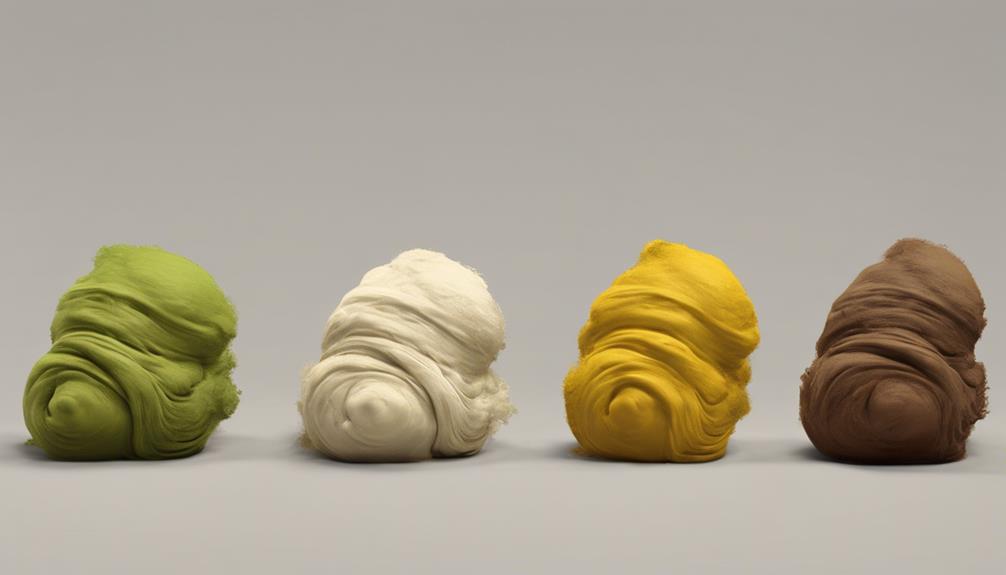
After discussing the frequency of newborn poop, it's important to mention that normal poop colors for infants can provide valuable insights into their digestive health and overall well-being.
- Baby Poop comes in various shades, indicating the baby's health status.
- Normal newborn poop colors range from greenish-black meconium to mustard yellow for breastfed babies and yellow or brown for formula-fed babies.
- Changes in poop color can signal digestive health issues or reactions to food.
Understanding these color variations is essential for parents to track their baby's health.
Meconium, the first poop passed by newborns, evolves into different colors as the baby's diet changes. However, red, black, white, or grey poop colors should be closely monitored as they may indicate underlying health problems. Keeping an eye on these changes helps in early identification of potential health concerns and safeguards the baby's well-being.
Poop Consistency Guide
Understanding the significance of a newborn's poop is essential for evaluating their digestive health and overall well-being. Normal newborn poop can vary in consistency, ranging from soft to runny, with textures often likened to mustard or cottage cheese. Any deviations from this typical consistency, such as hard or pellet-like poop, may indicate underlying digestive issues in newborns. Monitoring the consistency of your baby's poop is essential for evaluating their health status.
Changes in poop consistency, like unusually watery stool or hard, difficult-to-pass poop, shouldn't be ignored. These variations warrant parental attention and may require consultation with a healthcare provider. By understanding what constitutes normal poop consistency for a newborn, parents can promptly identify abnormalities and seek appropriate medical advice when necessary. Remember, being proactive in monitoring your baby's poop consistency can help in ensuring their digestive health and overall well-being.
Special Considerations for Babies

For babies with complex medical needs, extra care and monitoring regarding their poop are essential. When dealing with babies who have gastrointestinal issues, especially those at risk for conditions like necrotizing enterocolitis (NEC), diligent monitoring is important for their intestinal health.
Bowel blockages or narrowing are potential concerns in babies with complex medical needs, which might require surgical intervention to address effectively. Premature babies, in particular, are more susceptible to these complications, emphasizing the importance of vigilant observation.
Babies with complex medical needs require specific attention to their poop consistency. Gastrointestinal issues can have a significant impact on babies with medical conditions. Conditions like NEC can pose serious risks to the intestinal health of premature babies.
Parents of babies with complex medical needs play an essential role in monitoring their baby's poop and promptly seeking medical advice when needed to guarantee the best possible care and outcomes.
When to Seek Medical Advice
Seek medical advice promptly if your newborn's poop appears consistently white or chalky in color, as this may signal a potential liver issue. Additionally, if you notice blood in your baby's stool, it's important to contact a healthcare provider as it could indicate a serious condition.
Black poop in babies after the meconium stage should also be addressed with a doctor to rule out concerns related to gastrointestinal bleeding.
Mucus in your newborn's poop may suggest an infection or other health issue, warranting a call to the pediatrician.
Any persistent changes in poop consistency or frequency shouldn't be ignored. It's vital to seek medical advice in these situations to make sure your baby's health and well-being.
Frequently Asked Questions
How Do I Know if My Newborn's Poop Is Normal?
We identify normal newborn poop by its color, consistency, and smell. Changes might signal digestive issues. Monitoring their poop helps us understand their health. Trust your instincts and consult a healthcare provider if concerned.
What Does Healthy Newborn Poop Look Like?
Healthy newborn poop varies in color and consistency. Meconium is dark at first, changing to greenish then yellow stools for breastfed babies and peanut butter-like for formula-fed. Monitoring these changes helps gauge digestive health.
What Is a Normal Stool Pattern for a Baby?
As parents, we should observe our baby's poop patterns. It varies from several times a day to every few days. Breastfed babies poop more than formula-fed ones. Consulting a pediatrician helps understand normalcy.
What Consistency Should Newborn Poop Be?
We aim to demystify newborn poop consistency. It should be soft, smooth, and seedy, resembling a runny mustard-like texture. Remember, hard, dry, or pellet-like poop might signal digestion issues. Keep an eye on your little one's poops!
Conclusion
Just as a butterfly emerges from its cocoon, a baby's poop can reveal important insights about their health and well-being.
By understanding the characteristics of normal newborn poop, parents can navigate the early stages of parenthood with confidence and ease.
Remember, like the changing seasons, monitoring your baby's poop can help you spot any potential concerns early on.
Trust your instincts, seek guidance when needed, and embrace the journey of parenthood with grace.