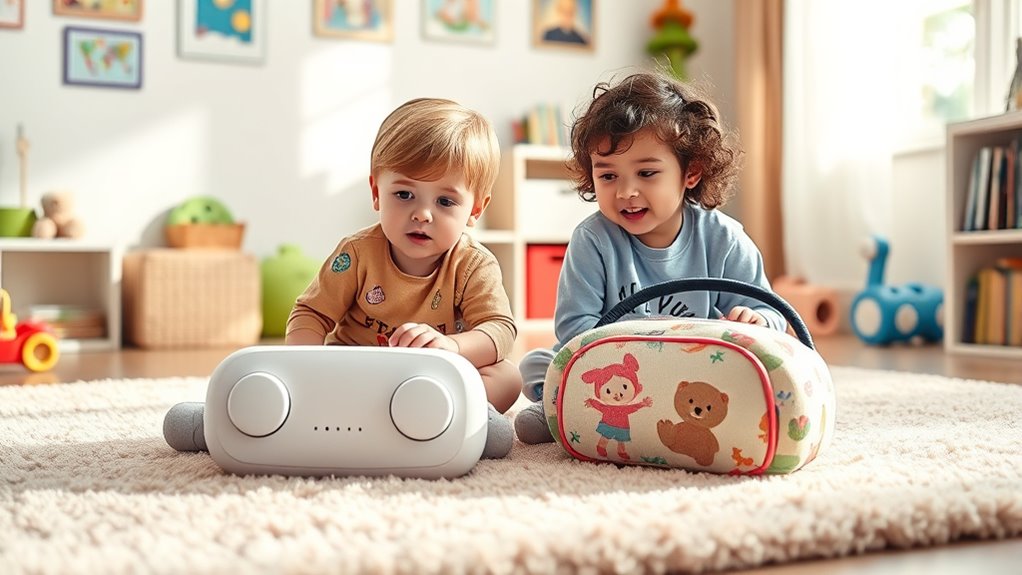

Choosing between a Yoto player and a Toniebox depends on your child’s age, preferences, and your priorities for content control and versatility. The Yoto Mini (2024 Edition) stands out for its compact size, long battery life, and extensive content library suitable for younger kids, but it relies on physical cards and has limited visual features. The YOTO Player (3rd Gen) offers a larger display, more content options, and multi-functionality like a nightlight and thermometer, making it a versatile choice for slightly older children. Meanwhile, the Toniebox (not reviewed here but often compared) emphasizes a more interactive, easy-to-use experience with plush character figures and a strong focus on visual engagement. Your decision hinges on whether you prefer physical cards, screen-based controls, or a more tactile, character-driven experience.

Turn the school run and nap time into listening time
- Thousands of audiobooks, podcasts and originals
- Listen on your phone, tablet or Echo — also offline
- Cancel anytime
Complete the kit


Key Takeaways
- Yoto devices excel in providing safe, screen-free audio content with parental controls and physical controls, but they depend on physical cards for content access.
- The Yoto 3rd Gen offers more features like a larger display and multi-purpose functions, making it better suited for older or more demanding kids.
- The Yoto Mini (2024 Edition) is ideal for travel and younger children thanks to its portability and long battery life, though it offers fewer visual features.
- Tonieboxes focus on tactile play with character figures and are more intuitive for very young children, but they typically cost more for content and accessories.
- Ultimately, the choice depends on whether your priority is content variety, screen-free play, ease of use, or interactive features.
| Yoto Mini (2024 Edition) + Starter Pack for Little Kids Bundle, Ages 3+ |  | Best for Portability and Simplicity | Includes: Yoto Mini (2024 Edition), starter pack with songs, stories, and activities | Display: Pixel display | Battery Life: Up to 14 hours | VIEW ON AMAZON | See Our Full Breakdown |
| YOTO Player (3rd Gen) – Kids Audio Player, Screen-Free, Ages 3-12 |  | Best for Versatile Content and Extended Use | Battery Life: Up to 16 hours | Internal Storage: 32GB | Content Capacity: 600+ hours | VIEW ON AMAZON | See Our Full Breakdown |
| YOTO Player (3rd Gen) + Starter Pack for Little Kids Bundle |  | Best for Safe, Parental Control with Multi-Functionality | Includes: YOTO Player (3rd Gen) and 6 Disney story cards | Age Range: Ages 4+ | Battery Life: Up to 16 hours | VIEW ON AMAZON | See Our Full Breakdown |
| Yoto Mini (2024 Edition) Kids Travel Audio Player, Screen-Free, Ages 3-12 |  | Best for Travel and On-the-Go Listening | Battery Life: Up to 14 hours | Display: Pixel display | Content Compatibility: Over 1000+ cards | VIEW ON AMAZON | See Our Full Breakdown |
| YOTO Player (3rd Gen.) + Kids Disney Classics Bundle – Screen-Free, Ages 4+ |  | Best for Disney Fans and Themed Content | Includes: YOTO Player (3rd Gen.) and 6 Disney story cards | Age Range: Ages 4+ | Battery Life: Up to 16 hours | VIEW ON AMAZON | See Our Full Breakdown |
| yoto player vs toniebox review | Battery Life | Content Compatibility | Age Range | Includes |
|---|---|---|---|---|
| Yoto Mini | Up to 14 hours | Over 1000+ cards | — | Yoto Mini (2024 Edition), starter pack with songs, stories, and activities |
| YOTO Player | Up to 16 hours | — | 3-12+ | — |
| YOTO Player | Up to 16 hours | Over 1000+ cards | Ages 4+ | YOTO Player (3rd Gen) and 6 Disney story cards |
| Yoto Mini | Up to 14 hours | Over 1000+ cards | 3-12+ | — |
| YOTO Player | Up to 16 hours | Over 1000+ cards | Ages 4+ | YOTO Player (3rd Gen.) and 6 Disney story cards |
More Details on Our Top Picks
Yoto Mini (2024 Edition) + Starter Pack for Little Kids Bundle, Ages 3+
The Yoto Mini (2024 Edition) shines as a straightforward, portable audio device designed for young children. Its pixel display is simple but sufficient for visual cues, and parental controls ensure safe content. Compared to larger models, it’s easier to carry around and perfect for travel or bedtime routines. The device’s reliance on physical cards means content is straightforward but limits instant access or customization without additional purchases. Its battery can last up to 14 hours, enough for a day out or long car rides. However, the need for physical cards for every piece of content can be inconvenient, especially if lost or misplaced. This device is a strong pick for parents who prioritize ease of use, safety, and content control in a compact form.
Pros:- Easy to set up and operate with physical audio cards
- Screen-free with parental controls for safety
- Long battery life and versatile functions like alarm clock and Bluetooth speaker
Cons:- Limited to audio content only; no visual or interactive features
- Requires physical cards, which can be lost or misplaced
- Battery life may vary with usage
Best for: Parents of young children who need a simple, portable, and safe audio device.
Not ideal for: Families seeking a device with interactive or visual features beyond basic playback.
- Includes:Yoto Mini (2024 Edition), starter pack with songs, stories, and activities
- Display:Pixel display
- Battery Life:Up to 14 hours
- Control:Audio cards, free app
- Features:Parental controls, Bluetooth speaker, alarm clock, sleep sounds
- Content Compatibility:Over 1000+ cards
Our verdict“A dependable, portable audio device best suited for younger children and travel use.”
YOTO Player (3rd Gen) – Kids Audio Player, Screen-Free, Ages 3-12
The YOTO Player (3rd Gen) offers a larger pixel display and more advanced features like a nightlight, thermometer, and alarm clock, making it suitable for a wide age range. Its 32GB of internal storage supports over 600 hours of offline listening, which is a significant advantage over smaller models. The device supports a broad spectrum of content including audiobooks, music, and podcasts, but it still requires physical Audio Cards for playback. Compared to the Mini, this model is better suited for children who enjoy visual cues and additional functions, but it’s less portable. The device’s setup via a mobile app is straightforward, and its 16-hour battery life is sufficient for most daily routines. The main tradeoff is that the reliance on physical cards can be limiting if cards are lost, and the device’s larger size might be less travel-friendly.
Pros:- Large pixel display enhances visual cues
- Long battery life with fast USB-C charging
- Supports a wide range of content and functions like nightlight and thermometer
Cons:- Requires physical audio cards for content, which can be lost
- No interactive features like camera or microphone
- Bulkier than smaller models
Best for: Parents wanting a multi-functional, longer-lasting device with more content options for children aged 3-12.
Not ideal for: Those seeking a highly portable, purely audio-focused device for very young children or travel.
- Battery Life:Up to 16 hours
- Internal Storage:32GB
- Content Capacity:600+ hours
- Display:Pixel display
- Connectivity:USB-C fast charge
- Age Range:3-12+
Our verdict“A versatile device ideal for older or more content-demanding children who benefit from visual cues and multiple functions.”
YOTO Player (3rd Gen) + Starter Pack for Little Kids Bundle
This YOTO Player (3rd Gen) bundle aims at providing a complete, safe audio experience for children, especially those just starting out. It features a pixel display, nightlight, alarm clock, thermometer, and Bluetooth speaker, making it a multi-purpose device. The included starter pack offers a variety of stories and songs, but additional content requires purchase of more cards. Its parental controls help ensure safe, age-appropriate listening, yet some parents find the setup or app controls a bit complex initially. While it’s more feature-rich than basic models, the reliance on physical cards and the device’s complexity may not suit very young children or those seeking minimal setup.
Pros:- Multi-functional device with nightlight, thermometer, and alarm clock
- Parental controls for safe content
- Easy to operate with simple card insertion
Cons:- Requires physical cards, which may be lost
- Limited content without additional purchases
- Setup or app controls may be complex for some users
Best for: Parents seeking a multi-feature device with strong safety and control features for children ages 4+.
Not ideal for: Users preferring a simple, purely audio device without additional functions or complex setup.
- Includes:YOTO Player (3rd Gen) and 6 Disney story cards
- Age Range:Ages 4+
- Battery Life:Up to 16 hours
- Features:Pixel display, sleep sounds, bedtime storyteller, nightlight, alarm clock, room thermometer, Bluetooth speaker
- Content Compatibility:Over 1000+ cards
Our verdict“A feature-rich, safety-focused device suited for parents who want control and multiple functions in one device.”
Yoto Mini (2024 Edition) Kids Travel Audio Player, Screen-Free, Ages 3-12
The Yoto Mini (2024 Edition) designed for travel, combines portability with a familiar audio experience. Its compact size, 14-hour battery life, and physical controls make it ideal for trips, car rides, and bedtime routines. The device supports over 1000 cards, giving access to stories, music, and educational content, but like other Yoto models, it relies entirely on physical cards. The device’s simple design and durable build make it a favorite for active households, yet some might find the need for physical cards inconvenient when traveling or if cards are misplaced. Its portability makes it a practical choice for families prioritizing on-the-go entertainment.
Pros:- Screen-free, child-friendly design
- Long battery life suitable for travel
- Wide variety of content options via physical cards
Cons:- Requires physical cards, which can be lost or misplaced
- Limited to audio content only; no visual media
- Some features may need app setup or updates
Best for: Parents needing a portable, travel-friendly device for children aged 3-12.
Not ideal for: Those looking for a device with interactive or visual features beyond audio playback.
- Battery Life:Up to 14 hours
- Display:Pixel display
- Content Compatibility:Over 1000+ cards
- Control Method:Physical dials, free app
- Age Range:3-12+
- Connectivity:Bluetooth, Wi-Fi (implied)
Our verdict“A portable, durable audio player perfect for active children and travel scenarios, with content flexibility via physical cards.”
YOTO Player (3rd Gen.) + Kids Disney Classics Bundle – Screen-Free, Ages 4+
This YOTO Player (3rd Gen.) bundle is tailored for young Disney fans, combining a feature-rich device with a set of Disney story cards. It provides a screen-free experience with multiple functionalities like a nightlight, sleep sounds, and a room thermometer. Its parental controls and easy card insertion make it accessible, but additional content beyond the included Disney cards requires purchase or subscription. The device’s multiple functions are beneficial, yet some may find the array of features overwhelming for very young children or prefer a simpler setup. It’s most suitable for families who want themed content alongside practical features for bedtime and safety.
Pros:- Screen-free entertainment with multiple functions
- Includes Disney story cards for instant themed content
- Parental controls and easy to use
Cons:- Limited content without additional card purchases
- Physical cards can be lost or damaged
- Features may be complex for some younger children
Best for: Parents seeking a Disney-themed, multi-functional device for children aged 4+.
Not ideal for: Those wanting a minimal device with only audio playback or without themed content.
- Includes:YOTO Player (3rd Gen.) and 6 Disney story cards
- Age Range:Ages 4+
- Battery Life:Up to 16 hours
- Features:Pixel display, sleep sounds, bedtime storyteller, nightlight, alarm clock, room thermometer, Bluetooth speaker
- Content Compatibility:Over 1000+ cards
Our verdict“Great for Disney fans who want a multi-purpose device that combines storytelling with safety and comfort features.”

How We Picked
My selection process focused on evaluating each device based on content flexibility, ease of use, safety features, and suitability for various age groups. I compared the hardware design, content access methods (physical cards vs. digital), battery life, and additional features like nightlights or thermometers. I aimed to highlight how each device balances control with engagement, and how they cater to different parent and child needs. Price and content ecosystem compatibility played a role, too, since a broader library often translates into better long-term value. This approach ensures that each pick serves a specific purpose and user profile.
| yoto player vs toniebox review | Includes | Battery Life | Features |
|---|---|---|---|
| Yoto Mini | Yoto Mini (2024 Edition), starter pack with songs, stories, and activities | Up to 14 hours | Parental controls, Bluetooth speaker, alarm clock, sleep sounds |
| YOTO Player | — | Up to 16 hours | — |
| YOTO Player | YOTO Player (3rd Gen) and 6 Disney story cards | Up to 16 hours | Pixel display, sleep sounds, bedtime storyteller, nightlight, alarm clock, room thermometer, Bluetooth speaker |
| Yoto Mini | — | Up to 14 hours | — |
| YOTO Player | YOTO Player (3rd Gen.) and 6 Disney story cards | Up to 16 hours | Pixel display, sleep sounds, bedtime storyteller, nightlight, alarm clock, room thermometer, Bluetooth speaker |
Factors to Consider When Choosing Yoto Player Vs Toniebox Review
When choosing between a Yoto player and a Toniebox, consider how your child interacts with media, the kind of content you want access to, and whether safety features or visual engagement are priorities. Yoto devices excel in offering a wide library of audio content controlled through physical cards and simple controls, making them ideal for parents who want to limit screen time while providing diverse entertainment. The different models cater to various age groups, with smaller, travel-friendly options for younger kids and multi-function devices for older children. Tonieboxes, while not reviewed here, focus more on tactile play with plush characters and visual cues, which suit very young children or those who enjoy more interactive play. Your choice will depend on your child’s preferences and your household’s routines.Content and Control
Yoto devices rely on physical audio cards, which can limit instant content access but offer safe, curated listening. Their controls are straightforward, with physical dials and a small display, making them suitable for children who can manage simple interactions. Tonieboxes, on the other hand, use plush figures that contain content, providing a more tactile experience that younger children find engaging. The choice depends on whether you prefer physical cards with a broader library or plush figures that simplify content selection for very young kids.
Features and Functionality
Yoto models often include additional features such as nightlights, thermometers, alarms, and Bluetooth speakers, making them multi-purpose devices that grow with your child. The models vary from basic, portable options to more feature-rich choices. Tonieboxes are primarily focused on storytelling with simple, intuitive design but lack advanced features like screens or interactive controls. If your child benefits from visual cues or multi-functionality, Yoto offers more options, but if you want a straightforward, plush-based storytelling device, Toniebox might suit better.
Age Suitability and Durability
For young children aged 3-5, the tactile, plush nature of Tonieboxes offers an intuitive, safe experience. Yoto Mini and similar models are also suitable for this age, especially for travel and bedtime. Older kids, up to 12, will appreciate the versatility and content options of Yoto’s larger, more feature-packed devices. Durability is generally good for both, but physical cards can be lost or damaged, so storage matters. Consider your child’s age, activity level, and comfort with handling devices when deciding.
Cost and Ecosystem
Yoto devices tend to be more affordable initially, but the cost of additional cards can add up over time. Their extensive ecosystem offers a wide range of content, often at a reasonable price. Tonieboxes, while sometimes more expensive upfront, include characters that serve as both toys and content containers, but purchasing additional figurines can be costly. Evaluate whether you prefer a pay-per-content model or a one-time investment with interchangeable figures, aligning with your budget and content preferences.
Frequently Asked Questions
Are Yoto devices suitable for very young children?
Yes, Yoto devices like the Mini and the 3rd Gen are designed with safety and simplicity in mind, making them suitable for children aged 3 and up. Their screen-free, tactile controls and parental safeguards help prevent accidental purchases or inappropriate content, making them a safe choice for early users.
Can I access new content easily on Yoto devices?
Yoto devices require physical audio cards for content, which means new stories or songs are added by purchasing or downloading new cards or content packs. This system ensures curated, safe content but is less instant than streaming or digital downloads. However, the extensive library and affordability of cards often offset this inconvenience.
What makes Tonieboxes different from Yoto devices?
Tonieboxes focus on tactile, plush characters that contain preloaded content, making them especially appealing to very young children who enjoy physically engaging toys. They are generally more intuitive for tiny hands and focus less on digital controls or displays, offering a simpler, more toy-like experience.
Are there any downsides to Yoto devices?
One common drawback is the reliance on physical cards, which can be lost or damaged. Additionally, some parents find managing a library of cards or setting up multiple devices cumbersome. The devices also lack interactive features like cameras or microphones, limiting engagement to audio content only.
Which device is better for travel?
The Yoto Mini (2024 Edition) is especially suited for travel thanks to its small size, long battery life, and durable design. Its portability makes it easy to bring along on trips, unlike larger models or those requiring more accessories. Tonieboxes are less travel-friendly due to their plush nature and size, making the Yoto Mini the more practical option for on-the-go listening.
Conclusion
For parents prioritizing simple, safe, and portable audio entertainment, the Yoto Mini or the YOTO Player (3rd Gen) are excellent choices, especially if you value extensive content and multi-functionality. Those seeking a more tactile, visual, and interactive experience for very young children might find the Toniebox more suitable, despite its higher cost. If your child loves Disney or themed stories, the bundle options of the Yoto 3rd Gen provide themed content and additional features. Ultimately, your choice should reflect your child’s age, your content preferences, and whether you prefer physical cards, visual cues, or plush characters for storytelling.
Fall Picks
fall essentials
As an affiliate, we earn on qualifying purchases.