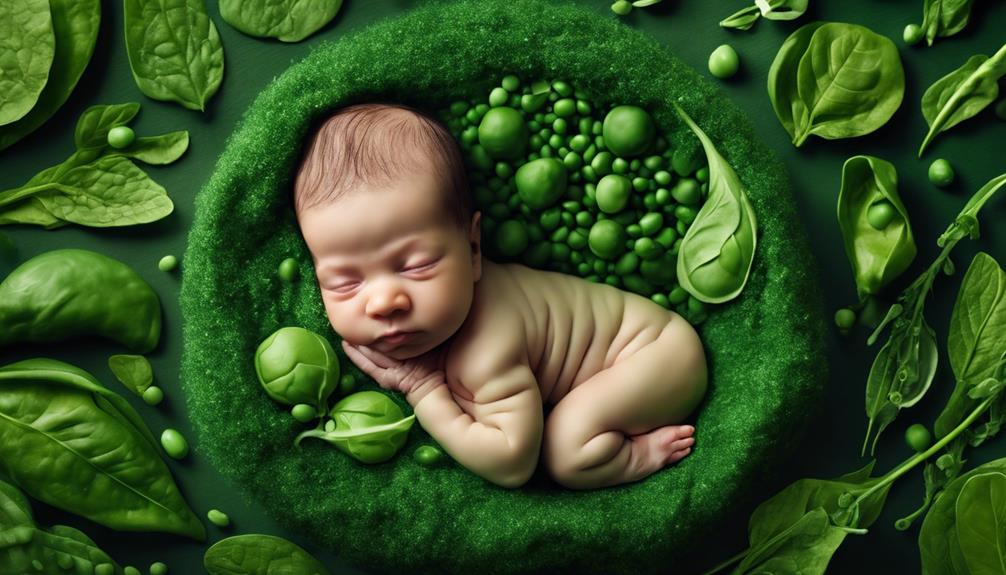

As a team of healthcare professionals, we comprehend the concern that green poop in a newborn can raise for parents. However, what many may not know is that the color of a baby's stool can offer valuable insights into their health.

Turn the school run and nap time into listening time
- Thousands of audiobooks, podcasts and originals
- Listen on your phone, tablet or Echo — also offline
- Cancel anytime
Green poop in a newborn can be a common occurrence, but it's important to know when it might signal a more significant issue. Let's unravel the mysteries behind this colorful phenomenon and explore the potential reasons behind it, shedding light on what parents should keep an eye out for in their little ones' diaper changes.
Key Takeaways
- Green poop in a newborn can indicate various factors like excess bile, dietary changes, or digestive system maturation.
- Meconium transitioning to regular stool may cause temporary green poop, but persistent green stools warrant medical attention.
- Foremilk-hindmilk imbalance during breastfeeding can lead to green, frothy stools, requiring adjustment in feeding practices.
- Green stool accompanied by other symptoms like fever or mucus may signify underlying illnesses, necessitating prompt medical evaluation.
As an affiliate, we earn on qualifying purchases.
Causes of Green Poop in Newborns
Excess bile in the digestive tract is a primary factor contributing to the green poop seen in newborns. When a baby has an imbalance between foremilk (the thinner, more watery milk) and hindmilk (the richer, fattier milk) during breastfeeding, it can lead to green, frothy stools.
Additionally, illnesses like stomach bugs can cause green stool with mucus in newborns. Introducing green foods, iron supplements, or encountering food intolerances can also play a role in the color of a baby's poop.
The shift from meconium (the dark, sticky stool produced in the womb) to regular stool can sometimes result in greenish hues due to changes in the digestive tract. Understanding these various causes can help parents and caregivers better interpret the color of their baby's poop and know when to seek medical advice if needed.
Meconium and Green Poop
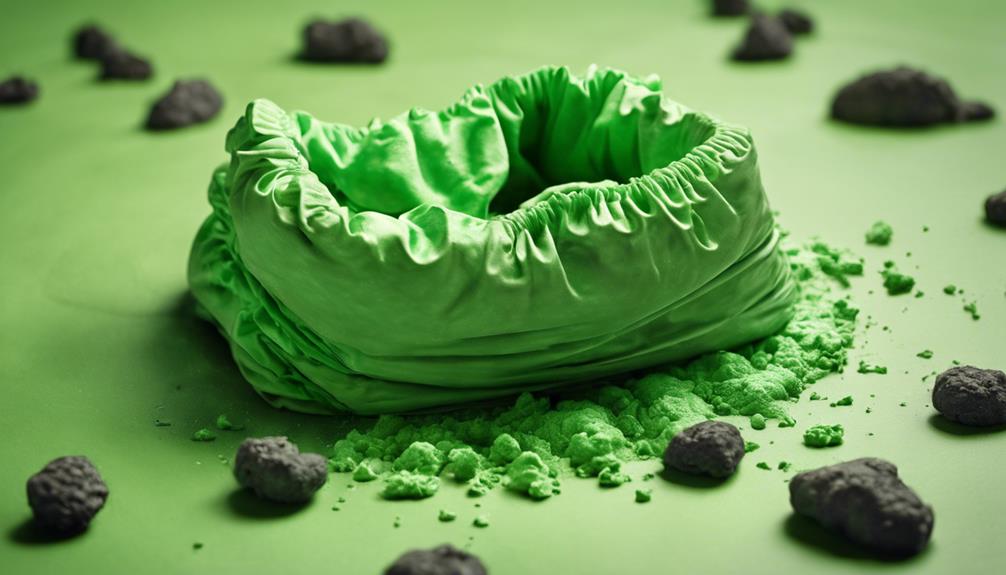
Shifting from meconium to green poop marks a normal process in newborns within the first few days of life. This shift signifies the maturation of the digestive system and is influenced by various factors. Here are key points to understand this change:
- Meconium: Meconium is the initial stool produced by newborns, characterized by its dark greenish-black color.
- Progression: The shift from meconium to green poop is a natural progression as the digestive system starts functioning.
- Causes: Green poop in newborns can be attributed to excess bile in the digestive tract or dietary factors, including a foremilk-hindmilk imbalance during breastfeeding.
- Significance: While green poop in newborns is often benign, persistent green stools or accompanying symptoms should prompt seeking medical attention to rule out any underlying issues.
Understanding the significance of meconium and the progression to green poop can provide reassurance to parents as they navigate the early stages of their newborn's digestive development.
Foremilk-Hindmilk Imbalance
Foremilk-hindmilk imbalance during breastfeeding can result in green, frothy stools in infants due to variations in the milk composition they consume. When a breastfed baby consumes more foremilk, which is higher in lactose and lower in fat, than hindmilk, it can lead to digestive issues like green baby poop. Hindmilk, with its higher fat content, is essential for a newborn's growth and development, providing essential calories and promoting a feeling of fullness.
To address foremilk-hindmilk imbalance, focusing on proper breastfeeding techniques is key. Allowing the baby to fully empty one breast before switching to the other can help guarantee they receive a good balance of both foremilk and hindmilk. Seeking guidance from a lactation consultant or healthcare provider can offer valuable support in resolving this imbalance and understanding how to manage frothy stools in newborns effectively. By adjusting feeding practices and seeking expert advice, parents can help their baby achieve a healthier feeding routine.
Illness and Green Poop

When a newborn exhibits green poop, it can serve as an indicator of a potential underlying illness, such as a stomach bug or infection. Here are some key points to take into account:
- Symptoms: Illness can cause green poop in babies along with other symptoms like fever or vomiting. Observing the baby for any additional signs of illness when green poop is present is important.
- Mucus Presence: If a newborn has green poop along with mucus, it could be a sign of an infection that requires medical attention. The presence of mucus can indicate a more serious issue that needs to be addressed promptly.
- Monitoring Changes: Changes in a newborn's poop color to green should be monitored for accompanying signs of illness. Regular monitoring of the baby's poop and overall health is vital.
- Healthcare Provider: Green poop in a newborn may be a temporary issue related to a stomach bug or infection that needs to be addressed by a healthcare provider. Seeking medical advice is crucial to address any underlying health concerns.
Treatment for Green Baby Poop
In cases where green baby poop is persistent or accompanied by discomfort, illness, or other concerning symptoms, seeking medical advice may be necessary. When it comes to treating green baby poop, understanding the potential causes is essential. While green poop is often benign and linked to diet or bile pigments, if it persists alongside severe symptoms like dehydration concerns or unusual behavior, consulting a healthcare provider is recommended. Below is a table summarizing possible treatments for green baby poop based on the underlying issues:
| Underlying Issue | Possible Treatment | Additional Notes |
|---|---|---|
| Dietary Changes | Adjusting breastfeeding or formula intake | Consult a pediatrician for guidance |
| Bile Pigment Imbalance | Monitoring and managing any liver or gallbladder issues | Medical evaluation may be necessary |
| Gastrointestinal Problems | Medication or dietary modifications | Specialist consultation might be required |
Frequently Asked Questions
Is Green Poop Normal for Newborns?
Yes, green poop is normal for newborns. It can stem from factors like bile pigments or diet changes during the shift from meconium to regular stools. Monitoring symptoms is essential to gauge if medical attention is necessary.
Does Green Poop Mean Infection?
Green poop in a newborn may arouse concern about infection. However, it's often linked to dietary factors or bile pigments. Seek medical advice if accompanied by severe symptoms or dehydration concerns to safeguard the baby's health.
What Does Milk Allergy Poop Look Like?
When dealing with milk allergy poop, we notice green, frothy stools with mucus, a pungent smell, and increased water content. Blood traces might be present. Babies may exhibit rashes, vomiting, or irritability. Eliminating dairy or using hypoallergenic formula helps manage this condition.
What Does Unhealthy Baby Poop Look Like?
Unhealthy baby poop may vary in consistency and color, indicating potential issues like infection, constipation, or food sensitivities. Red blood, mucus, or white stool are warning signs that necessitate medical attention to make sure baby's health.
Conclusion
To sum up, green poop in newborns can be caused by a variety of factors such as diet, bile pigments, or meconium shift. It's usually not a cause for concern, but persistent green poop accompanied by other symptoms should be evaluated by a healthcare provider.
A study found that up to 25% of newborns may experience temporary green poop due to dietary factors or bile pigments, underscoring the importance of monitoring and seeking medical advice if necessary.
Fall Picks
fall essentials
As an affiliate, we earn on qualifying purchases.