
When your newborn's hiccups hang around longer than expected, it can be concerning. However, there's no need to panic just yet.

Get baby and family essentials delivered free — and shop member deals
- Fast, free delivery on millions of items
- Access to Prime Big Deal Days deals on October 6–7
- Prime Video, Amazon Music and more included
While hiccups are typically harmless, persistent ones might call for a closer look. Understanding the underlying reasons and exploring effective soothing techniques could help ease your baby's discomfort.
Remember, a calm approach and a watchful eye are key in managing this hiccup challenge with your little one.
Key Takeaways
- Monitor for signs of concern like vomiting or breathing difficulties during hiccups.
- Use soothing techniques such as patting the back or offering a pacifier.
- Implement prevention strategies like feeding in an upright position and burping frequently.
- Seek guidance from healthcare professionals for tailored advice and reassurance.
As an affiliate, we earn on qualifying purchases.
Causes of Newborn Hiccups
Newborn hiccups, often puzzling for parents, can be attributed to spasms of the diaphragm, a crucial muscle for breathing. These hiccups can occur due to various reasons such as overfeeding, swallowing air during feedings, or sudden changes in stomach temperature.
While persistent hiccups in newborns might cause concern, they're usually harmless and signify a part of normal development. However, in some cases, gastroesophageal reflux disease (GERD) could be a potential underlying cause for these persistent hiccups.
It's important to note that while most newborn hiccups are benign, persistent hiccups that are accompanied by other symptoms or distress may require medical evaluation to rule out any underlying issues. If you notice your newborn experiencing persistent hiccups that seem to be causing them discomfort or if there are other concerning signs present, seeking guidance from a healthcare provider is advisable to guarantee your baby's well-being.
Signs of Concern
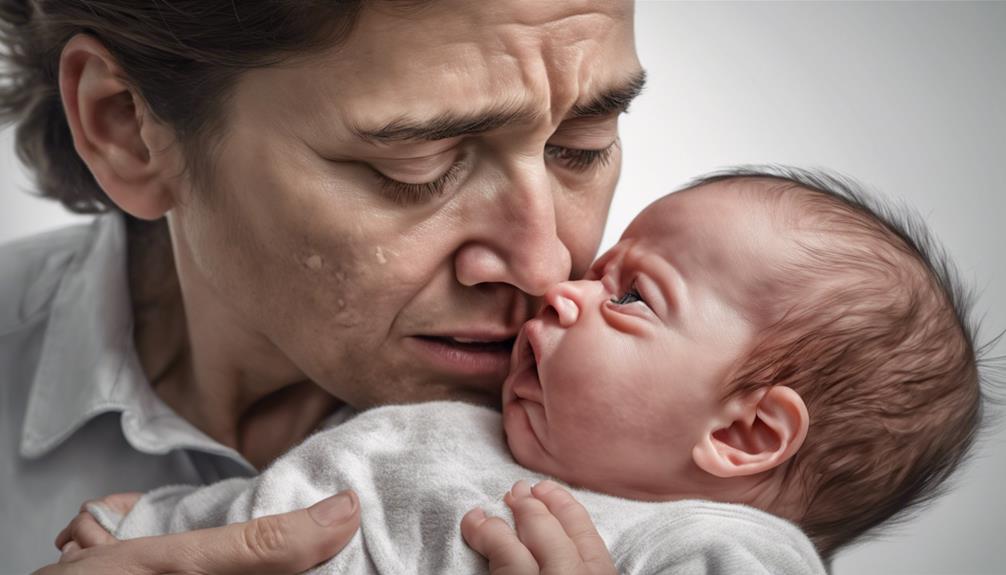
If your newborn's hiccups are accompanied by concerning signs such as vomiting, difficulty breathing, or extreme fussiness, seeking prompt medical attention is essential. Here are some signs of concern to look out for:
- Vomiting: If your newborn is experiencing persistent hiccups along with frequent vomiting, it could indicate a more serious issue that needs medical evaluation.
- Difficulty Breathing: Breathing difficulties during or after hiccups could be a red flag for an underlying problem. Any signs of respiratory distress shouldn't be ignored.
- Fussiness: Extreme fussiness or irritability in conjunction with prolonged hiccups may suggest discomfort or pain that requires attention from a healthcare provider.
Remember to also watch for changes in skin color, especially if your baby's skin turns dusky or blue during hiccups. These signs could point towards conditions like gastroesophageal reflux disease (GERD) or other digestive issues, emphasizing the importance of seeking medical advice promptly.
Soothing Techniques for Hiccups

When trying to soothe your newborn's hiccups, gentle techniques like patting their back or offering a pacifier can be effective in providing relief. Sometimes, changing your baby's position to an upright posture while feeding can help prevent hiccups. Additionally, burping your baby more frequently during and after feedings may release excess gas, reducing the occurrence of hiccups. It's crucial to allow hiccups to stop naturally within 5-10 minutes, as this is usually sufficient for most newborns.
If your baby continues to experience persistent hiccups despite trying these soothing techniques, it may be helpful to seek medical advice. In some cases, giving your baby a small amount of Gripe Water, under the guidance of a healthcare provider, can also aid in relieving hiccups. Remember, hiccups in babies are common and typically harmless, often caused by the immaturity of their respiratory muscles. Keeping your baby in an upright position during and after feeding can also assist in minimizing hiccups.
Prevention Strategies

To prevent newborn hiccups, make sure to burp your little one more frequently during feedings to release excess gas that may trigger hiccups. When feeding your baby, try the following prevention strategies:
- Feed your newborn in an upright position: This aids digestion and reduces the likelihood of hiccups by allowing gas to escape more easily.
- Offer smaller, more frequent feedings: Prevent overfeeding, which can lead to hiccups, by spacing out meals throughout the day.
- Create a calm environment: Avoid distractions during feeding times to help your baby relax, making hiccups less likely to occur.
Consulting a Healthcare Professional
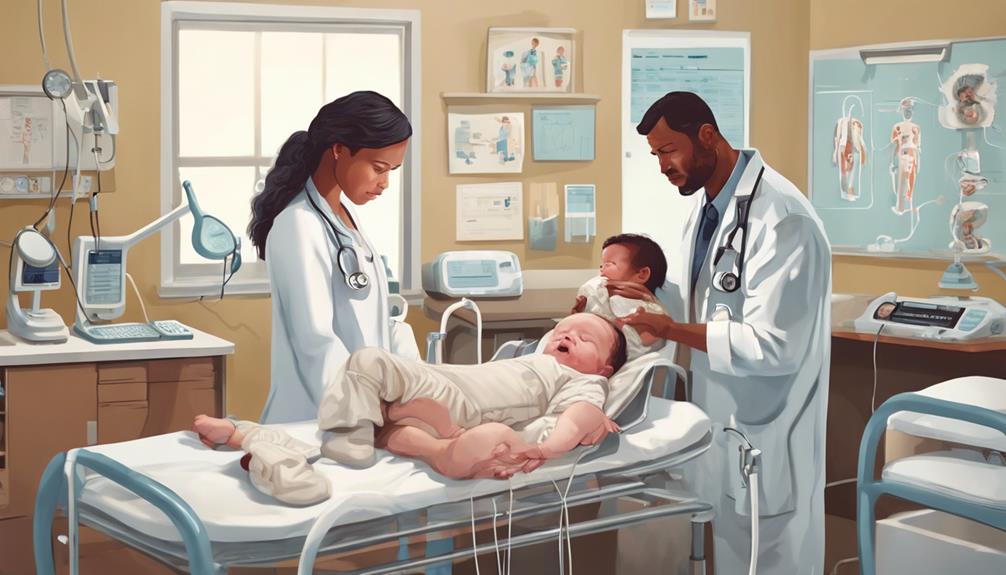
When seeking guidance on your newborn's persistent hiccups, consulting a healthcare professional such as a pediatrician or neonatologist is recommended for proper evaluation and assistance. These professionals can assess the frequency and duration of the hiccups to determine if there might be an underlying issue that requires medical attention.
Providing detailed information about your baby's hiccups, feeding patterns, and overall behavior will help the healthcare professional make informed recommendations tailored to your newborn's specific needs. Remember, seeking timely medical advice can't only offer reassurance but also support in effectively managing your newborn's persistent hiccups.
Your healthcare provider can offer valuable insights and guidance to address any concerns you may have, ensuring the well-being of your little one. Don't hesitate to reach out for help; your baby's health and comfort are a top priority, and healthcare professionals are there to assist you every step of the way.
Frequently Asked Questions
What to Do if Hiccups Are Not Stopping in Newborn?
If hiccups persist in your newborn, consult a pediatrician promptly. Monitor for signs of discomfort and consider adjusting feeding techniques. Seek medical advice if hiccups are prolonged or accompanied by concerning symptoms. Your baby's well-being is crucial.
Is It OK to Leave Newborn With Hiccups?
It's generally safe to leave your newborn with hiccups as they're not usually a cause for concern. Just make sure your baby is comfortable. If you notice other worrying symptoms or if hiccups persist, it's wise to consult a pediatrician for guidance.
Can a Newborn Have Too Many Hiccups?
Yes, a newborn can have too many hiccups, often due to overfeeding or swallowing air. Crucial to monitor feeding techniques closely and consult a pediatrician if your baby seems distressed. Proper pacing can help reduce excessive hiccups.
What Is the Best Position for Baby Hiccups?
For baby hiccups, the best position is slightly upright, like on your shoulder. This helps air move out, reducing hiccups. Keeping your baby's head higher than the stomach can prevent triggers. Support them upright after feeding for better digestion.
Conclusion
To summarize, when your little one experiences persistent hiccups, remember to stay calm and try gentle soothing techniques.
If the hiccups continue or your baby seems uncomfortable, it's best to seek advice from a healthcare professional for further guidance.
Remember, hiccups are a common occurrence in newborns and are usually nothing to worry about. Just keep in mind that your baby's well-being is always a top priority.
Fall Picks
fall essentials
As an affiliate, we earn on qualifying purchases.