TL;DR

Get baby and family essentials delivered free — and shop member deals
- Fast, free delivery on millions of items
- Access to Prime Big Deal Days deals on October 6–7
- Prime Video, Amazon Music and more included
Kids’ ergonomic backpacks are designed to fit properly, distribute weight evenly, and promote good posture. Investing in the right backpack can prevent back pain and discomfort, especially when combined with proper use.
Imagine your child lugging around a heavy, poorly fitting backpack every day. It’s no wonder many kids complain of backaches by midweek. The good news? A well-designed, ergonomic backpack can make a world of difference. It’s not just about style or brand; it’s about how it fits, feels, and supports your child’s growing body.
This guide will walk you through what makes a backpack ergonomic, recent innovations, and simple tips to pick a safe, comfortable pack. Because when the right backpack fits perfectly, your child’s posture, comfort, and even confidence get a boost.
Always measure your child’s torso and choose a backpack that sits high on the back, no more than 2 inches below the waist.
Look for padded, adjustable straps and breathable back panels to maximize comfort and support.
Avoid backpacks that weigh more than 10-15% of your child’s body weight to prevent back pain.
Recent models include safety features like reflective strips and LED lights, plus eco-friendly materials.
Regular inspections and proper use can greatly reduce the risk of long-term back issues.
What exactly makes a backpack ergonomic and safe for kids?
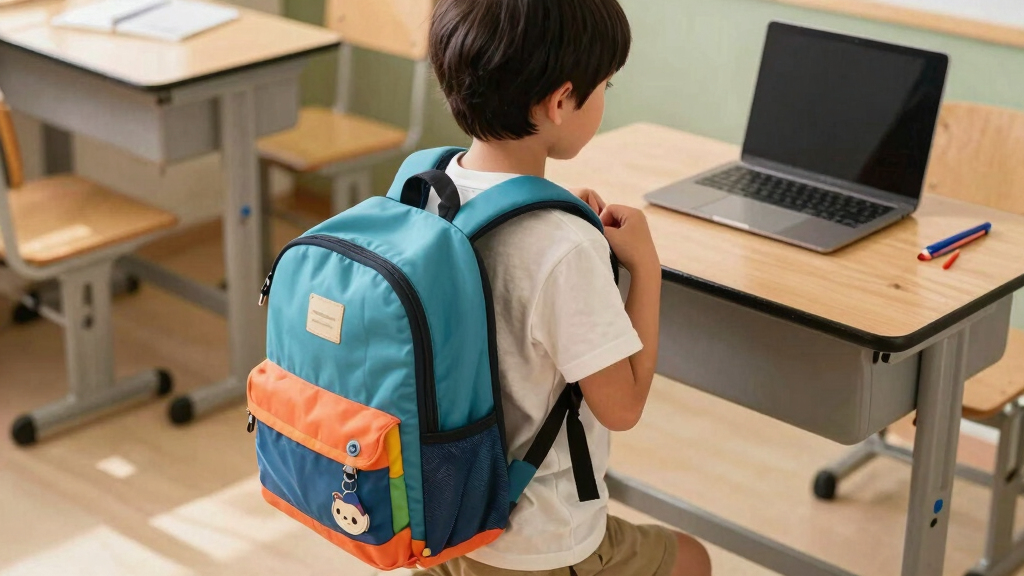
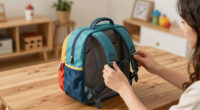
An ergonomic backpack supports your child’s back and shoulders, fitting snugly without causing strain. Look for adjustable, padded straps that sit comfortably on tiny shoulders. The backpack should sit high on the back, with the bottom no more than 2 inches below the waist—think of it as a snug hug for their spine.
Features like padded back panels and breathable mesh help keep your kid comfortable, especially during warmer days. For instance, a backpack with a padded, ventilated back panel can prevent sweat buildup and reduce pressure points. Remember, a backpack that doesn’t fit well can throw off your child’s posture and cause soreness.
Why does this matter? Proper fit and support help maintain healthy spinal alignment, which is crucial during the rapid growth phases of childhood. Poorly fitting backpacks can lead to uneven weight distribution, causing your child to lean forward or compensate with awkward postures. Over time, this can contribute to chronic back pain, muscular imbalances, or even affect their gait. Investing in an ergonomic design isn’t just about comfort—it’s about safeguarding your child’s musculoskeletal health in the long run.
kids ergonomic backpack adjustable straps
As an affiliate, we earn on qualifying purchases.
As an affiliate, we earn on qualifying purchases.
How to pick the perfect fit for your child’s backpack
- Measure your child’s torso length—place the tape measure from the C7 vertebra (at the base of the neck) to the top of the iliac crest (hip bone). This measurement ensures the backpack is appropriately sized for their body, which is critical because a backpack that’s too long or short can cause uneven weight distribution and discomfort.
- Choose a backpack that sits 2 inches below their waist, covering the upper back without extending below the hips. This positioning helps keep the load centered and reduces strain on the shoulders and lower back.
- Ensure straps are adjustable, padded, and sit comfortably without digging into shoulders. Properly adjusted straps distribute weight evenly and prevent pressure points, which can cause soreness or irritation.
- Load the backpack with typical items—books, lunch, supplies—and see how it hangs. It shouldn’t sway or sit unevenly. If it shifts excessively, it indicates poor weight distribution or improper fit, which can lead to discomfort or imbalance.
- Check your child’s comfort—no shoulder pain, no leaning forward, and they can walk without tilting or adjusting constantly. Comfort is a key indicator that the backpack is suitable; persistent discomfort suggests the need for a different size or style.
Why does proper fit matter? When a backpack is correctly fitted, it encourages healthy posture and reduces the risk of musculoskeletal issues. Tradeoffs include balancing weight and size—sometimes a smaller pack might lack enough capacity, but overloading a larger pack can negate ergonomic benefits. The goal is to find a pack that offers enough space without encouraging overpacking, which can also strain your child’s back.
Comparison of popular kids’ ergonomic backpack features
| Feature | Basic Backpack | Ergonomic Backpack | Smart Backpack |
|---|---|---|---|
| Weight | Lightweight fabric, but often bulky | Lightweight, designed for balance | Lightweight, with tech features |
| Straps | Fixed, minimal padding | Padded, adjustable, ergonomic | Padded, adjustable, with tech integrations |
| Back Panel | Basic fabric | Padded, breathable mesh | Padded, breathable, with safety lights |
| Safety Features | None | Reflective strips, bright colors | Reflective, LED lights, RFID pockets |
This table shows how ergonomic and smart backpacks go beyond basic designs. They focus on comfort, safety, and even tech integrations—making daily use safer and more comfortable.
Understanding these differences helps you weigh the tradeoffs. For instance, while smart backpacks offer added tech features for convenience and safety, they might come with higher costs and increased weight. Conversely, basic models may lack essential ergonomic support, risking discomfort over time. The key is balancing features, safety, and budget to select a pack that best fits your child’s needs and growth trajectory.
Recent trends making kids’ backpacks safer, smarter, and greener
Kids’ backpacks are evolving fast. Today, you’ll find backpacks with built-in USB ports for charging devices—imagine your child’s tablet staying powered without lugging around extra cords. Brands are also focusing on safety; reflective strips and LED lights make kids easier to spot in low light.
Eco-friendly materials are gaining ground, like recycled polyester or organic cotton, helping reduce environmental impact. Customizable ergonomic features, like adjustable chest straps and lumbar support, adapt to different ages and body types, ensuring a better fit for every kid.
Why do these trends matter? Incorporating safety and eco-conscious features not only protects your child’s health and the environment but also encourages responsible habits. For example, backpacks with reflective and LED elements significantly increase visibility, reducing the risk of accidents during early morning or late afternoon walks. Meanwhile, sustainable materials reduce the carbon footprint of manufacturing, aligning with broader environmental values. Customizable ergonomic features acknowledge that children grow quickly, so a backpack that can adapt ensures long-term comfort and proper support, preventing the need for frequent replacements and promoting better posture as they develop.
What the science says: Why proper backpacks matter
Research shows that poorly designed backpacks can cause back pain in up to 50% of school-aged children. Experts recommend keeping the load under 10-15% of your child’s body weight. For a 70-pound child, that means a backpack should weigh no more than about 10.5 pounds.
Using an ergonomic backpack supports correct posture, prevents fatigue, and reduces the risk of long-term musculoskeletal issues. Think of it as giving your child’s spine a sturdy, supportive frame, instead of a heavy, awkward burden. The science underscores that even slight improvements in backpack design can have significant health benefits, especially since children spend many hours daily carrying them.
One real-world example? Schools that switched to ergonomic backpacks saw a 30% drop in back complaints among students within a year, illustrating the tangible impact of proper gear on health outcomes. This evidence highlights the importance of investing in ergonomic features, not just for immediate comfort but for preventing chronic issues that can affect your child’s development and quality of life.
Your questions answered: Picking, using, and maintaining ergonomic backpacks
Q1: How do I choose the right ergonomic backpack for my child? Focus on adjustable straps, proper size, lightweight materials, and ergonomic features like padded back panels. Measure their torso first to pick a well-fitting pack. Remember, a well-fitted pack reduces strain and encourages healthy posture, which is vital for their growth and comfort over time.
Q2: What signs indicate discomfort from a backpack? Look for shoulder or back pain, uneven weight distribution, or your child leaning forward while carrying it. These signs suggest the backpack isn’t fitting properly or is overloaded, which can lead to musculoskeletal problems if unaddressed.
Q3: How often should I replace my child’s backpack? When it shows wear, no longer fits properly, or your child outgrows it. Regular inspections for tears, broken straps, or flattened padding are essential, as worn-out gear compromises ergonomic benefits and safety.
Q4: Can ergonomic backpacks prevent future back problems? They significantly reduce the risk but aren’t a guarantee. Proper use, weight management, and correct fit are equally critical. Combining these practices offers the best protection against developing chronic issues.
Q5: Are ergonomic backpacks more expensive? They can be slightly pricier but often last longer and provide health benefits that are worth the extra cost. Investing in quality ergonomic features can save money long-term by reducing health-related expenses and replacements.
Conclusion
Investing in an ergonomic backpack isn’t just about comfort—it’s about protecting your child’s health as they grow. When a backpack fits right, carries weight evenly, and has safety features, it becomes a tool for good posture rather than a source of pain.
Next time you shop, think beyond the brand or style. Focus on fit, support, and safety. Your child’s back will thank you—today, tomorrow, and years down the road.
Fall Picks
fall essentials
As an affiliate, we earn on qualifying purchases.