
Language development starts when you recognize and distinguish sounds from your environment, laying the foundation for communication. As you grow, you will begin to say your first words around 12 months and gradually combine them into simple sentences by 18 to 24 months. Bilingual children often show unique patterns, like code-switching, but eventually catch up or even surpass monolingual peers. Understanding these milestones can help you support effective language growth—stay with us to learn more about this fascinating journey.
Key Takeaways
- Children start by distinguishing environmental sounds, laying the foundation for recognizing speech and language sounds.
- Around 12 months, children produce their first words, beginning vocabulary development.
- Between 18-24 months, children combine words into simple sentences, demonstrating understanding of syntax.
- Language milestones like sound recognition, first words, and sentence formation mark progress in development.
- Bilingual children may experience unique patterns, with milestones sometimes delayed but overall catching up or surpassing peers.
Have you ever wondered how children learn to communicate so effectively? The journey from babbling to full sentences is fascinating, especially when you consider the different paths children take. For bilingual children, this process involves not just mastering one language but steering two, which can influence how they reach key language milestones. Bilingual acquisition often results in a unique pattern of development, where children might hit certain milestones slightly later than their monolingual peers, but eventually catch up or even surpass in some areas. These language milestones—such as recognizing sounds, producing first words, and combining words—serve as markers of progress in language development. When you understand how these milestones unfold, you’ll see that bilingual children often develop a rich linguistic foundation that benefits their cognitive and social skills.
Initially, your child begins to distinguish sounds from their environment, a critical step in language acquisition. Listening to the diverse sounds of two languages helps shape their auditory discrimination skills. This stage is essential because it sets the groundwork for later speech development. As they grow, they start to produce their first words, usually around the age of 12 months. For bilingual kids, you might notice that they have a broader vocabulary, but it may be spread across two languages. Sometimes, they might use the same word in both languages or switch between languages within a single sentence, a phenomenon called code-switching. This isn’t a sign of confusion but a natural part of bilingual acquisition, reflecting their expanding language skills.
Bilingual children often develop broader vocabularies and code-switch naturally as part of their language growth.
Research shows that the use of automated learning processes helps children adapt to and master multiple languages more efficiently, even if some milestones are temporarily delayed. Between 18 and 24 months, your child begins combining words into simple sentences, marking an important milestone. For bilingual children, this stage might be a bit delayed compared to monolinguals, but their sentences tend to be just as complex and meaningful over time. You’ll see them use phrases like “more juice” or “go park,” which show their growing grasp of syntax and grammar. Their ability to switch smoothly between languages also improves, demonstrating increasing flexibility and control over their linguistic choices. This stage is essential because it indicates their developing understanding of how language functions to express needs, ideas, and emotions.
Ultimately, language development is a dynamic process influenced by many factors, including whether your child is bilingual. While they might reach some milestones a little later, they’re building a versatile and robust language system. Recognizing these stages helps you support their journey, encouraging exposure, conversation, and interaction in both languages. As they grow, their ability to steer multiple languages will become an integral part of their communication skills, opening doors to diverse cultures and opportunities.

My First Learn-to-Talk Book: Created by an Early Speech Expert!
Book for helping little ones learn how to talk
As an affiliate, we earn on qualifying purchases.
As an affiliate, we earn on qualifying purchases.
Frequently Asked Questions
How Do Children Differentiate Between Different Languages They Hear?
You notice that children differentiate between languages through phoneme recognition, where they pick up on unique sounds and intonations. As they hear different languages, they start to associate specific phonemes with each language, helping them distinguish one from another. Repeated exposure enables them to develop language differentiation skills, allowing them to identify which sounds belong to which language, even at a young age. This process is key to bilingual or multilingual development.
What Role Does Genetics Play in Language Development?
Genetics play a significant role in your child’s language development through genetic predispositions and hereditary factors. These influence brain structures involved in language processing, making some children more naturally inclined to acquire language skills quickly. While environment and interaction are essential, understanding that genetics set a foundation helps you recognize variations in how children develop language abilities. This knowledge supports tailored approaches to nurturing your child’s communication skills.
How Can Adults Effectively Support Late Language Learners?
Did you know adults can catch up quickly, often learning 50 words a week? To support late language learners, immerse them in bilingual environments and use conversational strategies like asking open-ended questions and active listening. Encourage regular practice and patience, creating a safe space for mistakes. Your consistent engagement helps boost confidence and accelerates language acquisition, making the learning process enjoyable and effective for late learners.
Are There Cultural Differences in Language Acquisition Milestones?
Yes, there are cultural differences in language acquisition milestones. In bilingual environments, children often reach milestones at varying times because they’re learning multiple languages simultaneously. Cultural influences shape how and when children are exposed to language, affecting their development. For example, some cultures emphasize storytelling, which boosts language skills early on, while others focus on social interactions. Recognizing these differences helps you better support diverse language development paths.
What Are Common Signs of Language Delay in Infants?
If your infant isn’t meeting key speech milestones like babbling or responding to sounds, it could be a sign of language delay. Watch for limited gestures, lack of eye contact, or not trying to imitate sounds. Early intervention is vital; consult a specialist if you notice these signs. Addressing delays early helps support your child’s communication skills and promotes better development overall.

Airbition Bilingual Spanish and English Talking Flash Cards for Ages 2+, Pocket Speech Therapy Tools with 510 Words, Montessori Language Learning Aids, Children's Sensory Learning Kit
Spanish and English Learning: This educational tool helps children learn two languages simultaneously, fostering their appreciation for diverse…
As an affiliate, we earn on qualifying purchases.
As an affiliate, we earn on qualifying purchases.
Conclusion
As you observe language development from sounds to sentences, you see growth in understanding, in expression, and in connection. You witness how sounds form words, how words build sentences, and how sentences create meaning. You recognize that each stage is a foundation for the next, a step toward communication and connection. By nurturing each phase, you help foster language skills that enable sharing thoughts, expressing emotions, and engaging with the world—building a lifetime of understanding.
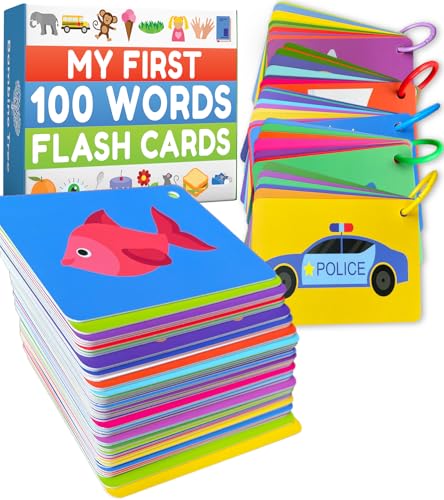
100 First Words Flash Cards – High Contrast Picture Flashcards – Educational Learning for Speech and Early Vocabulary Featuring Animals, Food, Transport, Family, Clothes and More
High-Contrast Visuals That Engage and Teach – These bold, cleanly illustrated flash cards are designed to capture toddlers’…
As an affiliate, we earn on qualifying purchases.
As an affiliate, we earn on qualifying purchases.

Speech Made Simple: Children's Early Speech and Language Development Board Book, Created by a speech therapist, CVC words, sentences, fun vocabulary
As an affiliate, we earn on qualifying purchases.
As an affiliate, we earn on qualifying purchases.