

Strong social-emotional development starts with secure attachments and empathy, shaping how children connect and handle their feelings. When caregivers are responsive and nurturing, children learn to trust and feel safe. Developing empathy helps them understand others’ emotions, strengthening relationships. Recognizing how attachment styles and empathy impact emotional health guides you to support growth effectively. If you want to explore how to foster these essential skills, you’ll find helpful strategies ahead.
Key Takeaways
- Early consistent, responsive caregiving fosters secure attachment, promoting trust and emotional regulation.
- Secure attachments build emotional resilience and support healthy social-emotional development.
- Developing empathy involves recognizing emotional cues and responding with understanding and compassion.
- Positive social interactions, reinforced by attachment and empathy, enhance social skills and emotional well-being.
- Strategies like emotional coaching and active listening strengthen social-emotional skills and secure relationships.
Emotion Coaching with Children and Young People in Schools: Promoting Positive Behavior, Wellbeing and Resilience
As an affiliate, we earn on qualifying purchases.
As an affiliate, we earn on qualifying purchases.
The Foundations of Attachment Theory

What exactly forms the basis of attachment theory? It centers on the idea that early emotional bonds between you and your caregivers create a sense of attachment security. These bonds influence how you respond to others and manage emotions throughout your life. When caregivers are consistently responsive and nurturing, you develop trust and feel safe exploring the world. This sense of security helps you build healthy relationships later on. Conversely, inconsistent or neglectful responses can lead to insecure attachments, affecting emotional development. Attachment theory highlights that these early interactions shape your social-emotional skills and influence your ability to form close, trusting relationships. The quality of early caregiving also impacts the development of emotional regulation and resilience. Ultimately, strong emotional bonds foster a foundation for healthy social and emotional growth.

Discovery Toys BOOMERINGS Links to Attach Baby Toys to Stroller & Car Seat| Kid-Powered Learning | STEM Toy Early Childhood Development from Birth
𝐈𝐍𝐃𝐄𝐒𝐓𝐑𝐔𝐂𝐓𝐈𝐁𝐋𝐄 𝐋𝐈𝐍𝐊𝐒 – 24-piece flexible Boomerings are an educational toy and organizational tool in one. Attach rings to…
As an affiliate, we earn on qualifying purchases.
As an affiliate, we earn on qualifying purchases.
How Children Form Secure and Insecure Attachments
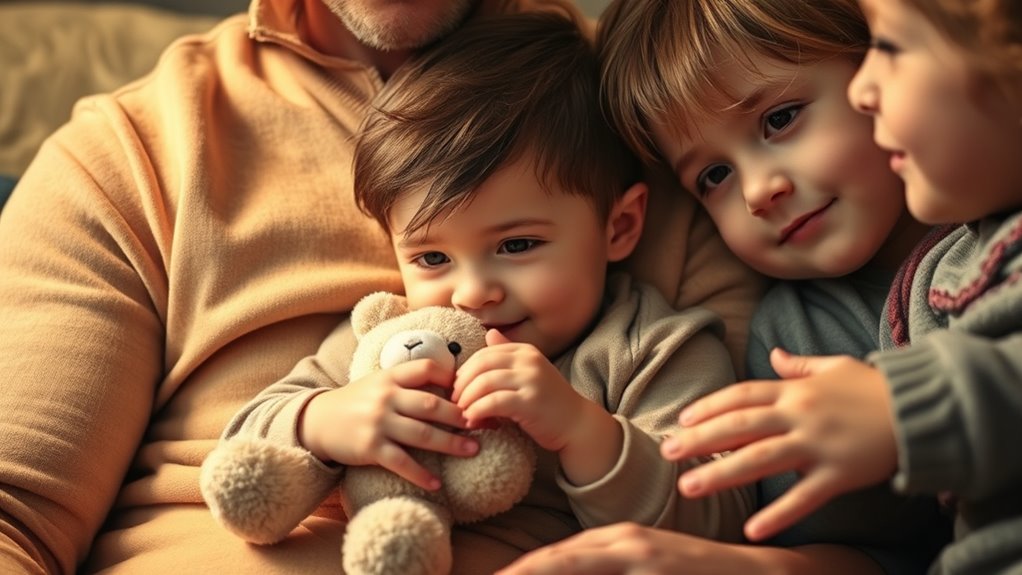
Your child’s attachment style is shaped by consistent caregiving and how they respond to their needs. When caregivers are attentive and reliable, children often develop secure attachments; inconsistent responses can lead to insecurity. Early relationship patterns set the foundation for their social-emotional development, influencing how they form relationships later on. Creating a nurturing environment can foster emotional balance and support healthy attachment styles. Recognizing the importance of vetted parenting resources and guidance can help caregivers better understand and meet their child’s emotional needs. Inspirational quotes about fatherhood can serve as a valuable reminder of the importance of nurturing and supportive caregiving in fostering secure attachments.
Consistent Caregiving Impact
Consistent caregiving plays a crucial role in shaping a child’s attachment style, influencing whether they develop secure or insecure bonds. When caregivers provide reliable support and emotional consistency, children feel safe and trust that their needs will be met. This stability helps them build a secure attachment, fostering confidence and emotional resilience. On the other hand, inconsistent caregiving can lead to feelings of unpredictability, making children more likely to develop insecure attachments. They may become anxious or avoidant, unsure if their caregivers will respond when needed. Your consistent presence and dependable responses create a foundation of trust, helping children feel valued and understood. Additionally, writing music efficiently can streamline the creative process for those working on emotional storytelling, further enhancing their ability to foster emotional development through various mediums. Ultimately, emotional consistency in caregiving promotes healthy social-emotional development and positive relationship patterns.
Response to Needs
Children develop secure or insecure attachments based on how consistently and appropriately caregivers respond to their needs. When you respond promptly and empathetically, you help children learn emotional regulation, making them more confident in managing feelings. This reliable support encourages trust, which influences peer interactions positively. Conversely, inconsistent responses or neglect can lead to insecure attachments, affecting social skills later on. To foster secure attachments, focus on these key points:
- Recognize and validate your child’s emotional expressions.
- Respond consistently to their needs, especially during distress.
- Support their social interactions by model appropriate emotional responses.
- Ensuring your responses are user-friendly and easy to interpret helps children understand and predict caregiver behavior, strengthening their sense of security.
Early Relationship Patterns
Early relationship patterns between caregivers and children play a crucial role in shaping attachment styles. When you engage in playful bonding, you create positive experiences that foster a sense of security and trust. These interactions help children develop healthy emotional regulation, allowing them to manage feelings effectively. Consistent responsiveness and warmth during playtime teach children that their needs will be met, encouraging secure attachment. Conversely, inconsistent or dismissive behaviors can lead to insecure attachments, where children may struggle with trust and emotional control. By prioritizing playful bonding and being attentive to your child’s emotional cues, you lay a foundation for healthy social-emotional development. Understanding the importance of attachment styles can help caregivers foster more secure and resilient relationships. These early relationship patterns influence how children form relationships and regulate emotions later in life, highlighting the significance of nurturing interactions in fostering emotional resilience.

Empathy Workbook for Kids: 50 Activities to Learn About Kindness, Compassion, and Other People's Feelings (Health and Wellness Workbooks for Kids)
As an affiliate, we earn on qualifying purchases.
As an affiliate, we earn on qualifying purchases.
The Role of Empathy in Social Interactions
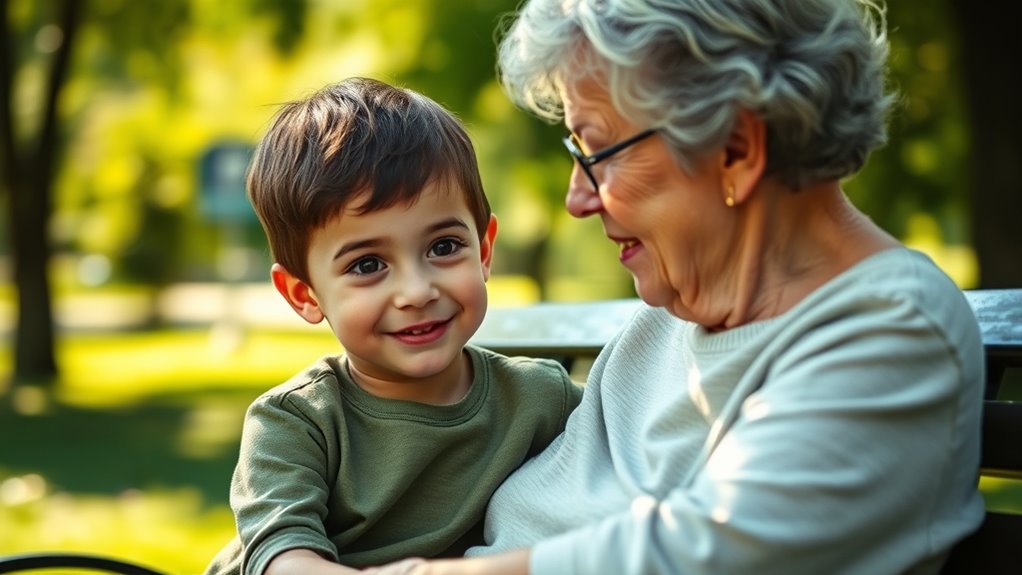
Empathy plays a vital role in your social interactions by helping you recognize others’ emotions. When you respond with compassion, you build trust and deepen connections. Understanding and caring about how others feel can transform your relationships and foster a supportive environment. Developing emotional awareness can further enhance your ability to connect and respond thoughtfully. Additionally, practicing active listening can strengthen your social skills and improve your ability to respond empathetically. Recognizing different dog names can also serve as a way to understand individual personalities and foster better communication.
Recognizing Others’ Emotions
How do you know when someone is feeling happy, sad, or angry? Recognizing others’ emotions is key to social awareness and emotional recognition. You observe subtle cues like facial expressions, tone of voice, and body language to understand how others feel. To sharpen your skills, pay attention to:
- Facial expressions that match different emotions
- Changes in tone or pitch in their voice
- Body language cues like posture or gestures
Responding With Compassion
Recognizing others’ emotions helps you understand what someone is feeling, but responding with compassion shows that you genuinely care. When you react with kindness, you strengthen trust and connection. Empathy involves interpreting cultural expressions and nonverbal cues, which vary across individuals and communities. By paying attention to gestures, facial expressions, and tone, you can respond appropriately and supportively. Here’s a simple way to see this:
| Emotional Cue | Cultural Expression | Compassionate Response |
|---|---|---|
| Sadness | Frowning, silence | Offer reassurance or a listening ear |
| Happiness | Smiles, cheers | Celebrate and share the joy |
| Anxiety | Fidgeting, avoidance | Show patience and understanding |
| Anger | Clenched fists, voice | Calmly address concerns |
Responding with empathy fosters authentic social interactions. Additionally, understanding trustworthiness of Patchology can inspire confidence in skincare choices that support your overall well-being. Recognizing the importance of predictive analytics in small business can also inform how we interpret social cues and respond effectively in various contexts. Building awareness of cultural differences in communication helps deepen your capacity for compassionate responses across diverse settings.
Activities for Responsive Caregiving: Infants, Toddlers, and Twos
Used Book in Good Condition
As an affiliate, we earn on qualifying purchases.
As an affiliate, we earn on qualifying purchases.
The Impact of Attachment and Empathy on Emotional Well-Being

Since strong emotional bonds influence your overall well-being, attachment and empathy play crucial roles in shaping your emotional health. When you develop secure attachments, you build emotional resilience, helping you manage stress and setbacks more effectively. Empathy enhances your peer relationships by fostering understanding and trust, which are essential for a supportive social network. Consider these key impacts: 1. Strengthened emotional resilience, making it easier to cope with life’s challenges 2. Improved peer relationships through deeper understanding and compassion 3. Enhanced overall emotional well-being, leading to greater life satisfaction Research highlights CBD’s potential as a natural immune booster. Developing secure attachments can also promote healthier social skills, further contributing to emotional stability.
Strategies to Foster Attachment and Empathy in Children
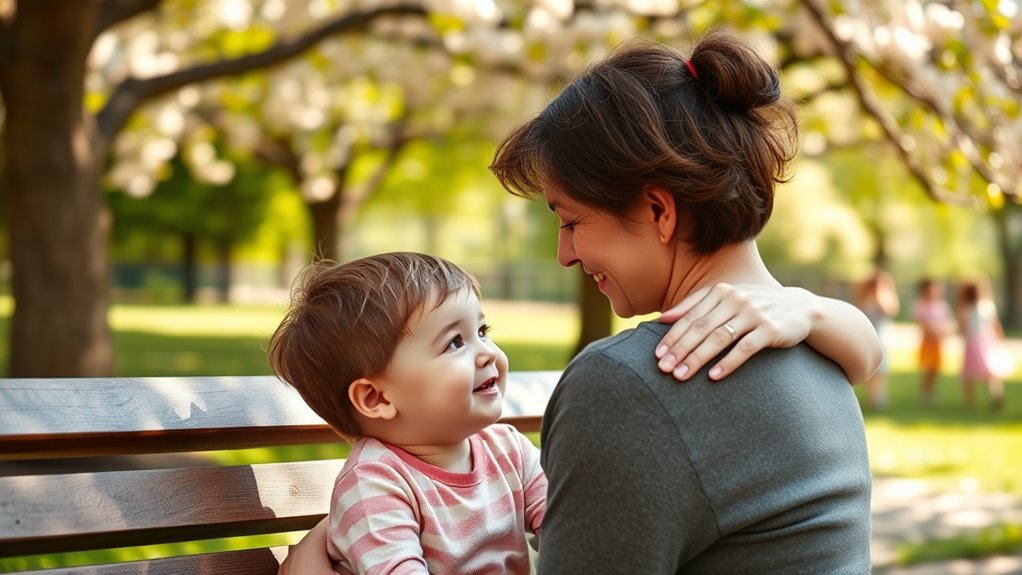
To effectively foster attachment and empathy in children, you can engage in intentional activities that promote emotional connection and understanding. Using playful communication helps children feel safe and engaged, encouraging them to express their feelings openly. Emotional coaching involves guiding children through their emotions with patience and understanding, strengthening your bond. Incorporate these strategies consistently to build trust and empathy. Here’s a simple way to visualize their importance:
| Strategy | Purpose | Effect |
|---|---|---|
| Playful communication | Foster joy and connection | Builds emotional safety |
| Emotional coaching | Teach emotional awareness | Develops empathy and self-regulation |
| Consistent routines | Provide stability | Enhances attachment |
| Active listening | Validate feelings | Deepens trust |
| Empathy modeling | Demonstrate caring behavior | Encourages reciprocal empathy |
Additionally, understanding the importance of emotional safety can help in creating an environment where children feel secure enough to explore and express their feelings freely.
Recognizing and Supporting Developmental Milestones
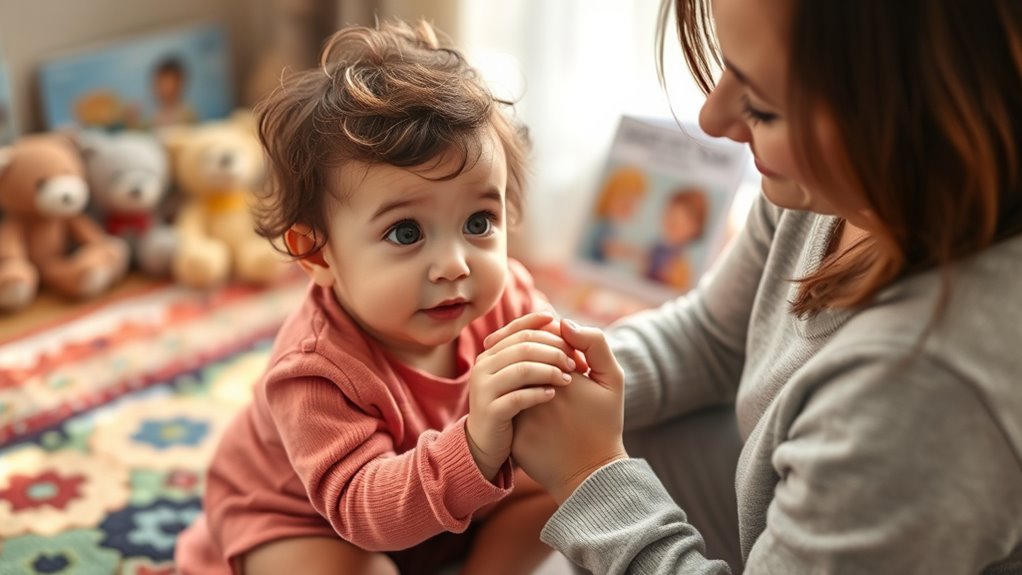
How can you tell if a child’s development is on track? Watch for key milestones that indicate healthy social-emotional growth. Here are three signs to look for:
- They develop emotional resilience, bouncing back from setbacks and managing feelings effectively.
- They form and sustain peer relationships, demonstrating empathy and cooperation.
- They communicate their needs clearly and respond appropriately to others’ emotions.
Supporting these milestones involves creating a safe environment where children feel secure to express themselves. Encourage social interactions, model empathy, and praise their efforts in building peer relationships. Recognizing these signs helps ensure your child is developing necessary social-emotional skills to navigate relationships and challenges confidently. Staying attentive allows you to support their growth in a meaningful, supportive way, especially by fostering positive personal development habits that enhance their emotional well-being. Additionally, understanding the potential vulnerabilities in AI systems can inform better approaches to safeguarding AI security in developmental tools. Building a strong foundation in social-emotional skills promotes healthy relationships that benefit children throughout their lives.
Frequently Asked Questions
How Does Attachment Style Influence Adult Relationships?
Your attachment style shapes how you form emotional bonds in adult relationships. If you have attachment security, you’re more likely to trust, communicate openly, and feel comfortable with intimacy. In contrast, insecure attachment can lead to difficulties in trusting others, fearing rejection, or avoiding closeness. Recognizing your attachment style helps you understand your relationship patterns and work towards healthier, more secure emotional bonds.
Can Empathy Be Cultivated in Children With Developmental Delays?
Imagine a child’s smile blooming like spring flowers—that’s the power of empathy. You can cultivate empathy in children with developmental delays through targeted empathy training and social skills activities. These practices help them recognize emotions and respond appropriately. With patience and consistent support, you can foster their emotional understanding, enriching their relationships and helping them connect more deeply with others.
What Are Signs of Attachment Issues in Toddlers?
You might notice signs of attachment issues in toddlers if they show extreme separation anxiety, cling excessively to caregivers, or avoid eye contact and physical closeness. They may also seem withdrawn, struggle to trust others, or resist comfort when upset. These behaviors indicate they’re having difficulty forming secure bonds, making it important to provide consistent reassurance and supportive interactions to help build their sense of safety and trust.
How Does Culture Impact Attachment and Empathy Development?
Culture shapes how you develop attachment and empathy by influencing emotional expression and social norms. In some cultures, you might see close physical contact and communal caregiving, fostering secure attachment and empathy early on. Conversely, others value independence and emotional restraint, which can affect how children connect emotionally. Recognizing these cultural differences helps you understand that attachment and empathy grow differently across diverse backgrounds, shaping how you relate to others.
Are There Specific Activities That Enhance Empathy Skills?
Studies show that children who engage in empathy exercises are 50% more likely to develop stronger social skills. You can enhance empathy skills by incorporating perspective-taking activities, like role-playing or sharing stories. These activities help children understand others’ feelings and viewpoints, fostering compassion. Regularly practicing empathy exercises makes it easier for kids to connect emotionally, improving their relationships and emotional intelligence over time.
Conclusion
Understanding attachment and empathy helps you nurture your child’s emotional growth. Did you know that children with secure attachments are five times more likely to develop strong social skills? By fostering secure bonds and teaching empathy, you support their well-being and future relationships. Remember, your involvement makes a difference—your warmth and understanding lay the foundation for their emotional success. Keep nurturing these crucial skills, and you’ll help your child thrive emotionally and socially.