
TL;DR

Turn the school run and nap time into listening time
- Thousands of audiobooks, podcasts and originals
- Listen on your phone, tablet or Echo — also offline
- Cancel anytime
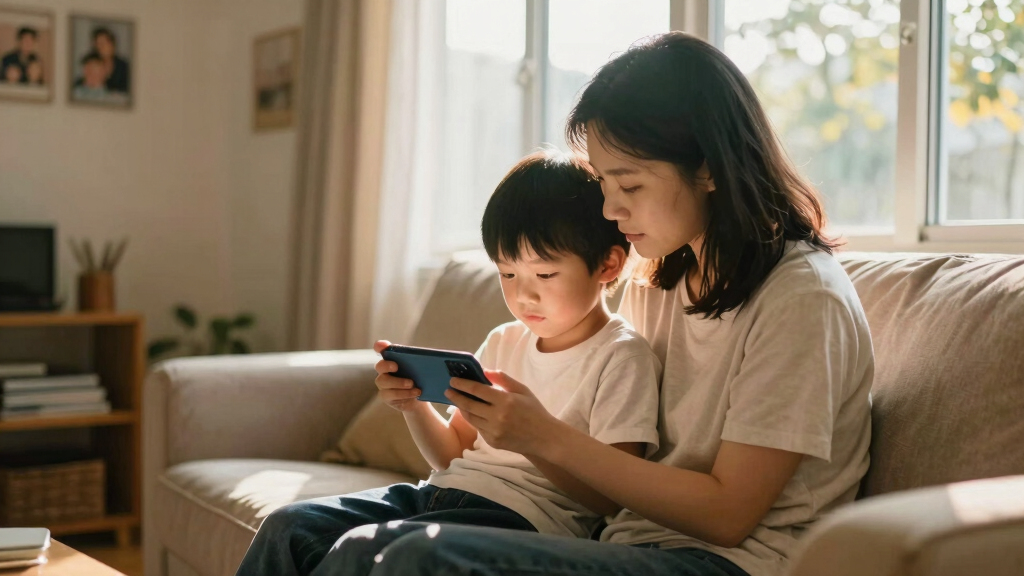
A new study shows children who have phones are managing well and are not experiencing increased anxiety or behavioral issues. This challenges common concerns about digital device use among kids.
A recent study conducted by the Child Development Institute finds that children who own and use phones are not showing increased signs of anxiety, behavioral problems, or social withdrawal. This research provides evidence against widespread concerns that mobile device use harms young people’s mental health or development, offering reassurance to parents and educators.
The study, which surveyed over 3,000 children aged 8 to 16 across multiple regions, found that phone ownership was not linked to negative psychological outcomes. Instead, children with phones reported feeling more connected to friends and family, and some even demonstrated better coping skills during stressful periods, such as the COVID-19 pandemic.
Researchers from the Child Development Institute emphasized that the data contradicts prevailing narratives that mobile phones inherently harm children. Dr. Lisa Martinez, lead researcher, stated, “Our findings suggest that phones can be a positive tool when used appropriately, supporting social connection and emotional resilience.” The study also noted that responsible usage, rather than mere ownership, is key to understanding these outcomes.
Implications for Parents and Educators
This research challenges the common belief that children with phones are at increased risk of mental health issues. It suggests that concerns about digital devices may need reevaluation, emphasizing responsible use rather than outright restrictions. For policymakers, the findings support balanced approaches to device access in schools and at home, promoting digital literacy alongside healthy boundaries.
As an affiliate, we earn on qualifying purchases.
Recent Trends in Youth Phone Use and Mental Health Research
Over the past decade, concerns about screen time and mobile device use have grown, often linked to rises in anxiety and behavioral issues among children. However, recent large-scale studies, including this latest one, indicate that the relationship is complex and not solely negative. The COVID-19 pandemic accelerated phone use among youth, prompting renewed investigations into its effects. Prior research has shown mixed results, with some studies highlighting risks and others emphasizing potential benefits of digital connectivity.
“Our findings suggest that phones can be a positive tool when used responsibly, supporting social connection and emotional resilience.”
— Dr. Lisa Martinez, Lead Researcher
Limitations and Unanswered Questions About Phone Use
While the study provides reassuring data, it is not yet clear how different patterns of phone use—such as social media activity, gaming, or educational use—impact mental health over the long term. Researchers also acknowledge that individual differences, family environment, and socioeconomic factors may influence outcomes, requiring further investigation.
Further Research and Policy Implications
Researchers plan to conduct longitudinal studies to track long-term effects of phone use among children. Policymakers and educators are encouraged to develop guidelines that promote responsible digital habits, focusing on quality of use rather than mere ownership. Public health campaigns may also aim to educate families about healthy boundaries and digital literacy.
Key Questions
Does owning a phone harm my child’s mental health?
According to recent research, phone ownership alone does not necessarily harm children’s mental health. Responsible use and context are important factors.
Are children who use phones more likely to experience anxiety?
The study found no direct link between phone ownership and increased anxiety, especially when usage is balanced and supervised.
What should parents do to ensure healthy phone use?
Parents should set boundaries, encourage responsible use, and promote open communication about online activities and experiences.
Will this research change school policies on device use?
It may influence more balanced policies that recognize potential benefits of phones while emphasizing digital literacy and responsible behavior.
Is this the final word on kids and phones?
No, ongoing research is needed to understand long-term effects and how different usage patterns impact development over time.
Source: hn
Fall Picks
fall essentials
As an affiliate, we earn on qualifying purchases.







![Every Parent Dreads That Call From School… 📞😱 [Litterbox Comics]](https://motherbabykids.com/wp-content/uploads/2026/10/every-parent-dreads-that-call-from-school-litterbox-comics-featured-260x140.jpg)