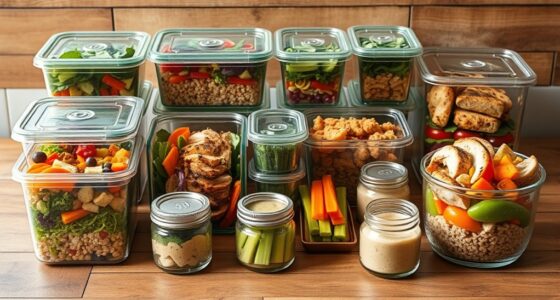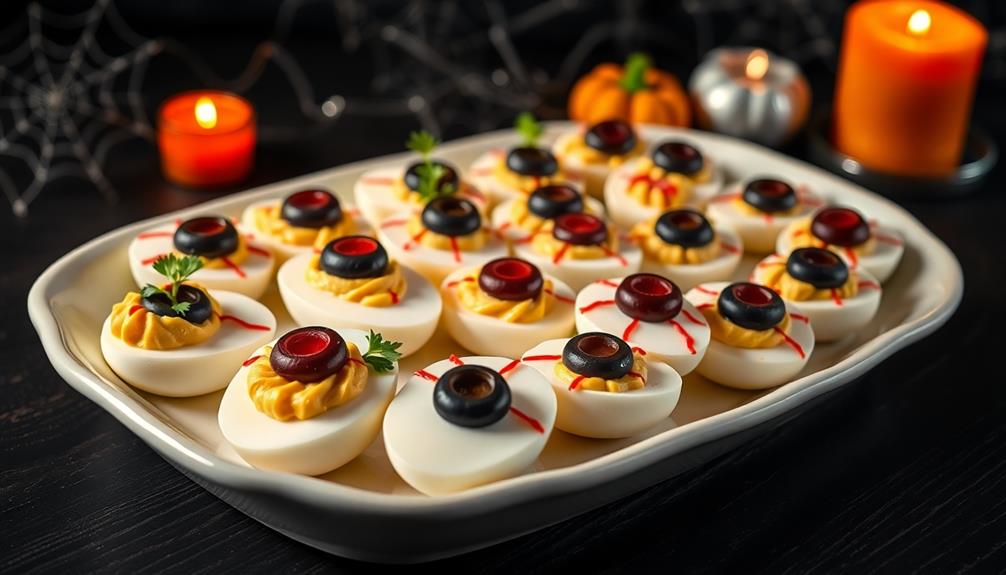
Using leftovers creatively helps you save money, cut down on waste, and add variety to your meals. Think ahead by storing cooked meats, grains, and vegetables properly, then turn them into new dishes like tacos, salads, or soups. Get inventive with ingredients you already have—shredded chicken can become a filling, or rice can become fried rice. If you keep exploring, you’ll discover even more clever ways to maximize every bit of your food.
Key Takeaways
- Transform leftovers into new dishes like tacos, salads, or soups to diversify meals and reduce waste.
- Repurpose cooked grains or rice into fried rice, grain bowls, or stuffed peppers for quick, tasty meals.
- Use shredded cooked meats in sandwiches, casseroles, or wraps to maximize ingredient use.
- Create flavorful stocks or broths from bones and vegetable scraps to enhance future recipes.
- Organize and label leftovers to facilitate creative meal planning and prevent spoilage.
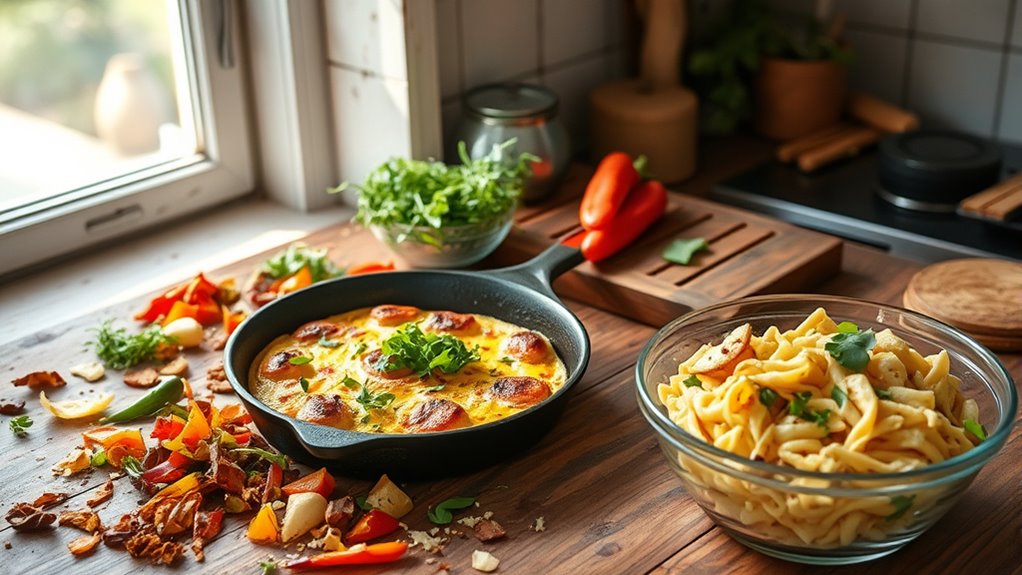
Leftovers often get a bad rap, but with a little creativity, they can become the foundation for delicious new meals. The key is effective meal planning. When you think ahead about what you already have in your fridge or pantry, you can reduce waste and make the most of your ingredients. By planning your meals around leftovers, you not only save time but also guarantee you’re making the most of your food budget. Start by setting aside portions of cooked meats, grains, or vegetables, and keep track of what’s available. This way, you can quickly assemble new dishes without starting from scratch, turning yesterday’s dinner into today’s lunch or dinner.
Food preservation plays an essential role here. Properly storing leftovers extends their shelf life and maintains their quality, giving you more flexibility in how you use them. Use airtight containers to prevent spoilage and label everything with dates so you know what needs to be used soon. Freezing leftovers in portioned sizes is especially helpful; it allows you to grab just what you need later without thawing entire containers. When reheating, make sure to do so thoroughly to avoid food safety issues. You can also get creative with preservation methods like pickling vegetables or making stocks from leftover bones and vegetable scraps, turning scraps into flavorful bases for future meals. Additionally, understanding the importance of food safety ensures that leftovers are consumed safely and without health risks.
Proper storage and creative preservation extend leftovers’ freshness and flavor for future meals.
Once you have a system for meal planning and food preservation, the possibilities for using leftovers multiply. For example, leftover roasted chicken can become filling for tacos, added to salads, or stirred into soups. Cooked rice or grains can be transformed into fried rice or grain bowls, flavored with spices and fresh vegetables. Even stubborn bits of cheese can be shredded and melted into a sauce or used in a casserole. The trick is to see leftovers not as tired remnants but as building blocks for new dishes. Keep a mental inventory or a physical list of what you have, and challenge yourself to think of different ways to reinvent those ingredients.
Using leftovers creatively also encourages resourcefulness and reduces waste, which benefits your wallet and the environment. With thoughtful meal planning and smart food preservation techniques, you can turn what might seem like leftovers into exciting, fresh meals. This approach not only saves you time and money but also adds variety to your diet. Embrace leftovers as an opportunity to experiment in the kitchen, and you’ll find that every scrap can be part of a delicious new creation.

Airtight Food Storage Containers with Lids, Vtopmart 24 pcs Plastic Kitchen and Pantry Organization Canisters for Cereal, Dry Food, Flour and Sugar, BPA Free, Includes 24 Labels,Black
Help Organize Your Kitchen and Pantry— Imagine every time walking to your kitchen or pantry, found everything is…
As an affiliate, we earn on qualifying purchases.
As an affiliate, we earn on qualifying purchases.
Frequently Asked Questions
How Can I Store Leftovers Safely for Later Use?
To store leftovers safely, you should follow proper food storage and safety guidelines. Place leftovers in airtight containers or wrap them tightly with plastic wrap or foil. Label and date the containers before refrigerating or freezing. Keep your refrigerator at 40°F (4°C) or below, and consume leftovers within 3-4 days. For longer storage, freeze them, ensuring they’re well-sealed to prevent freezer burn and preserve quality.
What Are Some Common Mistakes to Avoid When Repurposing Leftovers?
When repurposing leftovers, avoid common mistakes by properly labeling each container, so you know what’s inside, and always preventing contamination by washing hands and utensils thoroughly. Don’t forget to reheat leftovers evenly to prevent foodborne illness, and always check for spoilage before using. Overcoming these pitfalls ensures your leftovers stay safe and tasty, making your creative repurposing both enjoyable and risk-free.
Are There Specific Leftovers That Should Never Be Reused Creatively?
You should avoid reusing leftovers like cooked rice, chicken, or seafood if they’ve been left out too long, as food safety risks increase. Moldy or spoiled items are also unsafe to repurpose. By skipping these, you reduce waste and ensure safety. Always check for spoilage, store leftovers properly, and reheat thoroughly. This approach helps you prevent foodborne illnesses while promoting waste reduction in your kitchen.
How Can Leftovers Be Incorporated Into Meal Planning Efficiently?
You can incorporate leftovers into meal planning efficiently by using smart meal prep strategies. Start by planning versatile dishes that can easily accommodate ingredient substitutions, like adding roasted vegetables into wraps or salads. Keep track of what you have, and get creative with repurposing ingredients to avoid waste. This way, you save time, reduce costs, and enjoy varied meals, all while making the most of what you already have.
What Creative Presentation Ideas Enhance Leftover Dishes?
You can enhance leftover dishes by using creative plating techniques, like stacking ingredients or arranging them in eye-catching patterns. Try themed presentations, such as a rustic brunch with garnishes that match the occasion or a colorful plate with vibrant sauces. Play with different serving vessels—mason jars or mini cast iron skillets—to add visual interest. These ideas make your leftovers look appetizing and inviting, encouraging everyone to enjoy them with enthusiasm.

Chef Preserve Compact Vacuum Sealer for Food (Vacuum Sealer Machine + 30 Reusable Vacuum Bags) Powerful Handheld Vacuum Sealer Machine, Seal Meal Saver, Portable Food Sealer
💰 REDUCE WASTE AND SAVE MONEY: Chef Preserve keeps FOOD FRESH 5 TIMES LONGER than non-vacuum storage methods….
As an affiliate, we earn on qualifying purchases.
As an affiliate, we earn on qualifying purchases.
Conclusion
Remember, a stitch in time saves nine. When you get creative with leftovers, you not only reduce waste but also save money and time. Think of each leftover as a blank canvas waiting for your culinary imagination. By repurposing what you have, you turn yesterday’s meal into today’s delight. So, don’t let good food go to waste—get inventive and make every bite count. After all, one man’s leftovers are another’s gourmet surprise.

Annaklin Reusable Food Bags, 12 Pack 100% Silicone Food Storage Bags Stand Up Zip Lock Container, Freezer Microwave Oven Dishwasher Safe, 4 Medium 4 Small 4 Extra Small, Aqua
【SAFE & RELIABLE】Annaklin's silicone food storage bags are 100% food-grade, free from PVC, lead, chlorine, and BPA. Non-toxic,…
As an affiliate, we earn on qualifying purchases.
As an affiliate, we earn on qualifying purchases.

The Easy 5-Ingredient Slow Cooker Cookbook: 100 Delicious No-Fuss Meals for Busy People
As an affiliate, we earn on qualifying purchases.
As an affiliate, we earn on qualifying purchases.