
TL;DR

Turn the school run and nap time into listening time
- Thousands of audiobooks, podcasts and originals
- Listen on your phone, tablet or Echo — also offline
- Cancel anytime
Nutrition specialists are advising parents on how to make children’s snack time healthier. The guidance aims to promote better eating habits and combat rising concerns about childhood nutrition. Details are based on expert opinions and trends, not official policies.
Nutrition experts are increasingly sharing practical advice for parents on how to make children’s snack times healthier, as interest in childhood nutrition and healthy eating trends continues to grow. Although no official guidelines have been issued, these expert insights reflect a broader societal concern about childhood diet quality and long-term health impacts.
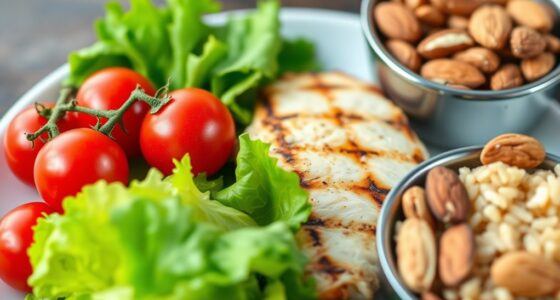
Recent discussions among dietitians and pediatric nutritionists highlight several key strategies for parents seeking to improve their children’s snack choices. These include increasing the availability of whole foods like fruits, vegetables, and nuts, reducing processed snack options high in sugar and salt, and encouraging mindful eating habits. While these recommendations are based on expert opinion rather than new policy or research, they align with longstanding nutritional principles aimed at fostering healthier childhood diets.
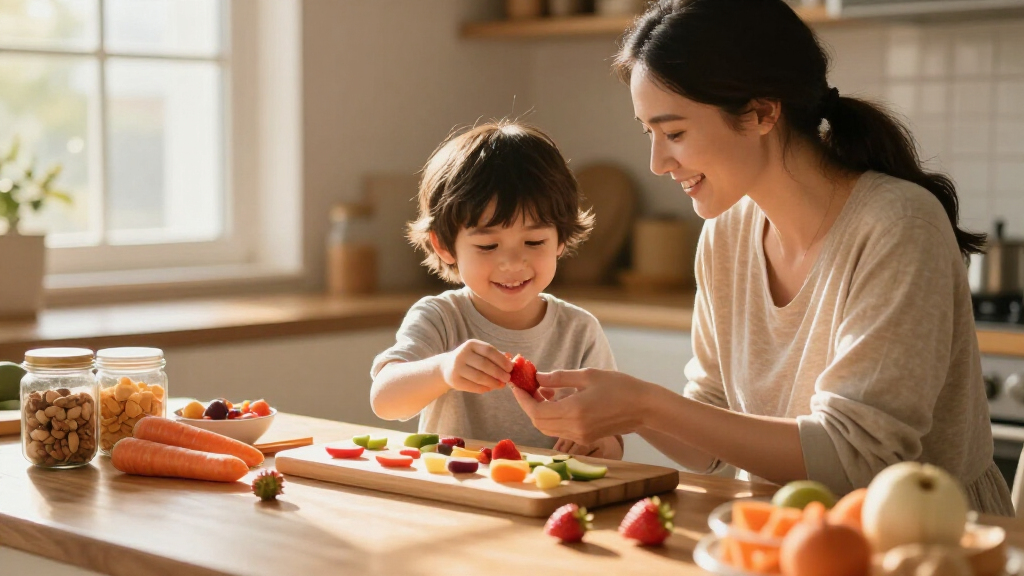
Sources note that parents can start by substituting sugary snacks with naturally sweet options such as berries or apple slices, and offering protein-rich snacks like yogurt or cheese. Experts also suggest involving children in snack preparation to promote better understanding and acceptance of healthy foods. These tips are gaining traction as public interest in nutrition and wellness continues to rise, especially amid ongoing concerns about childhood obesity and diet-related health issues.
Why Improving Kids’ Snack Choices Matters
The emphasis on healthier snack options for children is driven by increasing awareness of childhood obesity, diabetes, and other diet-related health conditions. Experts believe that establishing healthy eating habits early can have long-term benefits, reducing future health risks and fostering better overall nutrition. As public interest in wellness grows, these expert tips could influence parental behaviors and potentially lead to improved dietary patterns among children.
As an affiliate, we earn on qualifying purchases.
Growing Public Interest in Child Nutrition
Interest in making children’s diets healthier has surged recently, driven by rising rates of childhood obesity and public awareness campaigns about nutrition. While specific guidelines on snack choices are not yet formalized or universally adopted, the trend reflects a broader societal shift towards wellness and preventive health. The current focus on snack time is part of a larger movement encouraging healthier eating habits from a young age, though concrete policy changes or official recommendations are still pending.
Unconfirmed Details on Official Guidelines
There are no official or standardized guidelines currently issued by health authorities specifically targeting snack time for children. The advice shared by experts is based on general nutritional principles and emerging trends, but it is not part of a formal policy. It remains unclear whether health agencies will develop specific snack-related recommendations in the near future or how widely these expert suggestions will be adopted by parents and schools.
Next Steps for Public Health and Parental Guidance
As interest in healthier childhood diets continues to rise, experts anticipate that more detailed guidance may emerge from health authorities or educational institutions. Meanwhile, parents are encouraged to implement practical, evidence-based changes and stay informed about ongoing research. Monitoring how these expert recommendations influence parental behaviors and childhood health outcomes over time will be key to assessing their impact.
Key Questions
Are there official guidelines for kids’ snacks?
Currently, there are no specific official guidelines focused solely on snack choices, but general nutrition recommendations promote fruits, vegetables, and whole foods for children.
What are easy ways to make snacks healthier?
Replacing processed snacks with fresh fruits, vegetables, nuts, or yogurt, and involving children in snack preparation are simple strategies to improve snack quality.
Will these expert tips become official policies?
It is not yet clear whether health authorities will develop formal policies on snack time, but expert advice is influencing public discussions on childhood nutrition.
How soon might we see changes in school snack programs?
There is no confirmed timeline; however, growing public interest may encourage schools and policymakers to adopt healthier snack options in the future.
Source: rss
Fall Picks
fall essentials
As an affiliate, we earn on qualifying purchases.